- BIST10011,906+0.53%
- USD50.28+0.05%
- EUR55.60-0.24%
- GOLD3,864.80-0.55%
- INTEREST36.00%-1.00
- BITCOIN64,511-1.23%
- November 16, 20262°
- BIST10011,906+0.53%
- USD50.28+0.05%
- EUR55.60-0.24%
- GOLD3,864.80-0.55%
- INTEREST36.00%-1.00
- BITCOIN64,511-1.23%
- November 16, 20262°
U.S. and nine allies sign San Francisco pact to jointly guard AI supply chains
Washington and nine Pax Silica partners, from Japan and India to Qatar and the UAE, agreed Sunday to treat the security of AI chips, minerals and infrastructure as a shared responsibility. The pact comes as President Trump heads into talks with China's Xi Jinping this week.
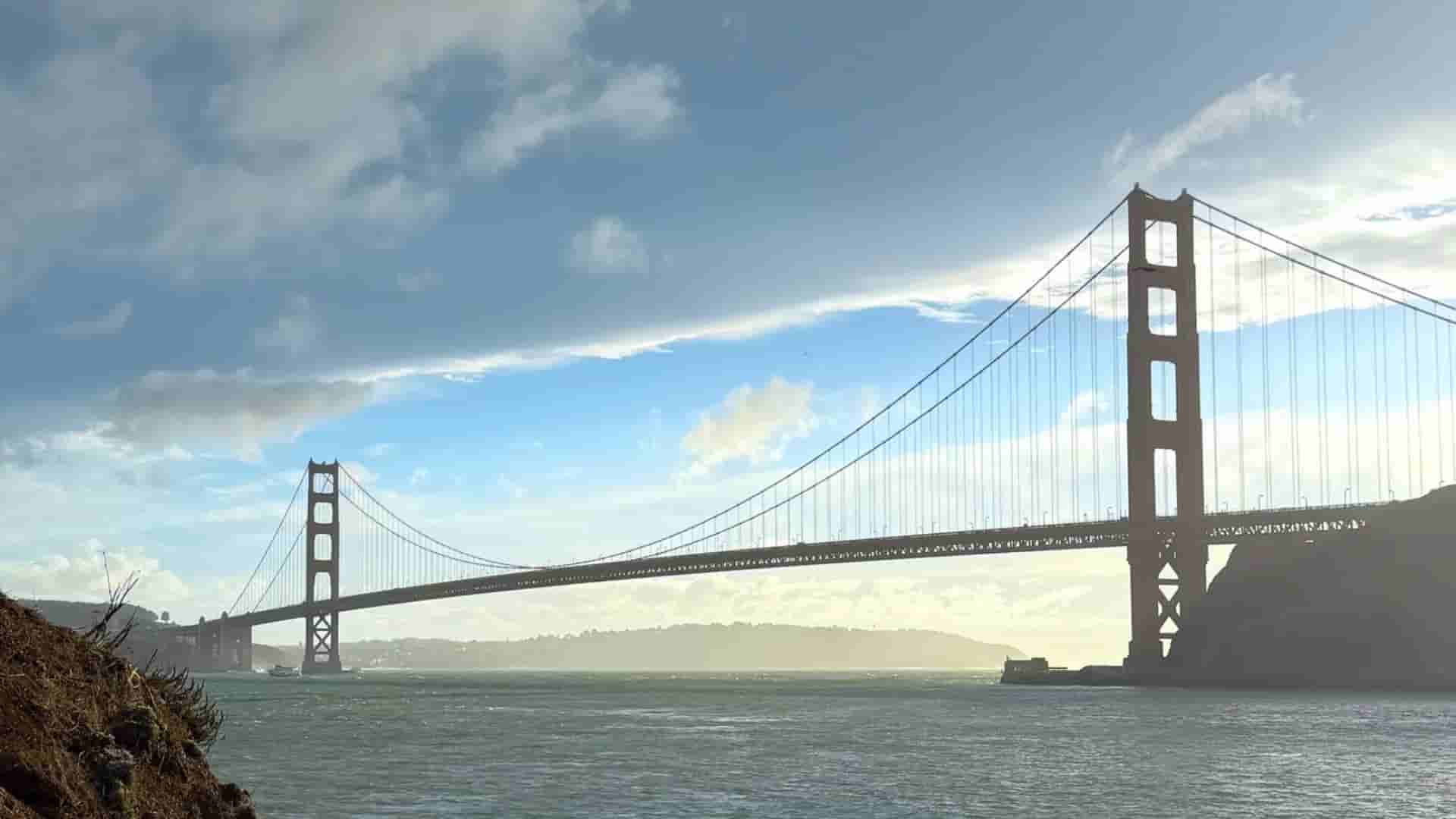
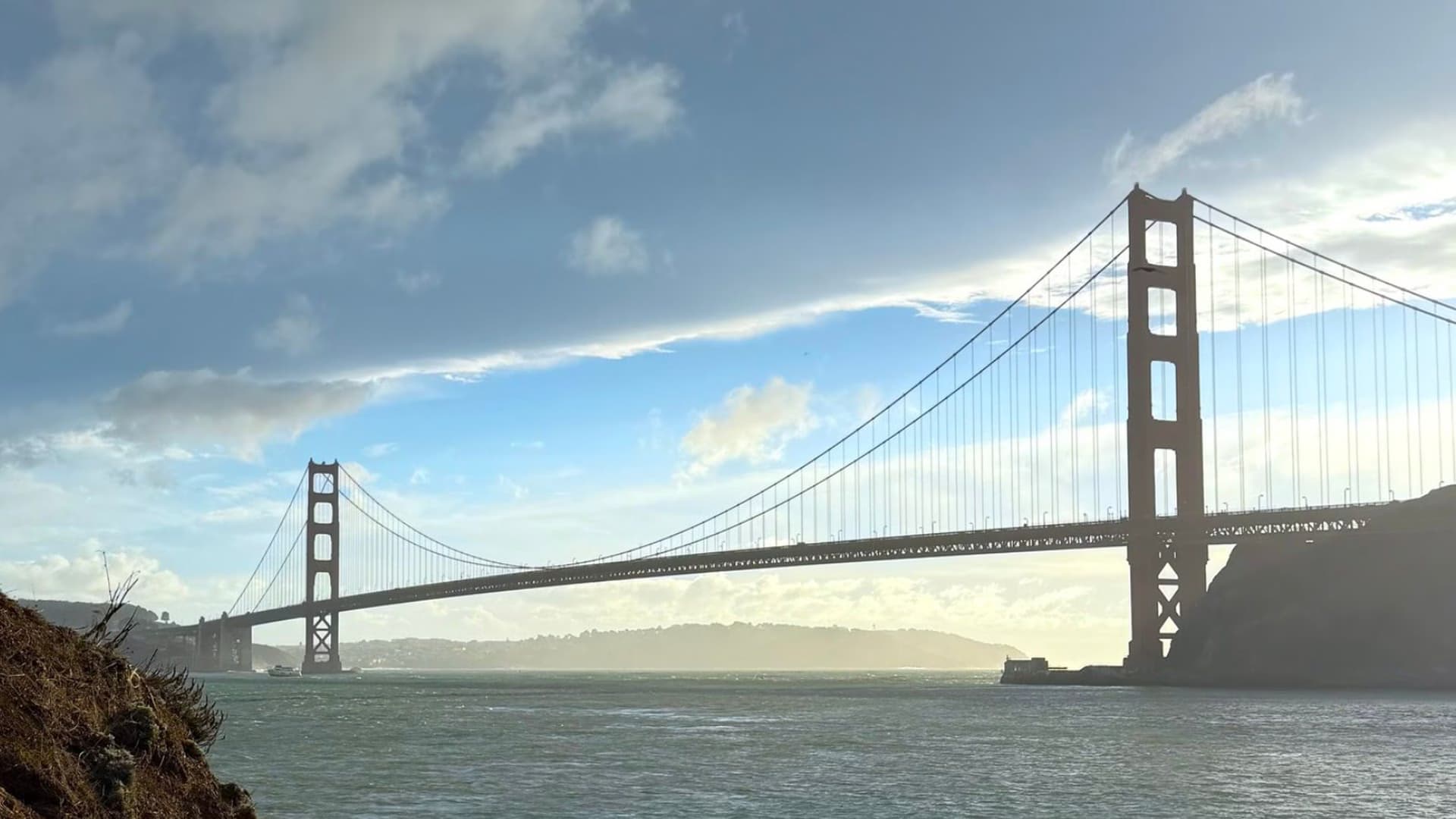
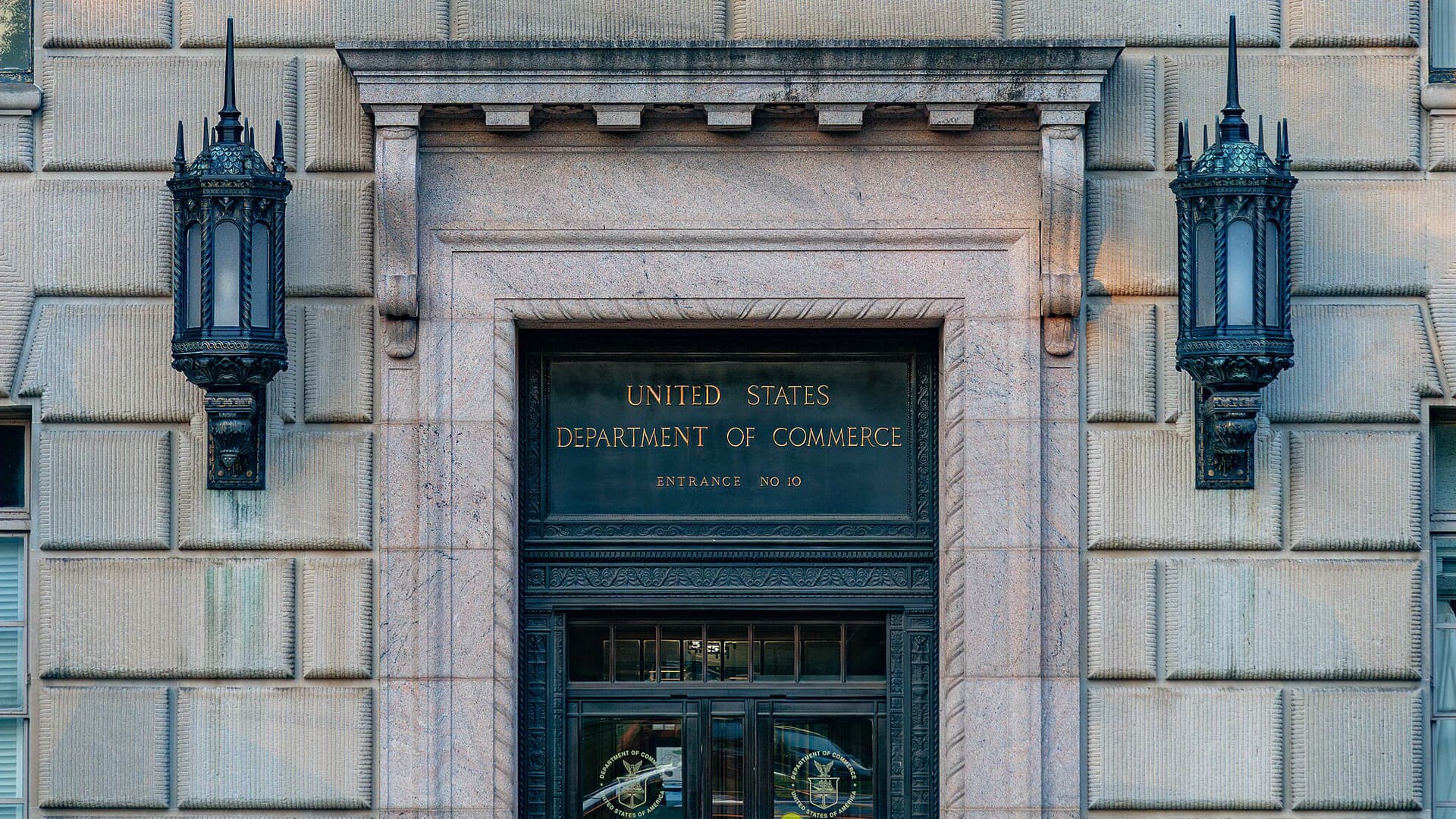
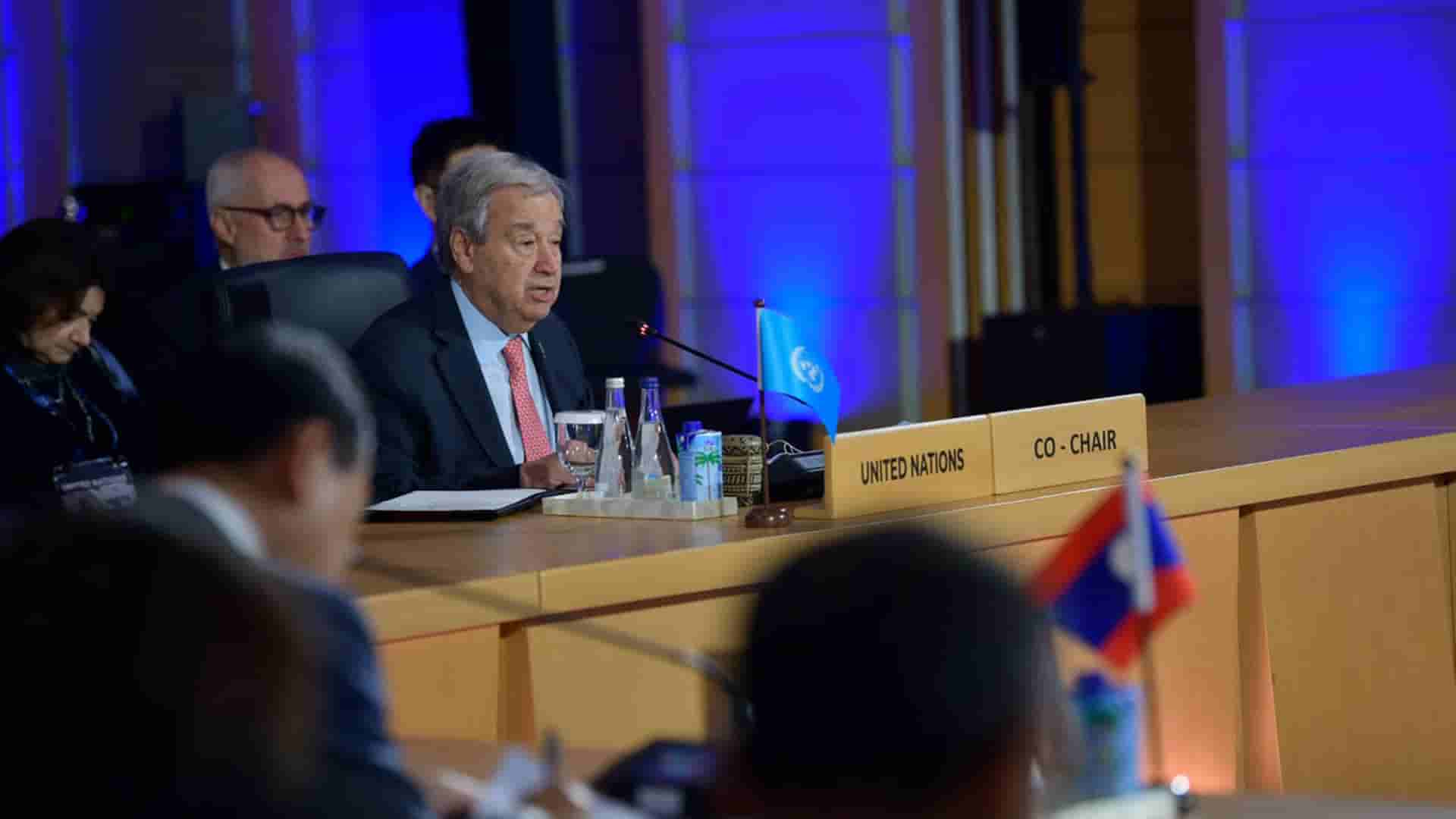
The United States and nine partner countries signed a declaration on Sunday, Nov. 15, committing to jointly protect the technologies and infrastructure behind artificial intelligence supply chains, the State Department said.
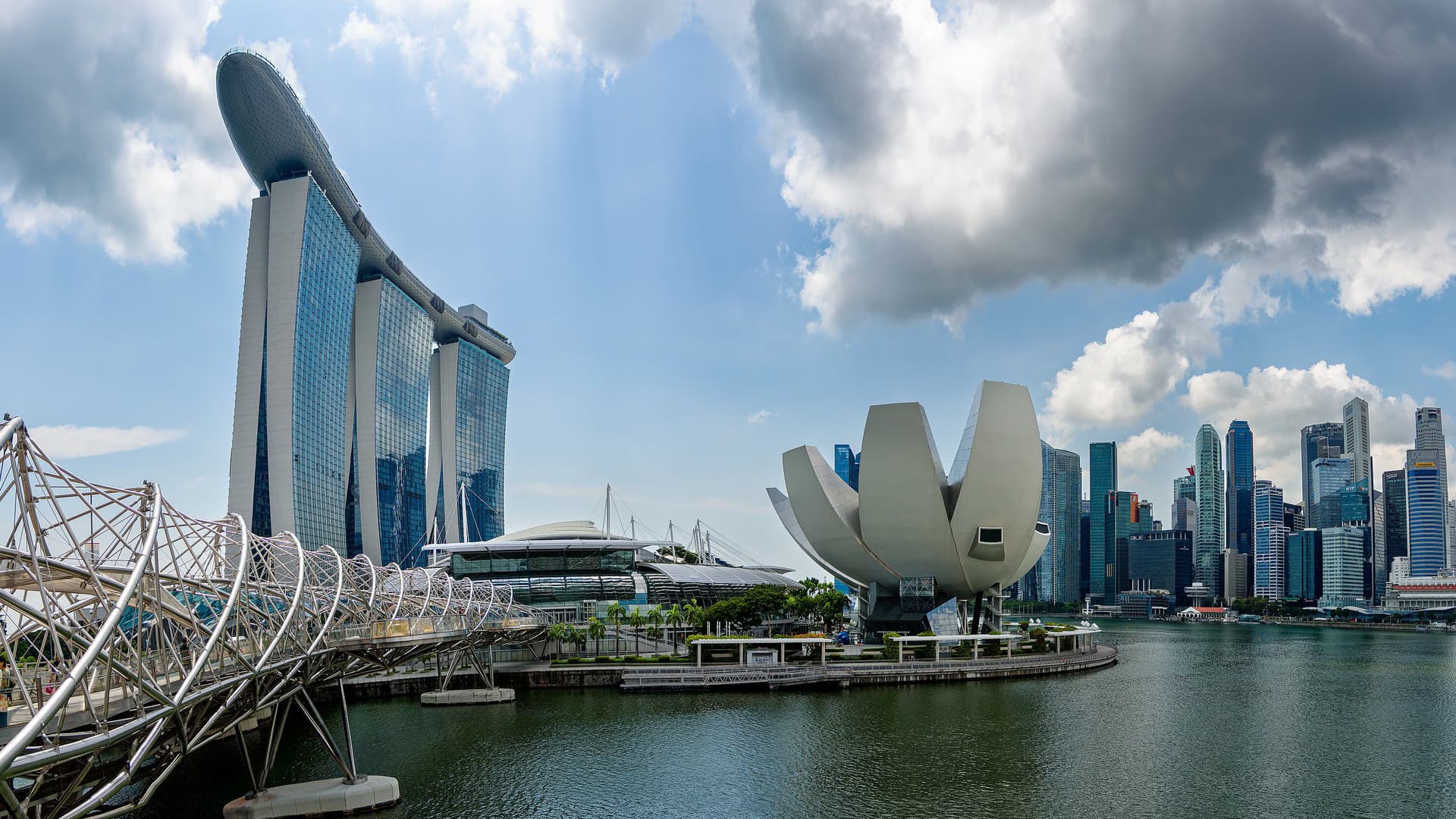
The San Francisco Declaration on the Secure Foundations of Enduring Prosperity was signed at a Pax Silica Founders Retreat convened in San Francisco by Jacob Helberg, under secretary of state for economic affairs. Joining the U.S. were Australia, India, Israel, Japan, South Korea, Qatar, Singapore, the United Arab Emirates and the United Kingdom.
What the pact covers
The declaration affirms that economic security is national security and sets out a common understanding of the sensitive technologies and critical infrastructure that underpin "Super Intelligence" (SI) supply chains, the administration's term for AI. It names two categories: technologies, including goods, software, materials, know-how and production tools, whose theft or capture by hostile actors would give them a military, intelligence or economic edge; and infrastructure such as ports, terminals, transport and communications networks, energy systems and the digital platforms that coordinate them.
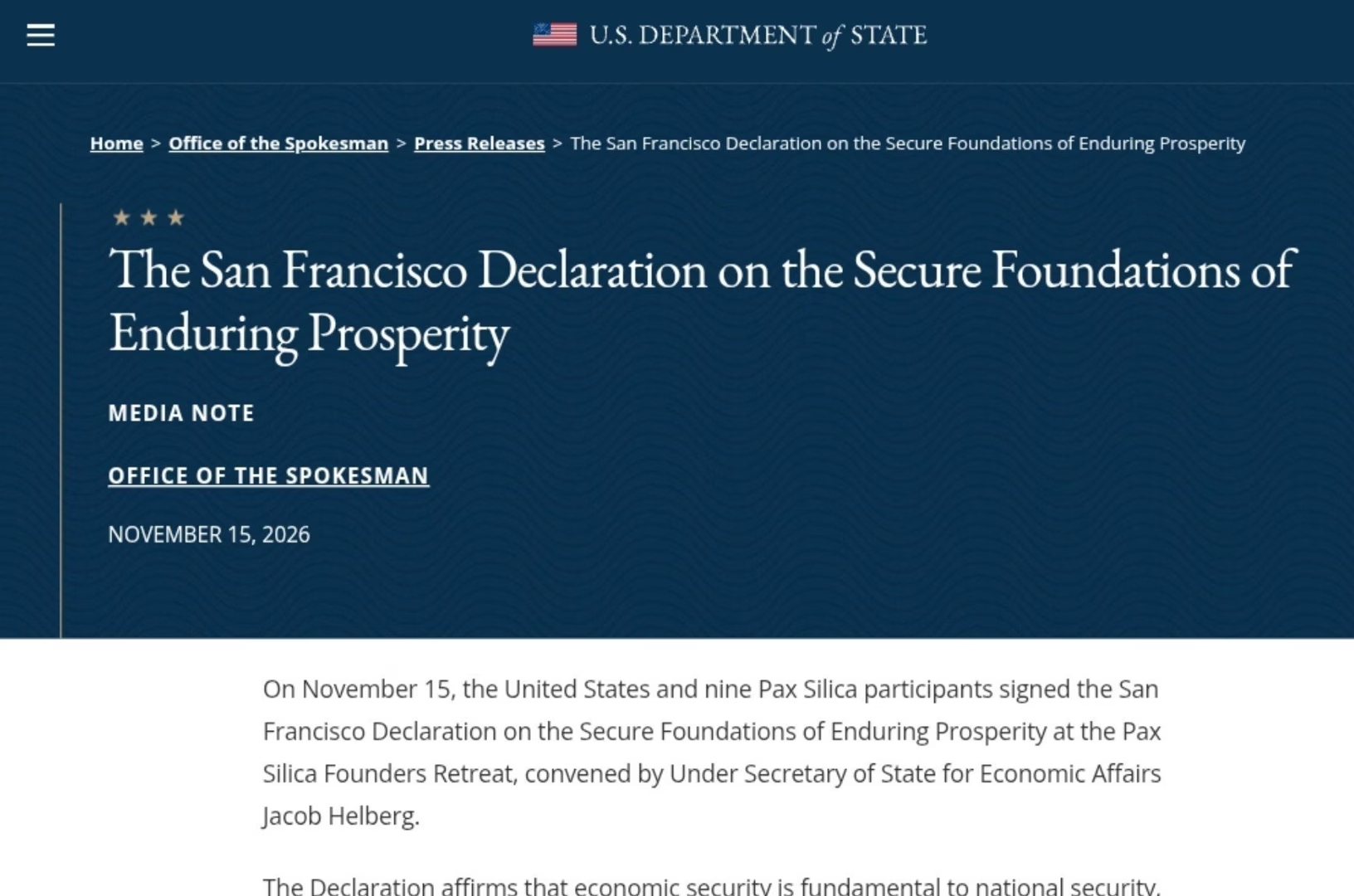
The signatories agreed to set up working groups to turn principles into practice, with five proposed so far: pro-innovation policy frameworks, AI adoption in key sectors, supply chain cooperation across the AI stack, safe harbors and supply chain security hubs, and AI security and resilience. "No nation can secure the foundations of the SI era alone, and the prosperity SI makes possible will only be as durable as the supply chains and infrastructure beneath it," the State Department said.
"A shared responsibility"
Helberg told the Financial Times that "the know-how to design a chip, the machine that makes it and the port that ships it can all be in different countries." What makes the declaration historic, he said, is that partners "have agreed to treat the security of those technologies and the infrastructure behind them as a shared responsibility." Germany, Sweden, the Netherlands and the European Commission are expected to sign next, according to the FT.
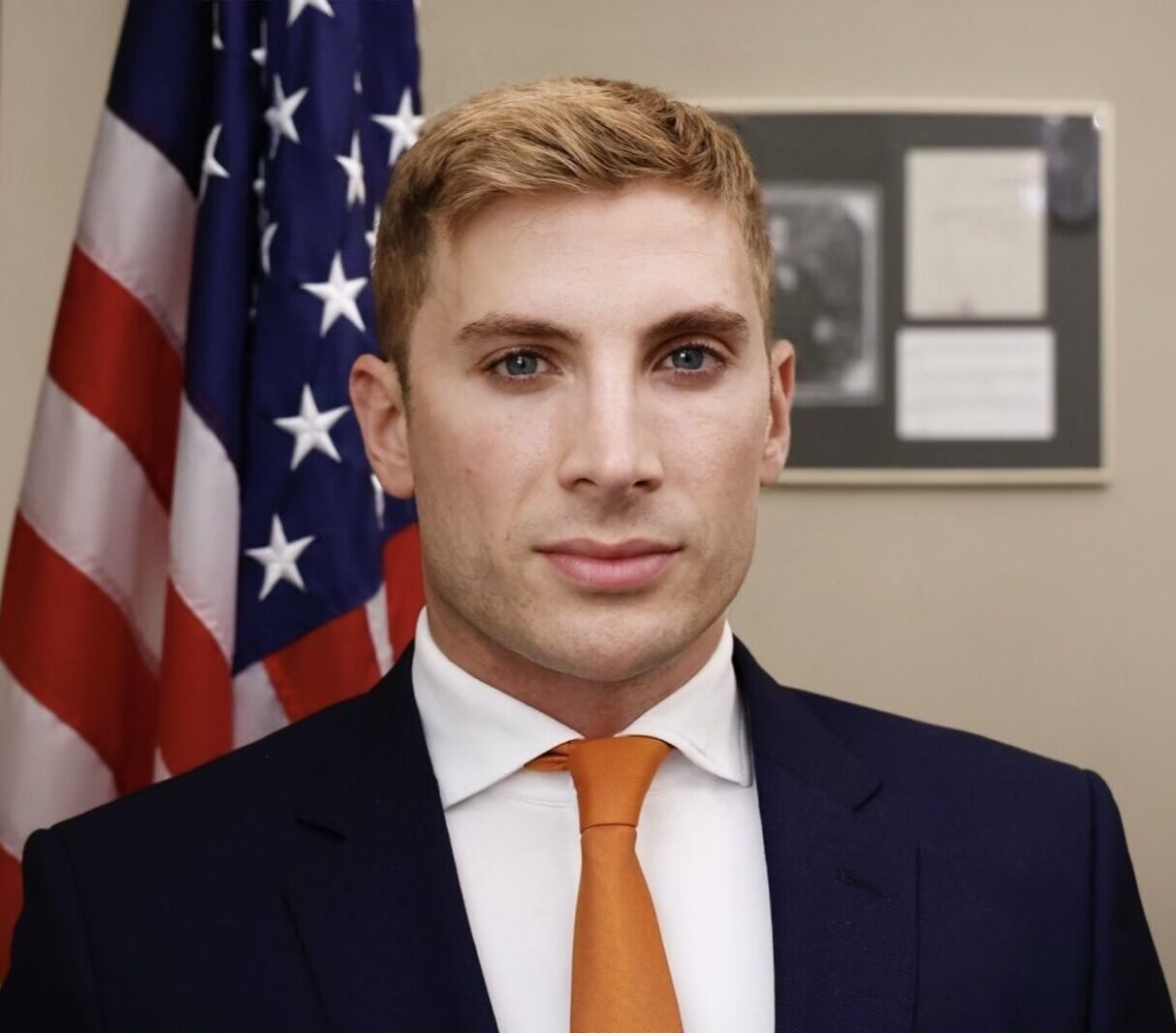
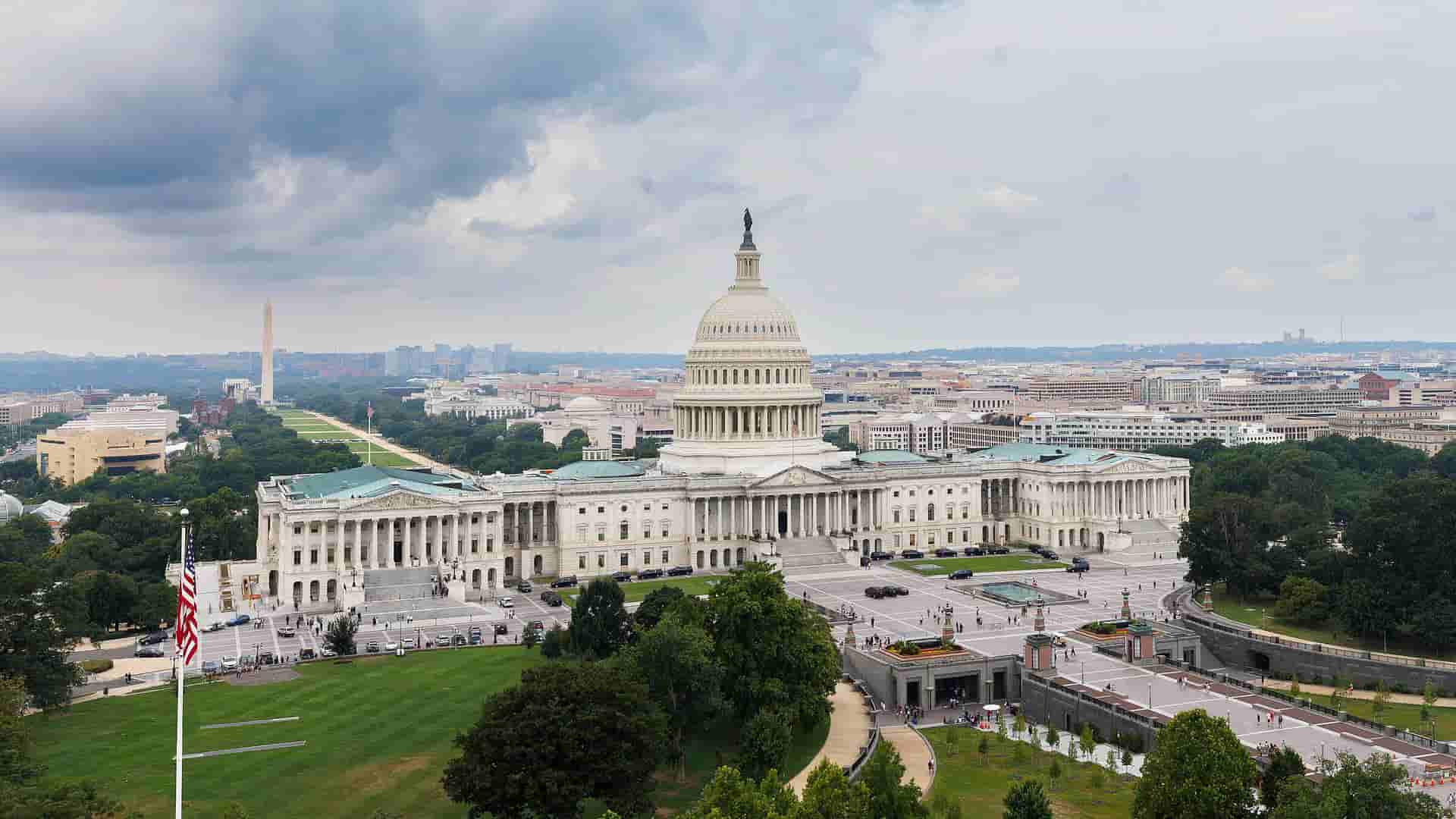
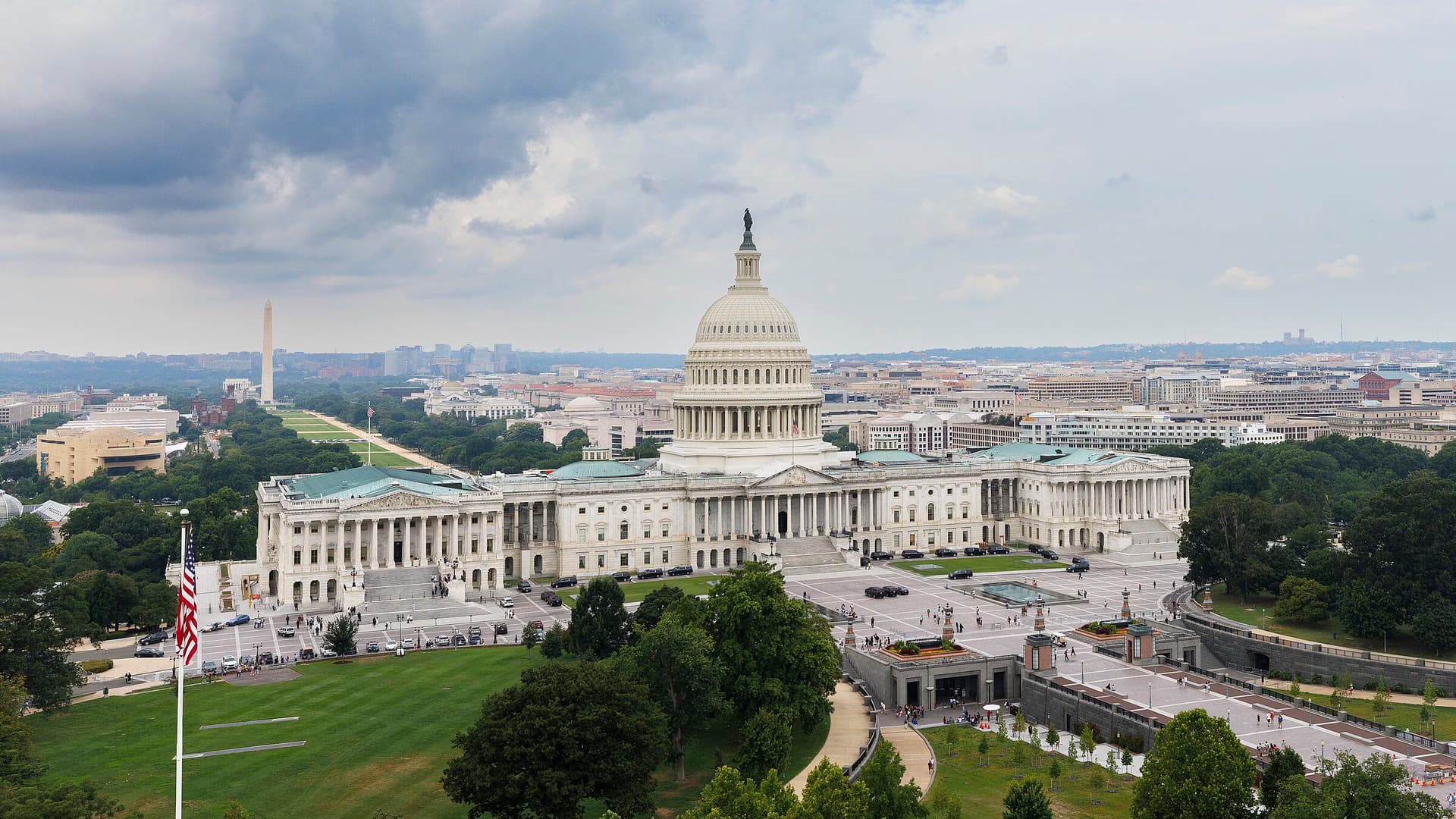
Washington launched Pax Silica in December 2025 to build a trusted supply chain for semiconductors, critical minerals, energy and advanced manufacturing. The new declaration lands days before President Trump meets Chinese President Xi Jinping at the APEC summit in Shenzhen, and as Congress moves to tighten AI chip export rules after the Nvidia espionage scandal raised questions about advanced chips reaching China.
Cover photo: U.S. Department of State. Photos: U.S. Department of State, Wikimedia Commons. Sources: U.S. Department of State, Financial Times, Anadolu Agency, PTI.
Have a story, event or announcement of your own?Send us your news on WhatsApp
Spotted an error in this story?Report it on WhatsApp
Share on all social platforms
Sponsored Ads
Featured Listings
Loading featured properties...
Stay Updated with Ally Daily
Subscribe to be informed about special news, developments and announcements. We will keep you informed.
By signing up, you agree to our Privacy Policy