- BIST10011,131-3.02%
- USD50.47+0.05%
- EUR55.46+0.20%
- GOLD3,517.10-4.57%
- INTEREST36.00%-1.00
- BITCOIN58,478-5.54%
- November 20, 202620°
- BIST10011,131-3.02%
- USD50.47+0.05%
- EUR55.46+0.20%
- GOLD3,517.10-4.57%
- INTEREST36.00%-1.00
- BITCOIN58,478-5.54%
- November 20, 202620°
Can someone who lost asylum still get a green card? Supreme Court to decide
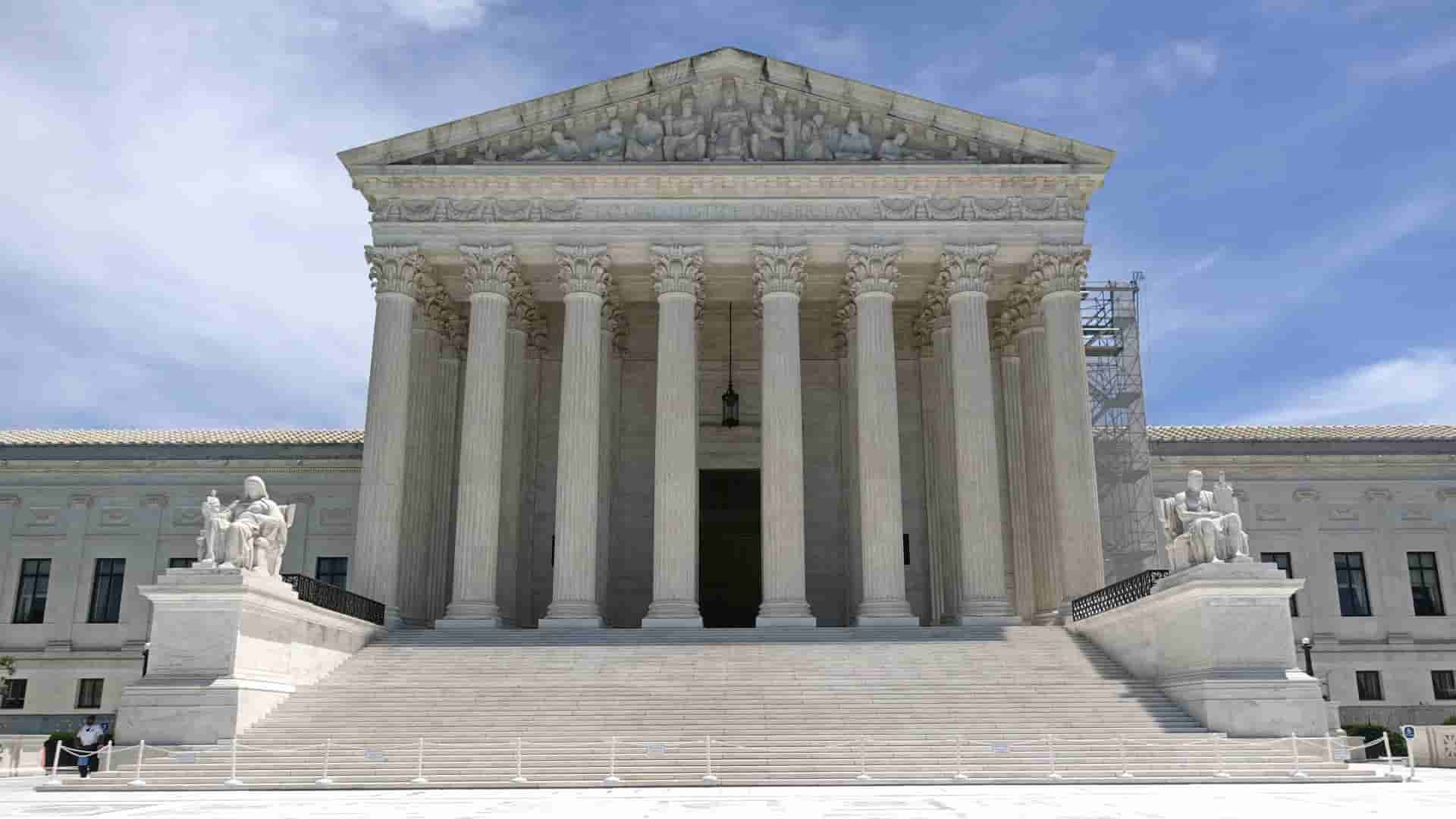
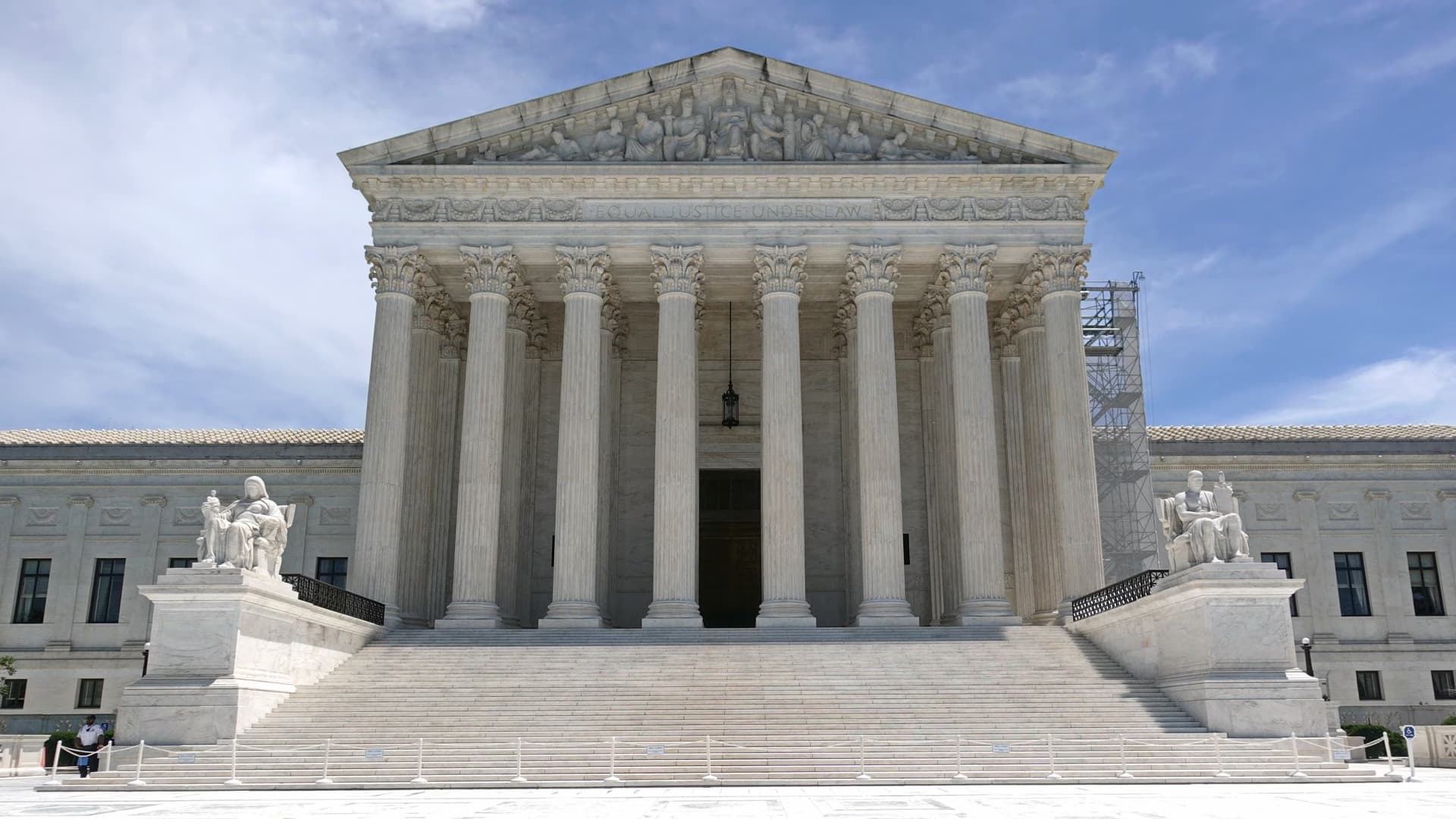
The U.S. Supreme Court will hear arguments on Nov. 30 in Wassily v. Blanche, a case asking whether immigrants who were granted asylum but later had that status terminated can still apply for a green card as asylees. The government says only people who currently hold asylum qualify.
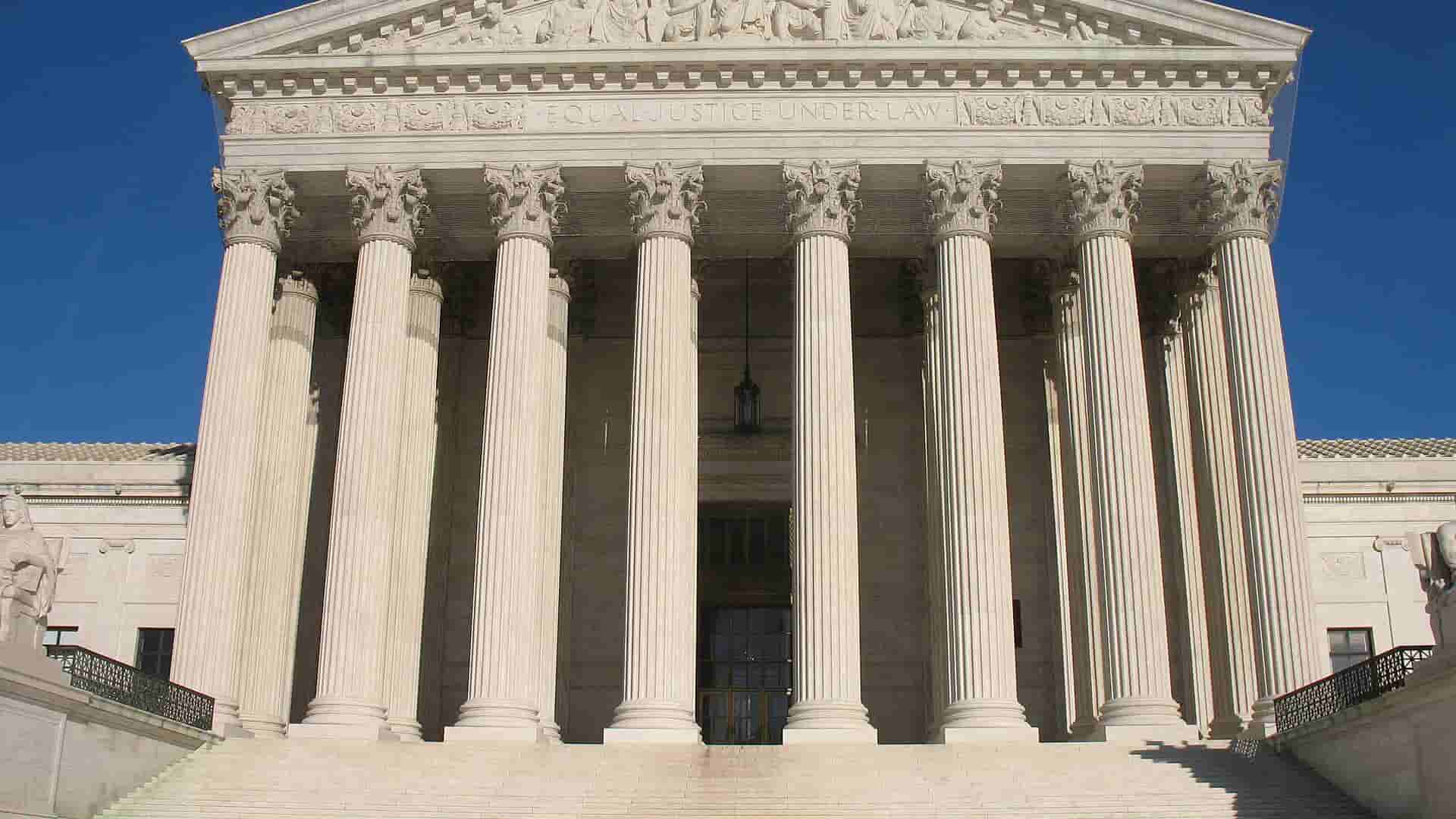
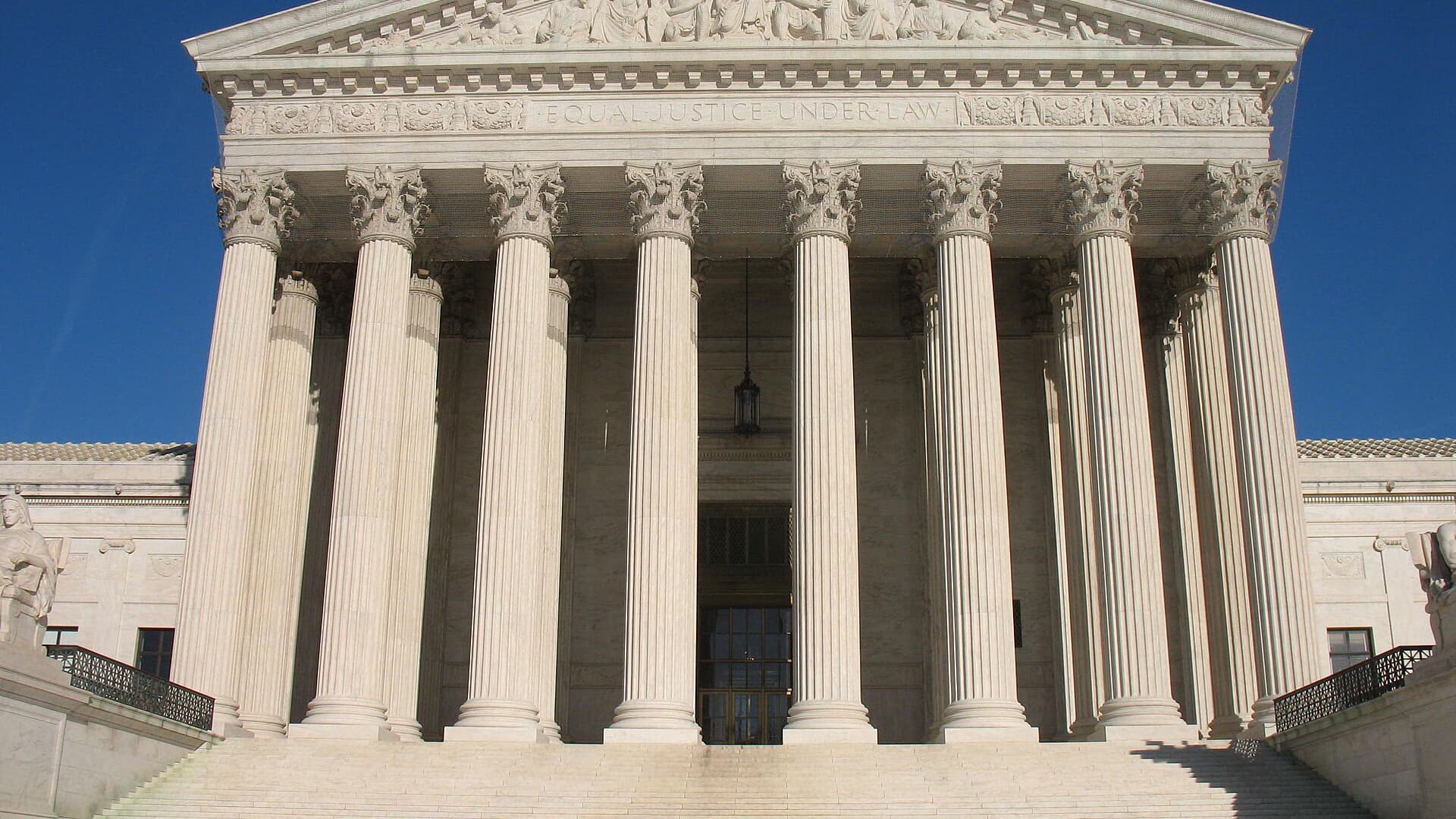
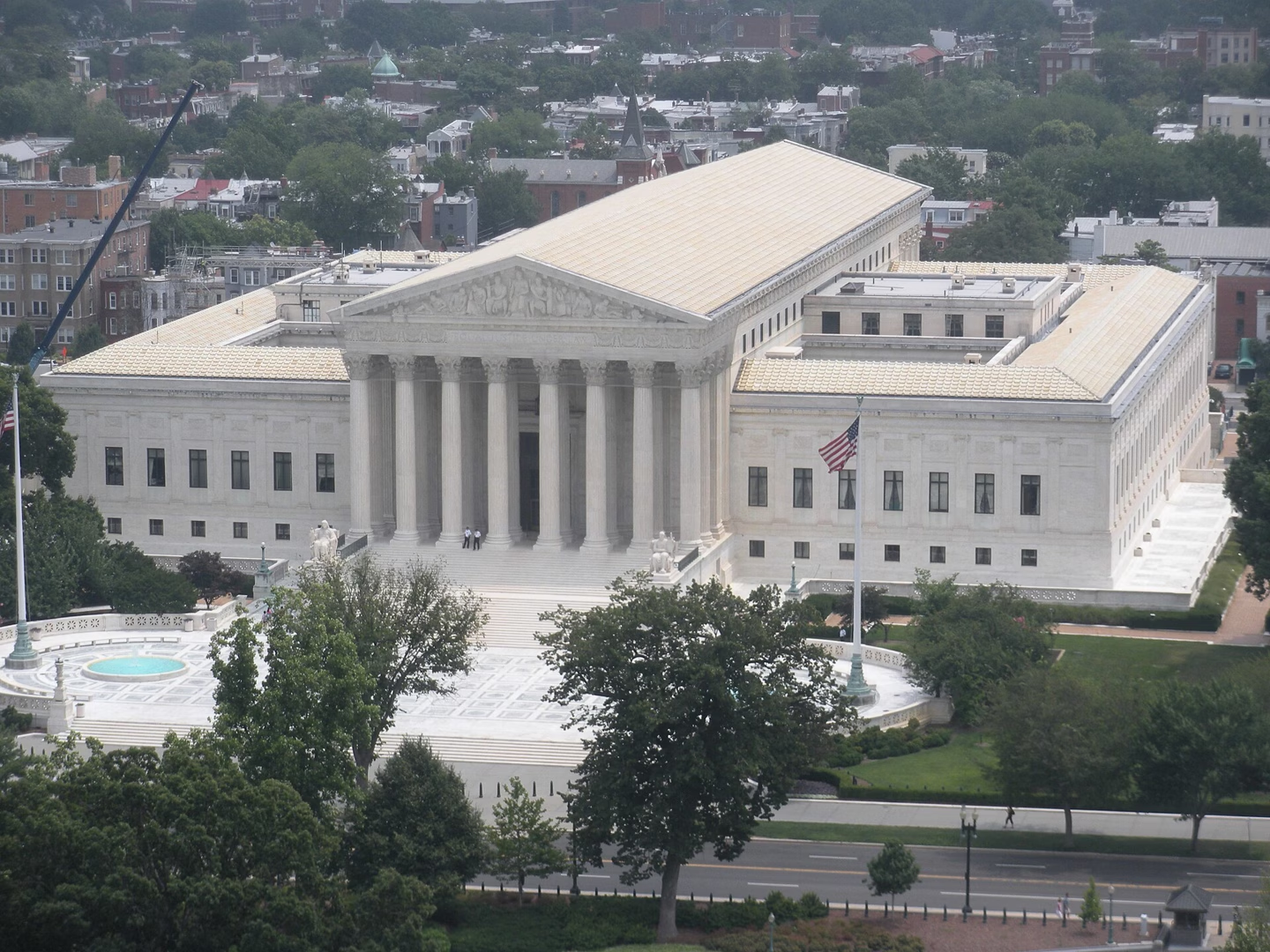
The U.S. Supreme Court is set to hear arguments on Nov. 30 in a case that will decide whether immigrants who were once granted asylum, but later had it taken away, can still apply to become lawful permanent residents. The case, Wassily v. Blanche (No. 25-842), turns on a single provision of federal immigration law, 8 U.S.C. § 1159(b), which allows asylees to adjust their status to obtain a green card.
The petitioners, Tamer Wassily and Byron Velásquez Arreaga, were both granted asylum in the United States. After they were convicted of crimes, immigration judges found the offenses amounted to "particularly serious" crimes and terminated their asylee status, in 2008 and 2019. Their lawyers argue that the law only requires that a person was "granted asylum" and contains no "additional, continuing asylum status requirement."
Government: only current asylees qualify
The administration, through the solicitor general, argues the provision "authorizes adjustment of status only for an alien who currently has asylum status," and that Congress meant termination of asylum to bar a green card. The 2nd U.S. Circuit Court of Appeals, siding with most appeals courts that have considered the question, ruled that only noncitizens with current asylum status are eligible, but the circuits have not been unanimous, which is why the justices took up the case.
Immigration lawyers note the question is narrow: it does not affect asylees whose status remains intact. But a ruling for the government would close a path to permanent residence for people whose asylum has been terminated, at a time when the administration is tightening asylum rules. The court separately agreed on Nov. 13 to review the administration's policy restricting asylum at the southern border. A decision in Wassily is expected by the end of the court's term next summer.
Photos: Wikimedia Commons (Kjetil Ree, CC BY-SA 3.0; Philosophicalswag, CC BY-SA 3.0).
Stay Updated with Ally Daily
Subscribe to be informed about special news, developments and announcements. We will keep you informed.
By signing up, you agree to our Privacy Policy