- BIST10011,908+0.55%
- USD50.28+0.05%
- EUR55.60-0.24%
- GOLD3,872.60-0.35%
- INTEREST36.00%-1.00
- BITCOIN64,570-1.14%
- November 16, 20262°
- BIST10011,908+0.55%
- USD50.28+0.05%
- EUR55.60-0.24%
- GOLD3,872.60-0.35%
- INTEREST36.00%-1.00
- BITCOIN64,570-1.14%
- November 16, 20262°
Supreme Court agrees to decide legality of Trump's asylum ban at the border
The U.S. Supreme Court on Friday took up the Trump administration's appeal to restore its sweeping ban on asylum claims at the U.S.-Mexico border. Arguments are expected in the coming months, with a ruling due by the end of June.
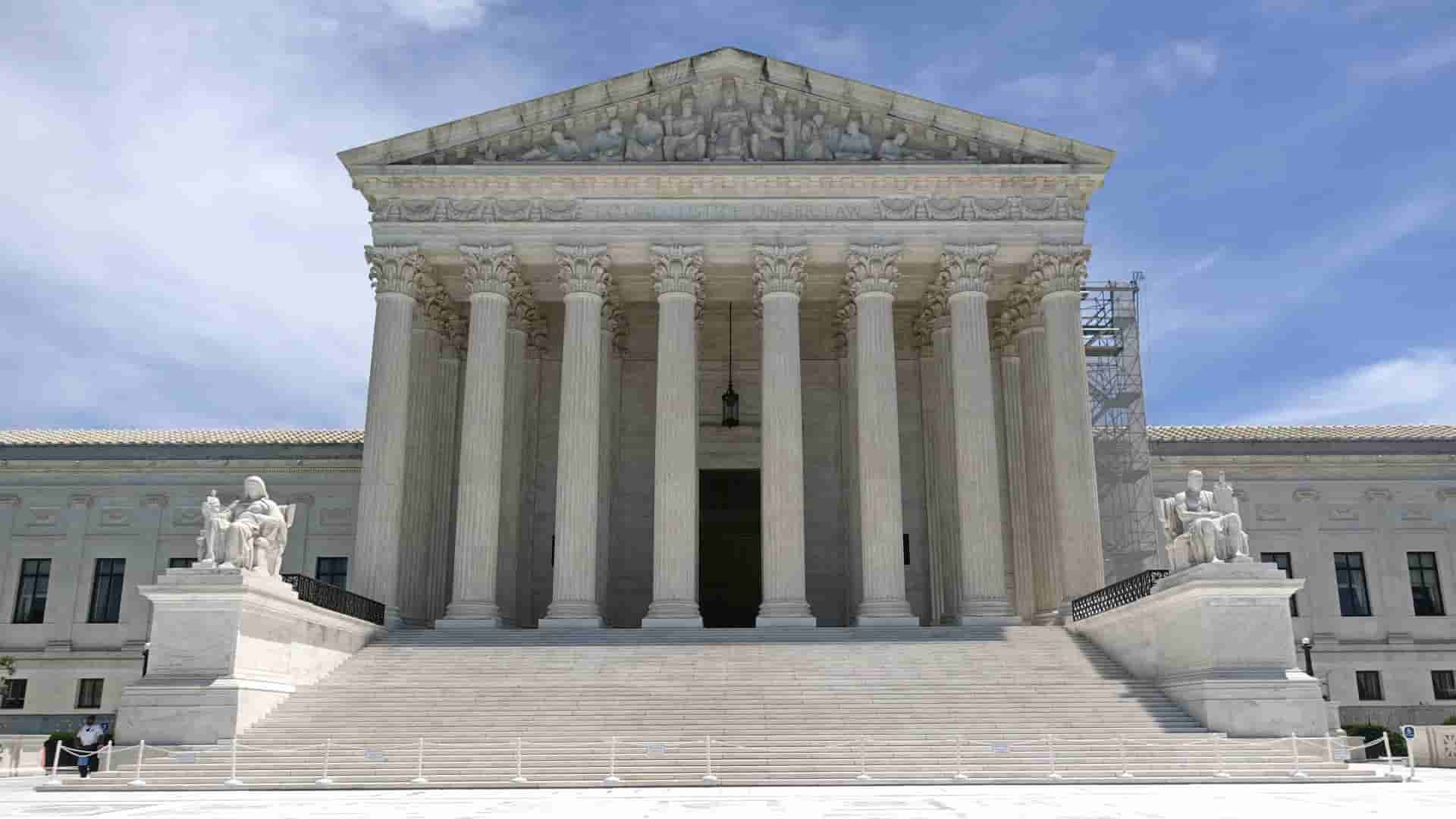
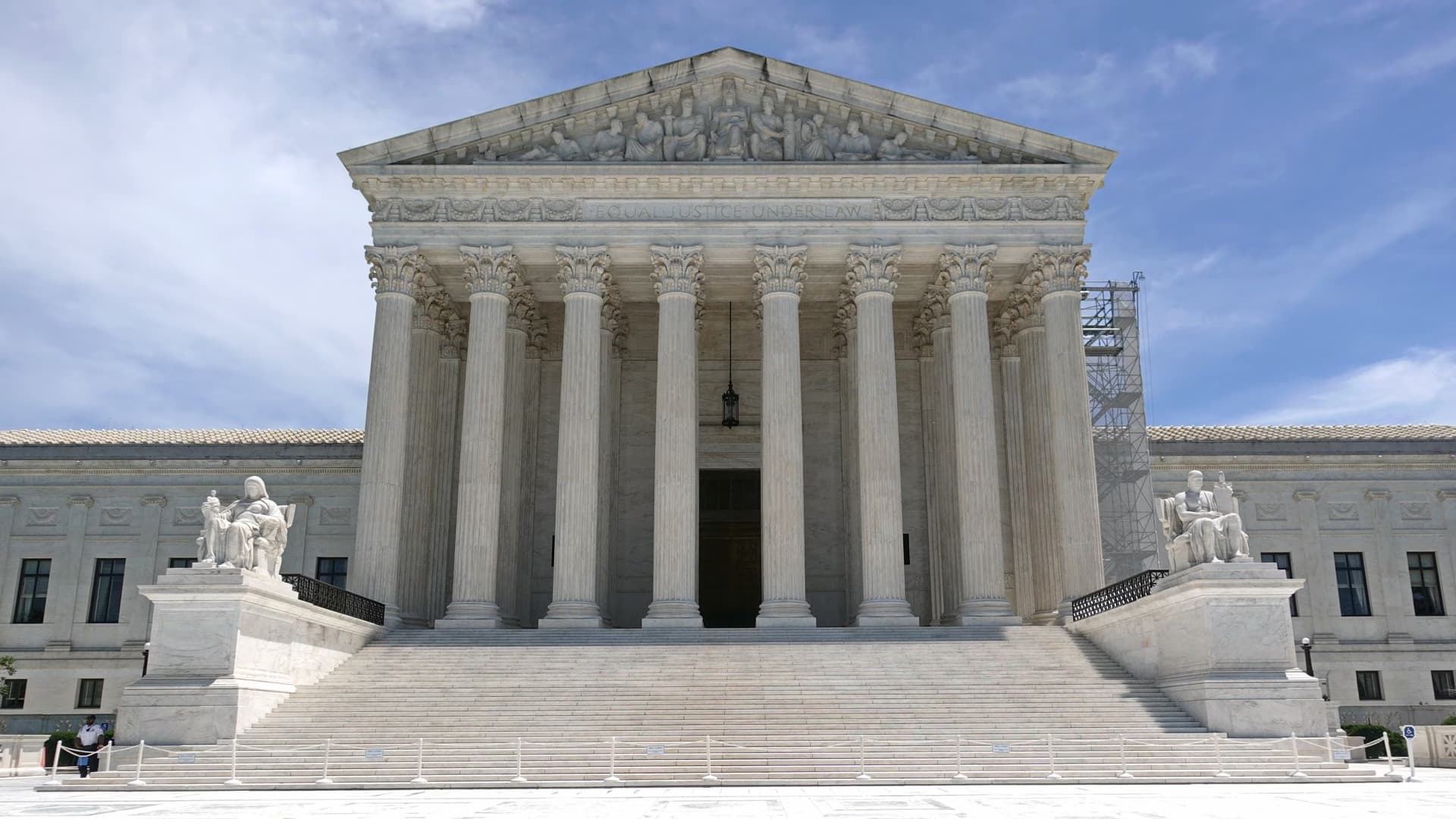
The U.S. Supreme Court agreed on Friday to decide whether President Donald Trump can deny migrants who cross the southern border illegally the chance to seek asylum, setting up one of the biggest legal tests yet of his immigration crackdown.
The justices took up the administration's appeal of a ruling by the U.S. Court of Appeals for the District of Columbia Circuit, which found that Trump had exceeded his authority. The court is expected to hear arguments in the coming months and rule by the end of June, Reuters reported. The case is Mullin v. Refugee and Immigrant Center for Education and Legal Services.
A Day One proclamation
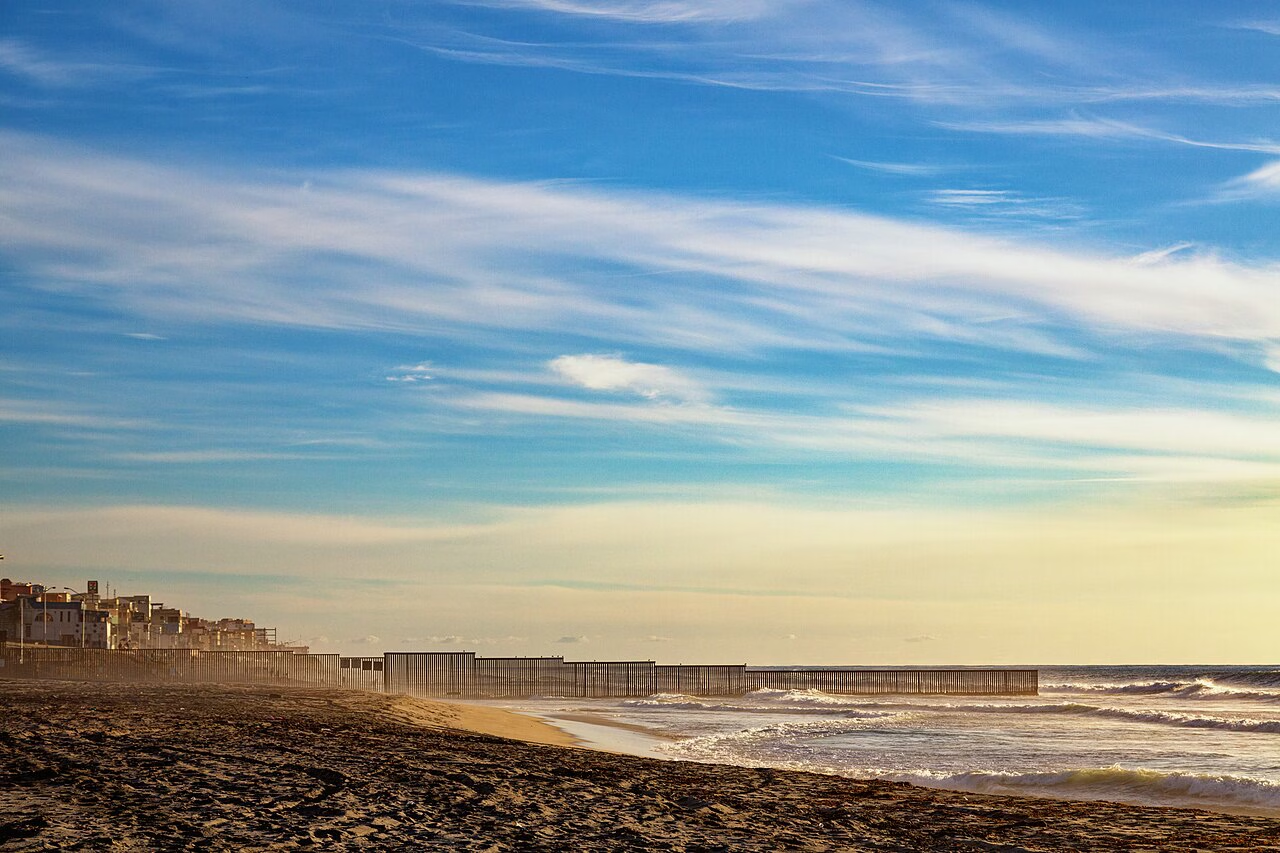
Trump announced the restrictions within hours of starting his second term on Jan. 20, 2025, describing the influx of migrants as an "invasion." Under the policy, migrants caught crossing the southern border illegally are barred from pursuing asylum claims. The ban also covers people who arrive at official ports of entry without certain medical or criminal history information, a requirement advocates say is often impossible to meet for people fleeing violence.
The proclamation says the policy will stay in effect until the president determines that the "invasion at the southern border" has ended. It remains in place while the lawsuit plays out, Roll Call reported.
What the justices will weigh
Immigrant rights groups, including the American Civil Liberties Union, filed a class action on behalf of asylum seekers who say they were denied a "credible fear" interview before facing deportation. A federal judge in Washington ruled in their favor in July 2025. In April, a three-judge D.C. Circuit panel upheld that ruling, holding that while federal law gives the president discretion over asylum, he cannot deny claims categorically. The appeals court largely kept its decision on hold so the administration could turn to the Supreme Court.
In its petition, the administration argued that the president has broad authority over asylum. "The proclamation thus lawfully suspends access to asylum, which is a purely discretionary benefit," the government wrote, according to Roll Call. The challengers countered that the president "may not invent by fiat a new removal system that eviscerates the protections Congress mandated by statute."
The justices also agreed to consider whether the lower-court judge could issue an order covering all asylum seekers rather than only those who brought the suit.
A court that has often sided with Trump
The Supreme Court, which has a 6-3 conservative majority, has largely deferred to Trump in immigration fights during his second term. In June it backed the federal government's authority to turn away asylum seekers when officials deem border crossings too overburdened, and in September it let the administration resume deporting migrants to countries other than their own. Arguments over the legality of that third-country policy are scheduled for Dec. 9.
Photos: Wikimedia Commons
Stay Updated with Ally Daily
Subscribe to be informed about special news, developments and announcements. We will keep you informed.
By signing up, you agree to our Privacy Policy