The immigration court in Chicago has become the court with the highest deportation order rate in the US under President Donald Trump's immigration policies. According to a Chicago Tribune analysis based on Justice Department data, the court, which covers Illinois and Wisconsin, issued deportation orders for approximately 7,100 people last month. That figure is seven times the average monthly deportation orders during President Joe Biden's last year in office.
The Justice Department stated it has made reducing the nationwide backlog of over 3 million cases a priority. The department said, 'We are restoring the integrity of our immigration system by handling cases fairly, quickly, and consistently.' However, immigrant rights advocates and lawyers question whether this rapid process aligns with due process principles.
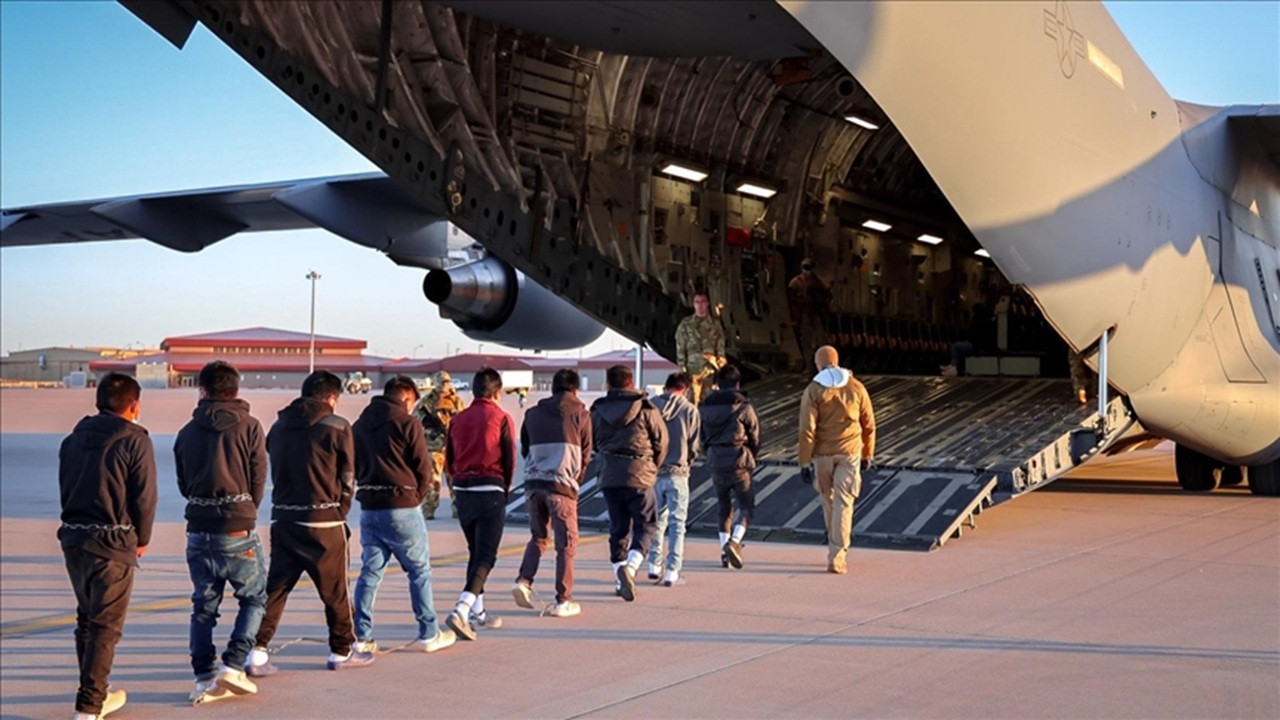
Mass hearings and in absentia orders
The Chicago court has become one of the pioneers of mass hearings conducted in large groups. Observers reported that courtrooms were so packed that people had to stand in two rows all the way to the interpreter's desk. Volunteer observer Claire Kirwan said, 'I haven't seen an empty spot along the wall in a long time.'
These hearings are typically held for Spanish-speaking immigrants without lawyers. The judge addresses the entire courtroom, asking those who want time to hire a lawyer or who do not understand instructions to raise their hands. Those who fail to appear are automatically given in absentia deportation orders. Kirwan said she witnessed in absentia orders being issued for 80 to 100 people in a single hearing.
Remote judges and a record number of orders
In the Trump administration's first year, it was reported that many judges at immigration courts were fired or resigned and replaced by new appointees. Last month, three of the 23 judges handling Chicago cases presided over hearings remotely from an immigration court in Maryland. Almost all of these judges issued deportation orders in at least 90 percent of their cases.
On a busy day, the court issued a total of 551 deportation orders in an eight-hour workday. That means a new deportation order every 52 seconds. Even on the busiest days during Biden's term, the number stayed below 100.
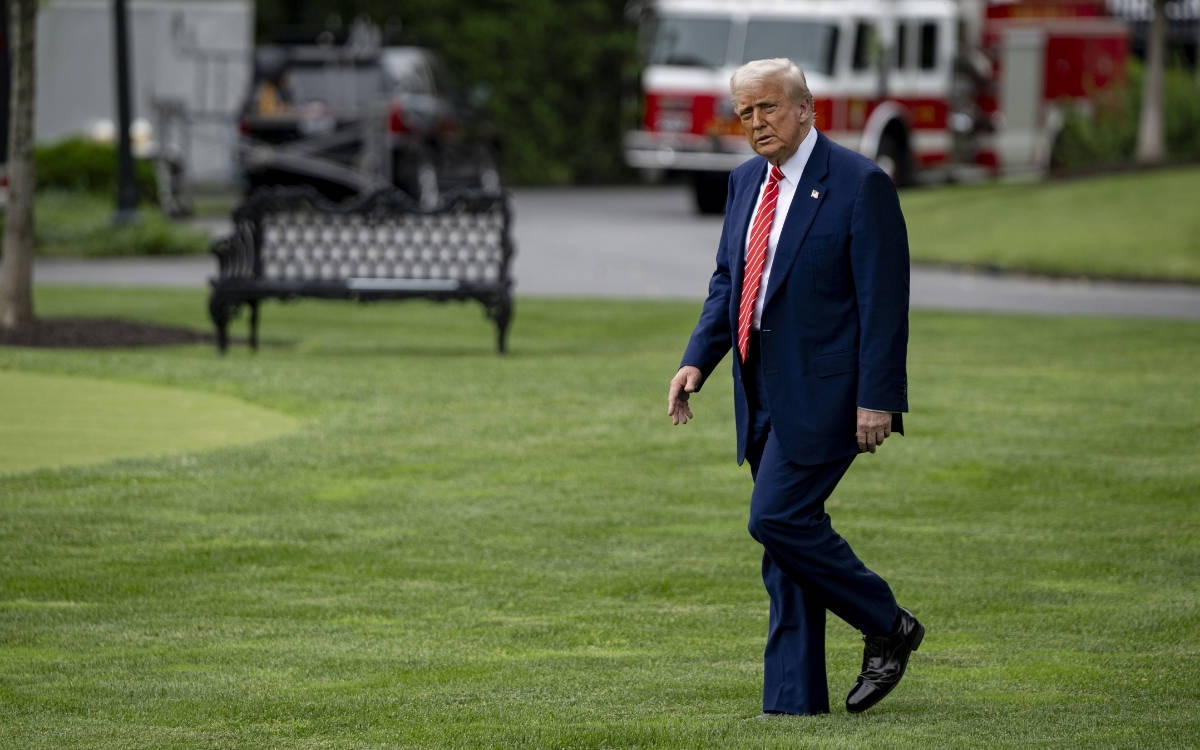
Criticism of the 'deportation factory'
Stephanie Spiro, Deputy Director of Defense and Assistance at the National Immigrant Justice Center, said that what is happening in Chicago reflects efforts to turn the nationwide system into a 'deportation factory.' Lawyers say hearing dates are set only six months or a year ahead, not several years, and the deadline to submit evidence is limited to as little as 20 days.
Attorney Julia Sverdloff stressed the confusing nature of the process, saying, 'You come without a lawyer, with 200 people. There are 12 different courtrooms, you don't know where to go, and you don't understand what to do with the papers you are given.' Activists also note that many immigrants are afraid to attend hearings because federal agents have previously raided some courthouses and detained those who showed up.