- BIST10010,656-4.04%
- USD50.63+0.05%
- EUR55.32-0.44%
- GOLD3,462.00-3.59%
- INTEREST36.00%-1.00
- BITCOIN58,258-2.49%
- November 25, 20265°
- BIST10010,656-4.04%
- USD50.63+0.05%
- EUR55.32-0.44%
- GOLD3,462.00-3.59%
- INTEREST36.00%-1.00
- BITCOIN58,258-2.49%
- November 25, 20265°
China flies first foreign astronaut to Tiangong as U.S.-led ISS nears retirement
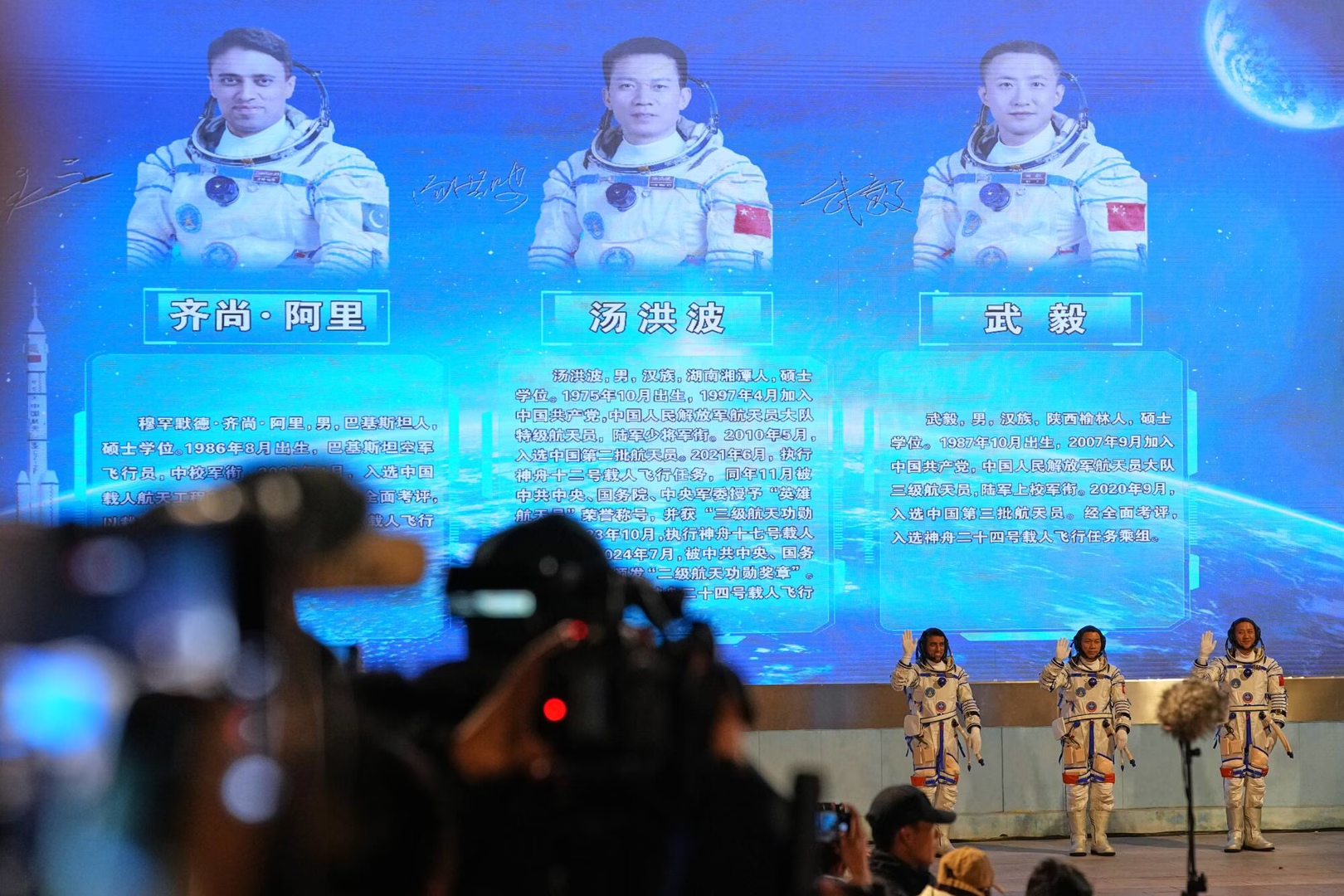
China launched its Shenzhou-24 mission on Wednesday carrying a Pakistani air force pilot, the first foreigner to board its Tiangong space station, as Beijing positions its outpost as an alternative to the U.S.-led International Space Station, which is set to retire in 2030.
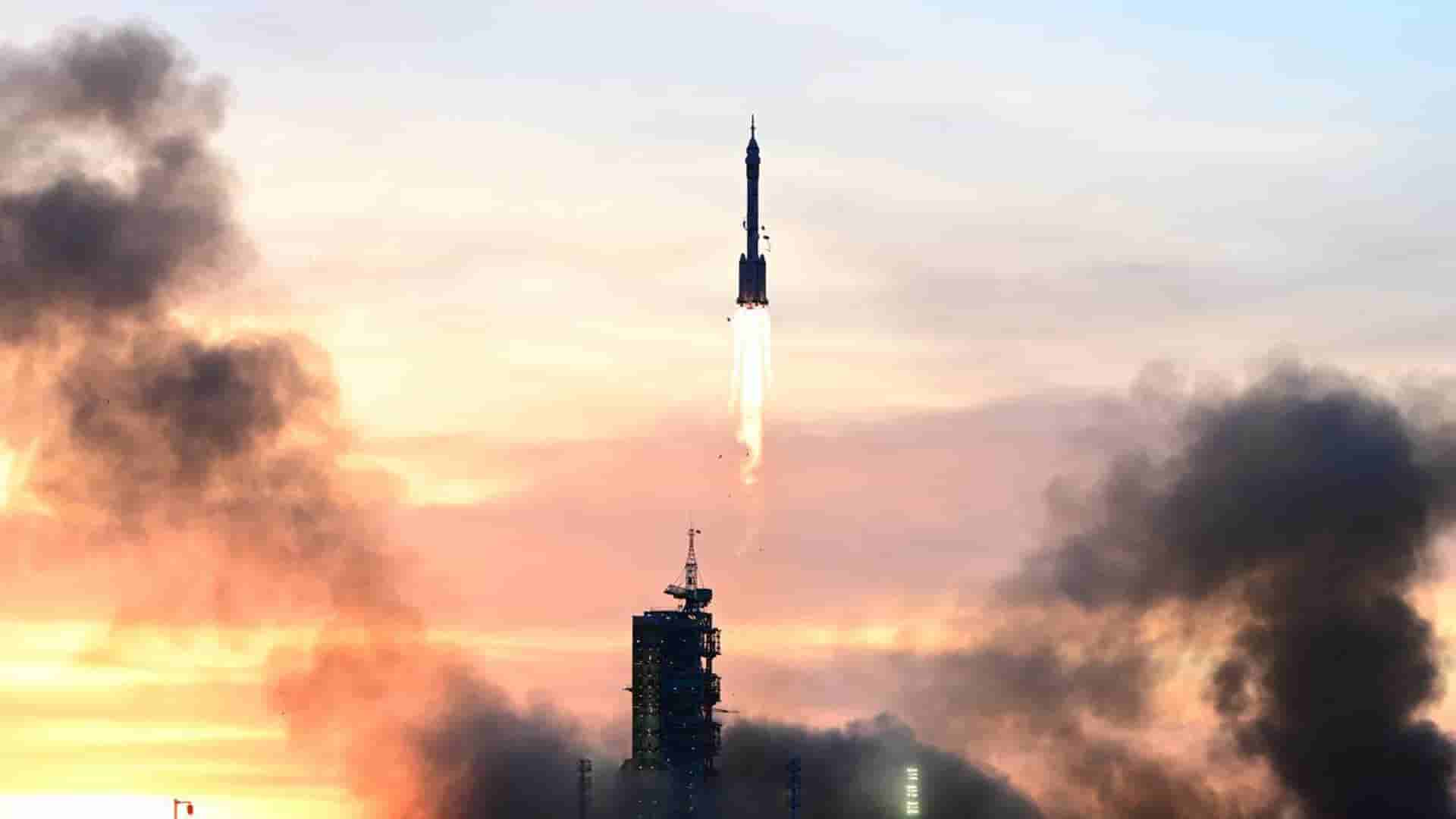
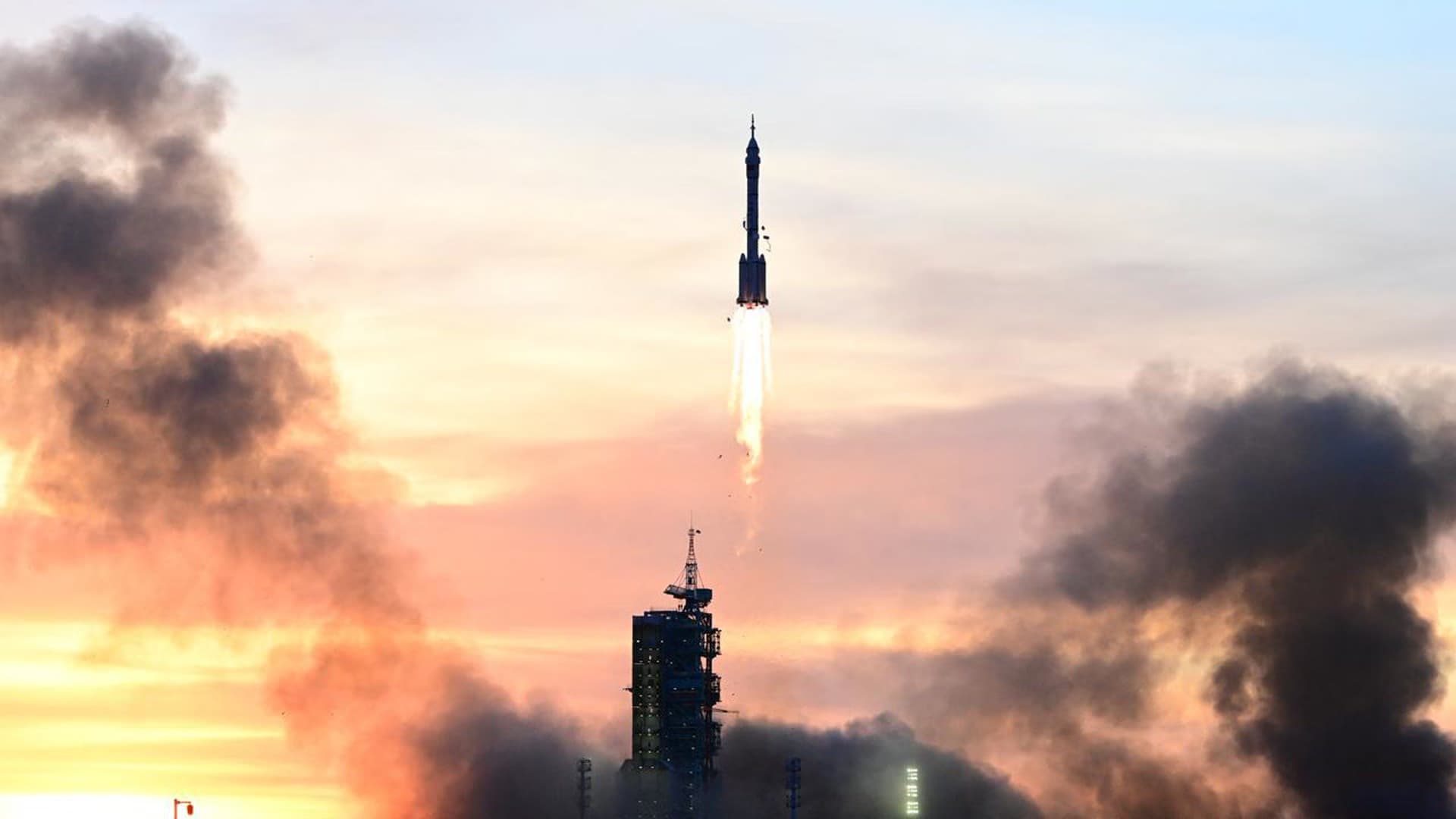
China on Wednesday launched its Shenzhou-24 spacecraft carrying a Pakistani astronaut, making him the first foreigner to fly to its Tiangong space station as Beijing expands its space partnerships while the U.S.-led International Space Station heads toward retirement.
A Long March-2F rocket lifted off from the Jiuquan Satellite Launch Center in northwestern China carrying mission commander Tang Hongbo, flight engineer Wu Yi and Pakistani payload specialist Muhammad Zeeshan Ali. The spacecraft docked with Tiangong about three and a half hours later, and the crew entered the station's Tianhe core module at 2:35 p.m. Beijing time.
A first for China's space station
Ali, a 40-year-old Pakistan Air Force pilot who trained for seven months in Beijing, including intensive Chinese-language classes, is the first Pakistani to reach orbit. "My childhood dream has come true," he said in Chinese after floating into the station. "Chinese space station, here I am!" He will run experiments including growing microalgae as a potential food source and testing how spaceflight affects quinoa seeds.
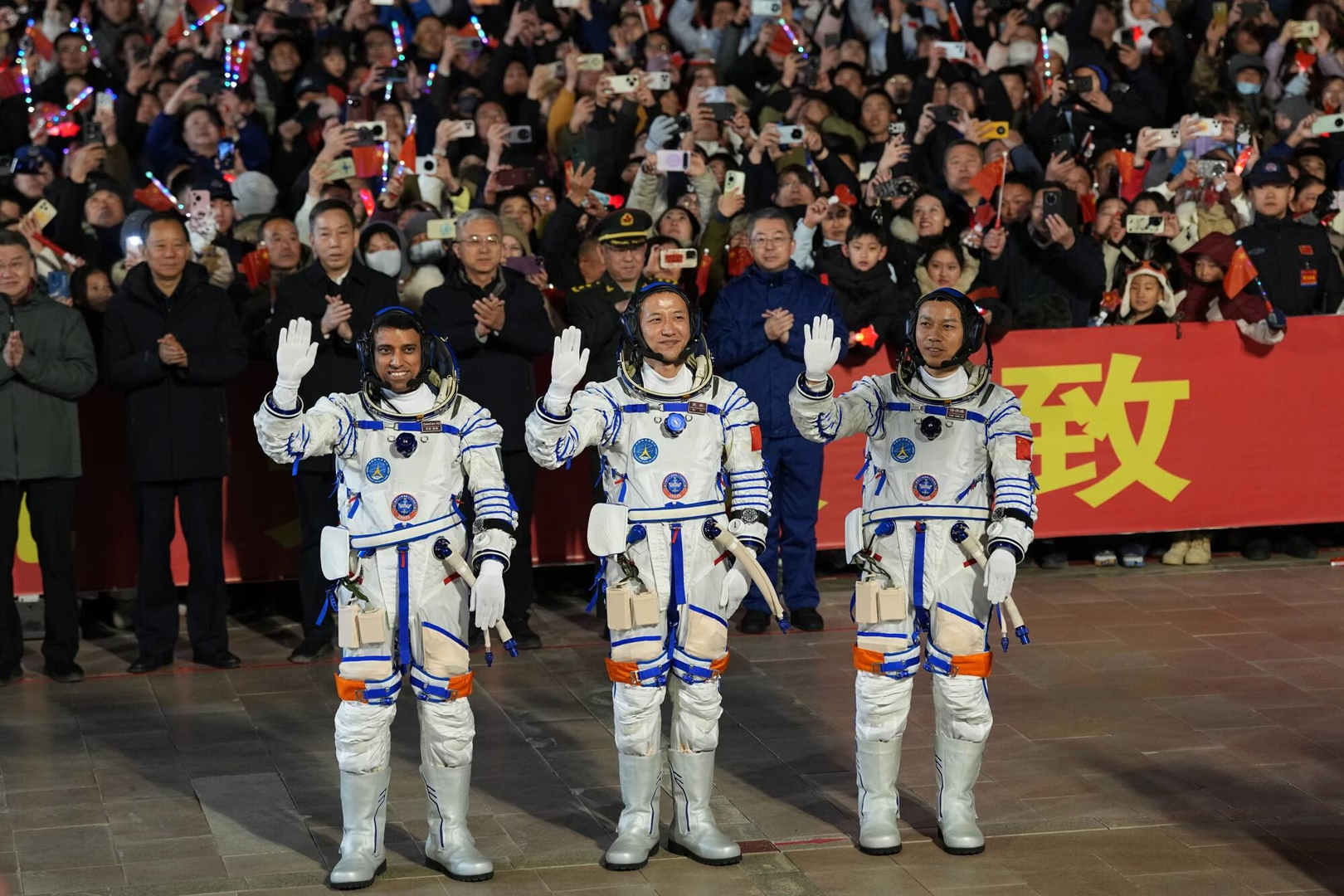
Xi: China ready to work with "all countries"
Chinese President Xi Jinping, in a letter to Pakistani President Asif Ali Zardari, said Beijing was "willing to work with all countries, including Pakistan, to uphold the banner of the peaceful use of outer space." Zardari called the mission a "landmark" achievement.
What it means for the U.S.
The mission comes as NASA prepares to retire the International Space Station, which it says will cease operations from 2030 after more than three decades in orbit. That could leave Tiangong, completed in 2022, as the only permanently crewed outpost unless U.S. commercial stations come online in time. NASA is barred by the 2011 Wolf Amendment from cooperating bilaterally with China's space program without congressional approval.
"Sending another country's astronaut to space is a major undertaking," Blaine Curcio, managing director at Orbital Gateway Consulting, told The Guardian, adding that the mission "makes it clear to other countries that China is open to this type of collaboration." Beijing and Washington are also racing to return astronauts to the moon, with China aiming for a crewed lunar landing by 2030.