- BIST10010,666-3.94%
- USD50.63+0.05%
- EUR55.32-0.44%
- GOLD3,498.50-2.58%
- INTEREST36.00%-1.00
- BITCOIN57,885-3.11%
- November 25, 20264°
- BIST10010,666-3.94%
- USD50.63+0.05%
- EUR55.32-0.44%
- GOLD3,498.50-2.58%
- INTEREST36.00%-1.00
- BITCOIN57,885-3.11%
- November 25, 20264°
Trump proposes new tariffs on 14 trading partners, including 20% on China
The Trump administration on Wednesday proposed new tariffs of up to 20% on China, the European Union and 12 other major U.S. trading partners over what it calls excess manufacturing capacity, with the duties likely to take effect in January at the earliest.
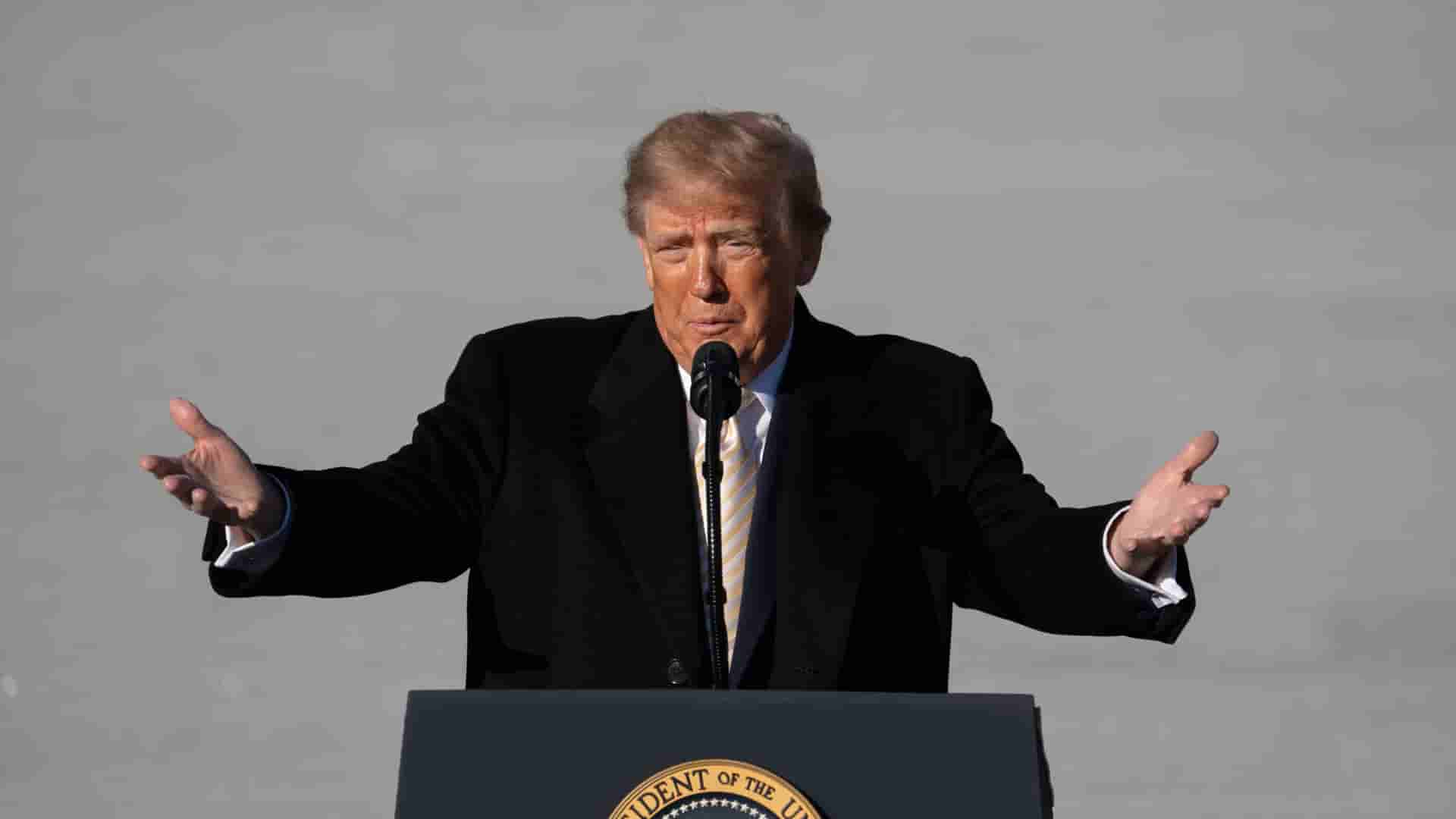
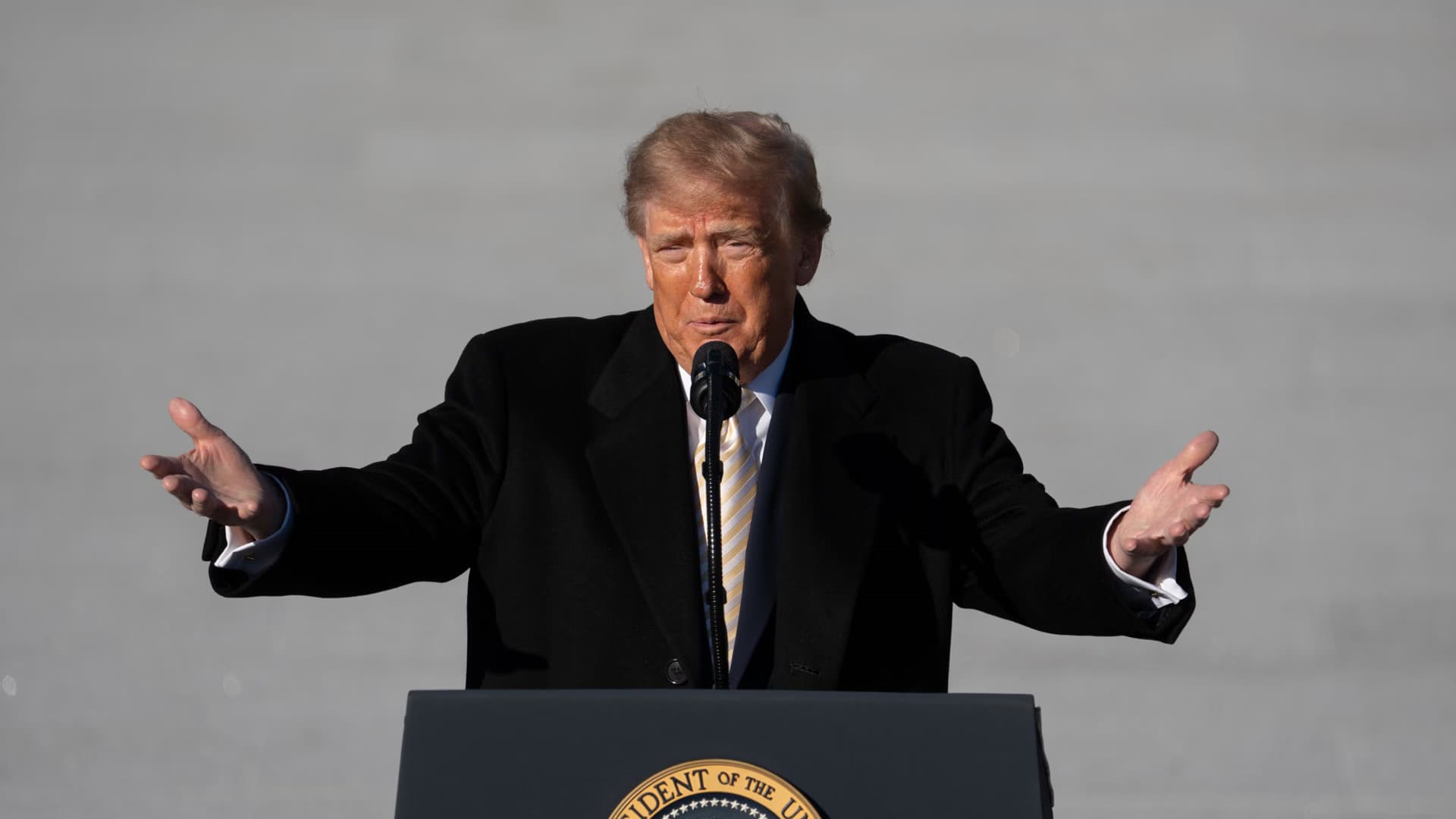
The Trump administration on Wednesday proposed new tariffs on 14 major U.S. trading partners, including a 20% levy on many Chinese goods, in its biggest trade move since the Supreme Court struck down President Donald Trump's sweeping global tariffs in February.
The duties, which follow an eight-month investigation by U.S. Trade Representative Jamieson Greer under Section 301 of the Trade Act of 1974, target Bangladesh, Cambodia, China, the European Union, India, Indonesia, Japan, South Korea, Malaysia, Singapore, Switzerland, Taiwan, Thailand and Vietnam. Administration officials say those economies subsidize domestic industries beyond market demand, flooding global markets with cheap goods that undercut American producers.
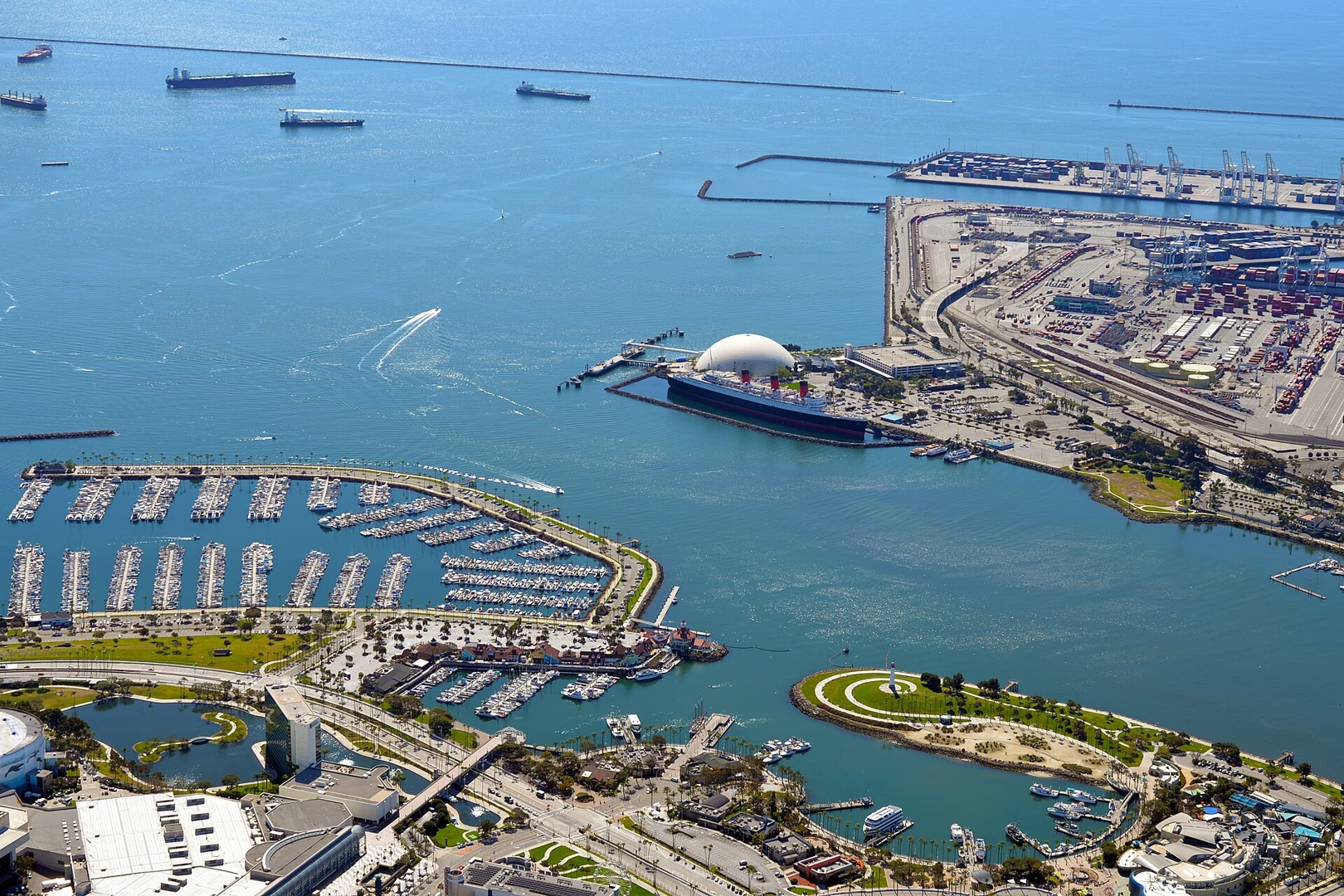
China and Vietnam face the highest rates
China faces the steepest proposed rate of 20%, described by the administration as a "deal rate" that could rise depending on ongoing talks. The new duty would be stacked on top of some existing tariffs, pushing the total rate above 40% on certain goods. A U.S. official said the investigation found a 40% tariff on China and a 35% rate on Vietnam to be "warranted."
Vietnam is also in line for a 20% tariff, while Cambodia, Indonesia and Malaysia face 18% and India 17%, the latter only if ongoing negotiations produce a deal. Allies that recently signed trade agreements with Washington, including the European Union, Japan and South Korea, would see rates of 15%, in line with the caps in those deals.
The proposal excludes semiconductors, automobiles, steel and aluminum, which fall under separate tariff authorities, as well as certain energy and food products. Norway and Mexico were also investigated, and those findings are still under review. Beijing has rejected the overcapacity accusations as a "false issue."
Coming weeks after Republican midterm losses
The tariffs will not take effect until after public hearings and a comment period, "probably in January at the earliest," according to a U.S. official. An existing trade truce with China is set to expire on Jan. 10.
The announcement comes three weeks after Democrats won control of both chambers of Congress in the midterm elections, in part by campaigning on cost-of-living pressures worsened by tariffs. Lawmakers could try to curb the president's trade powers, but any such bill would face an all-but-certain veto from Trump.