- BIST10011,909+0.56%
- USD50.28+0.05%
- EUR55.60-0.24%
- GOLD3,866.00-0.52%
- INTEREST36.00%-1.00
- BITCOIN64,461-1.31%
- November 16, 20262°
- BIST10011,909+0.56%
- USD50.28+0.05%
- EUR55.60-0.24%
- GOLD3,866.00-0.52%
- INTEREST36.00%-1.00
- BITCOIN64,461-1.31%
- November 16, 20262°
Cuba says it is preparing to repel any attack after Trump's 'get Cuba done' remark
President Miguel Díaz-Canel told defense officials in Havana that Cuba will reject any foreign military aggression, a day after President Trump said he would consider a short military campaign. Without naming Trump, he accused U.S. politicians of encouraging an attack on the island.
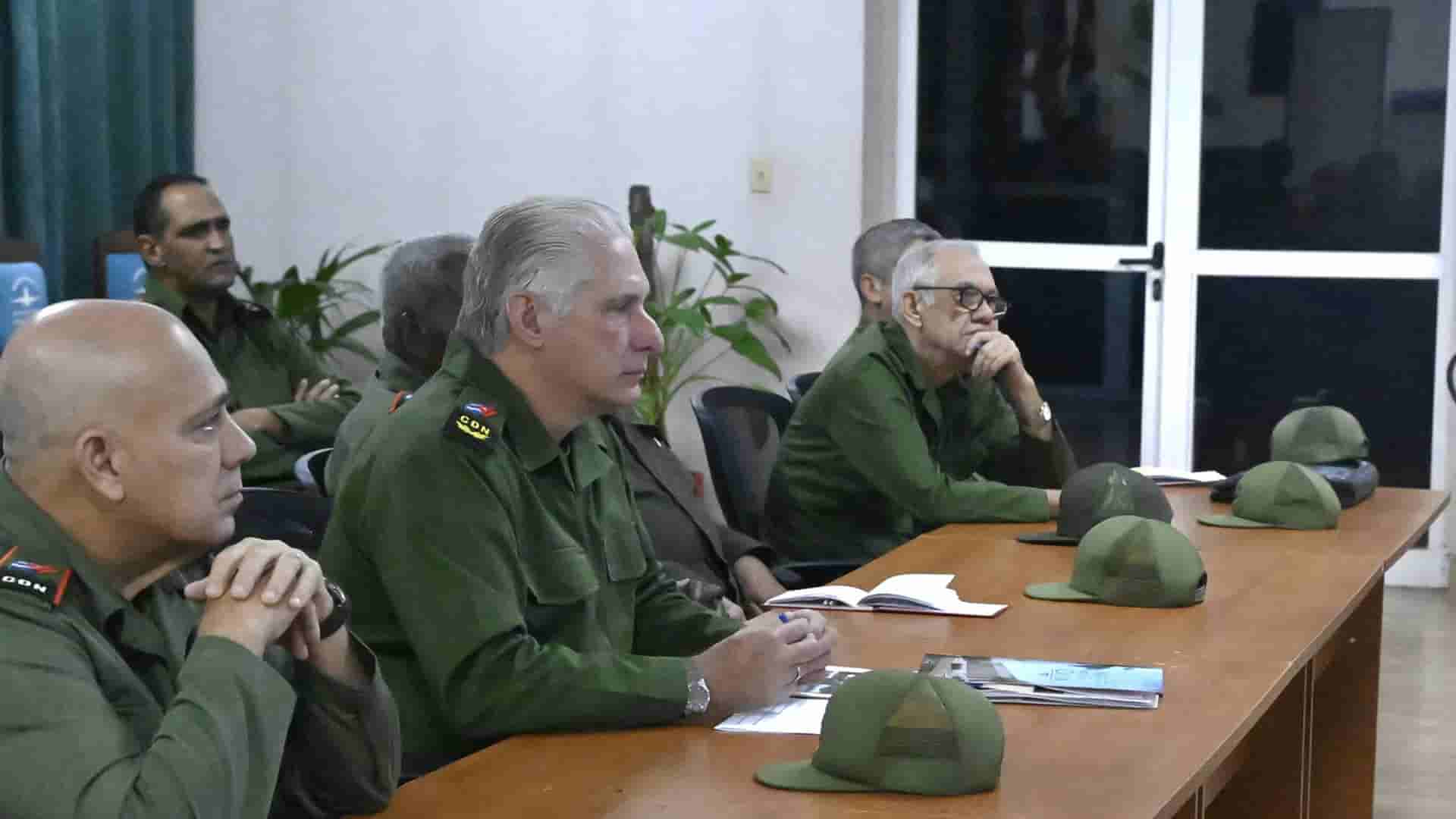
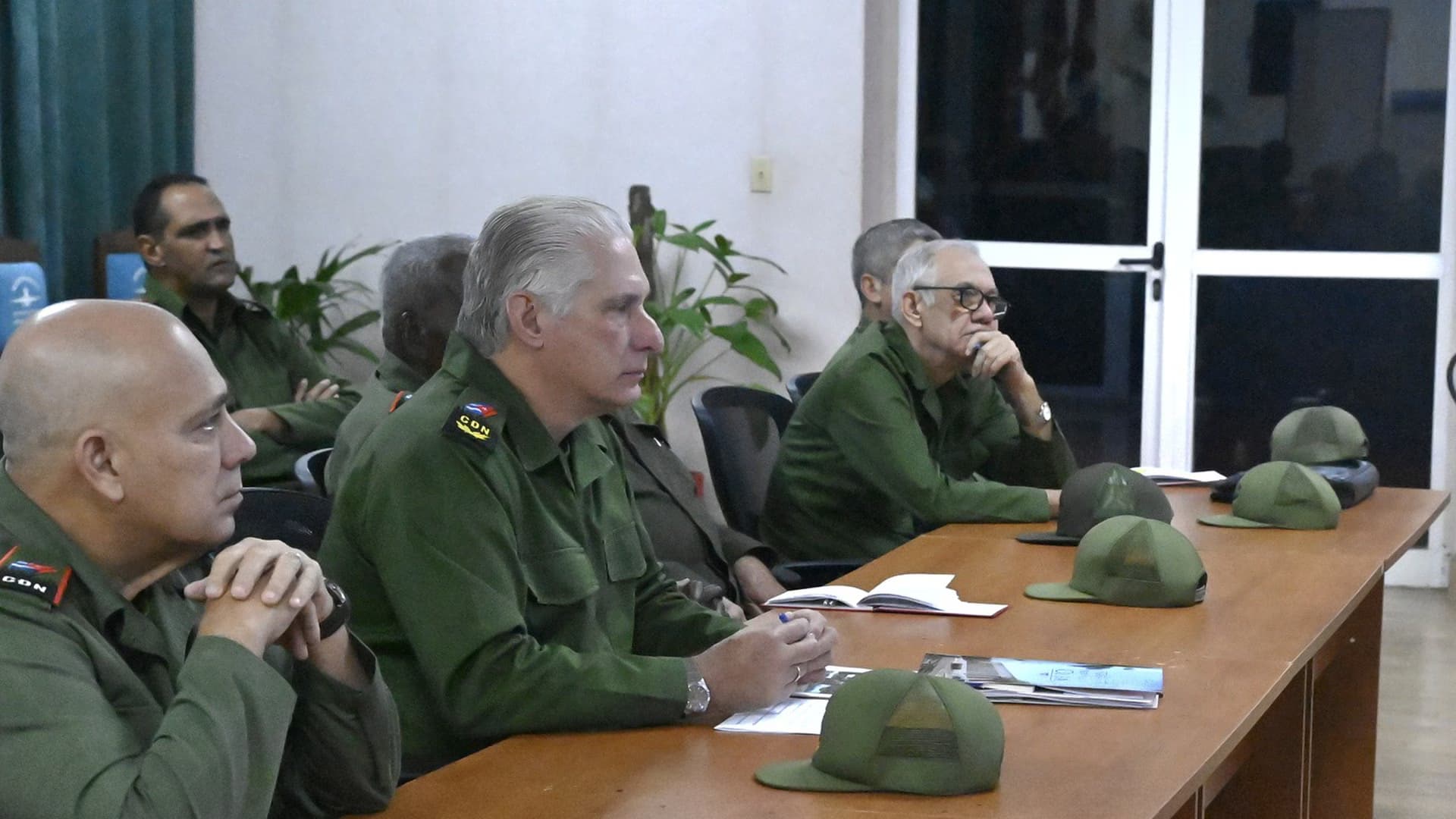
Cuban President Miguel Díaz-Canel said Friday that Havana is preparing to repel any foreign military attack, a day after President Donald Trump said he would "certainly consider" a short military campaign against the island.
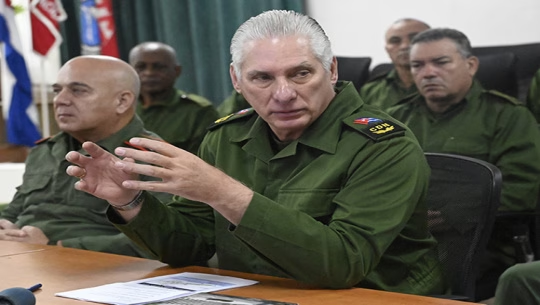
"We have the decision to reject any attempt at foreign military aggression against our country, and we are preparing for that," Díaz-Canel said at a National Defense Day session in Boyeros, a municipality on the southern edge of Havana, according to the Cuban presidency's account. He did not name Trump, but denounced repeated statements by U.S. spokespeople and politicians "encouraging and reaffirming the purpose of military aggression against our country."
'I want to get Cuba done'
The remarks followed a Thursday interview in which radio host Hugh Hewitt asked Trump whether he would consider military intervention to "free" Cuba. "I want to get Cuba done before I leave," Trump said, according to dpa. "We're watching it very closely. It's doing very poorly. It's essentially a failed place, nation, whatever you want to call it." Asked whether he would accept "a little bit of military force" in "a week campaign," he replied: "I would certainly consider that, yes."
Trump has raised the idea of military action against Cuba several times. In October, before the U.S. midterm elections, he suggested that U.S. warships returning from the Iran war could sail to Cuba and stay off its coast, saying the island's leaders would then surrender, dpa reported.
'War of All the People'
Díaz-Canel, who chairs Cuba's National Defense Council, said the U.S. rhetoric had led Havana to "activate wartime structures to work in peacetime" and to step up civilian defense training under the island's "War of All the People" doctrine. He pointed to a nationwide drill, Strategic Exercise Moncada 2026, held the previous week. Cuba has held regular military exercises since U.S. forces captured Venezuelan President Nicolás Maduro in January, and soldiers have been giving civilians basic military training.
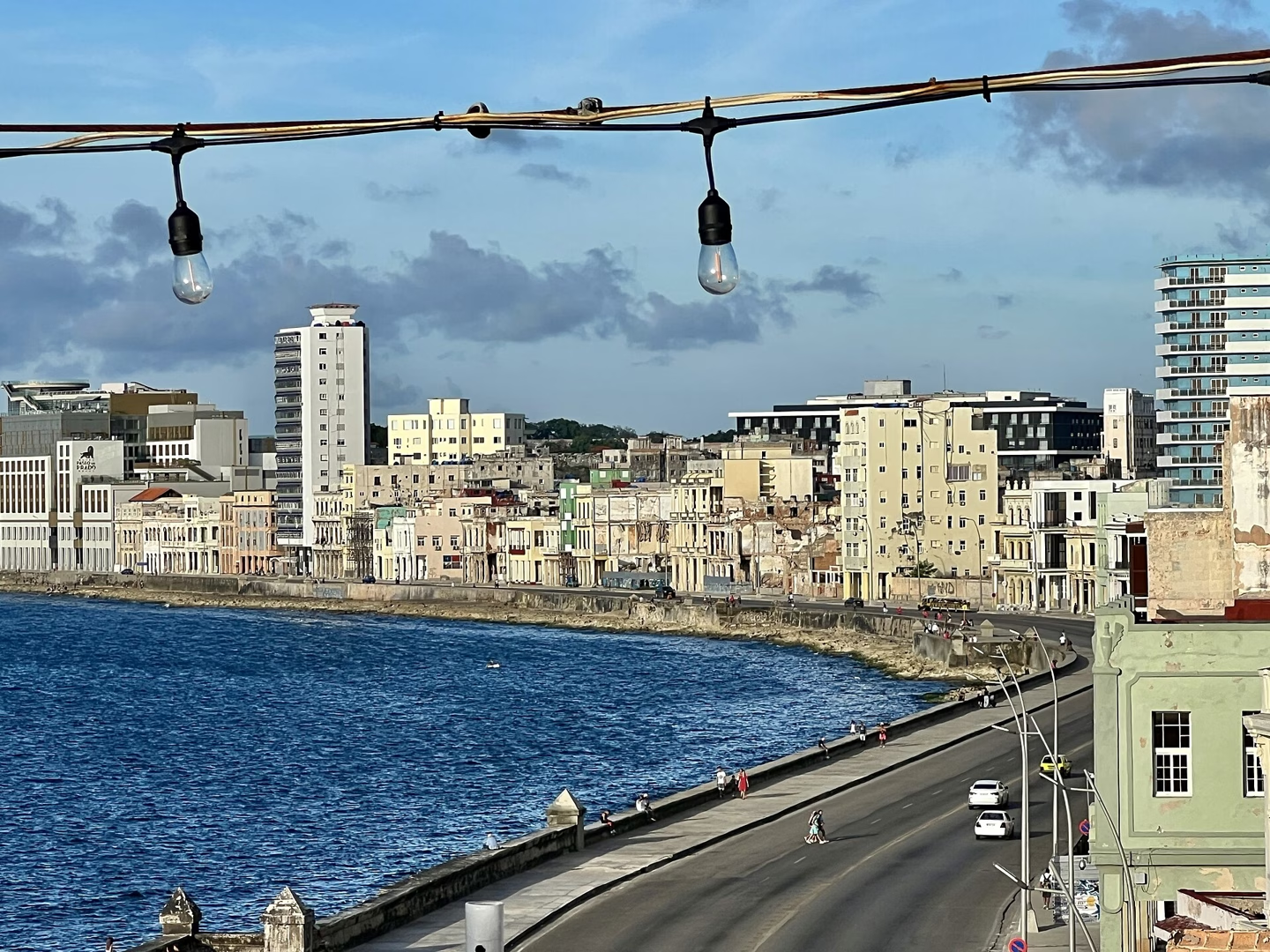
The Boyeros defense zone covers about 15 square kilometers and includes Havana's José Martí International Airport. Local officials said they had already run two exercises so residents would know what to do if an attack appeared imminent.
Díaz-Canel insisted that Cuba "does not threaten or attack any nation" and poses no threat to U.S. national security. He called on Washington to end the economic embargo, which he described as "collective punishment," citing the recent U.N. General Assembly vote against the blockade.
Cover photo: Estudios Revolución/Cuban Presidency. Photos: Radio Ciudad del Mar; Wikimedia Commons
Stay Updated with Ally Daily
Subscribe to be informed about special news, developments and announcements. We will keep you informed.
By signing up, you agree to our Privacy Policy