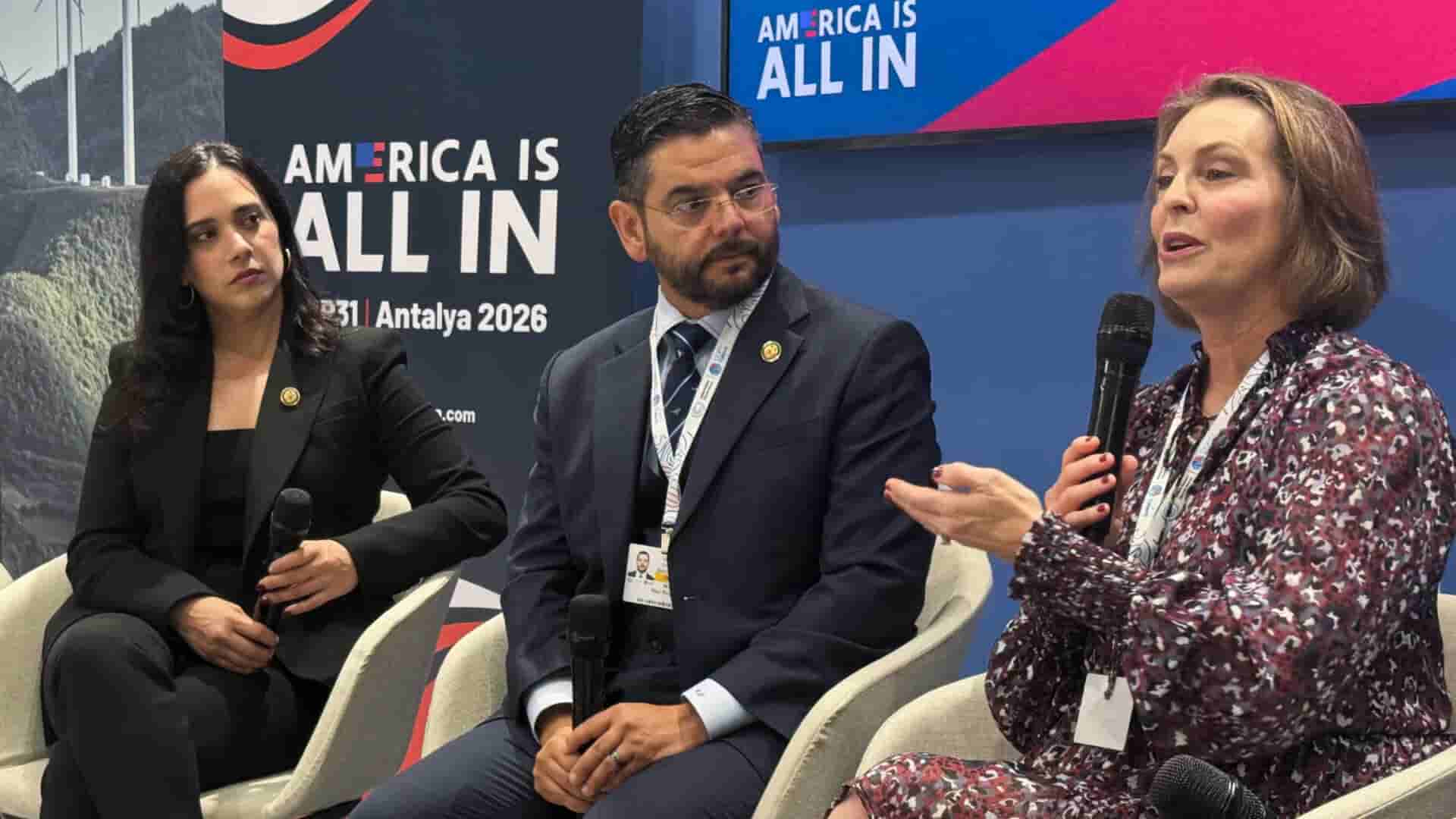
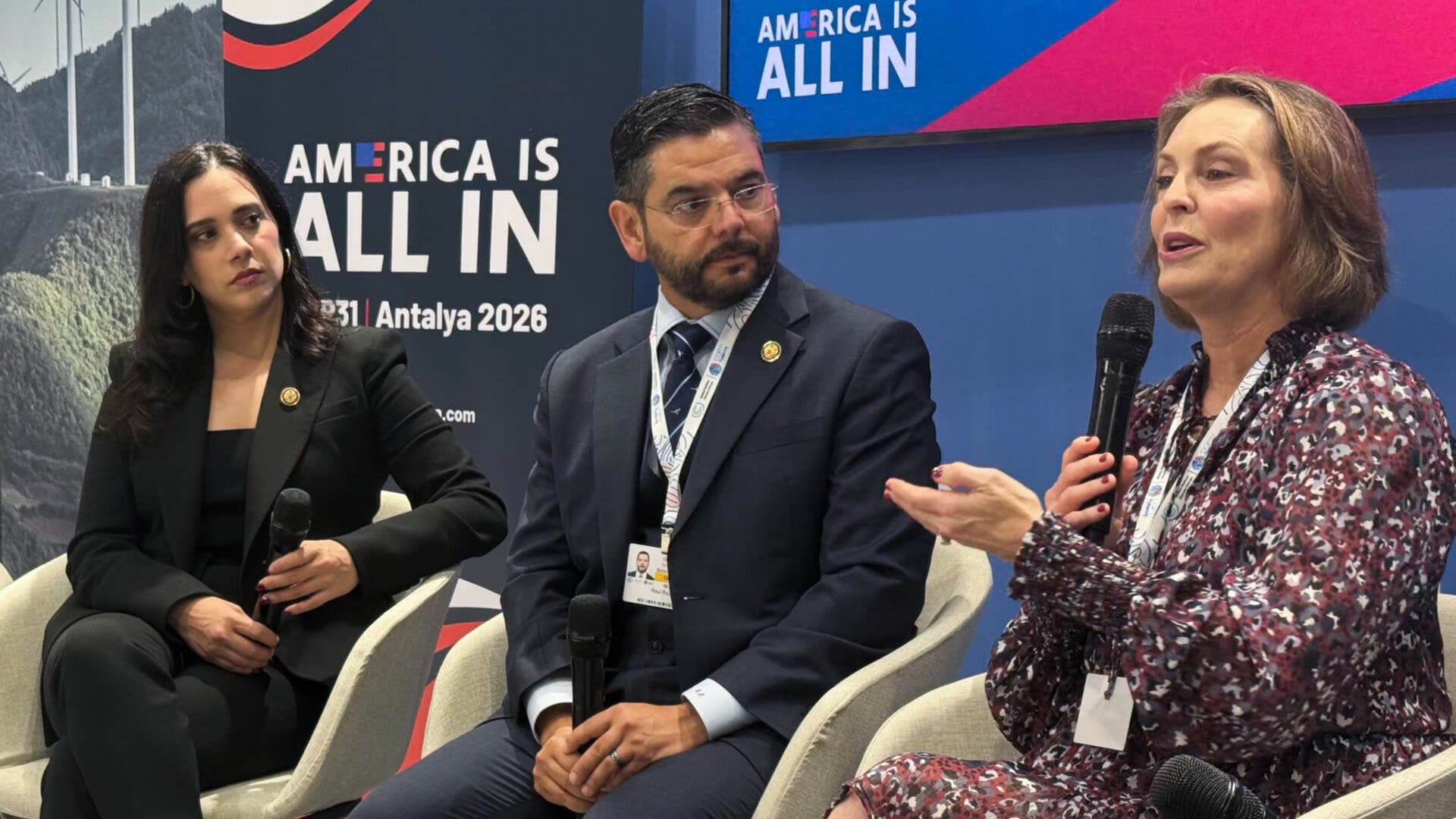
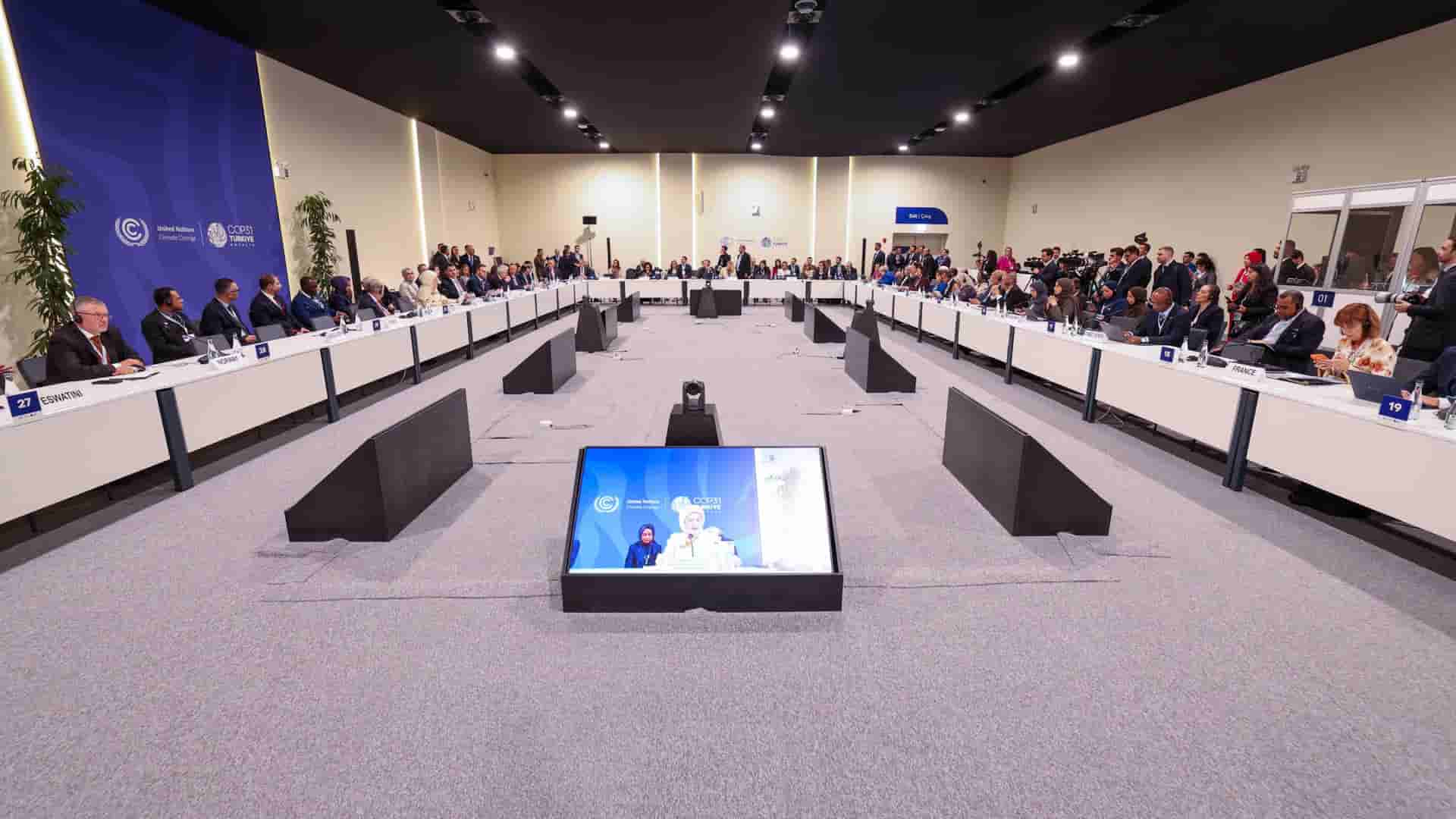
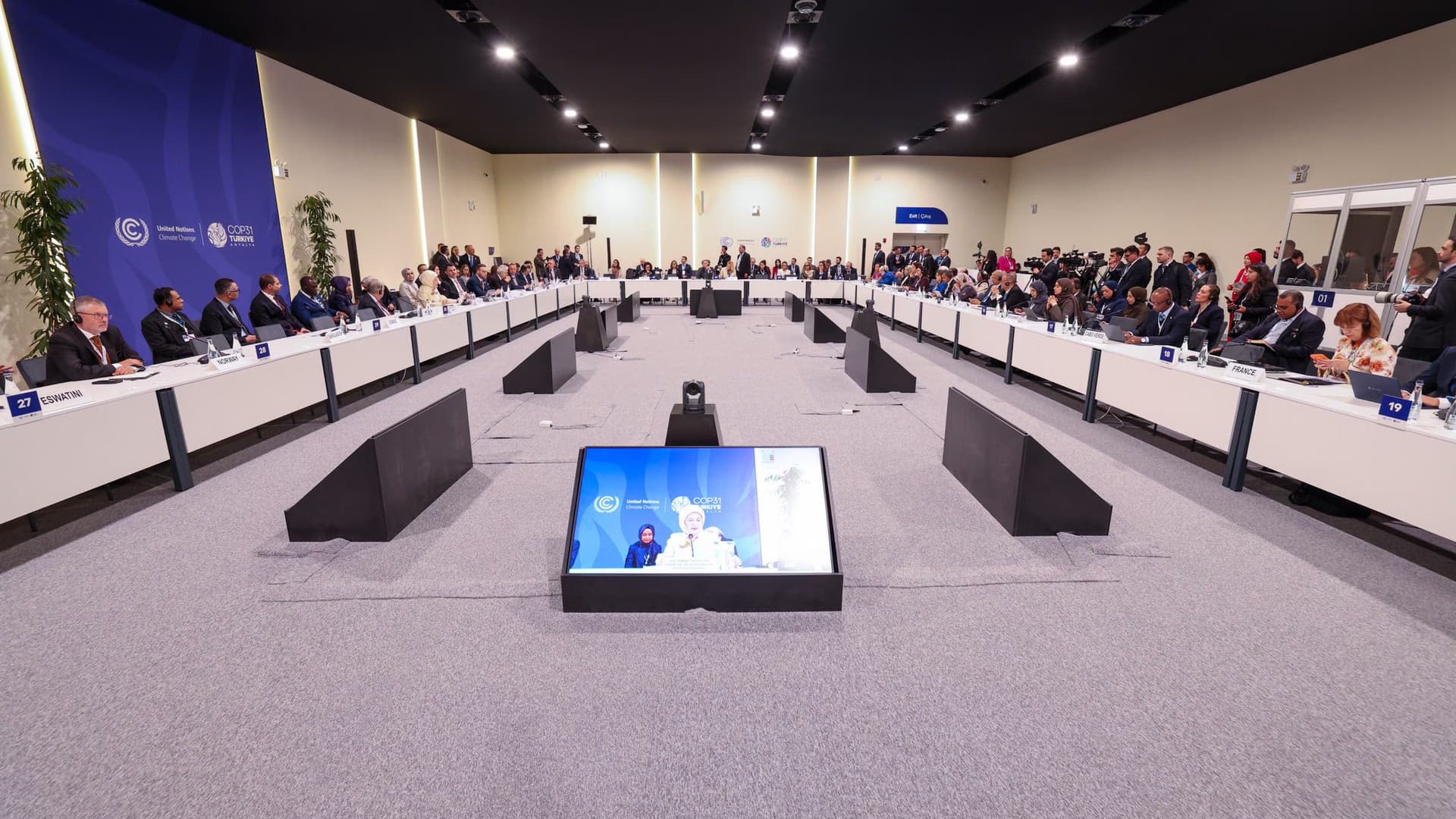
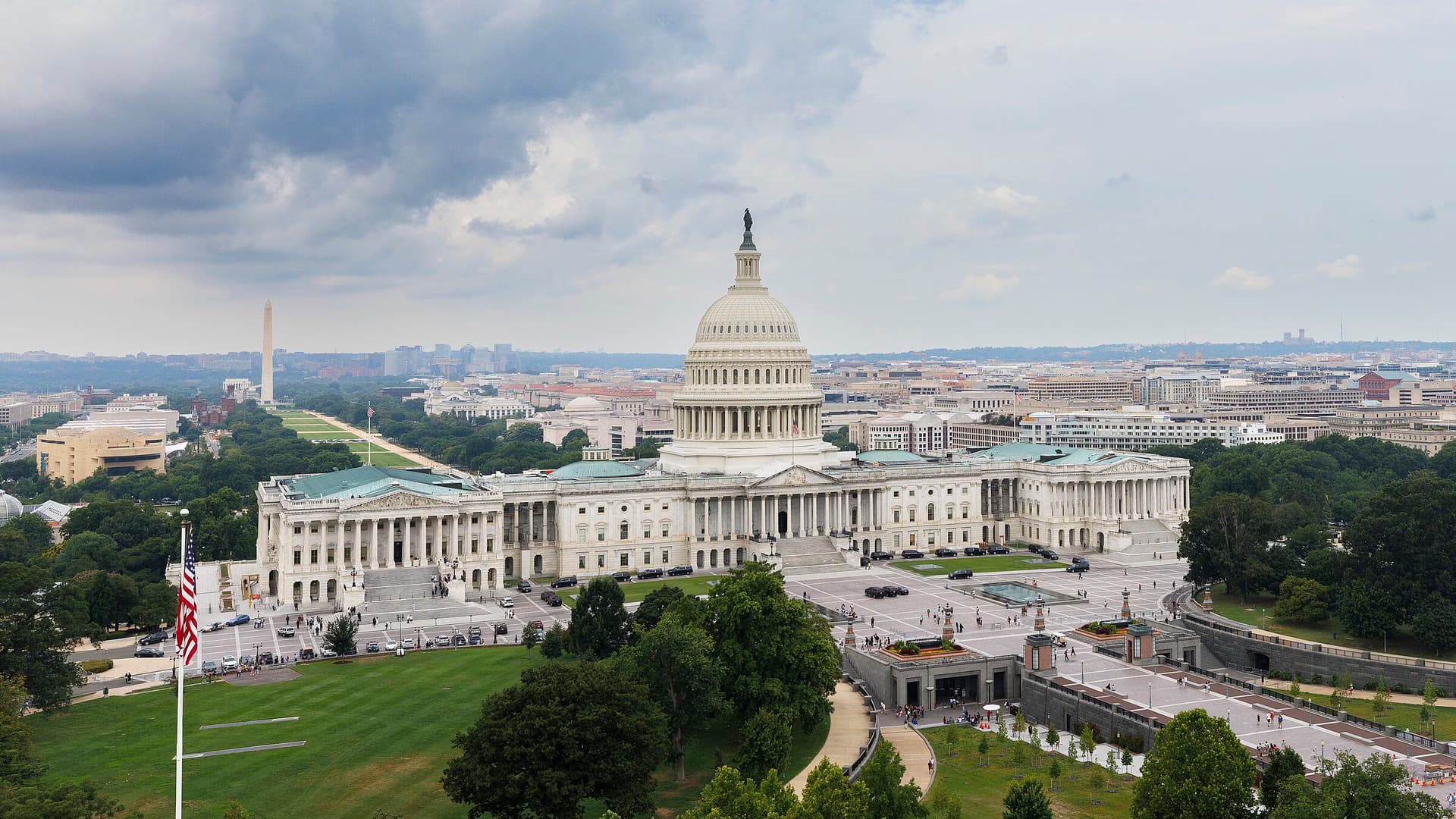
An 18-member delegation of House Democrats joined the COP31 climate talks in Antalya, Türkiye, on Saturday, arriving as the summit heads into its decisive second week with no official U.S. negotiators at the table. Fresh from the midterm elections that handed their party control of both chambers of Congress, the lawmakers came with a simple message: the United States has not given up on climate action, even if the White House has.
"Many of our allies and partners across the world think the United States has not been predictable or dependable. So we have a lot of trust to earn back," Rep. Kathy Castor of Florida told AFP. "I hope the United States gets back on track with urgent climate action."
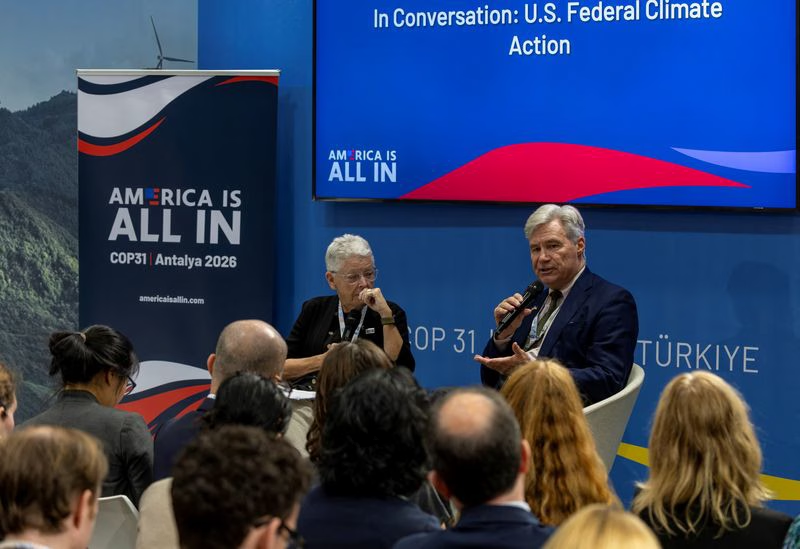
At a packed panel on the midterms at the "America Is All In" pavilion, Rep. Raul Ruiz of California said that "despite the setbacks that we're experiencing through this Trump administration, climate action is alive in America." Rep. Yassamin Ansari of Arizona said the administration would be "very hard pressed to veto legislation that will bring down costs for the American people," as Democrats prepare clean energy bills and investigations into the administration's climate policies. President Trump, who has called global warming a hoax, has two years left in office and has vowed to use his veto.
A deal shaped without Washington
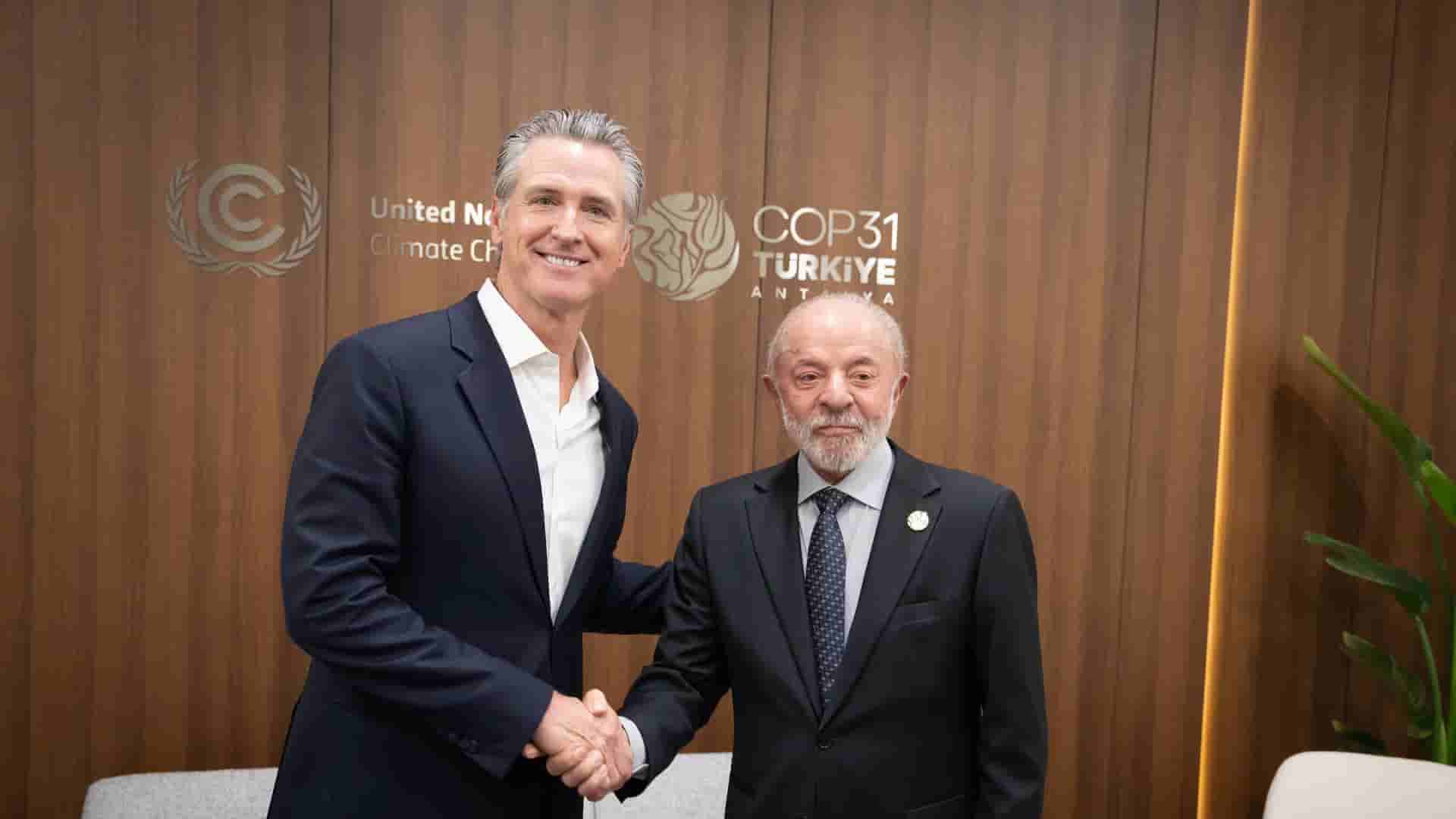
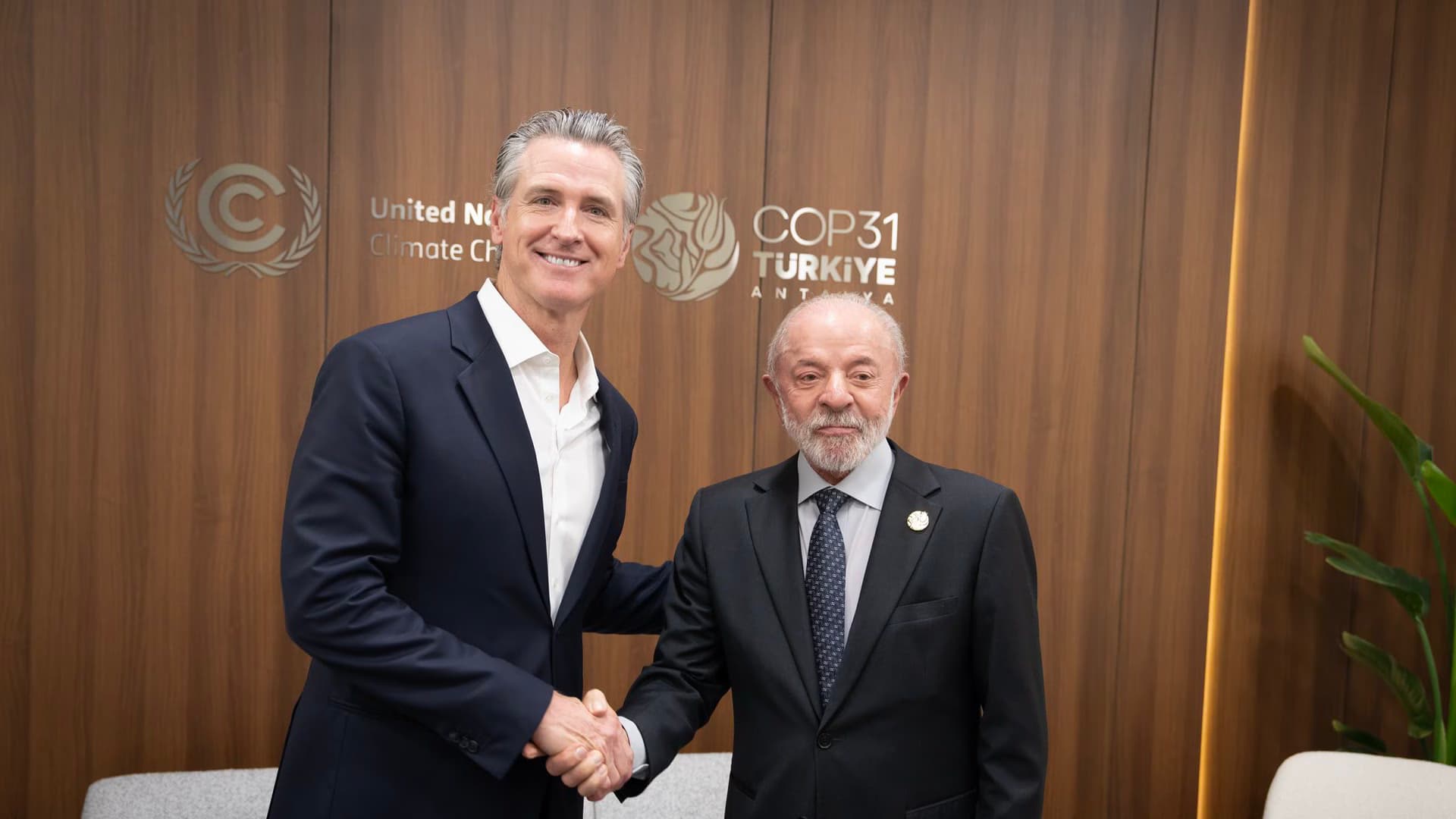
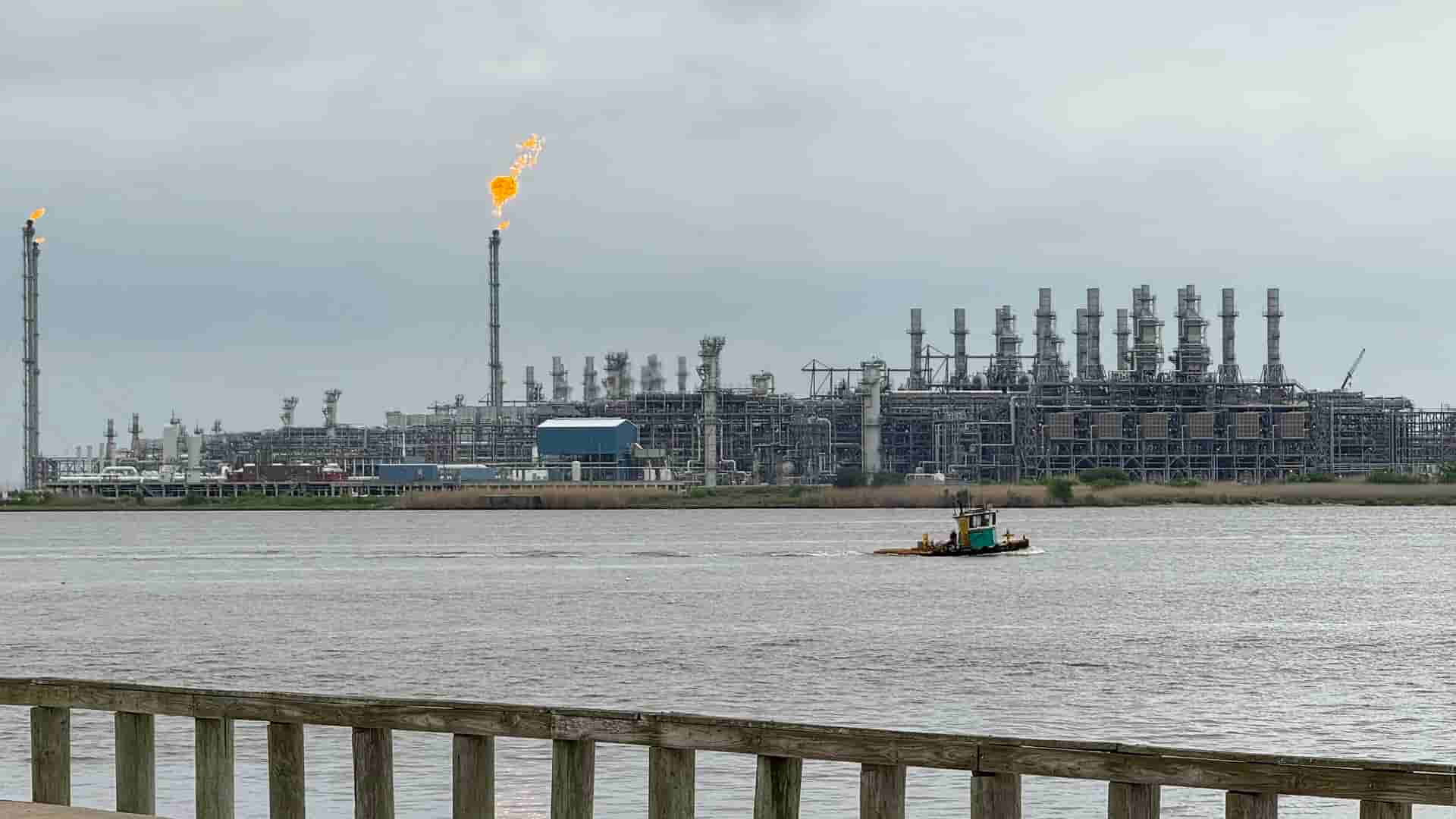
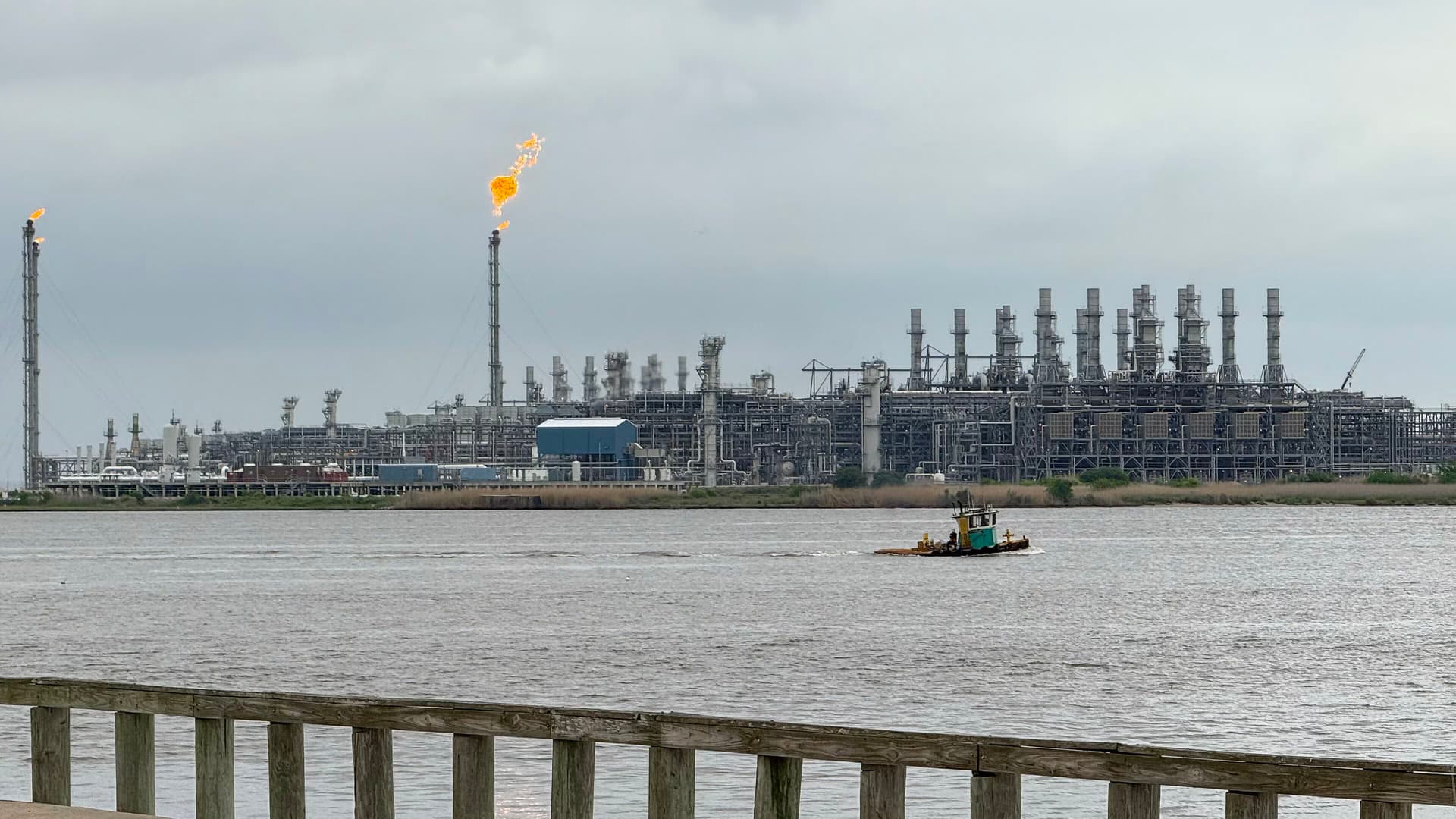
The lawmakers follow the governors, mayors, former Vice President Al Gore and former climate envoy John Kerry who filled the American space in Antalya earlier in the week. None of them can negotiate for the country, however. The United States, the world's biggest oil consumer, is skipping the U.N. talks for a second straight year, Reuters noted, while major oil producers such as Saudi Arabia and Russia have traditionally resisted language constraining fossil fuels.
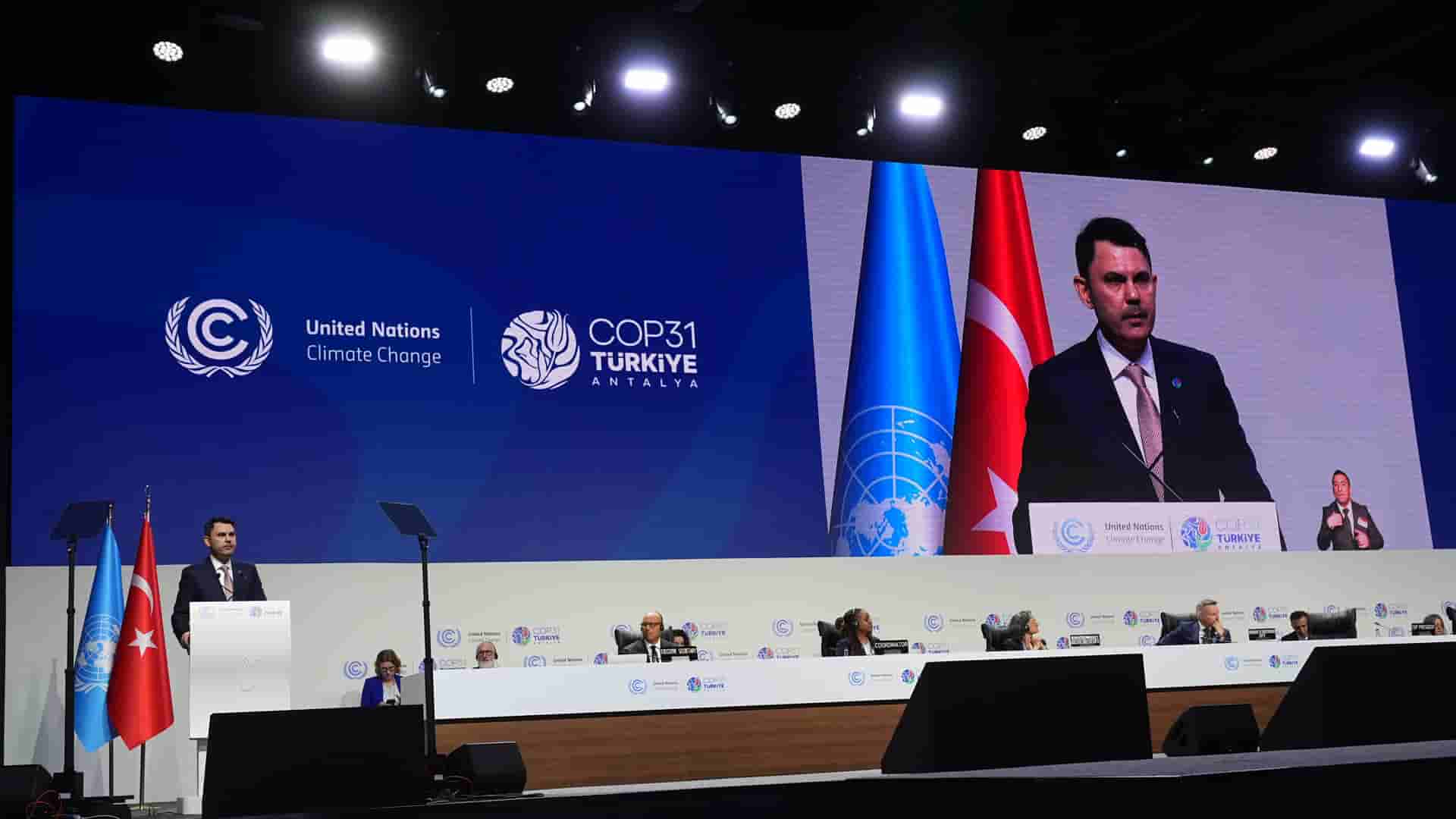
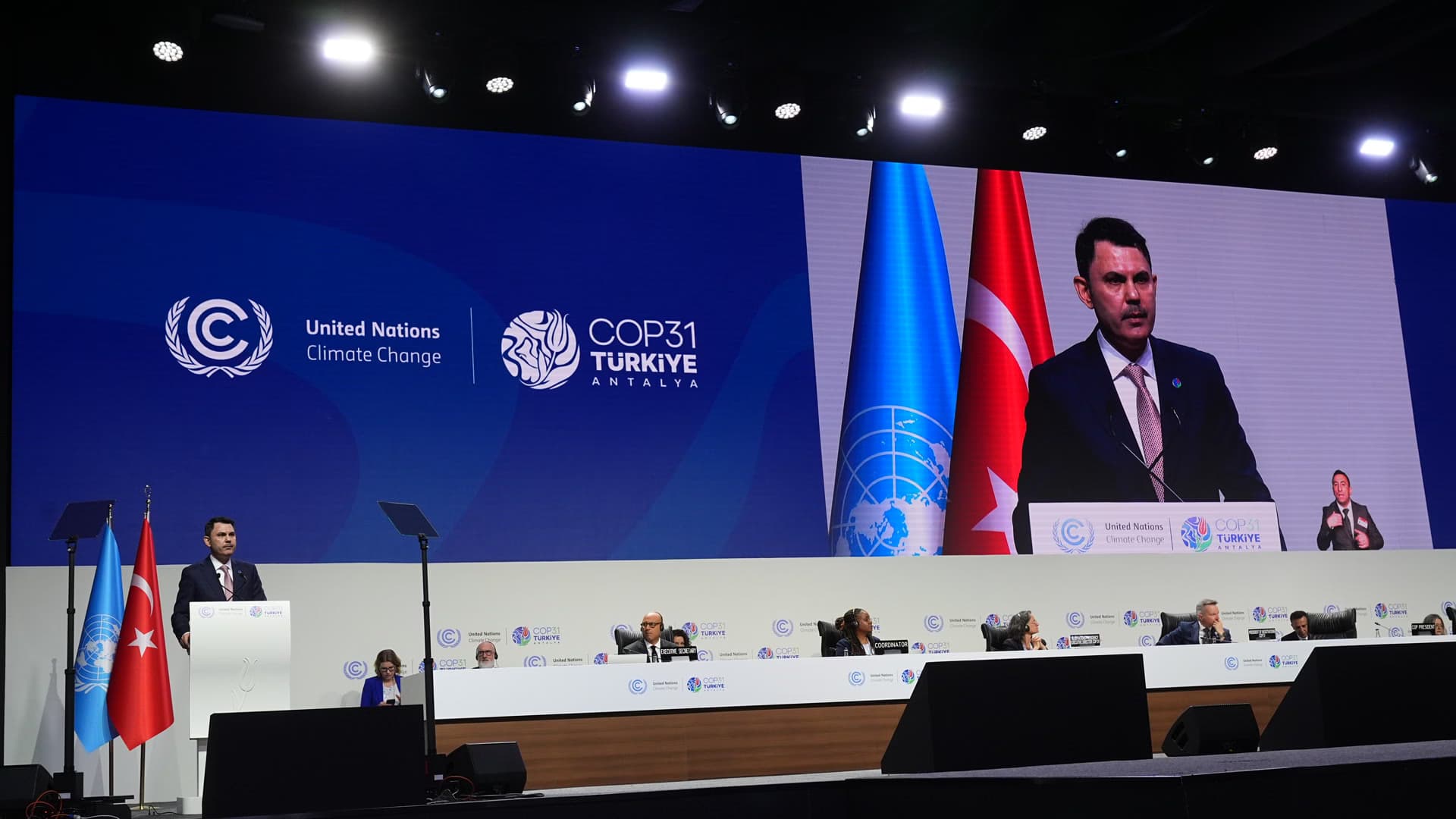
That leaves the outcome to the summit's split presidency: host Türkiye and Australia, which leads the negotiations. COP31 President Murat Kurum said Sunday that the first week ended with "strong progress," from electrification to climate finance, adaptation and a just transition, and set the goal of "a strong political outcome and concrete climate action" from Antalya.
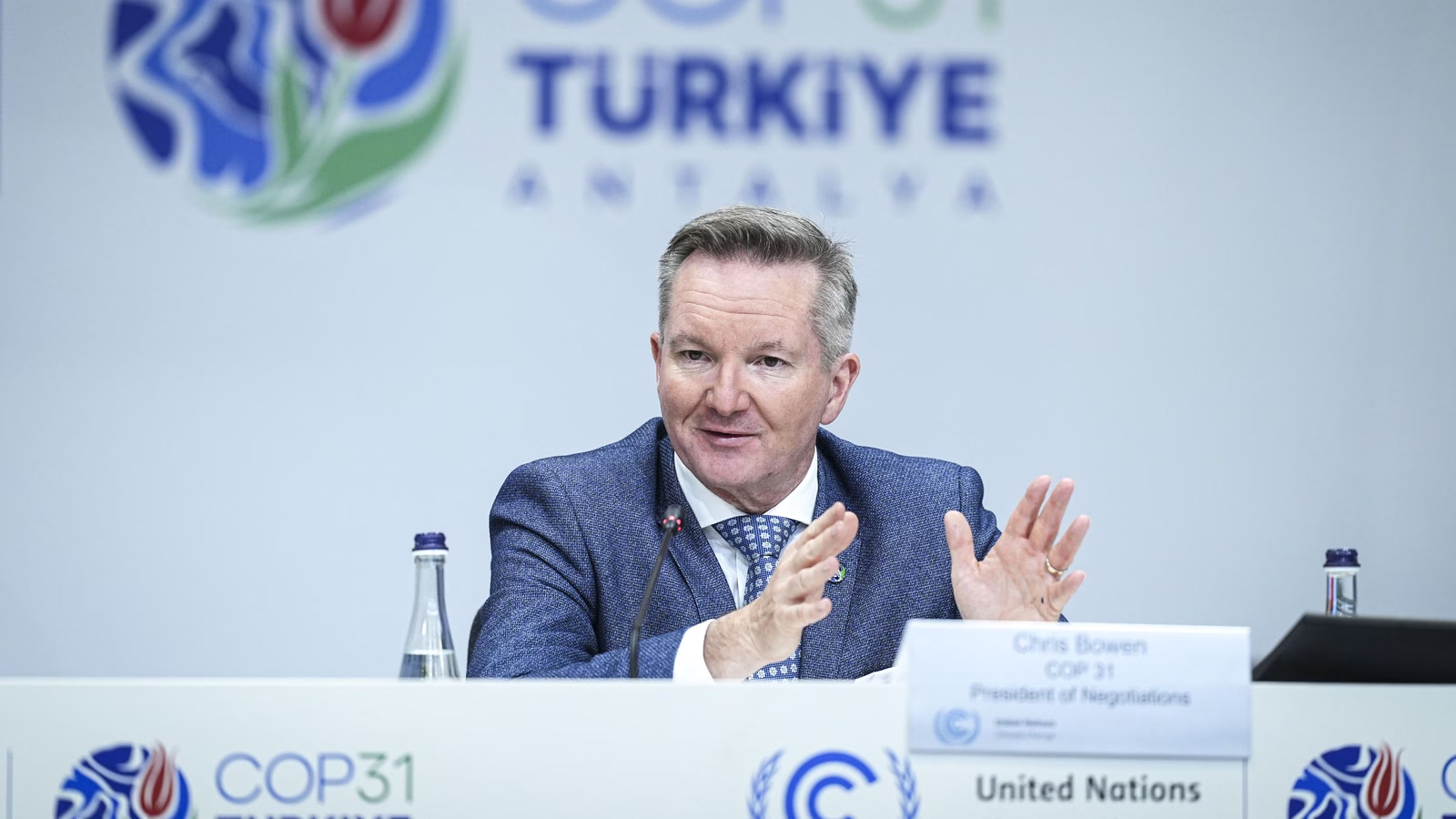
Australian Climate Change and Energy Minister Chris Bowen, the president of negotiations, said the talks made good progress in the first week. A first draft of a deal text is expected early next week, as ministers fly in to settle the most contentious issues before the scheduled close on Nov. 20.
The money fight
Finance is shaping up as the toughest of those issues. Kurum told reporters Saturday that even the $1.3 trillion annual climate finance goal is considered insufficient, and that the world has not yet reached it. "We are not waiting for new pledges, but we want existing pledges to be implemented," he said.
African countries want adaptation finance tripled to at least $120 billion a year by 2035, according to Climate Home News, while the European Union has warned there is little political appetite for new funding commitments, AFP reported. Bowen told Anadolu that only 0.2% of global climate finance currently reaches small island developing states for adaptation. "The countries that need it the most are going to get the least," he said.
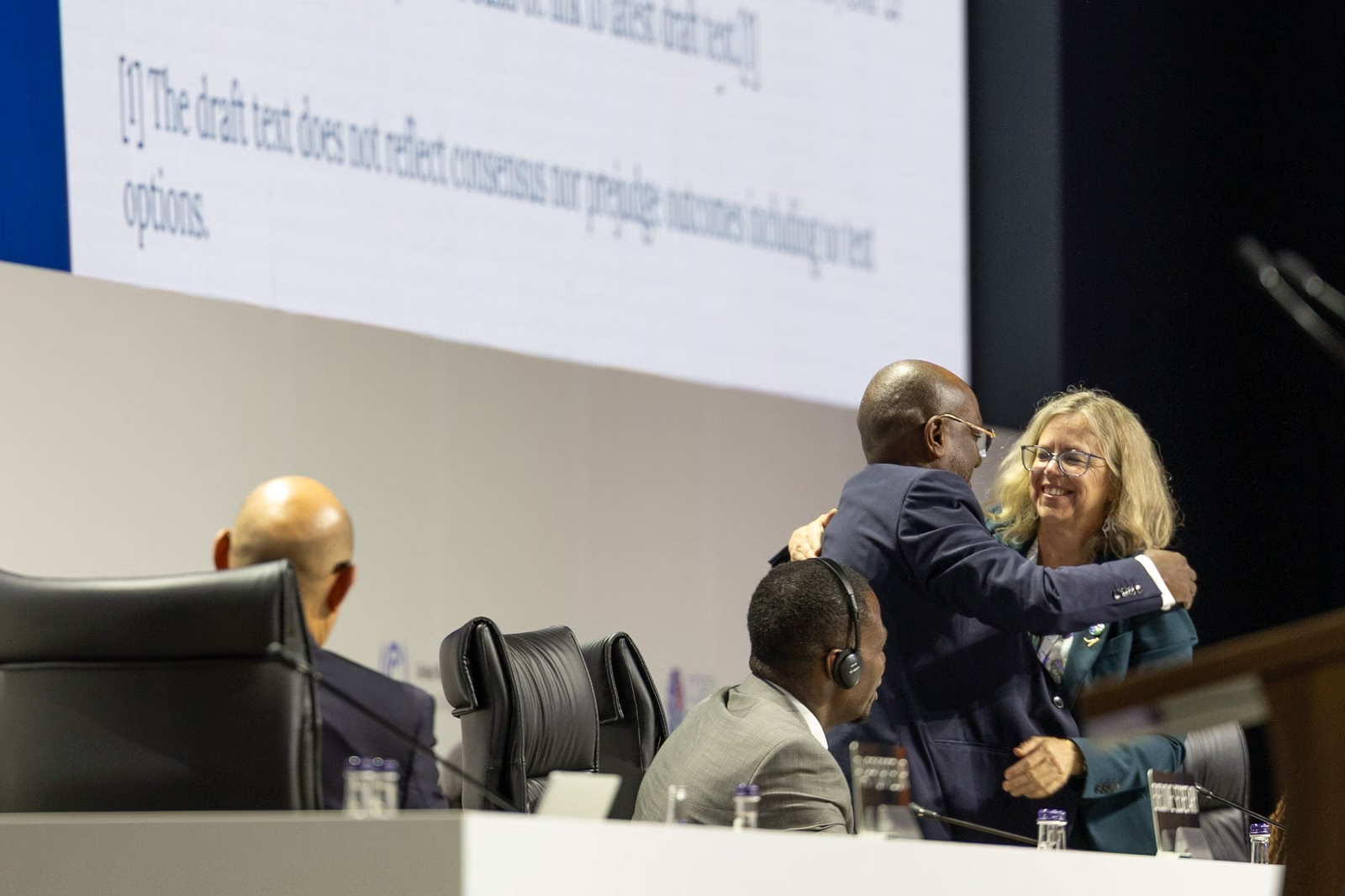
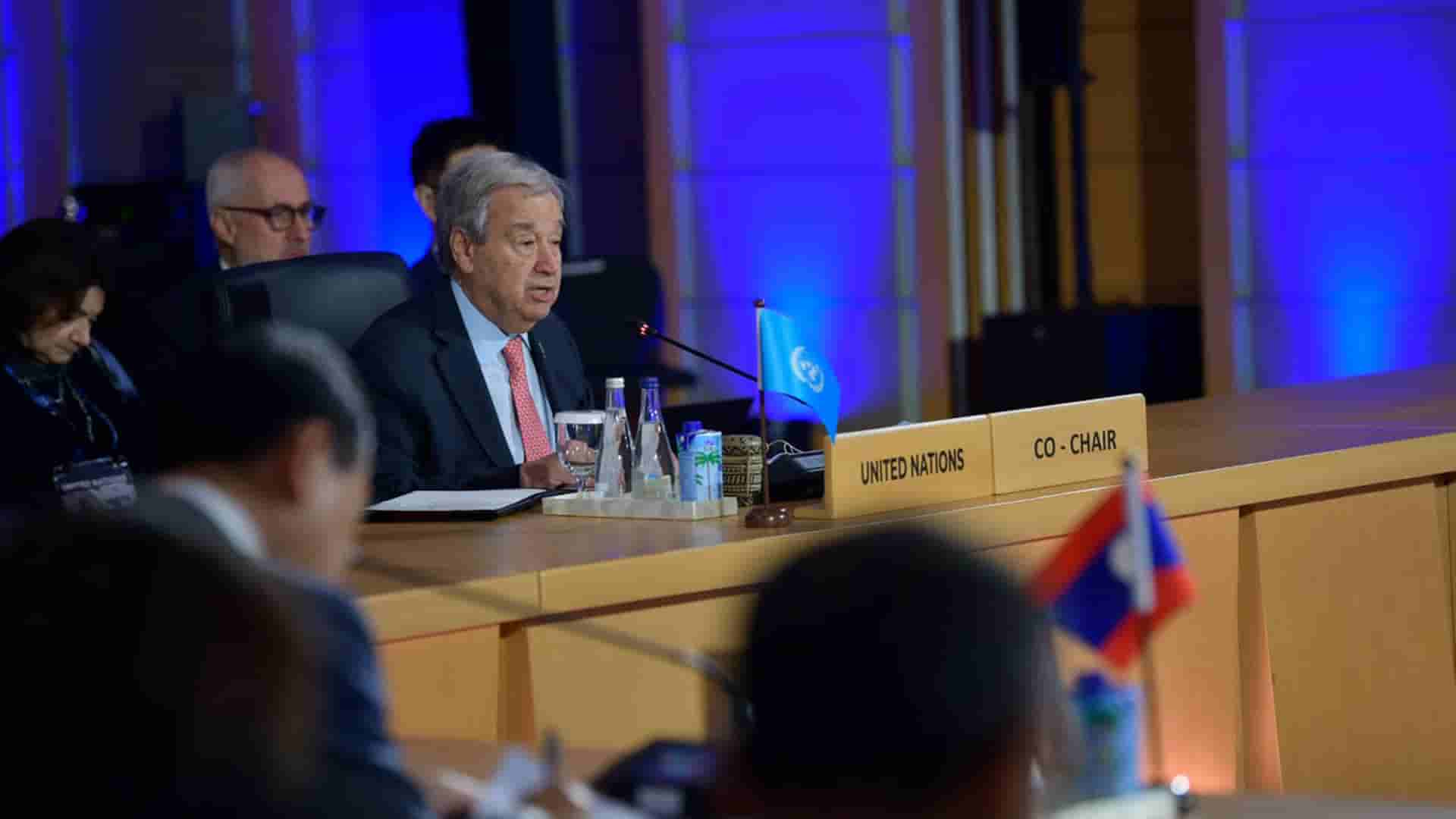
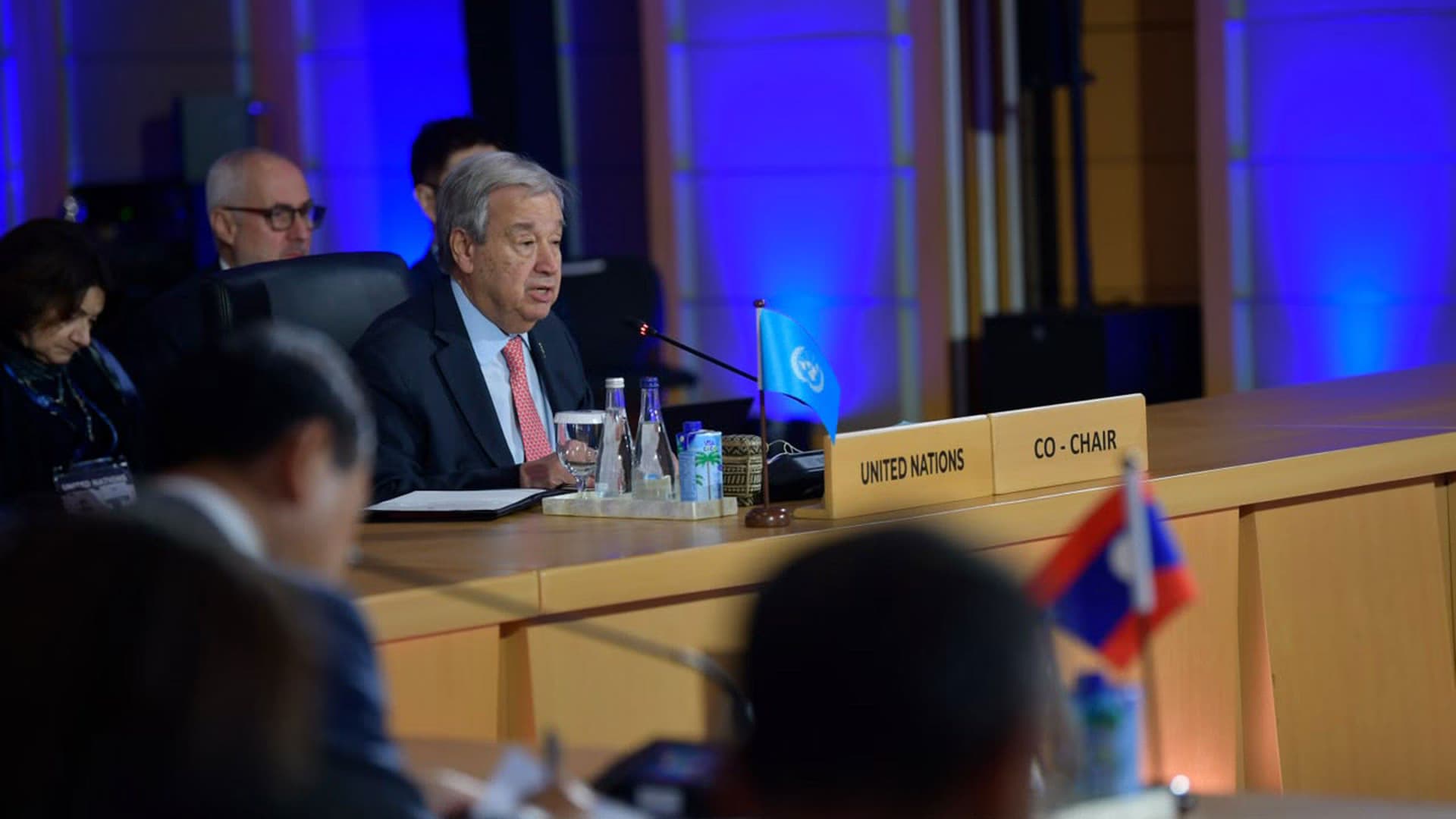
U.N. climate chief Simon Stiell urged negotiators on Saturday to "move swiftly to the hardest issues and to avoid tactical delays." For the Democrats in Antalya, the longer game is at home: delegates hope the new Congress can restore some clean energy policies and that a pro-climate president can be elected in two years, AFP reported.
Photos: AFP (cover), Reuters, Anadolu Agency, UN Climate Change