- BIST10010,957-1.87%
- USD49.79+0.05%
- EUR55.52-0.41%
- GOLD3,975.60-1.38%
- INTEREST36.00%-1.00
- BITCOIN77,306-0.62%
- October 30, 202613°
- BIST10010,957-1.87%
- USD49.79+0.05%
- EUR55.52-0.41%
- GOLD3,975.60-1.38%
- INTEREST36.00%-1.00
- BITCOIN77,306-0.62%
- October 30, 202613°
Democrats lead in both chambers ahead of U.S. congressional elections
Voters in the U.S. congressional midterm elections on November 3 will cast ballots for all 435 seats in the House of Representatives and 35 seats in the Senate. Polling projections show Democrats ahead in both chambers, while closely fought races are expected to determine the outcome.


Voters in the U.S. congressional midterm elections will go to the polls on November 3 to elect all 435 members of the House of Representatives and fill 35 of the Senate's 100 seats.
National and state-level polling averages show Democrats holding an advantage in both the Senate and the House of Representatives. However, races in closely contested states and congressional districts will determine the distribution of seats in Congress.
Margins remain narrow in nine Senate races
Polling projections indicate that Democrats are expected to win 47 Senate seats, compared with 44 for Republicans. The races between candidates remain close in nine states.
Eight of those nine seats appear to lean Republican, while one leans Democratic. If Republicans take the lead in six of the states where races remain close, they could secure a Senate majority even if the seat distribution is tied at 50-50.
If the Senate is evenly divided, the decisive vote could belong to JD Vance, the U.S. vice president who also serves as president of the Senate. Under U.S. law, the vice president can cast the deciding vote in favor of his own party when the votes are tied.
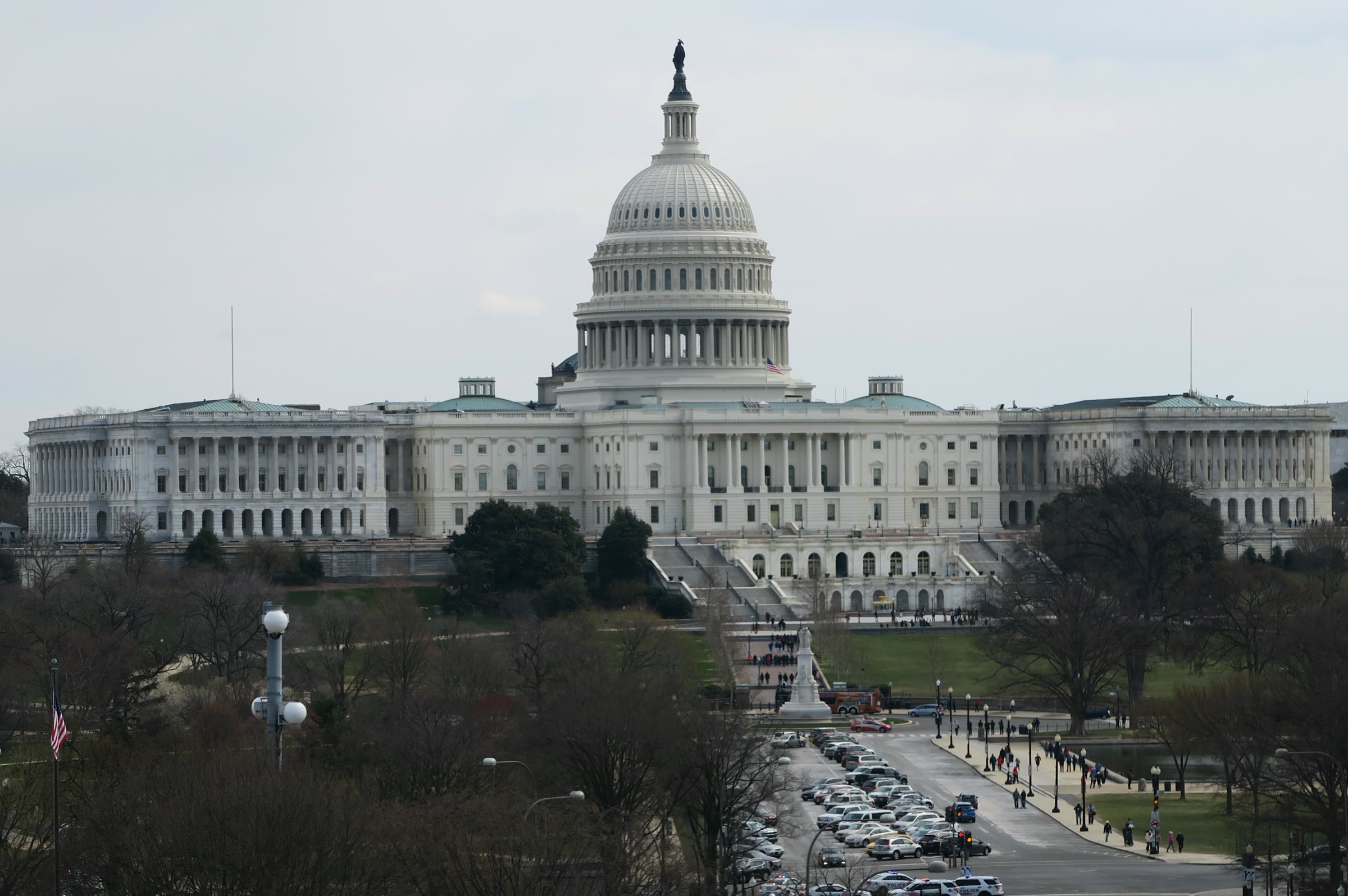
Democrats lead the seat count in the House
A party needs 218 seats to secure a majority in the House of Representatives. Current polling projections forecast 227 seats for Democrats and 182 for Republicans.
Races for 26 seats remain ongoing between the two parties, and the gap appears to be narrowing. However, Democrats remain better positioned to reach the 218-seat threshold required for a majority.
The current distribution in Congress
Republicans currently hold 53 seats in the Senate, while Democrats hold 45. Two independent senators often vote with Democrats on many issues.
In the House of Representatives, Republicans hold 218 seats, Democrats hold 214, and independents hold one. Two seats in the chamber are also vacant.
Stay Updated with Ally Daily
Subscribe to be informed about special news, developments and announcements. We will keep you informed.
By signing up, you agree to our Privacy Policy