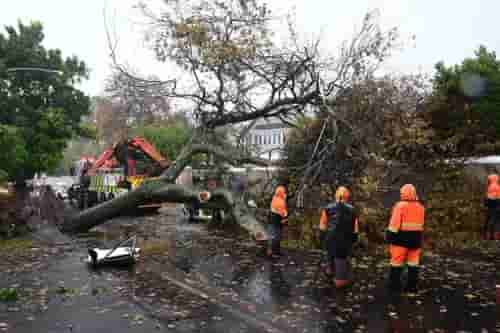
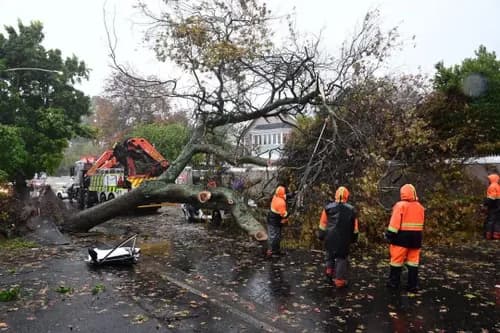
Meteorologists indicate that El Niño developing in the Pacific Ocean is preparing to strengthen on a historic scale. This natural warming cycle is expected to further raise already elevated global temperatures caused by fossil fuel emissions and intensify extreme weather events.
The US National Oceanic and Atmospheric Administration has officially confirmed the presence of El Niño. The agency noted that if its impact grows from late autumn into early winter, this event could rank among the largest El Niño occurrences recorded since 1950.
Warming Affecting Global Weather Patterns
El Niño emerges from the warming of surface and deep waters near the equatorial Pacific. This warming transfers additional energy to the atmosphere, triggering extreme weather events in many parts of the world.
Climate scientists explain that during such periods, some regions experience increased rainfall while others face deepening droughts. The effects vary depending on the location and time of year.
Potential Impacts on the US and Other Regions
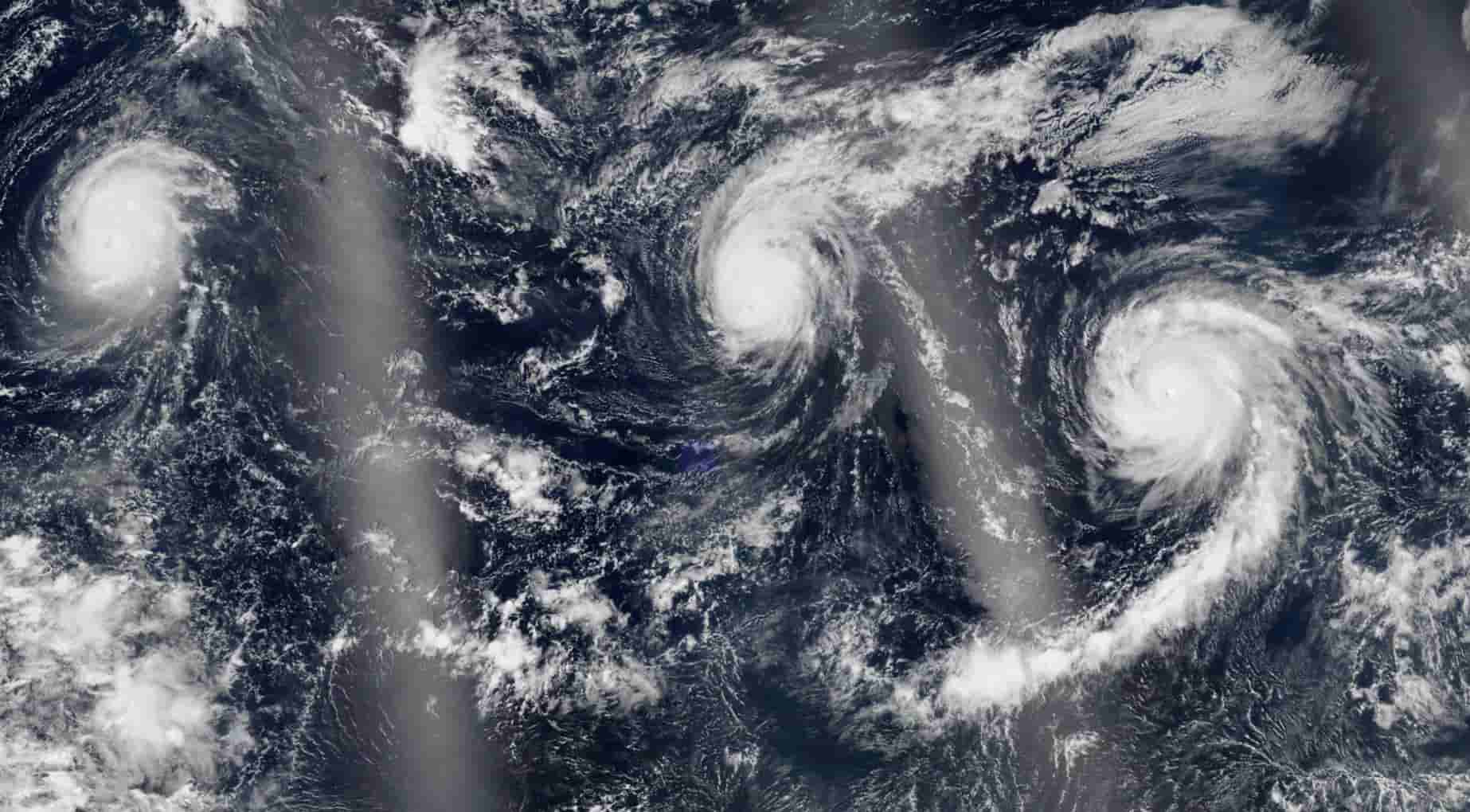
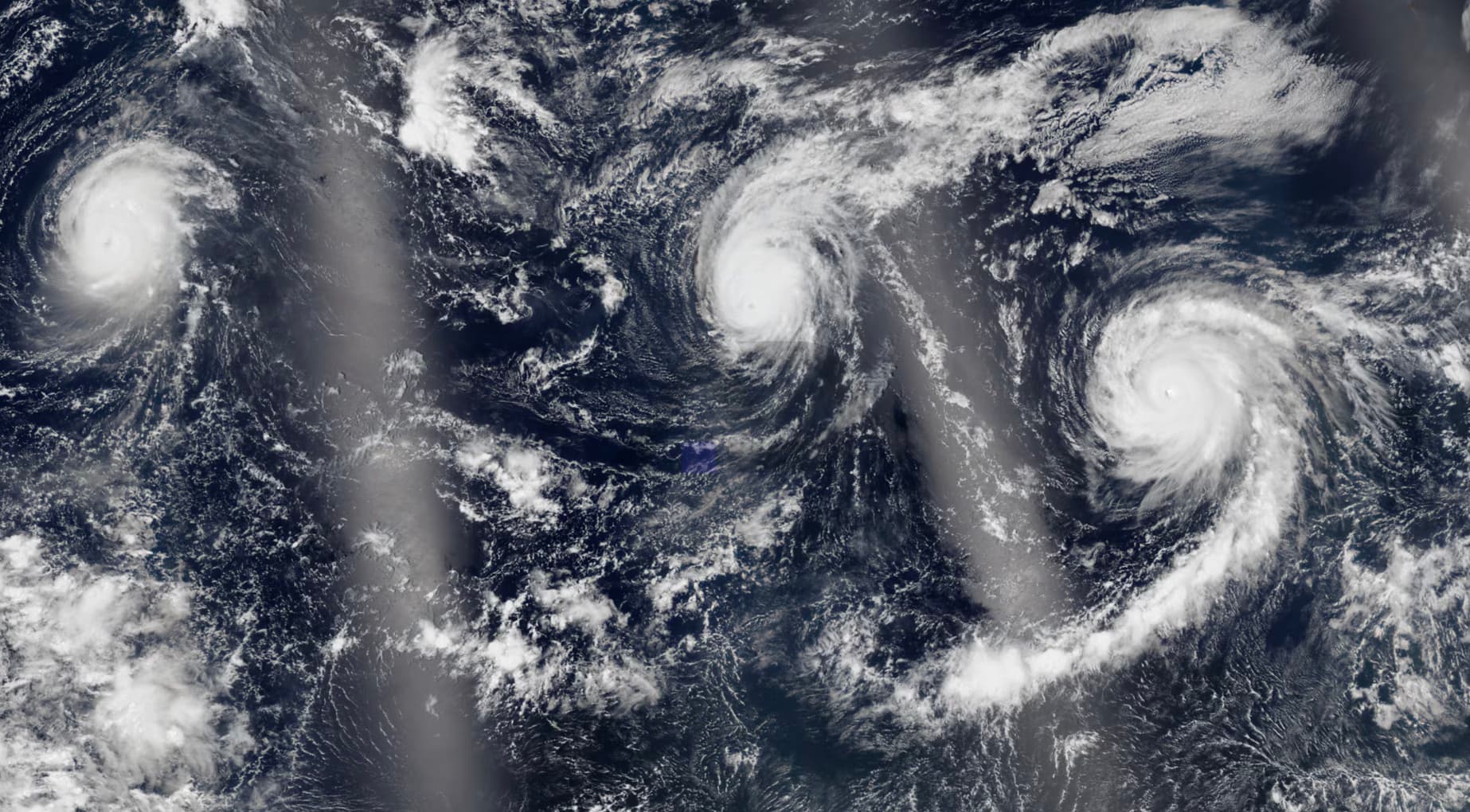
The Atlantic hurricane season typically weakens during El Niño periods but does not disappear entirely. Conversely, hurricane and severe weather activity can increase in the Pacific basin.
As a result, the US East Coast and Gulf Coast may experience relative relief at times, while Hawaii and other islands face heightened risks. Heavy rainfall and flooding are expected in western South America, more intense heatwaves in India, and drought and wildfire threats in Australia.
Experts also anticipate severe weather swings in Northeast Africa, ranging from extreme drought to dangerous downpours. Some drought-affected areas in the Middle East may see increased rainfall.
Effects on US Agriculture and Economy
In the US, El Niño can increase rainfall in southern states, setting the stage for stronger storms, but it may also create advantages for certain agricultural areas. Conditions for grain and oilseed crops could be favorable in many key production states, while the outlook for dairy and cattle farming is more mixed.
After dry winters in the Northern Rockies and Southwest, summer rainfall may increase, though the most notable impacts usually occur during winter months. However, rising temperatures could slow US economic growth.
Early Signs and Possible Peak Timing
Experts say El Niño typically forms in summer, peaks in late autumn or early winter, and fades by the following spring. This time, strong early indicators suggest the peak could arrive one or two months earlier.
Warmer water masses moving toward the surface in the Pacific have recently led scientists to agree on a strong scenario. Meteorologists assess that this El Niño’s effects could last longer and rival or even surpass the major event that began in 1997.
United Nations Secretary-General António Guterres described El Niño as an "urgent climate warning." Experts emphasize preparation over panic, noting that the upcoming period demands more careful risk planning against rising temperatures.