- BIST10011,722-2.89%
- USD49.45+0.05%
- EUR55.62+0.37%
- GOLD4,181.10+0.26%
- INTEREST37.00%-1.00
- BITCOIN81,438-0.08%
- October 17, 202613°
- BIST10011,722-2.89%
- USD49.45+0.05%
- EUR55.62+0.37%
- GOLD4,181.10+0.26%
- INTEREST37.00%-1.00
- BITCOIN81,438-0.08%
- October 17, 202613°
F-35s, F-16s and CAATSA Back in Focus Ahead of Erdogan–Trump Meeting
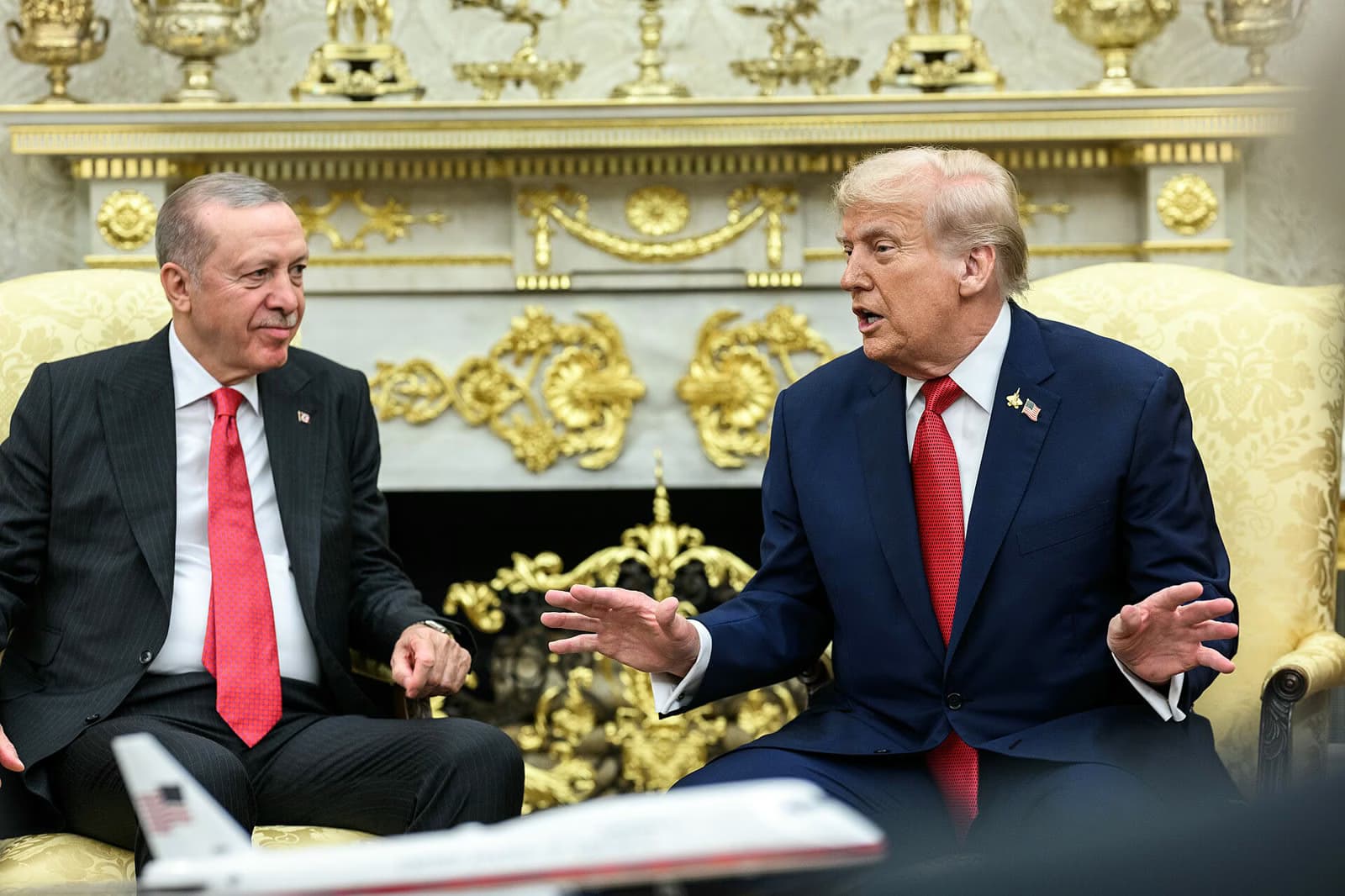
Defense ties between Türkiye and the United States are back in focus ahead of an expected meeting between President Recep Tayyip Erdogan and U.S. President Donald Trump in New York. Any new messages on the F-35 program, F-16s, the S-400 dispute and CAATSA sanctions will be closely watched.


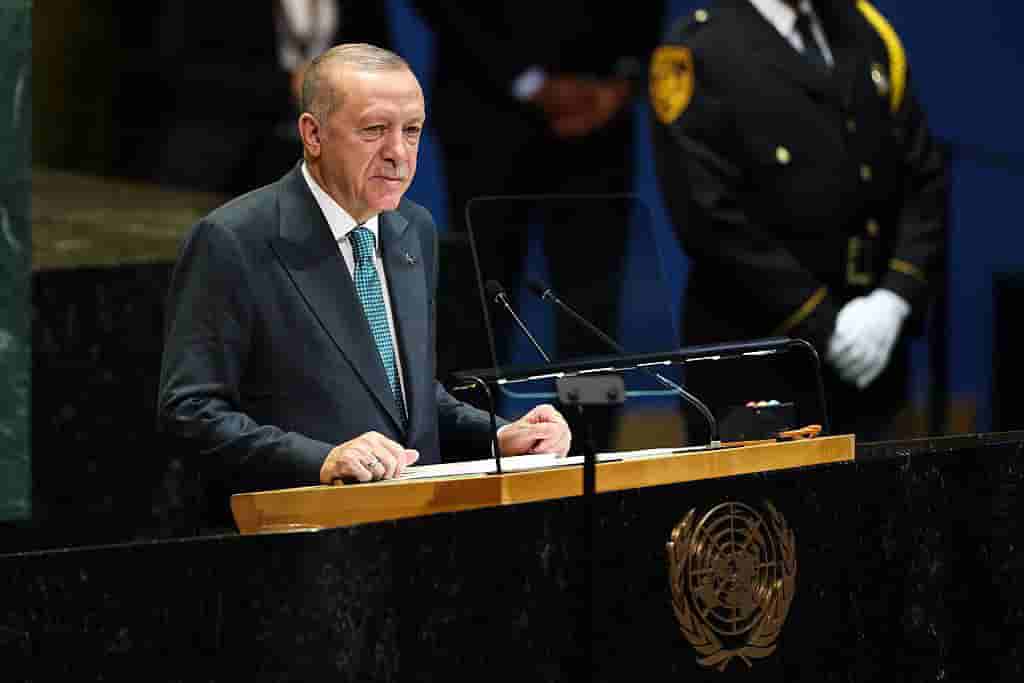
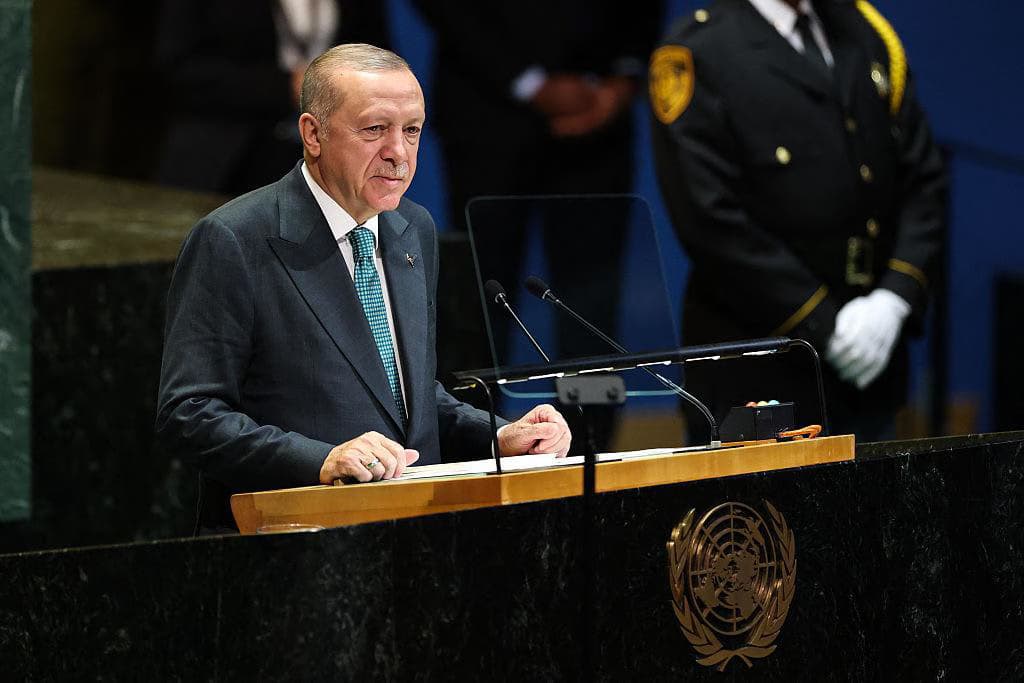
Defense relations between Türkiye and the United States are set to draw renewed attention as President Recep Tayyip Erdogan and U.S. President Donald Trump are expected to meet in New York during the 81st United Nations General Assembly.
The exact date, time and detailed agenda of the meeting have not yet been publicly announced. However, any statements concerning the F-35 program, Türkiye's F-16 fleet, the S-400 dispute and CAATSA sanctions could provide important signals about the future of bilateral defense ties.
The S-400 dispute remains central to the F-35 issue
Türkiye was one of the original partners in the F-35 fighter jet program.
Washington began the process of removing Türkiye from the program following Ankara's purchase of the Russian-made S-400 air defense system.
The United States argued that operating the S-400 system was incompatible with the security requirements surrounding F-35 technology.
Türkiye, meanwhile, has repeatedly sought a resolution to the dispute surrounding its participation in the F-35 program.
Any indication following the Erdogan–Trump meeting of a new political or diplomatic path on the F-35 issue would therefore be closely watched.
CAATSA sanctions remain another key issue
Türkiye's acquisition of the S-400 also led Washington to impose sanctions on Türkiye's Presidency of Defense Industries under the Countering America's Adversaries Through Sanctions Act, or CAATSA.
The sanctions have remained one of the major points of friction in defense industry relations between Ankara and Washington.
Attention will therefore be on whether the New York talks produce any new message concerning the future of those restrictions.

F-16s followed a different path
Separate from the F-35 dispute, Türkiye and the United States have also held lengthy negotiations over new F-16 fighter jets and the modernization of Türkiye's existing fleet.
Washington has previously described the modernization of Türkiye's F-16 fleet as important for NATO interoperability.
The broader future of military cooperation between the two NATO allies will therefore be another area to watch during the leaders' New York contacts.
Could the meeting signal a new chapter in defense ties?
One of the key questions surrounding the expected Erdogan–Trump meeting is whether the two leaders will signal new political momentum toward resolving long-standing defense disputes.
For Türkiye, the F-35 program and CAATSA sanctions remain significant issues. For Washington, the S-400 system has been at the center of the dispute.
Beyond those issues, NATO cooperation, regional security, Syria and broader defense industry ties form part of the wider security relationship between the two countries.

Attention turns to statements from New York
The detailed agenda for the Erdogan–Trump meeting has not yet been released, meaning it remains unclear whether the F-35, F-16, S-400 or CAATSA issues will be directly discussed.
Statements released by the Turkish Presidency and the U.S. side following the meeting will therefore be closely watched for any indication of a shift in Türkiye–U.S. defense relations.
As leaders gather in New York for UNGA 81, the defense relationship between Ankara and Washington is set to remain one of the key issues surrounding Erdogan and Trump's expected talks.
Stay Updated with Ally Daily
Subscribe to be informed about special news, developments and announcements. We will keep you informed.
By signing up, you agree to our Privacy Policy