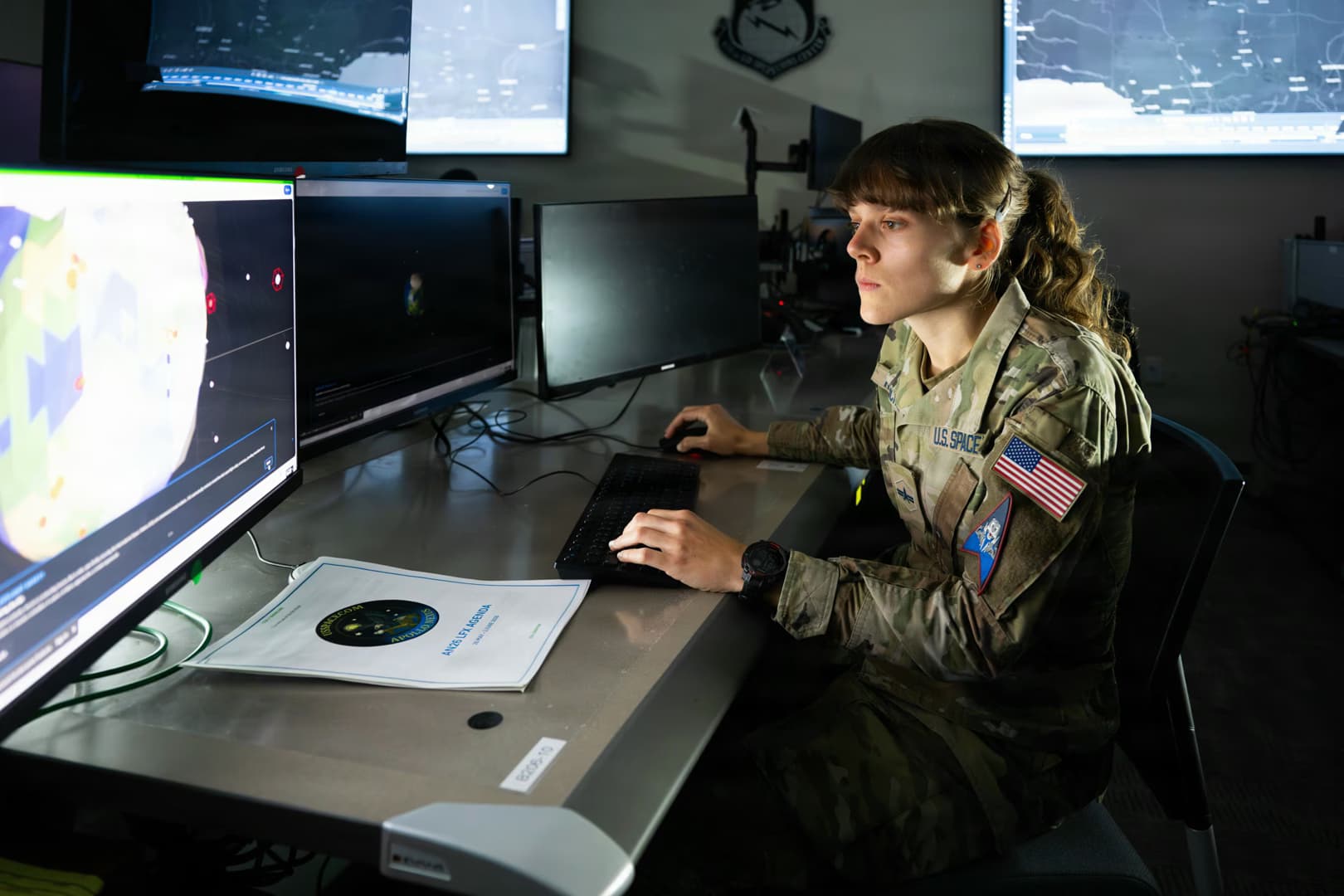
$1 Billion Security Budget
The US government has allocated over $1 billion for security measures for the 2026 FIFA World Cup. The bulk of this budget was spent on modernizing security infrastructure around stadiums, transport hubs and urban areas in host cities.
The investments also include updating equipment for bomb disposal units and strengthening rapid response teams, creating a major economic opportunity for technology and cybersecurity companies.
AI-Powered Facial Recognition in Stadiums
Cameras inside stadiums no longer just broadcast matches or monitor incidents. Equipped with AI algorithms, these systems can perform facial recognition and generate biometric profiles of spectators.
According to privacy experts, the main concern is the storage of this data and the possibility that it might later be used for purposes beyond individuals' control.
Surveillance Extends Beyond Stadiums
Some states hosting the tournament, such as New York, have used federal funds to deploy advanced drones equipped with high-resolution cameras, thermal sensors and multi-sensor devices.
Some platforms can reportedly act like base stations to determine mobile phone locations or gather certain communications data, fueling a heated debate between security advocates and privacy supporters.
The 'Drone Threat' Justification
According to critics, this expansion of surveillance tools was justified on the grounds of "combating the illegal use of drones." This rhetoric has strengthened the partnership between security agencies and software companies, leading to extensive funding for the development and procurement of high-precision monitoring technologies.
Experts worry that the security justification could become a pretext to expand surveillance powers at the expense of civil liberties such as freedom of speech and the right to assemble without being tracked.
Fans as a Constant Source of Data
Throughout the tournament, anyone traveling between host cities is theoretically under constant surveillance. Movements are tracked, behavior patterns are analyzed, and data is collected from smart devices, unwittingly turning fans into part of a vast digital security network.