- BIST10011,681-0.99%
- USD49.58+0.05%
- EUR55.62+0.09%
- GOLD4,137.00-0.14%
- INTEREST37.00%-1.00
- BITCOIN83,225+0.34%
- October 21, 20269°
- BIST10011,681-0.99%
- USD49.58+0.05%
- EUR55.62+0.09%
- GOLD4,137.00-0.14%
- INTEREST37.00%-1.00
- BITCOIN83,225+0.34%
- October 21, 20269°
Russian satellite stalks US-registered radar satellite in rare close encounter
A Russian military satellite spent three weeks maneuvering toward ICEYE-X36, a US-registered commercial radar satellite from a company whose imagery Ukraine relies on, before passing within a few hundred meters of it on Oct. 19. Tracking firms say the encounter is over, but analysts warn it shows a new level of risk in orbit.
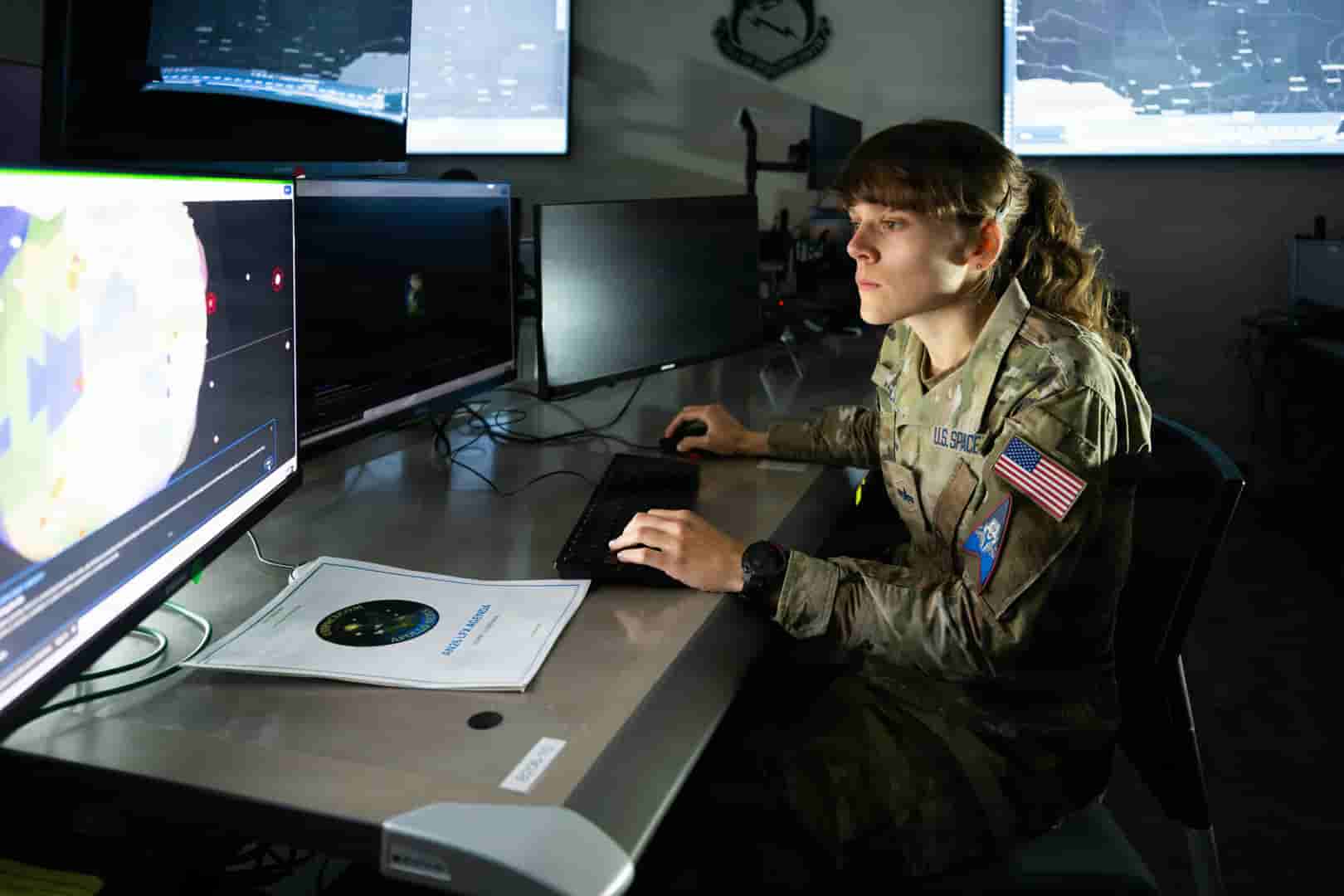
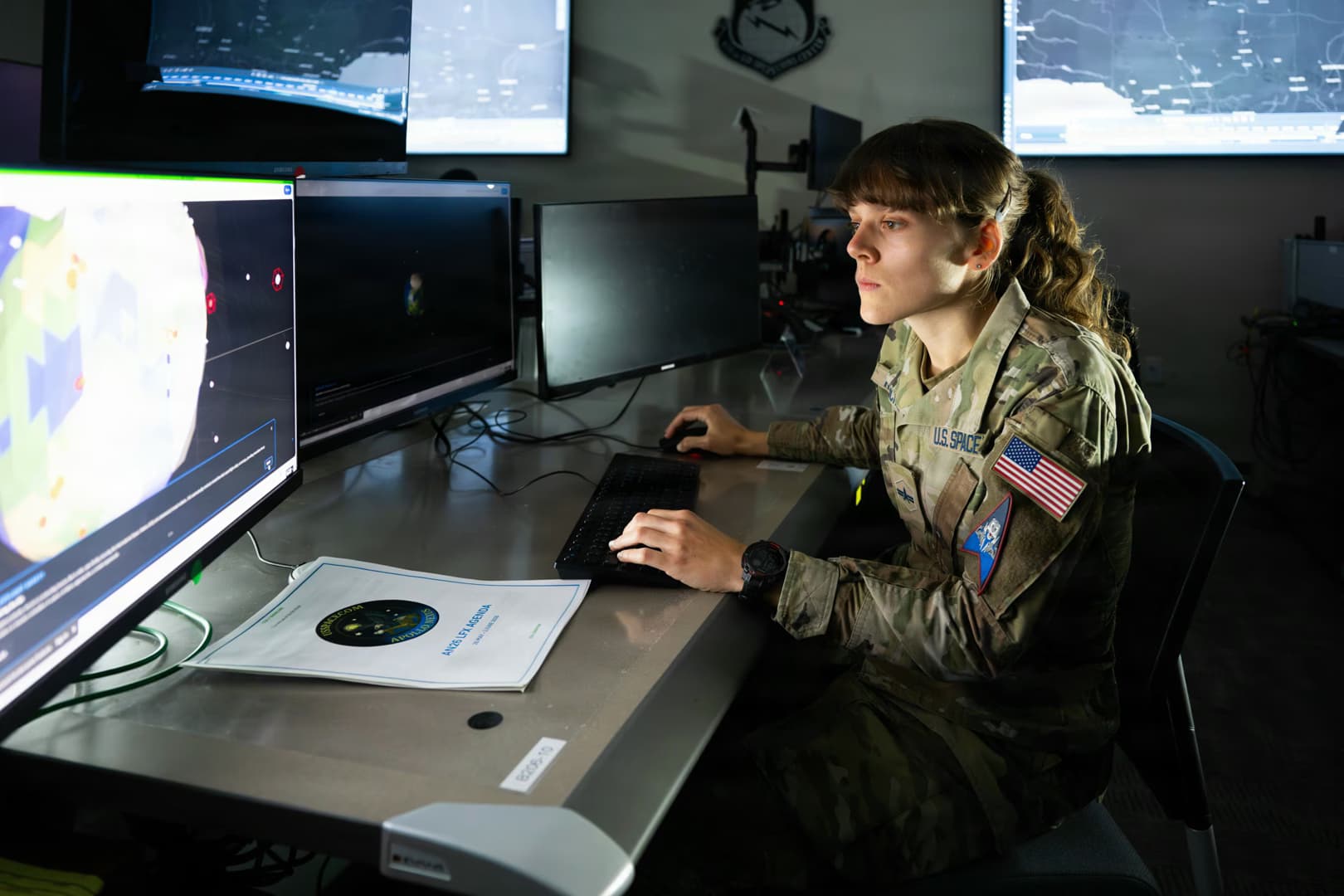
A Russian military satellite has carried out one of the closest uninvited approaches ever seen in low Earth orbit, maneuvering for three weeks until it came within a few hundred meters of a US-registered commercial radar satellite on Oct. 19.
The Russian craft, Kosmos 2612, targeted ICEYE-X36, a synthetic aperture radar (SAR) satellite operated by the Finnish-founded company ICEYE. Space tracking firm LeoLabs said it has high confidence the two passed within roughly 500 meters, or about 1,640 feet, of each other. Publicly available tracking data suggested an even tighter pass of about 26 meters, or 85 feet, The War Zone reported. At orbital speeds of more than 27,000 kilometers per hour, either distance is extraordinary for spacecraft whose operators are not coordinating.
Weeks of deliberate maneuvers

Analysts at the Center for Strategic and International Studies (CSIS) found that from Sept. 30, Kosmos 2612 fired its engines repeatedly to line up with ICEYE-X36's orbital plane and match its altitude. After another burn on Oct. 16, it held position within about 5 kilometers of the radar satellite, according to astrophysicist Jonathan McDowell, who said he knew of no earlier low-orbit rendezvous between two active satellites carried out without one owner's consent.
LeoLabs said the Russian satellite closed in from hundreds of kilometers away, circled its target, loitered nearby and then departed in a controlled way. Its latest data show the two objects moving apart. "This is the most advanced and potentially dangerous uncooperative RPO we've observed," LeoLabs vice president Adam Marsh told Breaking Defense, using the industry term for rendezvous and proximity operations.
Why the target matters
ICEYE's radar satellites can see through clouds, smoke and darkness, and Ukraine has relied on the company's imagery for years, including for targeting. There have been unconfirmed reports that ICEYE-X36, launched in 2024, works directly for the Ukrainian government. A spokesperson for ICEYE's US division said the company was aware of the situation and tracking it closely, adding that its constellation is designed for continuity and resilience.
Kosmos 2612 was one of six satellites Russia launched together in April from the Plesetsk Cosmodrome. US officials have long warned that such "inspector" spacecraft are dual-use: the same ability to sit close to another satellite can be used to photograph it, jam it, damage it or knock it out of position. In 2020, another Russian satellite, Kosmos 2542, shadowed the US spy satellite USA 245, and the US Space Force later said a related craft had released a projectile in what it called a test of an anti-satellite weapon.
LeoLabs said the episode does not prove hostile intent. CSIS analyst Clayton Swope said the goal could have been anything "from simply intimidation to outright destruction or sabotage of a U.S.-registered satellite," and noted that other Russian satellites that tracked ICEYE-X36 in May could also be brought into action.
Have a story, event or announcement of your own?Send us your news on WhatsApp
Spotted an error in this story?Report it on WhatsApp
Share on all social platforms
Sponsored Ads
Featured Listings
Loading featured properties...
Stay Updated with Ally Daily
Subscribe to be informed about special news, developments and announcements. We will keep you informed.
By signing up, you agree to our Privacy Policy