The US State Department has faced a sharp backlash from Germany over a new grant program it launched in Europe. The program, titled 'Civilizational Ties, Democratic Resilience and the Rule of Law,' will provide grants of up to $3 million to projects aligned with the MAGA agenda.
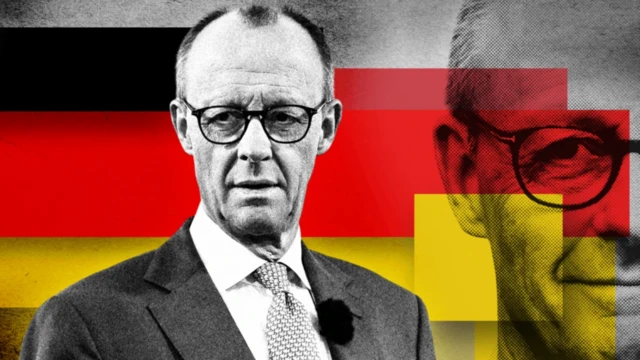
German Chancellor Friedrich Merz reacted to the initiative in a statement on July 15. Merz said, 'We do not interfere in American elections. I also do not want the American government or entities close to it to interfere in elections in Germany.' Merz also stressed that party financing from foreign sources is prohibited by law in Germany.
Objectives and Allegations
The US State Department stated that the funds are solely to support human rights initiatives and are not intended for political parties. The program is open to projects addressing 'national sovereignty, migration, censorship and the abuse of legal mechanisms' and aligned with 'shared political philosophy, legal principles and Western civilizational heritage.'
However, former US officials claimed the program is part of a broader campaign the State Department has been running for months, aimed at channeling public funds to far-right groups and possibly political parties in Europe. A former US official said, 'The State Department appears to be trying to give right-wing parties an advantage by providing them with resources they would not normally have, and to tip the scales in European elections.'
US Policy Direction in Europe
The grant program follows sharp criticism of Western European allies by senior officials, including US Vice President JD Vance, on issues of migration, abortion and online regulation. State Department employees have been reported to be actively engaging with social conservative organizations and far-right parties in Europe.
The new US national security strategy published in December stated that Europe is facing 'civilizational erasure' and that the influence of 'patriotic European parties' is viewed positively. This language was interpreted as a clear reference to populist movements.
UK Reaction and Potential Recipients
Last month, the UK government rejected a claim made by senior State Department official Sarah B. Rogers at a right-wing conservative conference in London that British police had detained thousands of people over free speech. Rogers had previously pledged $500,000 during a visit to Ireland to 'promote digital freedom.'
Among the organizations likely to receive funding in Europe under the program are the British Free Speech Union, which advocates for prominent conservative agenda issues, and entities in Hungary that lost support after Viktor Orban left power.
A US State Department spokesperson said in a statement, 'The Trump administration is committed to protecting democracy and human rights around the world, including in Europe. Our programs in Europe aim to support our allies against those who seek to undermine these rights, principles, civilizational self-confidence and sovereignty. As we have repeatedly stated, our programs are solely focused on human rights; these funds are not designed for political parties.'