Judges at the International Criminal Court have formally closed the court's original investigation in Afghanistan, ending a line of inquiry that once reached alleged war crimes by U.S. troops and American intelligence operatives, court documents show.
Pre-Trial Chamber II issued the ruling, titled "Decision closing the situation in the Islamic Republic of Afghanistan," on Thursday, Nov. 12, and released a public redacted version on Friday. It orders the court's registry to close the record of the case. The judges cited "significant limitations to the Prosecution's ability to conduct its investigations and secure evidence," compounded by the time that has passed since the alleged crimes, and said the prosecutor had not shown an ability "to effectively carry out any further investigative or prosecutorial activities."
The prosecutor's office told Reuters and The Associated Press that it has appealed the decision but gave no further details.
What the ruling ends, and what survives
The original investigation, authorized in 2020 after more than a decade of preliminary examination, covered alleged crimes in Afghanistan since May 1, 2003, and related crimes on the territory of other ICC member states since July 2002. Besides U.S. personnel, it looked at the former Afghan government forces and the Taliban. The American strand had been dormant since 2021, when then-prosecutor Karim Khan said he would deprioritize it, citing difficulties in obtaining evidence.
The ruling also closes the inquiry into Islamic State Khorasan Province, or ISIS-K, though the judges said prosecutors may seek fresh authorization if that investigation can be pursued effectively. Earlier this year the judges split the Afghanistan file in two. The separate case known as the Situation in Afghanistan II, which covers alleged Taliban crimes since August 2021, including the persecution of women and girls, continues, and arrest warrants against four Taliban leaders remain in force.
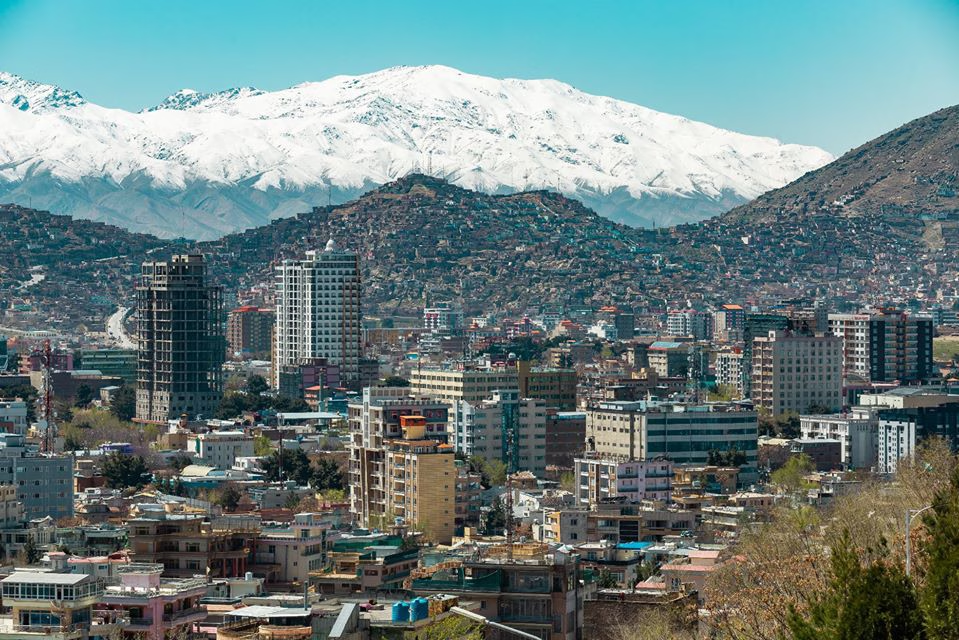
That means the only Afghanistan case still open in The Hague is aimed at the Taliban government that has ruled Kabul since the U.S. withdrawal in August 2021.
A court under pressure from Washington
The decision comes amid an escalating confrontation between the Trump administration and the court. The United States is not an ICC member and rejects its jurisdiction over American nationals. Washington has sanctioned 13 current and former ICC staff members over the Afghanistan inquiry and the arrest warrants issued for Israeli officials, and in October announced sanctions on the court itself that are set to take effect in April.
In an October statement, Secretary of State Marco Rubio said "President Trump will never allow the International Criminal Court to prosecute Americans" and vowed that the U.S. would "continue its campaign to dismantle the ICC, brick by brick, until Americans are threatened no longer."
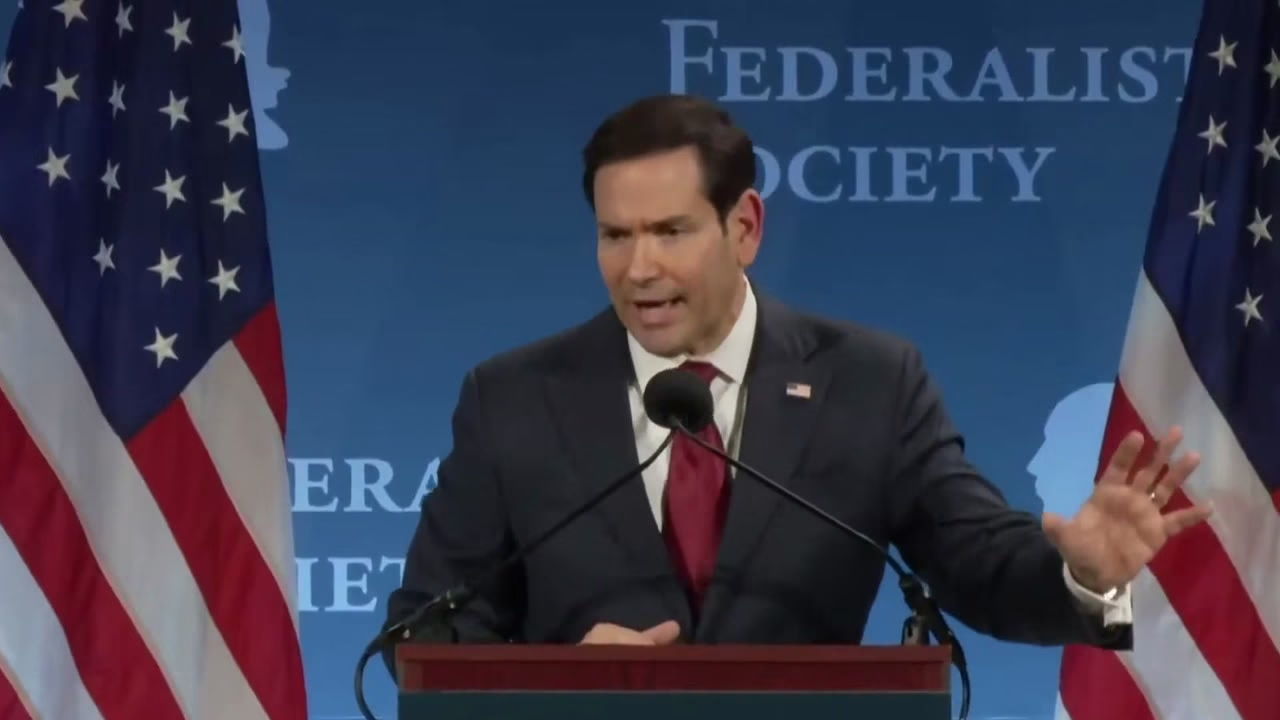
Rubio sharpened that message on Friday, the day the ruling was made public. Addressing the Federalist Society's National Lawyers Convention in Washington, he warned that if the court tried to enforce its "paper decrees" on Americans, the U.S. answer would echo the Roman general Pompey: "Stop quoting laws to men with swords."
It is not clear whether closing the Afghanistan file will ease American concerns. The ruling does not change the Rome Statute, under which the court can prosecute anyone accused of atrocity crimes committed on the territory of a member state, regardless of nationality. Afghanistan joined the court in 2003.
Photos: Wikimedia Commons; Ally Daily