- BIST10011,909+0.56%
- USD50.28+0.05%
- EUR55.60-0.24%
- GOLD3,866.00-0.52%
- INTEREST36.00%-1.00
- BITCOIN64,461-1.31%
- November 16, 20262°
- BIST10011,909+0.56%
- USD50.28+0.05%
- EUR55.60-0.24%
- GOLD3,866.00-0.52%
- INTEREST36.00%-1.00
- BITCOIN64,461-1.31%
- November 16, 20262°
Press freedom group urges ICE to free Afghan journalist held in California
The Committee to Protect Journalists says Shaban Ali Rafat has been in ICE custody since January 2025 and now faces deportation to Taliban-ruled Afghanistan. The group wants him released and given a full hearing on his asylum claim.


The Committee to Protect Journalists (CPJ) is calling on U.S. Immigration and Customs Enforcement to immediately and unconditionally release Shaban Ali Rafat, an Afghan journalist who has been held in ICE custody in California for nearly two years.
In a statement issued in New York on Nov. 13, the press freedom group said Rafat was detained on Jan. 21, 2025, when he tried to enter the United States to seek asylum. According to his attorney, David Tarr, he now faces deportation to Afghanistan. CPJ is also asking U.S. authorities to give him full access to a hearing on the merits of his asylum claim.
'Into the hands of the very persecutors he escaped'
"Rafat fled Afghanistan because the Taliban made it impossible for him to work as a journalist without risking his life. Deporting him now would deliver him directly into the hands of the very persecutors he escaped," said Jose Zamora, CPJ's Americas regional program director. "His prolonged detention is a betrayal of the United States' commitments to press freedom and human rights."
CPJ said its emails to the Department of Homeland Security and ICE seeking an update on the status of Rafat's asylum claim did not receive an immediate reply.
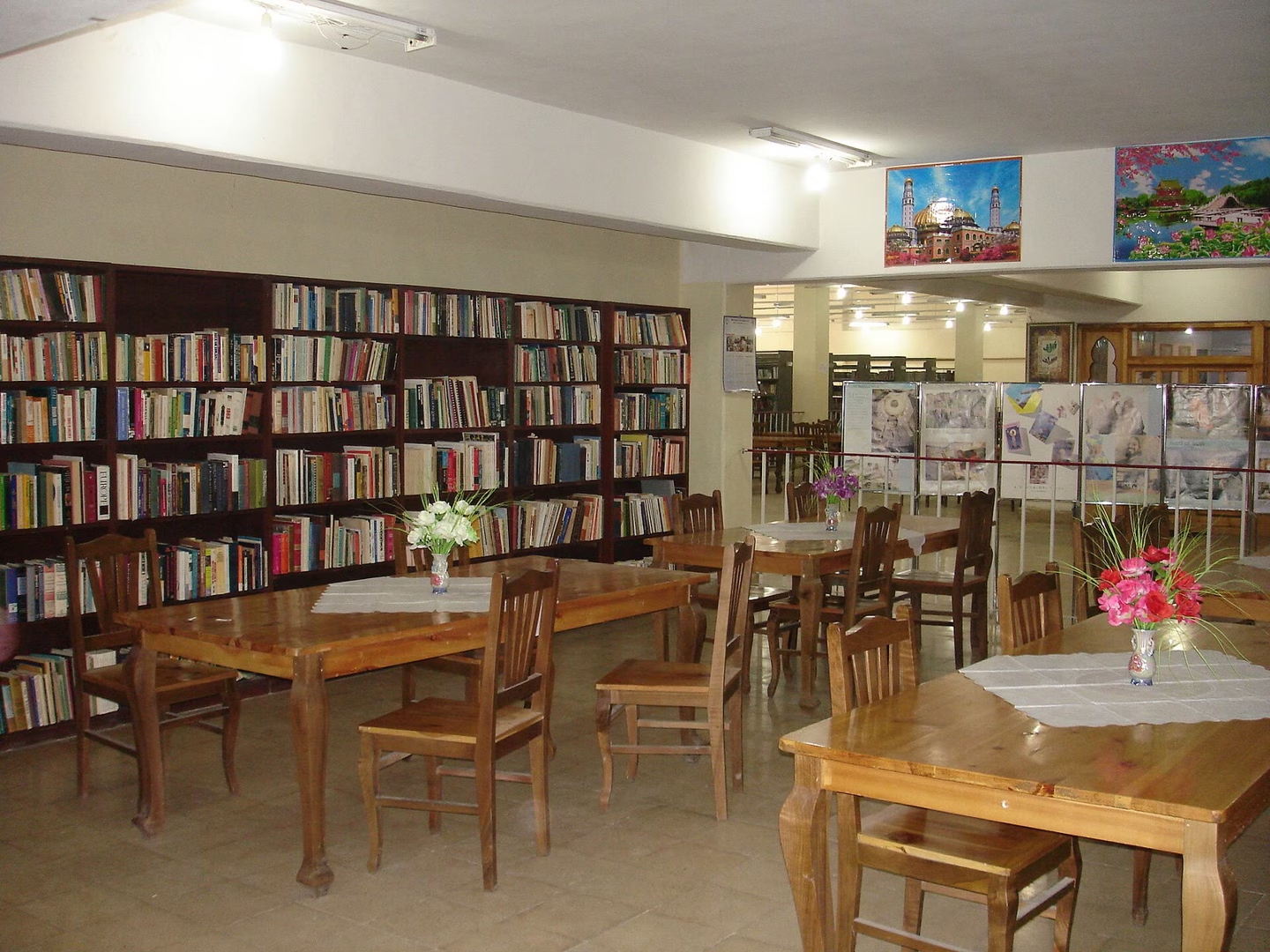
Before the Taliban returned to power in August 2021, Rafat worked as a producer and reporter for the state-owned Maaref TV and as a senior media officer at Kabul University. He reported extensively on the deadly November 2020 attack on the university and on the challenges facing Afghanistan's Hazara community, an ethnic and religious minority.
Court found detention unreasonable
Afghan outlet Khaama Press, citing court records, reported that a U.S. magistrate judge recommended on Nov. 6 that Rafat's habeas corpus petition be granted and that he be released under supervision, finding his continued detention unreasonable. The recommendation has been referred to a district judge and is not yet a final release order.
According to the same report, a screening under the Convention Against Torture found it more likely than not that Rafat would be tortured if he were sent back to Afghanistan.
CPJ said Hazara and Shia media have faced mounting pressure under Taliban rule. Khaama Press reported that in 2026 the Taliban shut down three outlets serving those communities, Tamadon TV, Rah-e-Farda TV and the Afghan Voice Agency, and detained some of their senior staff.
The case comes as the administration's moves to deport Afghans living in the United States draw growing scrutiny in Congress and from advocacy groups.
Sources: Committee to Protect Journalists, Khaama Press. Photos: U.S. Immigration and Customs Enforcement (public domain); Kabul University library, Wikimedia Commons.
Stay Updated with Ally Daily
Subscribe to be informed about special news, developments and announcements. We will keep you informed.
By signing up, you agree to our Privacy Policy