- BIST10011,909+0.56%
- USD50.28+0.05%
- EUR55.60-0.24%
- GOLD3,866.00-0.52%
- INTEREST36.00%-1.00
- BITCOIN64,461-1.31%
- November 16, 20262°
- BIST10011,909+0.56%
- USD50.28+0.05%
- EUR55.60-0.24%
- GOLD3,866.00-0.52%
- INTEREST36.00%-1.00
- BITCOIN64,461-1.31%
- November 16, 20262°
Iran claims U.S. fighter jets escorted two more tankers that hit Hormuz mines
Iran's Revolutionary Guards said Monday that two more oil tankers exploded on naval mines while crossing the Strait of Hormuz under the guidance of U.S. officers and with American fighter jets overhead, a claim no one has independently verified. Oil held near $95 a barrel as traders weighed the reports against a growing supply glut.
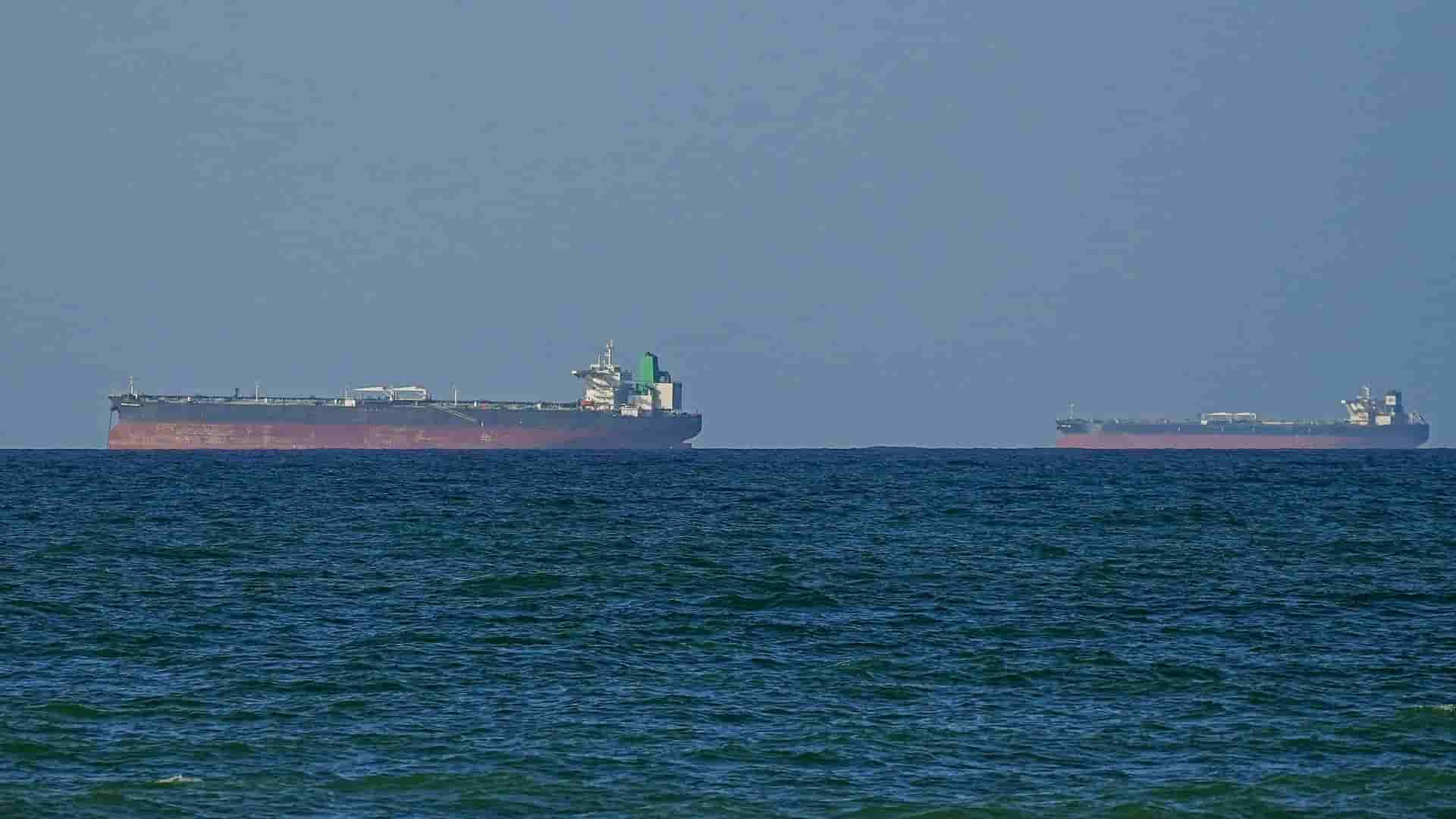
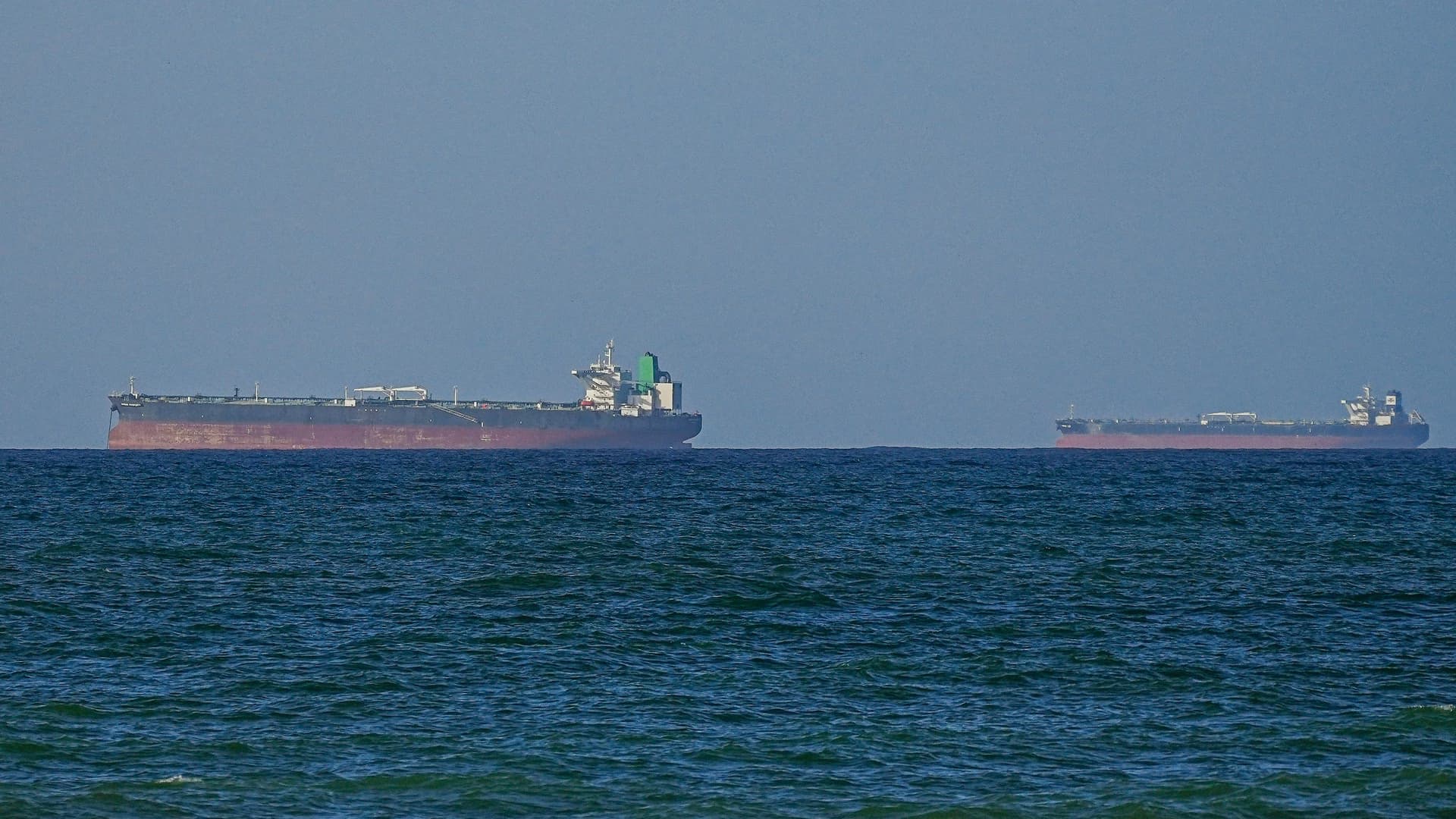
Iran's Revolutionary Guards on Monday accused the U.S. military of steering oil tankers into a minefield, saying two more tankers exploded after striking naval mines in the Strait of Hormuz while moving "under the direct guidance of U.S. officers" and with support from American fighter jets.
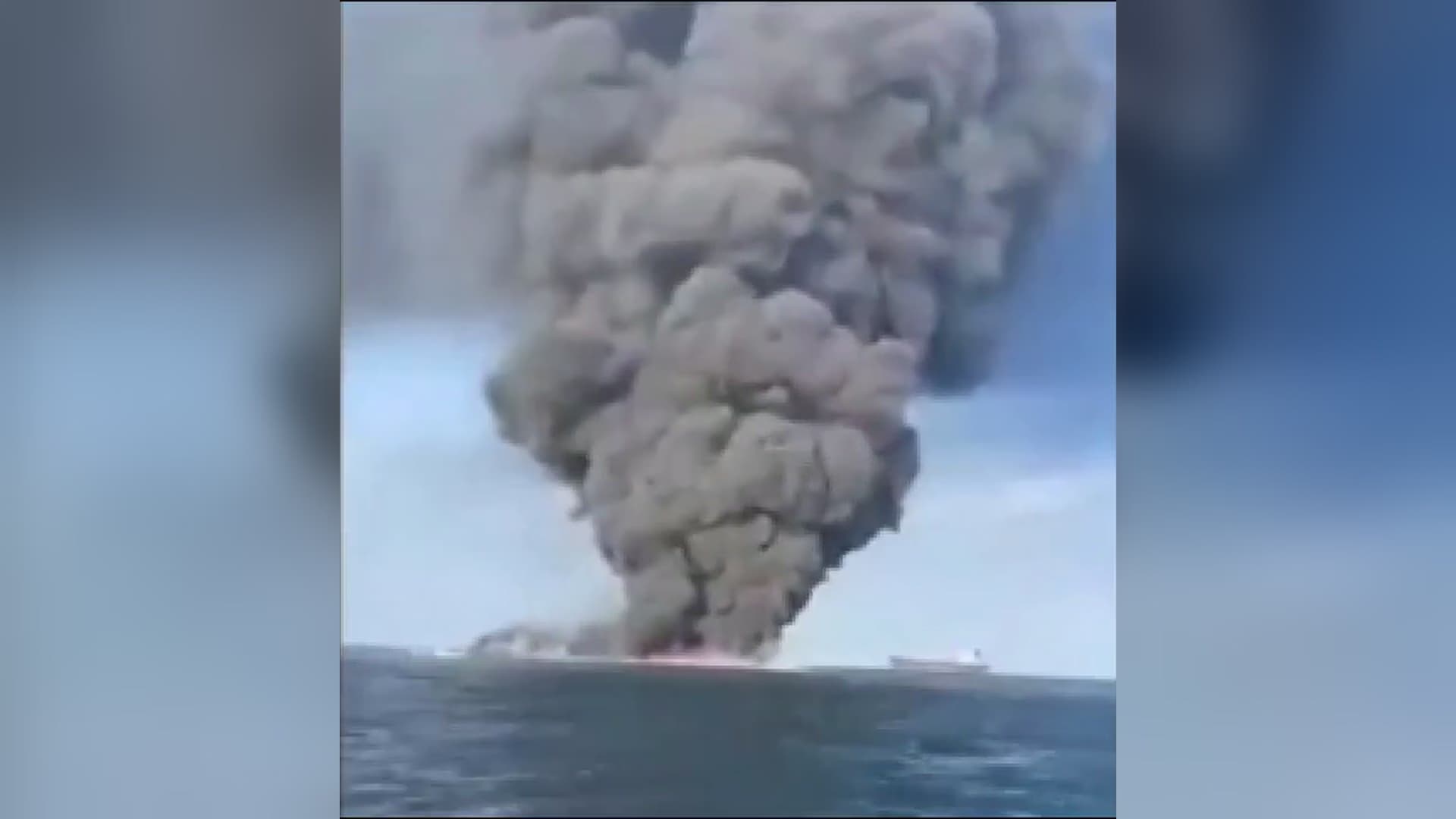
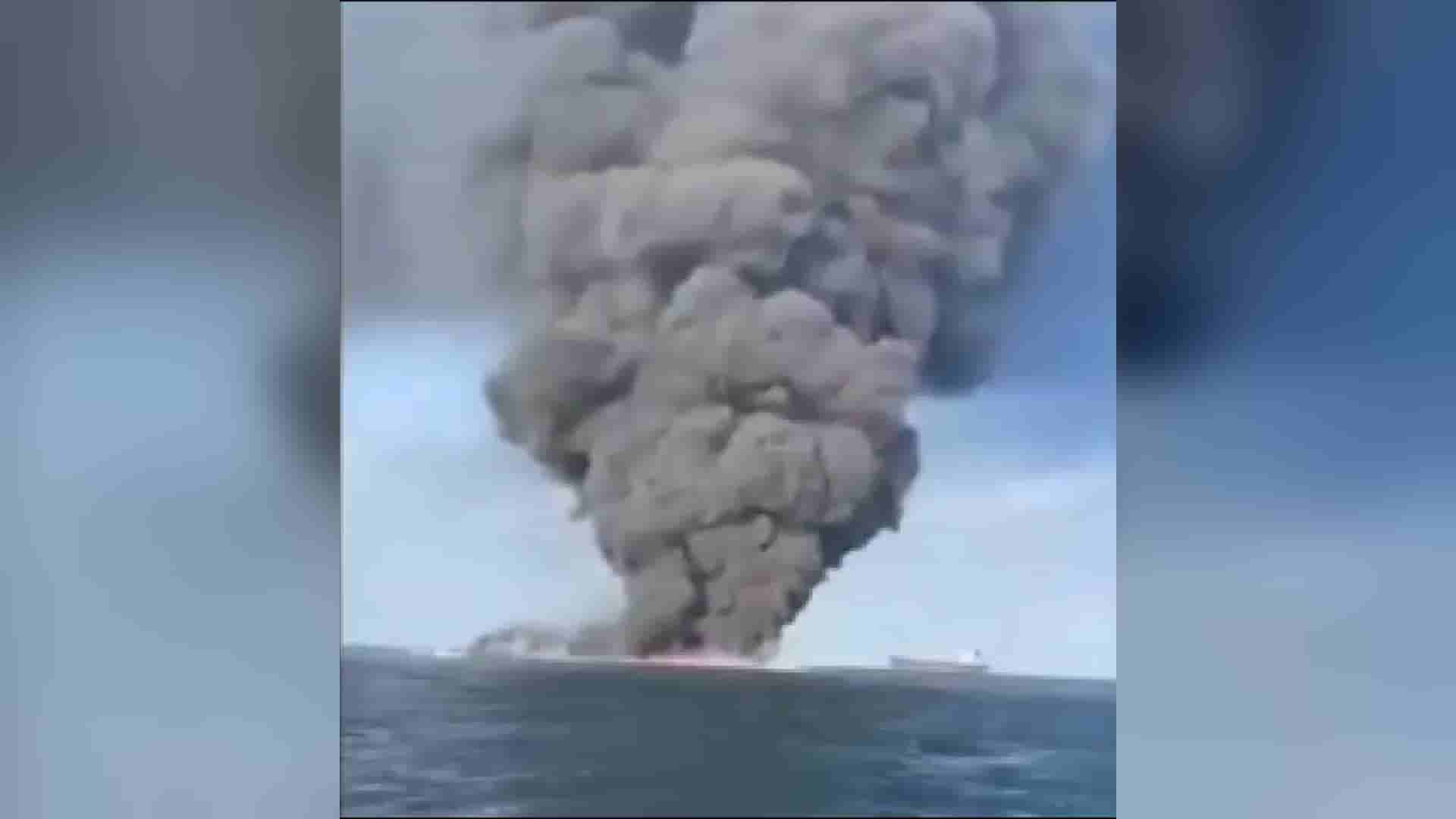
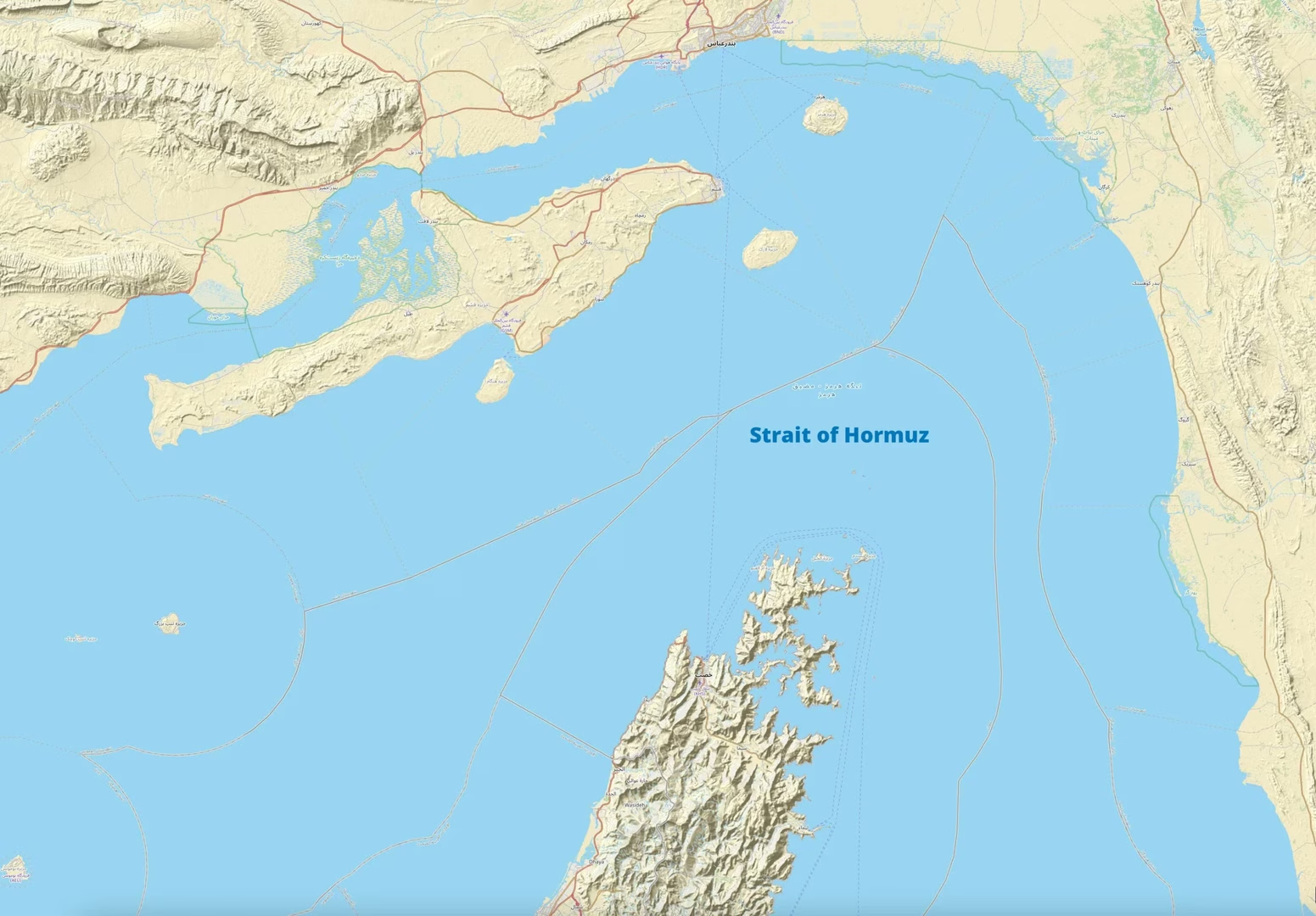
In a statement carried by Iranian state media, the Guards' navy said the tankers were trying to cross the southern part of the strait and suffered several powerful explosions that lit up the sky over the waterway for hours. It said they blew up near the two tankers it reported hitting mines on Sunday, and claimed that six tankers in all have caught fire and are sinking in the strait since then.
The Guards did not name the ships, their flags or their owners, and gave no details on their crews or on any casualties. None of the claims has been independently confirmed.
"Walls of fire" on a U.S.-backed route
"The southern American-created route in the Strait of Hormuz has been mined with walls of fire," the statement said. It warned shipowners that tankers relying on assurances from U.S. military officials would be put in danger, and described the attacks as punishment for Washington's naval blockade of Iranian ports and for violating Iran's rules for the strait. The Guards also said pollution from the blasts had spread across the strait's waters and shores.
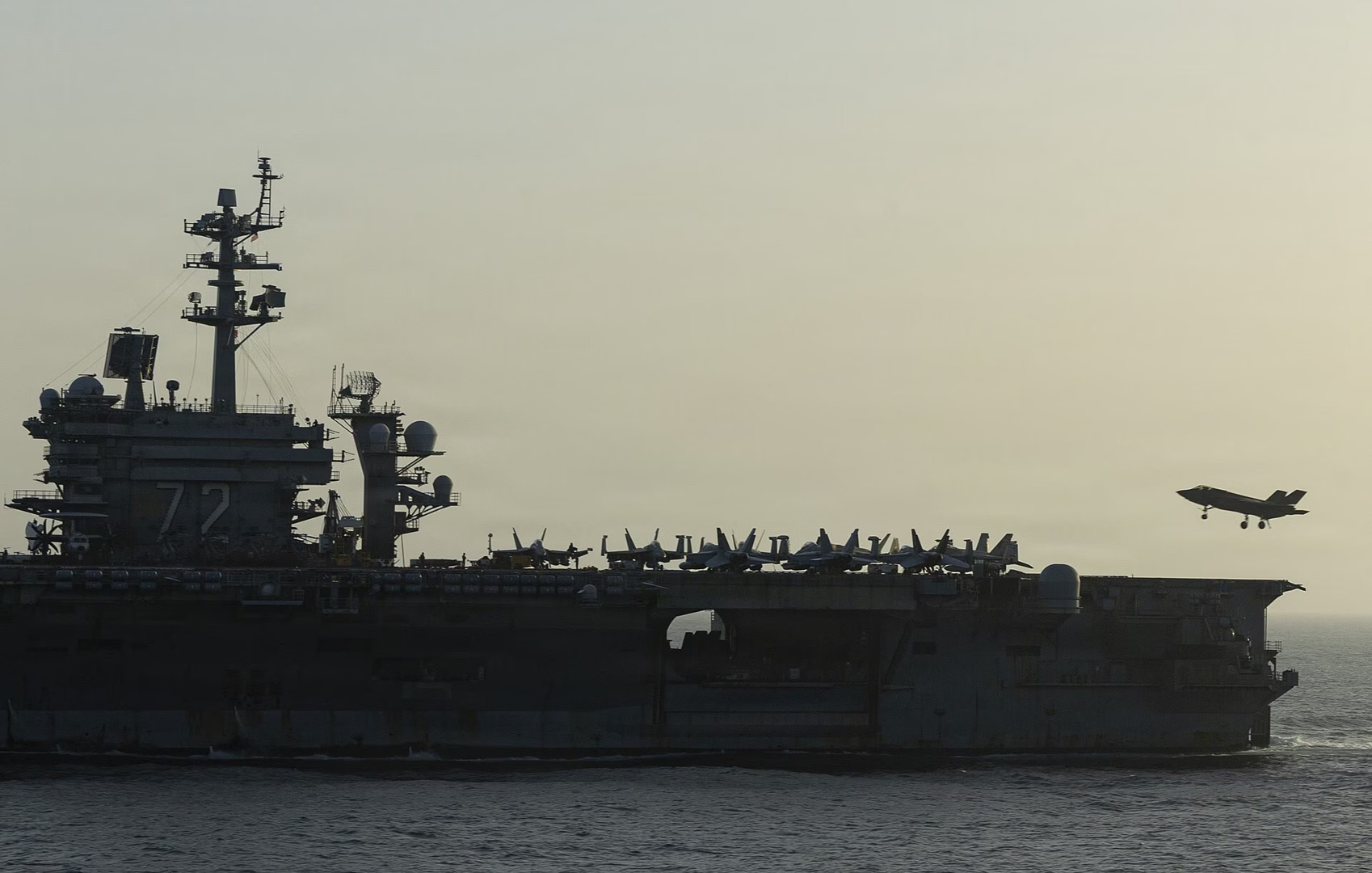
American warplanes are indeed active over the region. U.S. Central Command said Saturday that Air Force F-16s were flying patrols in the Middle East and that Gulf partners had shipped more than 1.7 billion barrels of crude through Hormuz under U.S. protection. The U.S. military, which has enforced a naval blockade of Iranian ports since the spring, also says it has cleared the main shipping lanes of mines.
There was no immediate comment from U.S. Central Command on Monday's claim. In September, CENTCOM called a similar Revolutionary Guards mine claim false, saying the tanker in question had been hit by an Iranian missile and a drone instead.
A third U.S. carrier arrives
The latest claim comes as Washington adds firepower in the region. The carrier USS Theodore Roosevelt reached the Central Command area on Sunday, Axios reported, citing a U.S. official, giving the U.S. three carrier strike groups there along with the USS George H.W. Bush and the USS George Washington.
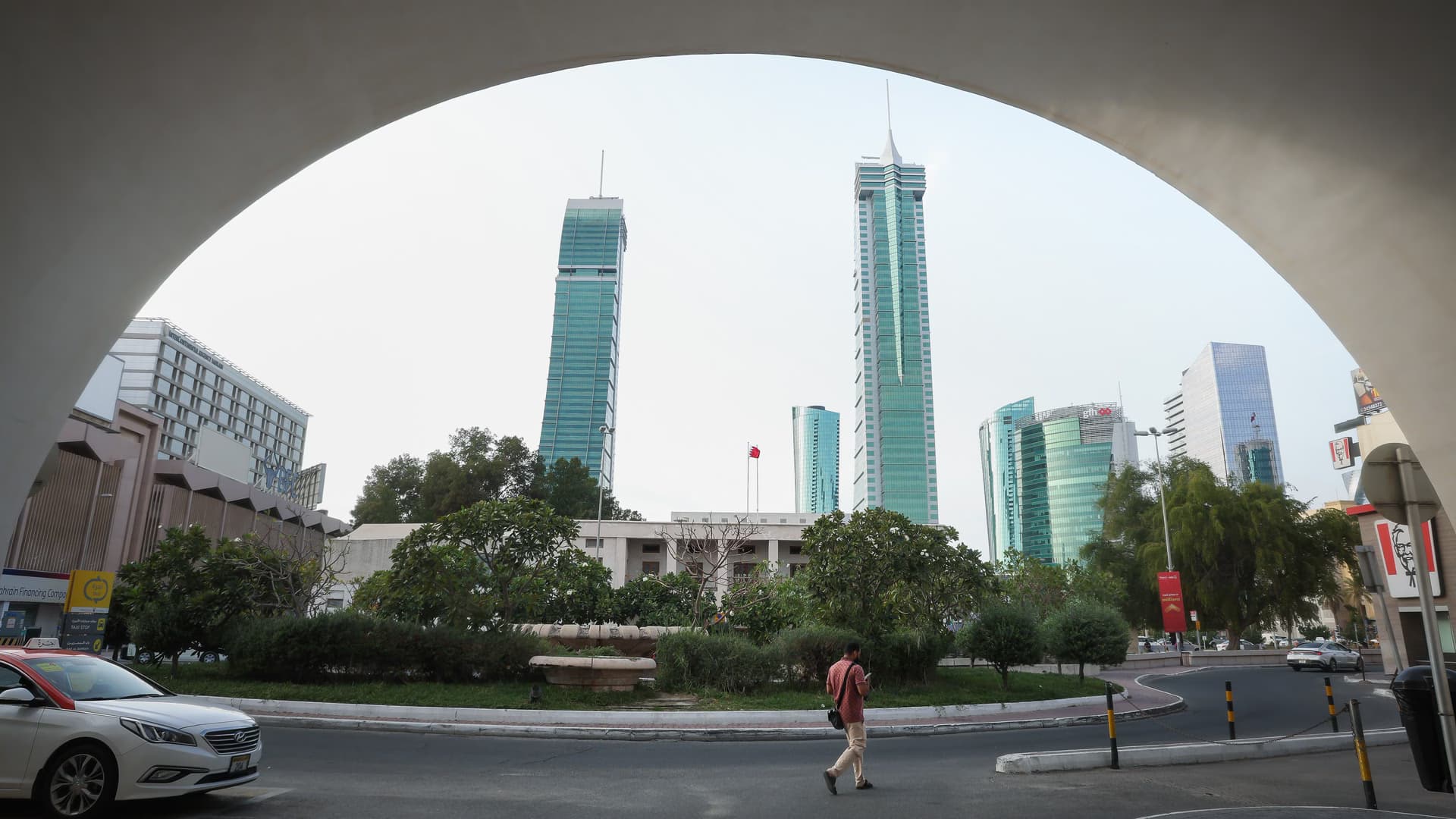
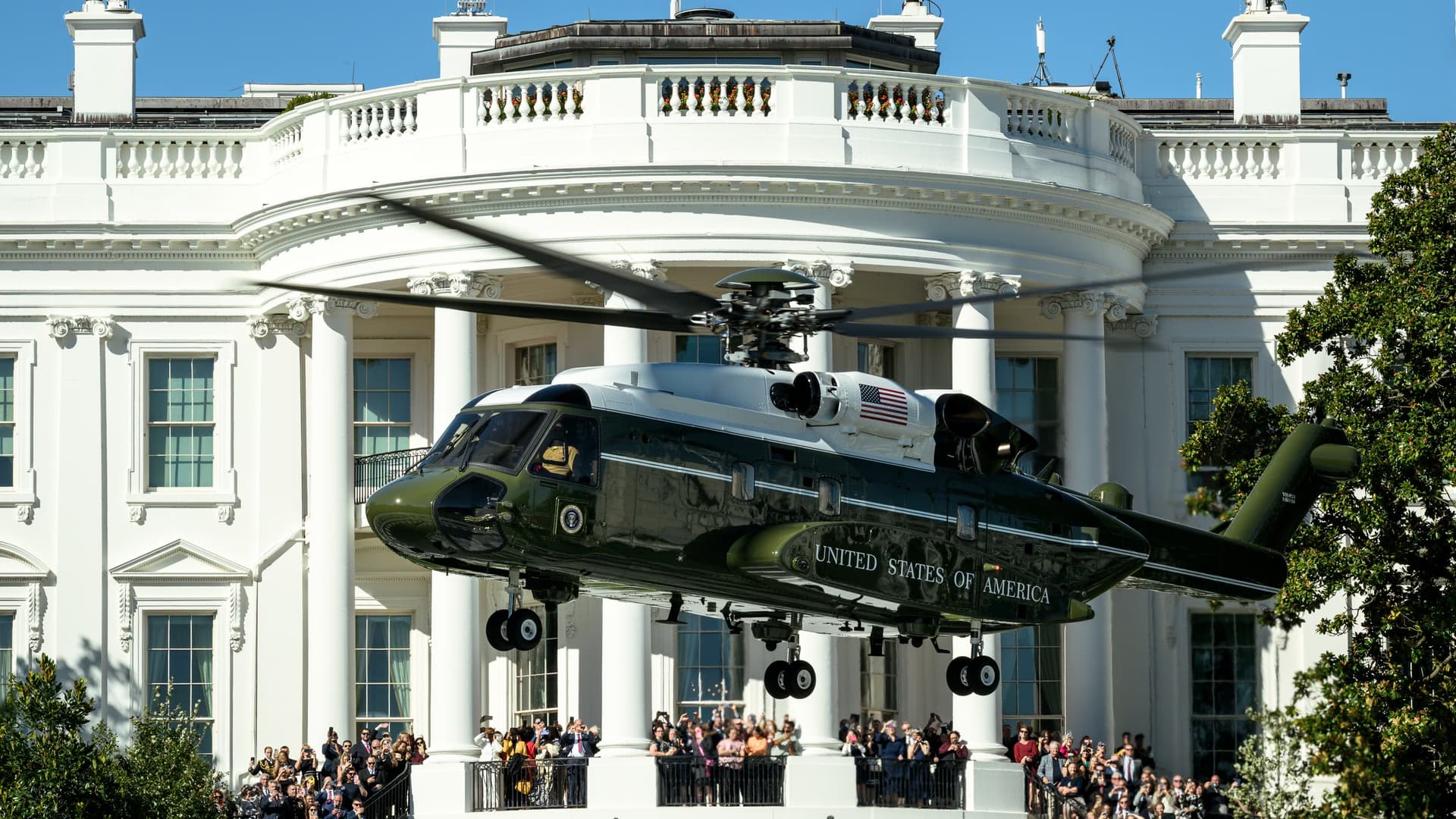
On the same day, the Guards said they launched drones at a U.S. air defense radar at Riffa Air Base in Bahrain, and Bahrain's military said it destroyed them. President Donald Trump has said further attacks on Iran may not be "necessary" but that U.S. forces remain "locked and loaded," while Iran's parliament speaker, Mohammad Bagher Ghalibaf, said the war could end if Washington accepted Tehran's "logical conditions."
Oil and the pump
Markets shrugged off the reports. Brent crude traded around $95 to $96 a barrel in Asia on Monday and U.S. crude near $88, steady after two weekly declines that included a 16% plunge two weeks ago. The International Energy Agency said Friday that global oil supply now exceeds demand for the first time since the war began, with a surplus of about 2 million barrels a day expected this quarter as flows through Hormuz partly recover.
That has helped American drivers. The AAA national average for regular gasoline stood at $3.84 a gallon on Saturday, down from $4.33 a month earlier. In normal times about a fifth of the world's oil passes through Hormuz, and any sign that the attacks are hitting real cargoes could quickly push prices back up.
Cover photo: Anadolu Agency (file). Photo: U.S. Navy. Map: OpenStreetMap contributors via Wikimedia Commons (CC BY 4.0). Sources: Revolutionary Guards statement via Iranian state media, Anadolu Agency, Reuters, Bloomberg, Axios, AAA.
Have a story, event or announcement of your own?Send us your news on WhatsApp
Spotted an error in this story?Report it on WhatsApp
Share on all social platforms
Sponsored Ads
Featured Listings
Loading featured properties...
Stay Updated with Ally Daily
Subscribe to be informed about special news, developments and announcements. We will keep you informed.
By signing up, you agree to our Privacy Policy