- BIST10011,909+0.56%
- USD50.28+0.05%
- EUR55.60-0.24%
- GOLD3,866.00-0.52%
- INTEREST36.00%-1.00
- BITCOIN64,461-1.31%
- November 16, 20262°
- BIST10011,909+0.56%
- USD50.28+0.05%
- EUR55.60-0.24%
- GOLD3,866.00-0.52%
- INTEREST36.00%-1.00
- BITCOIN64,461-1.31%
- November 16, 20262°
U.S. intelligence finds Iran still has up to 2,500 missiles, WSJ reports
American intelligence agencies estimate Iran retains 1,500 to 2,500 missiles after months of U.S. and Israeli strikes, The Wall Street Journal reported, a finding at odds with President Trump's claims that Tehran's arsenal was wiped out. Officials called it a low-confidence estimate.
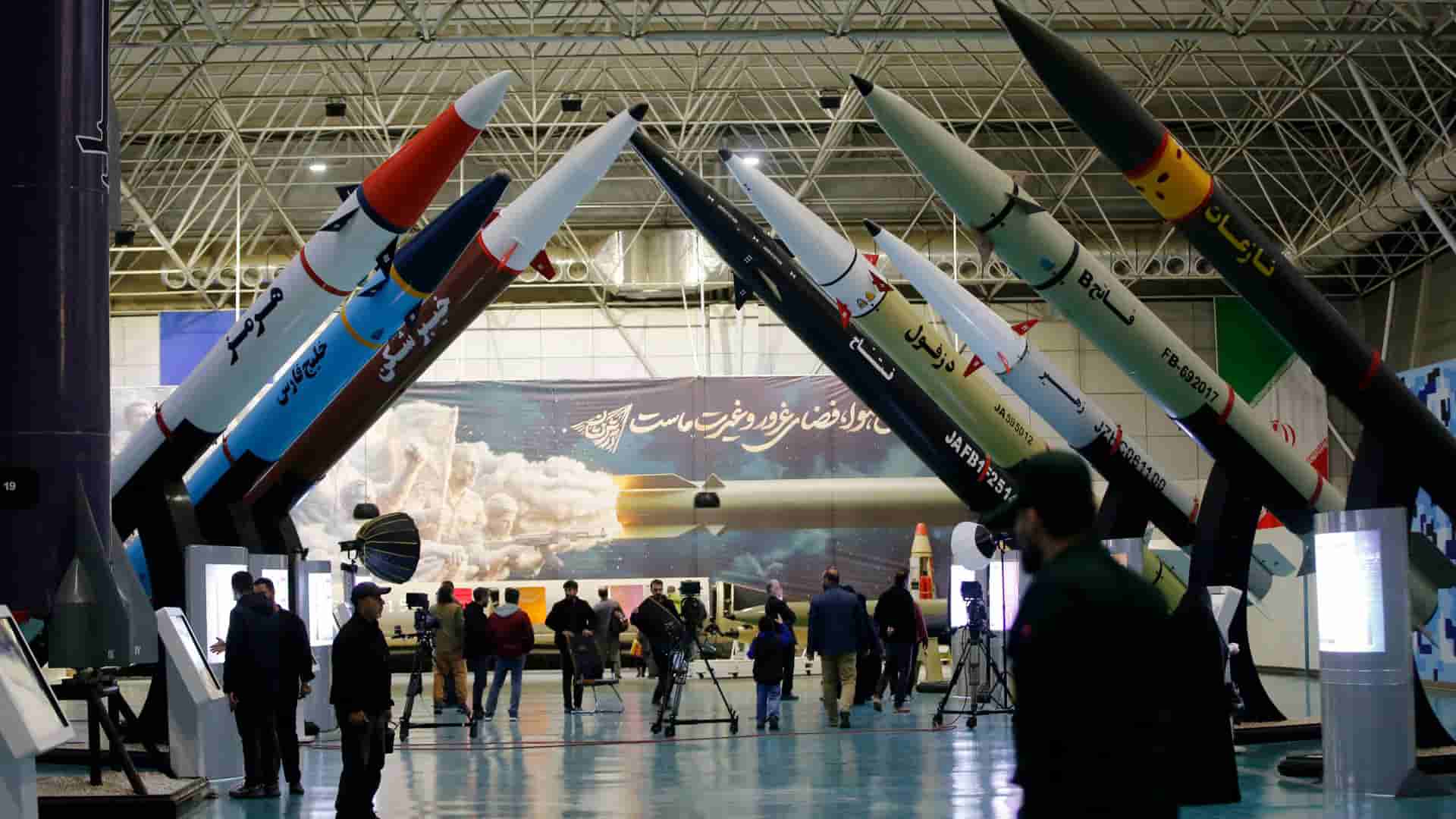
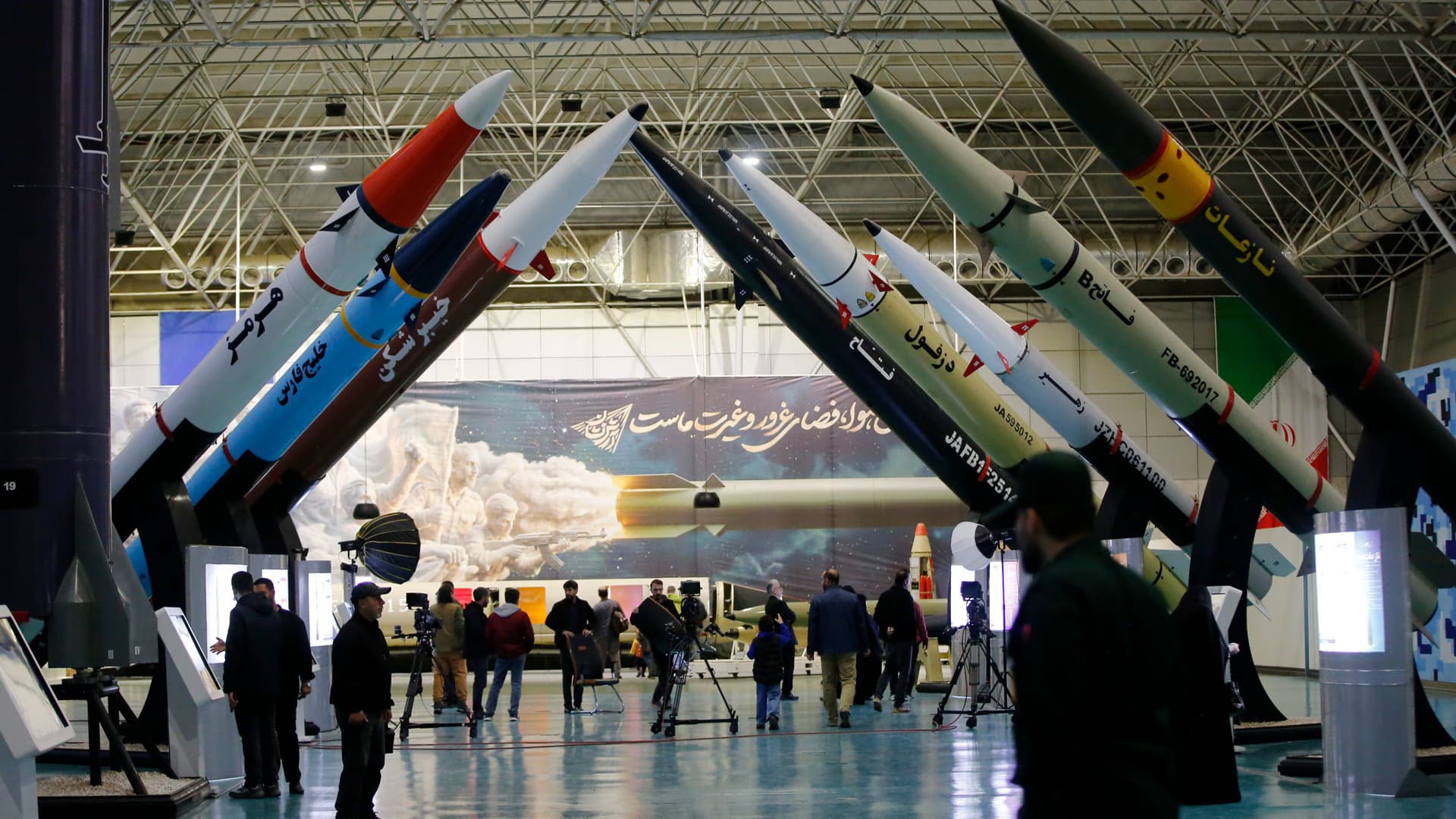
U.S. intelligence agencies estimate that Iran still has between 1,500 and 2,500 missiles after months of American and Israeli strikes on its weapons infrastructure, The Wall Street Journal reported, citing U.S. officials. The finding cuts against repeated claims by President Donald Trump and senior members of his administration that Tehran's military capabilities have been largely destroyed.
The officials described the estimate as a "low-confidence" assessment because it is hard to tell how many missiles are ready to launch and how many sit in storage. Even so, they told the newspaper that Iran keeps a formidable stockpile, enough to threaten U.S. forces and American allies in the region if fighting resumes.
Rebuilding from stored parts
Iran has kept rebuilding its arsenal despite damage to its production plants, though at a slower pace than before the war, mostly by assembling missiles from components it had stockpiled in advance, according to the report. Tehran also holds large numbers of drones and short-range missiles.
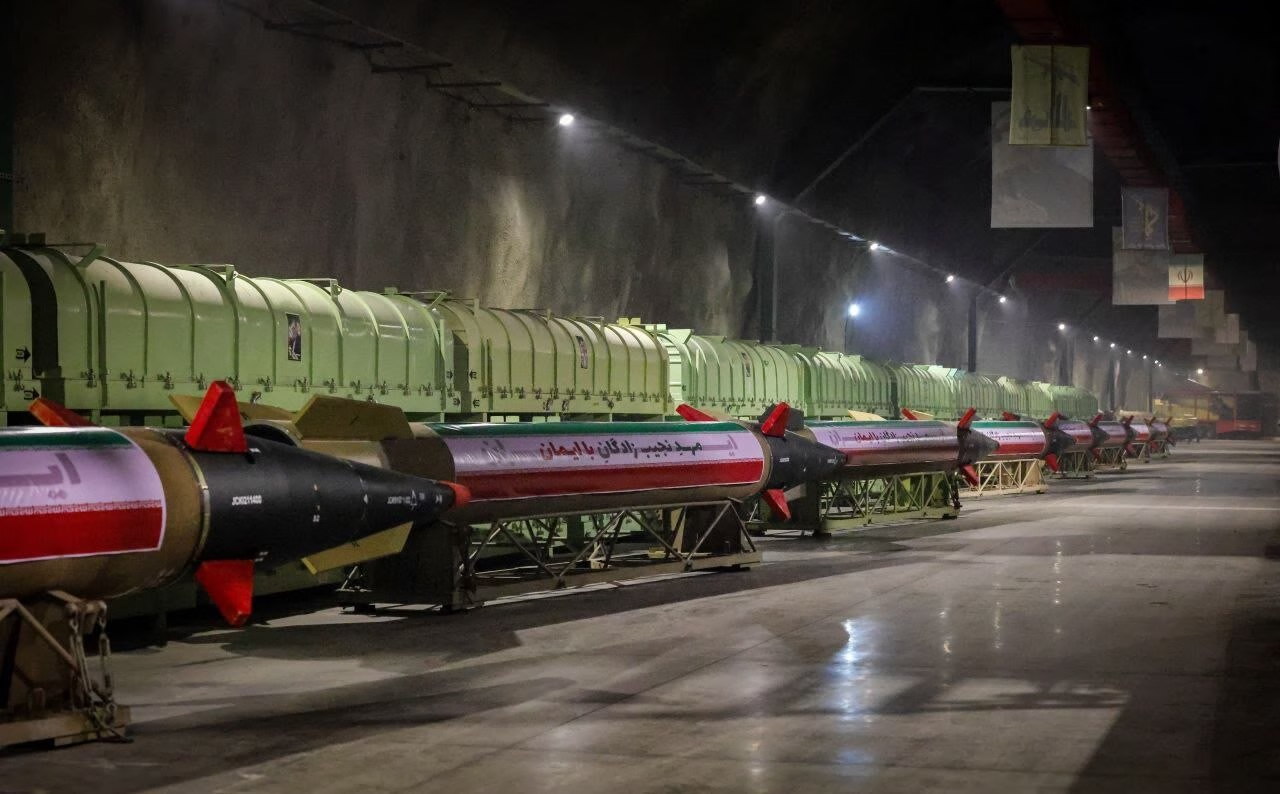
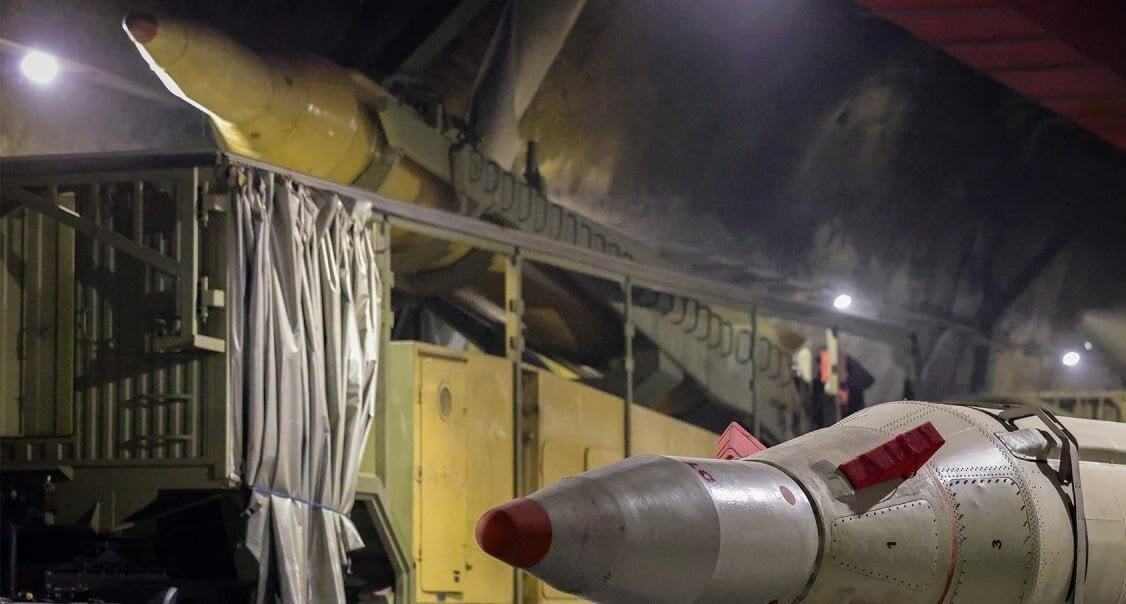
The image above comes from the new underground "missile city" that the Islamic Revolutionary Guard Corps' Aerospace Force unveiled on Nov. 10, showing ballistic and cruise missiles lined up in tunnels as armed forces chief Maj. Gen. Ali Abdollahi toured the site, Iranian state media reported. A Guards spokesman said missile and drone production lines were being moved from surface plants to underground sites.
Simone Ledeen, who served as deputy assistant secretary of defense for the Middle East during Trump's first term, told the Journal that even the lowest estimate would mean Iran has restored more than half of its estimated prewar stockpile. Israeli military officials also put Iran's ballistic missile inventory above 1,500, though assessments across the region vary, the paper said.
Bases, radars and the next decision
According to the report, Iran's missile and drone attacks on U.S. military facilities, radar sites and early-warning systems across the Middle East have pushed Washington to move numerous military assets to Israel, which officials consider safer. The officials said Iran's recovery is also shaping debate inside the Trump administration over whether to launch another offensive.
So far, Washington has relied on sanctions and a naval blockade rather than a new major military campaign. Gulf allies have warned against renewed fighting for fear of Iranian retaliation, while Israel keeps pressing for more strikes, the Journal reported.
Trump has said the United States won the war, but at a Veterans Day ceremony on Wednesday he signaled the job was not finished. "We want to make sure we have a total victory, not a 93 percent victory," he said.
Tehran, for its part, is sending its own signals. On Sunday, Iranian Parliament Speaker Mohammad Bagher Ghalibaf said Iran would not stay in a "no war, no peace" situation and warned that if the United States "makes a mistake" again, Iran's armed forces would decide the geography of the war, the Tasnim news agency reported.
Cover photo: Anadolu. Body photos: IRGC handout via Iranian media
Stay Updated with Ally Daily
Subscribe to be informed about special news, developments and announcements. We will keep you informed.
By signing up, you agree to our Privacy Policy