- BIST10011,577-1.87%
- USD49.60+0.05%
- EUR55.68+0.11%
- GOLD4,112.40-0.91%
- INTEREST37.00%-1.00
- BITCOIN82,463-1.86%
- October 22, 20268°
- BIST10011,577-1.87%
- USD49.60+0.05%
- EUR55.68+0.11%
- GOLD4,112.40-0.91%
- INTEREST37.00%-1.00
- BITCOIN82,463-1.86%
- October 22, 20268°
Italy suspends Schengen with Spain after Ceuta migration crisis
After approximately 50,000 irregular migrants entered Spain's Ceuta, Italy suspended the Schengen free movement arrangement with Spain. Experts warn that disruption to mobility within the Schengen area could jeopardize European tourism and $45 billion in spending.


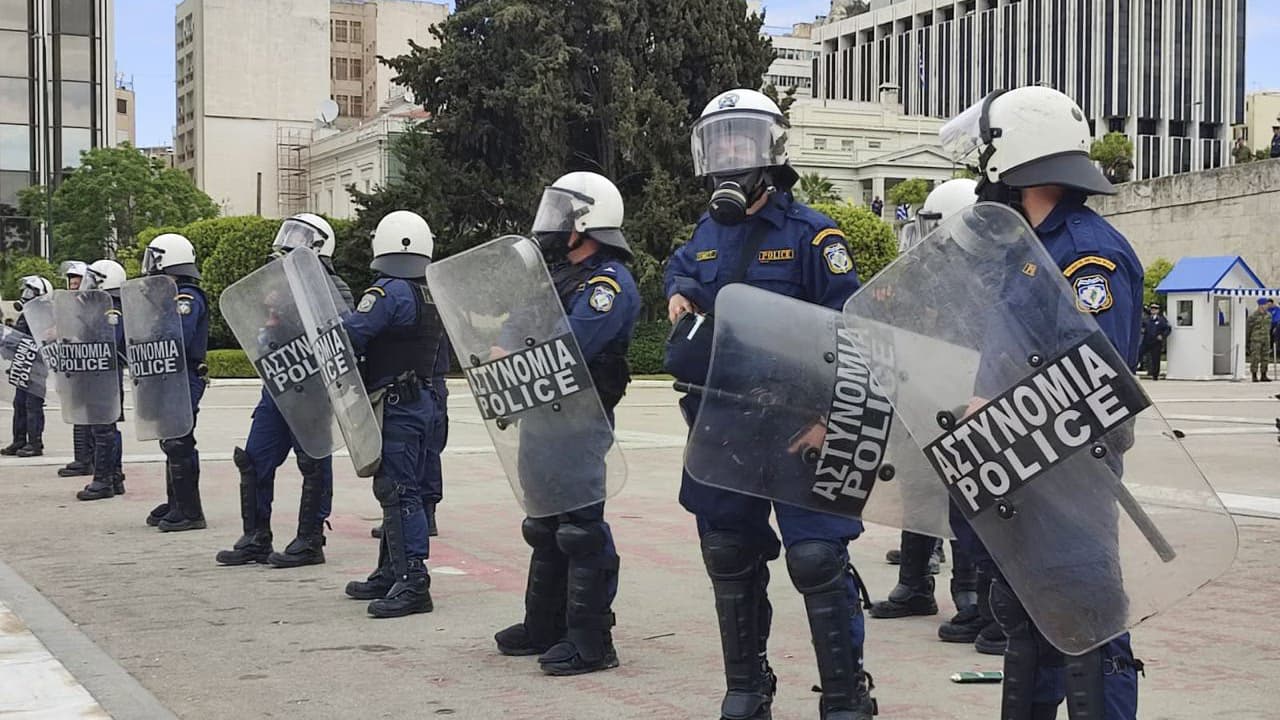
Europe's balance between border security and free movement has been shaken once again by the migration crisis in the Spanish enclave of Ceuta. After approximately 50,000 irregular migrants entered the city, Italy announced it was suspending the Schengen arrangement with Spain and introduced temporary border controls for arrivals by air and sea.
The crisis's effects were not limited to Italy. France tightened checks on its border with Spain, while Portugal also increased security measures on its southern border. These developments have opened up debate on the future of the Schengen area, one of the European Union's most significant achievements.
Schengen, the Cornerstone of European Tourism
The Schengen Agreement is not merely an arrangement that removes internal border controls; it has also become one of Europe's most powerful tourism products offered to the world. The continent is marketed as a single destination where tourists can easily travel between dozens of countries without visa or passport checks.
According to Eurostat data, the number of air passengers in the European Union rose by 4.9 percent in 2025 compared to the previous year, reaching 1.093 billion. In the last quarter of 2025 alone, EU airports served 255 million passengers. Spain ranked first with 272.1 million passengers, followed by Germany with 207.2 million and Italy with 193.3 million. These three countries at the center of the crisis also constitute Europe's largest travel markets.
Experts Warn of $45.4 Billion Risk
A study by the World Travel & Tourism Council (WTTC) revealed that long waiting times at Schengen borders directly affect travel decisions. According to the study, if waiting times regularly reach 3 to 4 hours, up to 41 million tourist visits and $45.4 billion in tourism spending could be at risk.
In a survey of more than 2,500 travelers from the UK, US, Canada and Australia, approximately 33 percent of respondents said their willingness to visit Europe would decrease if long queues became permanent. On the other hand, 65 percent of respondents said they supported the new European entry-exit system after learning about it, and 87 percent said they were willing to tolerate some congestion if it would facilitate travel.
Tourism Sector Concerned
Tourism expert Abd al-Salam Ali al-Kiyali noted that the debate over the suspension of Schengen coincides with the peak of the summer holiday season. According to al-Kiyali, the psychological impact on travelers could be greater than the practical impact. Most visitors from Gulf countries and distant markets plan multi-country itineraries relying on the ease of movement within the Schengen area.
Tourism expert Ayman al-Qudwa stressed that multi-destination travel is one of Europe's most important attractions. Al-Qudwa said that land tourism would be most affected by possible prolonged border restrictions, as this sector is directly dependent on border crossings by bus and private vehicle.
Economist Kamil al-Sari said European countries are aware that tourism accounts for about 12 percent of gross domestic product in some economies, and therefore they are careful to ensure that security measures do not become a permanent barrier to travel. Al-Sari argued that the sustainable solution lies in technological developments such as biometric passports and AI-powered transit systems.
Stay Updated with Ally Daily
Subscribe to be informed about special news, developments and announcements. We will keep you informed.
By signing up, you agree to our Privacy Policy