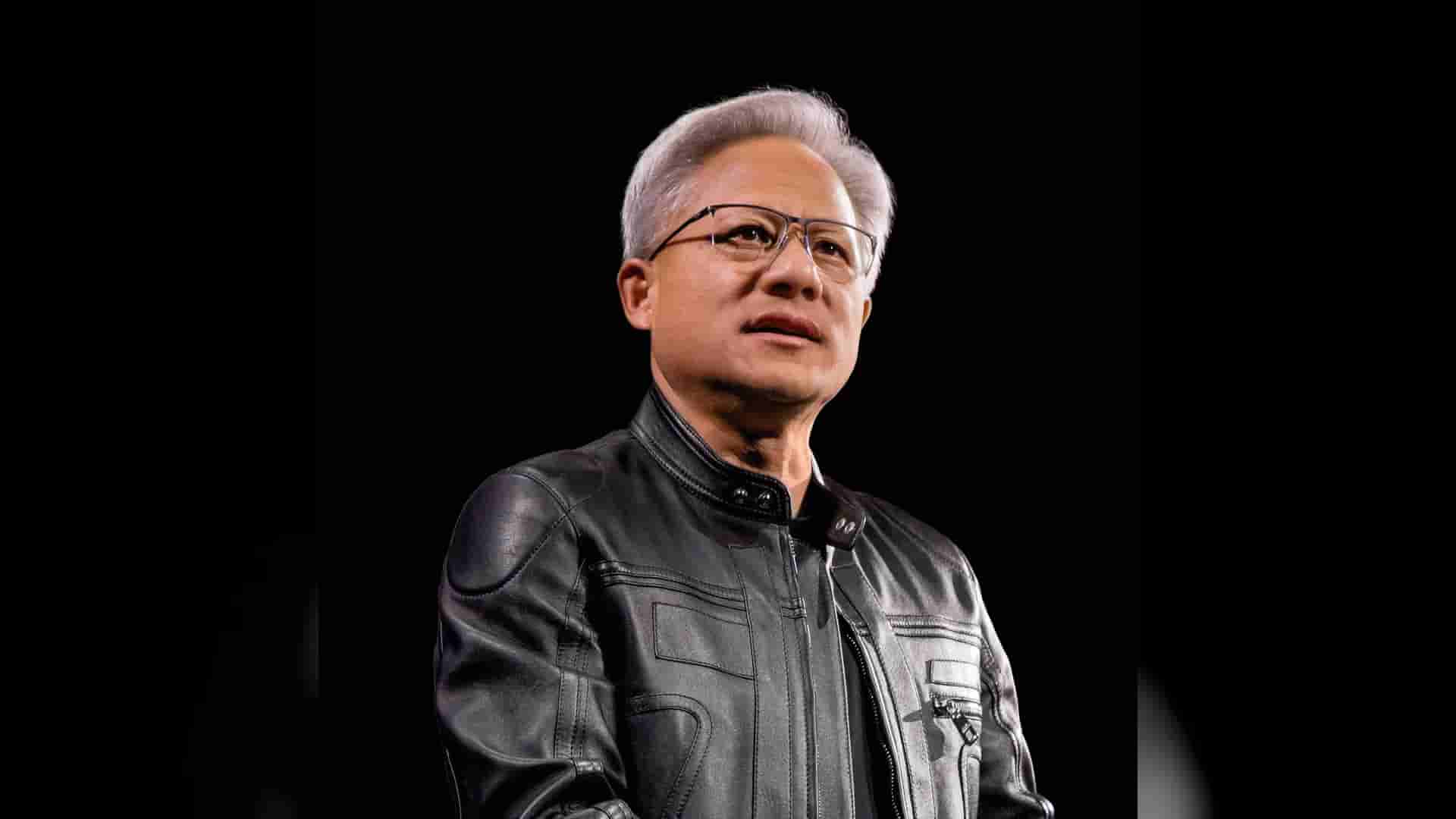
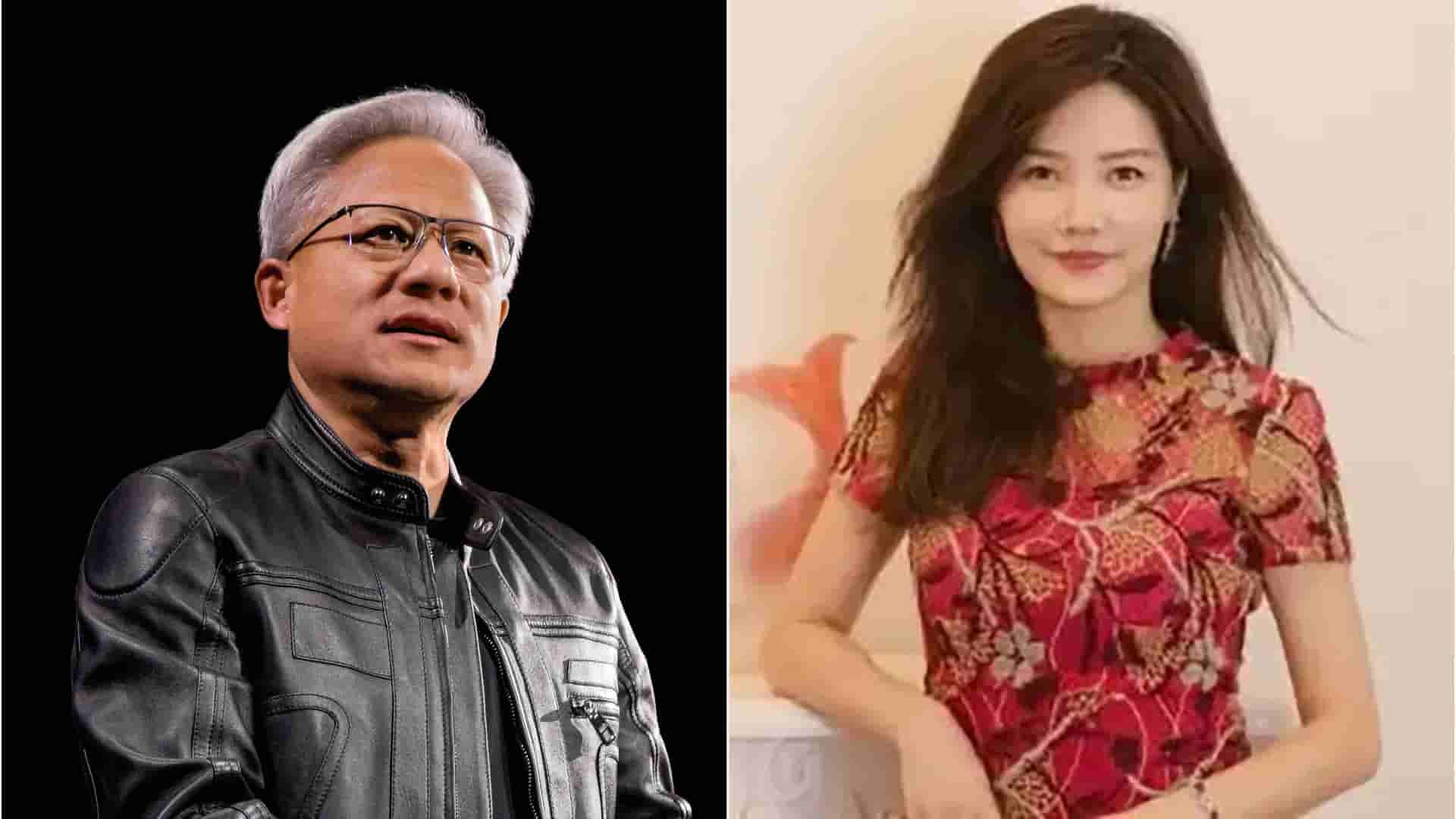
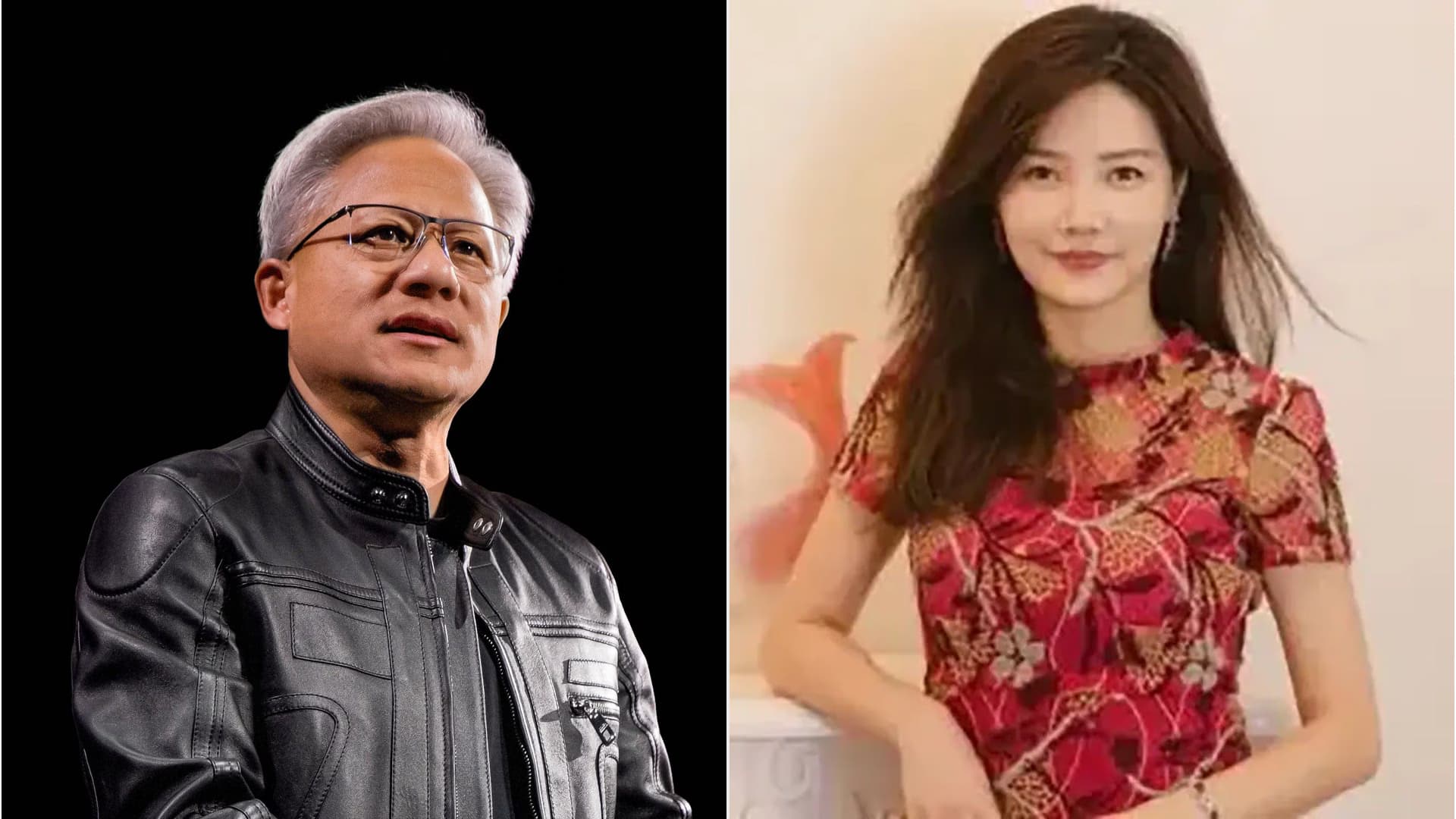
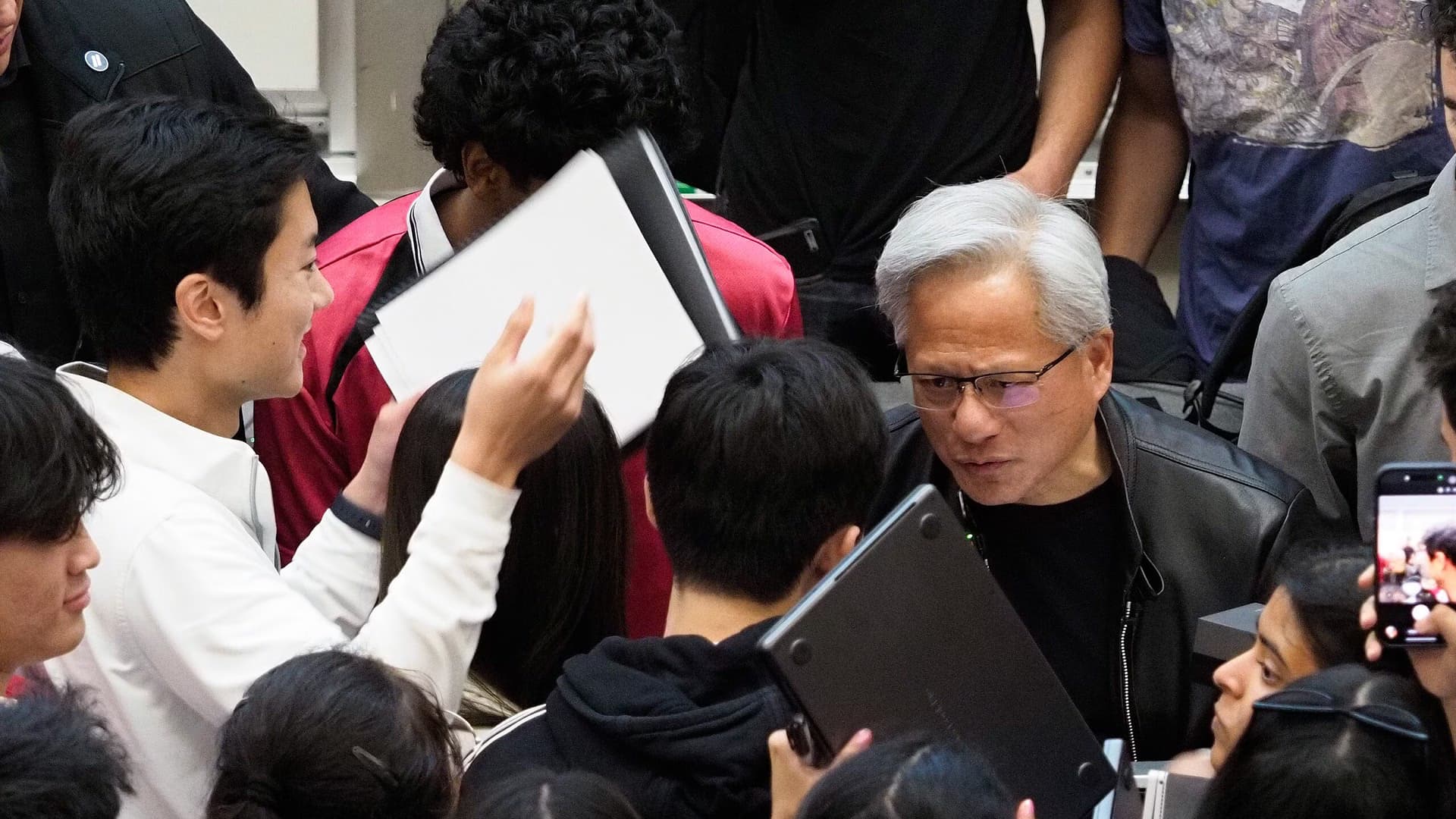
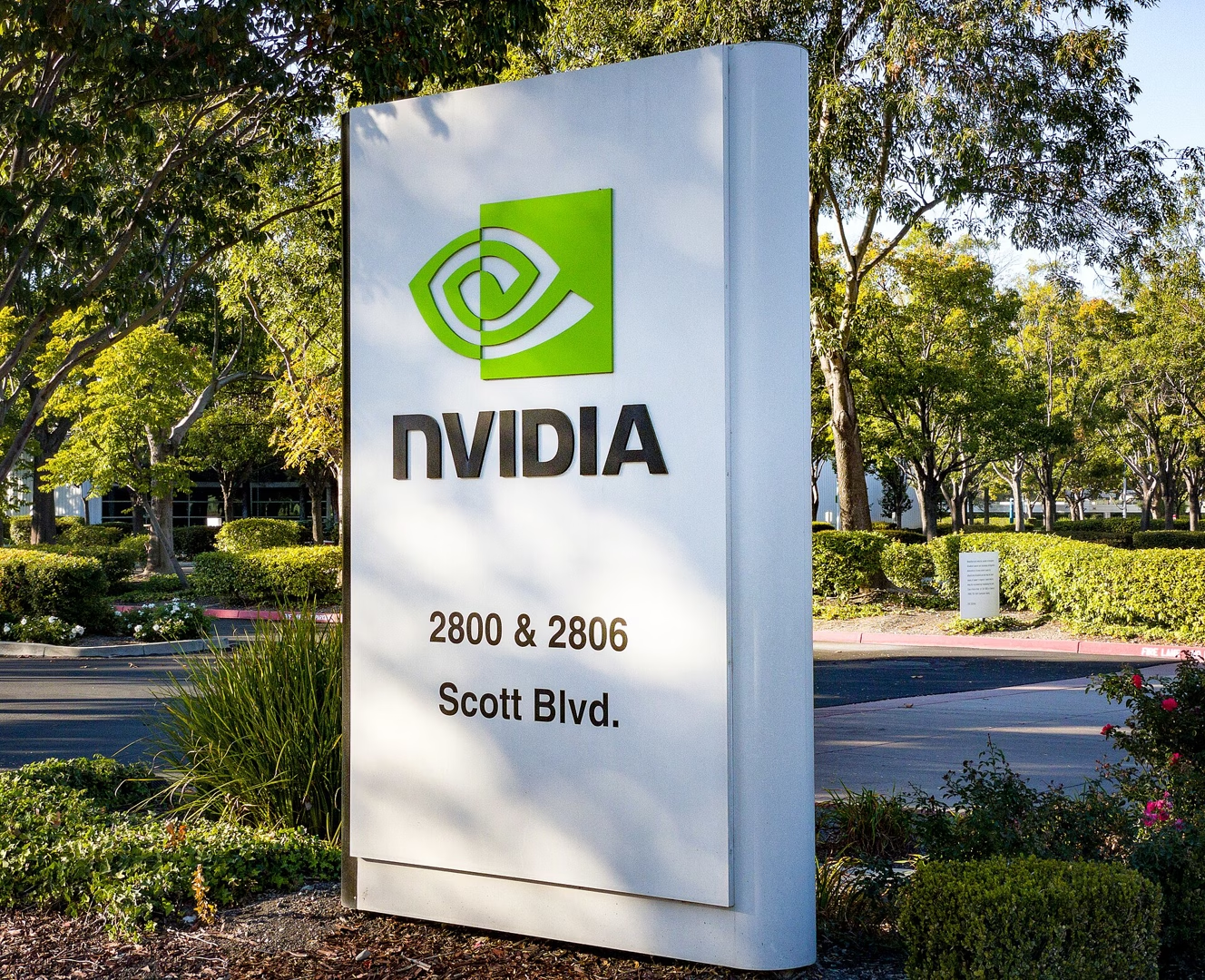
Jensen Huang has resigned as president and chief executive of Nvidia, the chipmaker said Thursday, just days after he admitted to an affair with a woman U.S. intelligence officials identified as having been recruited by China's Ministry of State Security. Nvidia said its board accepted Huang's resignation on Wednesday.
Chief Financial Officer Colette Kress will serve as interim CEO until the company finds a permanent successor, while continuing as CFO, Nvidia said. Bloomberg had reported that the board was working with an outside firm to identify candidates.
"The Board has full confidence in Colette and the leadership team, and we expect the company's operations, customer commitments and product roadmap to continue without interruption," board chair Harvey Jones said in the release. The company said it will consider both internal and external candidates for the permanent role. Huang was not quoted in the announcement.
Who could succeed him?
Analysts and investors cited by Reuters see Kress and Ian Buck, the engineer behind Nvidia's CUDA software platform, as the leading internal candidates. Some reports said Apple hardware chief Johny Srouji was also among names considered.

Shares slide, market value tumbles
Nvidia's shares were down nearly 12% in early trading Thursday, TechCrunch reported. Since Friday, the stock has fallen as much as 19%, wiping out more than $855 billion in market value, and the selloff weighed on other AI-related stocks.
Huang co-founded Nvidia in 1993 and had led it as CEO ever since, turning a graphics-chip maker into the dominant supplier of processors powering the artificial intelligence boom.
Two affairs and a national security probe
The crisis began Sunday when Huang acknowledged an affair with Alice Huang, an executive at Singapore-based Megaspeed International, one of Nvidia's large customers. The New York Times later reported that he also had a relationship with Kimberly Powell, Nvidia's vice president of healthcare, who reported to him. Lawmakers from both parties had called on Huang to step down, and the board had launched an investigation into whether company secrets or U.S. national security were put at risk. Megaspeed and Nvidia have denied wrongdoing, and Beijing has dismissed the spying allegations.
Washington wants answers
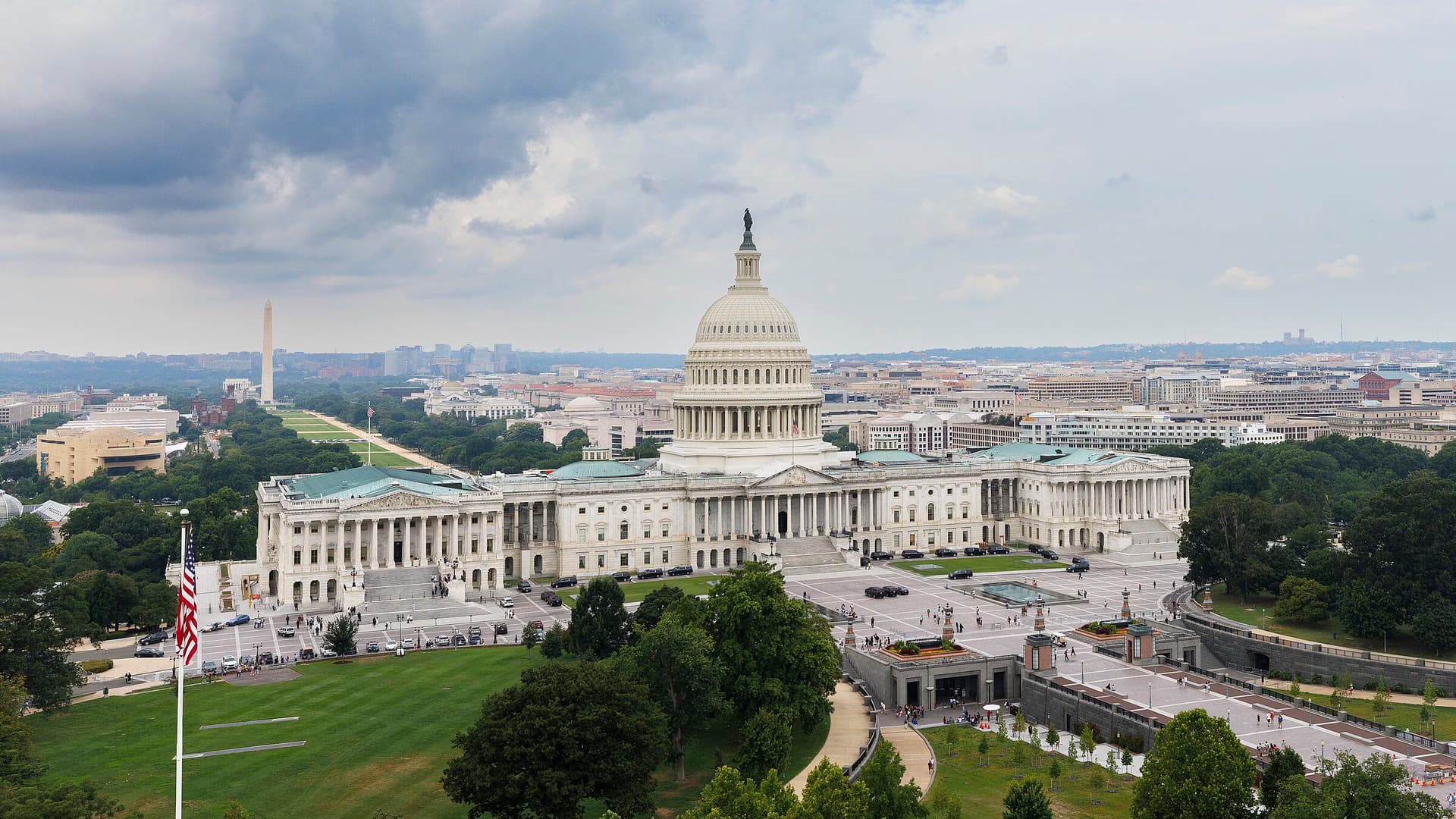
House Foreign Affairs Committee Chair Brian Mast, R-Fla., said Huang is open to testifying before Congress as soon as next week. The board had hired the law firm Wachtell Lipton on Tuesday to investigate. Huang, who apologized Sunday for being "unfaithful to my wife," has denied compromising national security or company secrets.
Huang had become a key voice on U.S. AI policy, joining President Donald Trump on a trip to China in May and lobbying to allow chip exports to China. Elon Musk said this week it would be "an honor" to hire him. "He's Mr. AI. He speaks for the industry," executive recruiter Jeff Christian told CNBC.
Update: Singapore bars Alice Huang
Singapore's Ministry of Home Affairs said Thursday that Alice Huang, the former CEO of Megaspeed at the center of the scandal, has been barred from re-entering the country after police found she knowingly gave them inaccurate information to downplay her role in the company. The ministry said she was not investigated for espionage and that there was insufficient evidence to charge her, while investigations into Megaspeed and six other people are continuing. According to the Financial Times, Singapore also complained that U.S. agencies offered limited help despite repeated requests.
Separately, The Information reported that companies tied to Alice Huang invested in Chinese AI startup DeepSeek during its second funding round and promised to supply Nvidia Blackwell chips that are banned from sale to China. Three House committee chairs have asked Jensen Huang for a closed-door briefing on Nov. 18.
Cover photo: social media. Photo: Wikimedia Commons (CC BY 2.0)