- BIST10010,760-3.63%
- USD49.86+0.15%
- EUR55.82+0.52%
- GOLD3,898.90-3.29%
- INTEREST36.00%-1.00
- BITCOIN77,450+0.32%
- October 31, 202614°
- BIST10010,760-3.63%
- USD49.86+0.15%
- EUR55.82+0.52%
- GOLD3,898.90-3.29%
- INTEREST36.00%-1.00
- BITCOIN77,450+0.32%
- October 31, 202614°
Judge blocks Trump policies fast-tracking asylum cases of migrant children
A federal judge in Maryland temporarily ordered the Trump administration to restore a 21-day notice period for asylum interviews of unaccompanied migrant children, after advocates said notice had been cut to less than 24 hours.
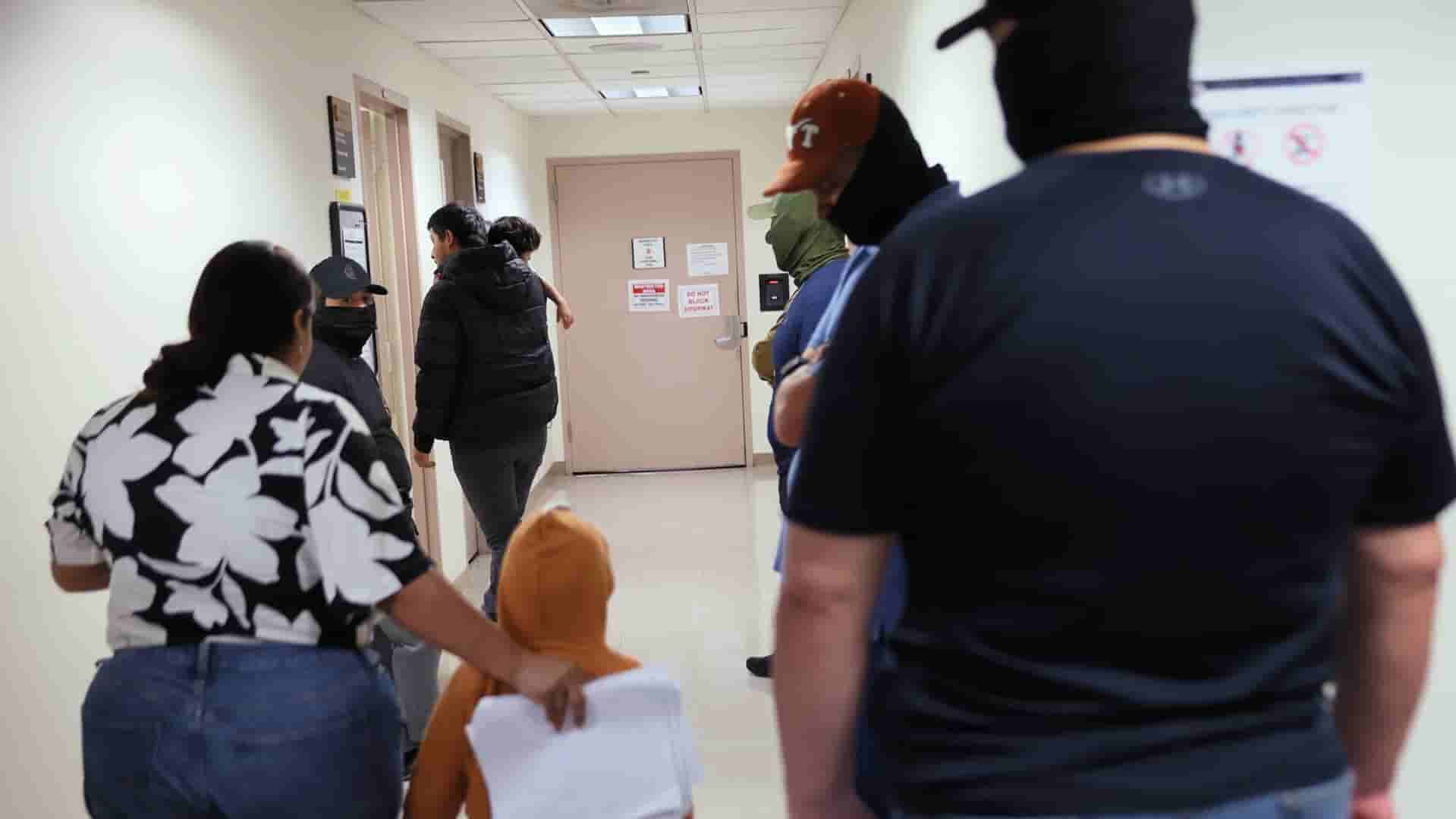
A federal judge in Maryland on Friday temporarily blocked Trump administration policies that advocates say are fast-tracking the asylum cases of unaccompanied migrant children toward deportation.
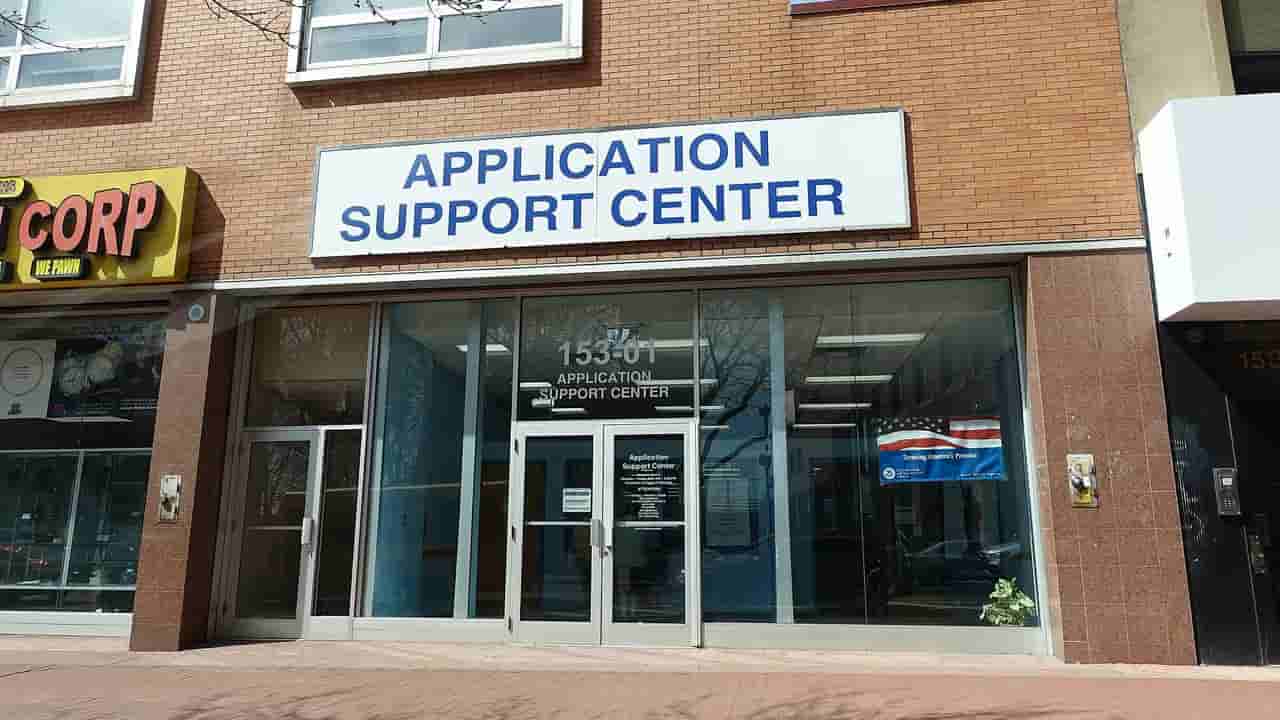
U.S. District Judge Brendan Hurson issued a temporary restraining order barring U.S. Citizenship and Immigration Services from giving children only "minimal notice" before their asylum interviews and requiring the agency to restore a 21-day notice period. The order also halts tougher limits on requests to reschedule the interviews.
'Only one chance'
"An unaccompanied child only has one chance to have a non-adversarial asylum adjudication," the order said.
The judge pointed to the 2008 Trafficking Victims Protection Reauthorization Act, which requires the asylum process to take into account the particular needs of unaccompanied children, and found that the stricter rescheduling rules likely violate the Administrative Procedure Act. The order lasts at least two weeks while the court considers a longer-lasting injunction.
'Deportation assembly line'
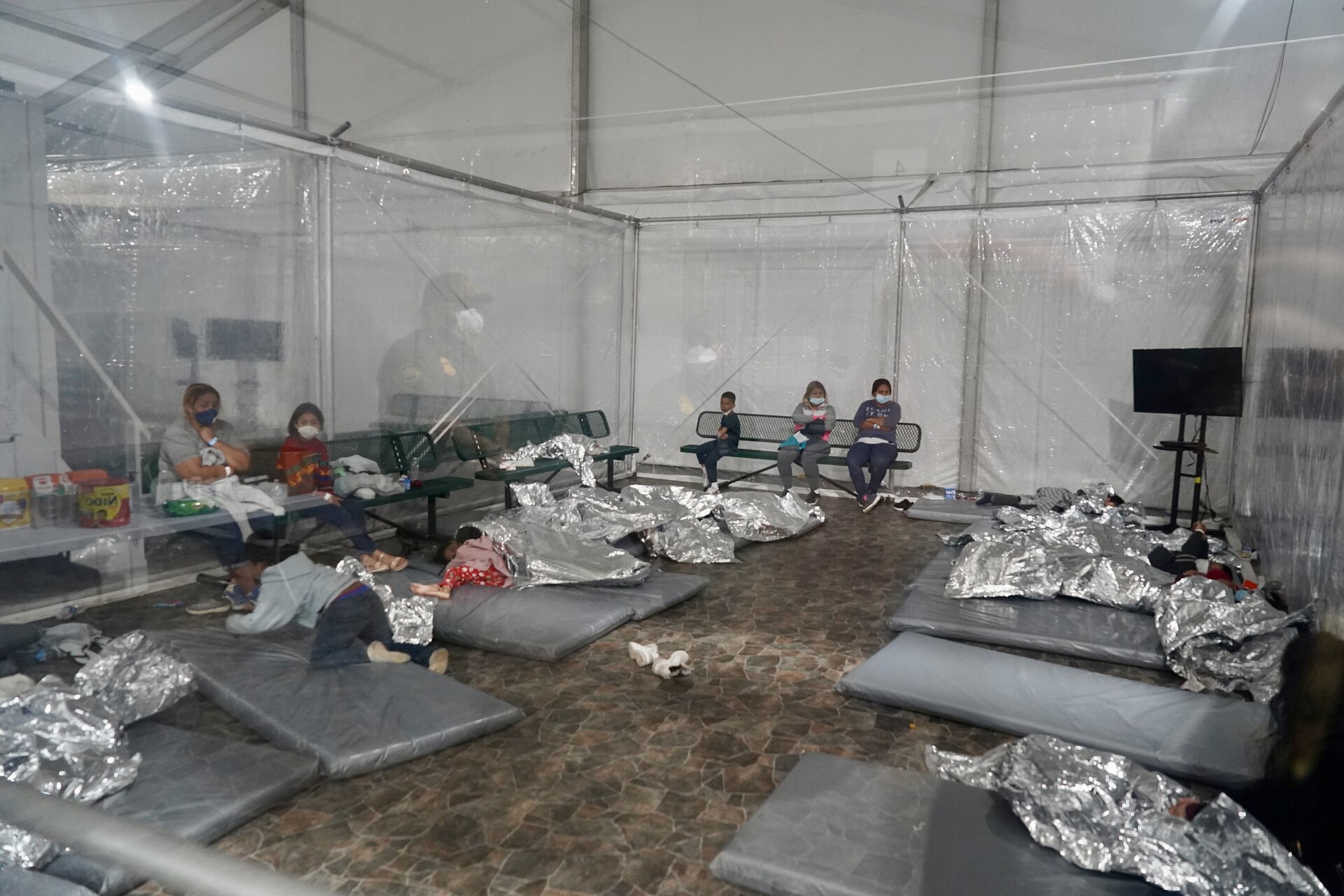
Immigrant advocacy groups filed the lawsuit earlier this month, calling the new rules a "cruel and unlawful scheme" that has turned the asylum process for children into a "deportation assembly line." They said USCIS had cut the notice for interviews from three weeks to, in some cases, less than 24 hours.
The groups also allege that the Justice Department has instructed immigration judges to complete all removal proceedings for detained unaccompanied children by Jan. 31, 2027, and that judges are refusing to grant continuances longer than three weeks to meet the deadline.
"A system that moves faster and that is by design made so that children are unable to access lawyers and are railroaded into deportation orders is not justice," said Lindsay Toczylowski, co-founder of the Immigrant Defenders Law Center.
$3,000 to self-deport
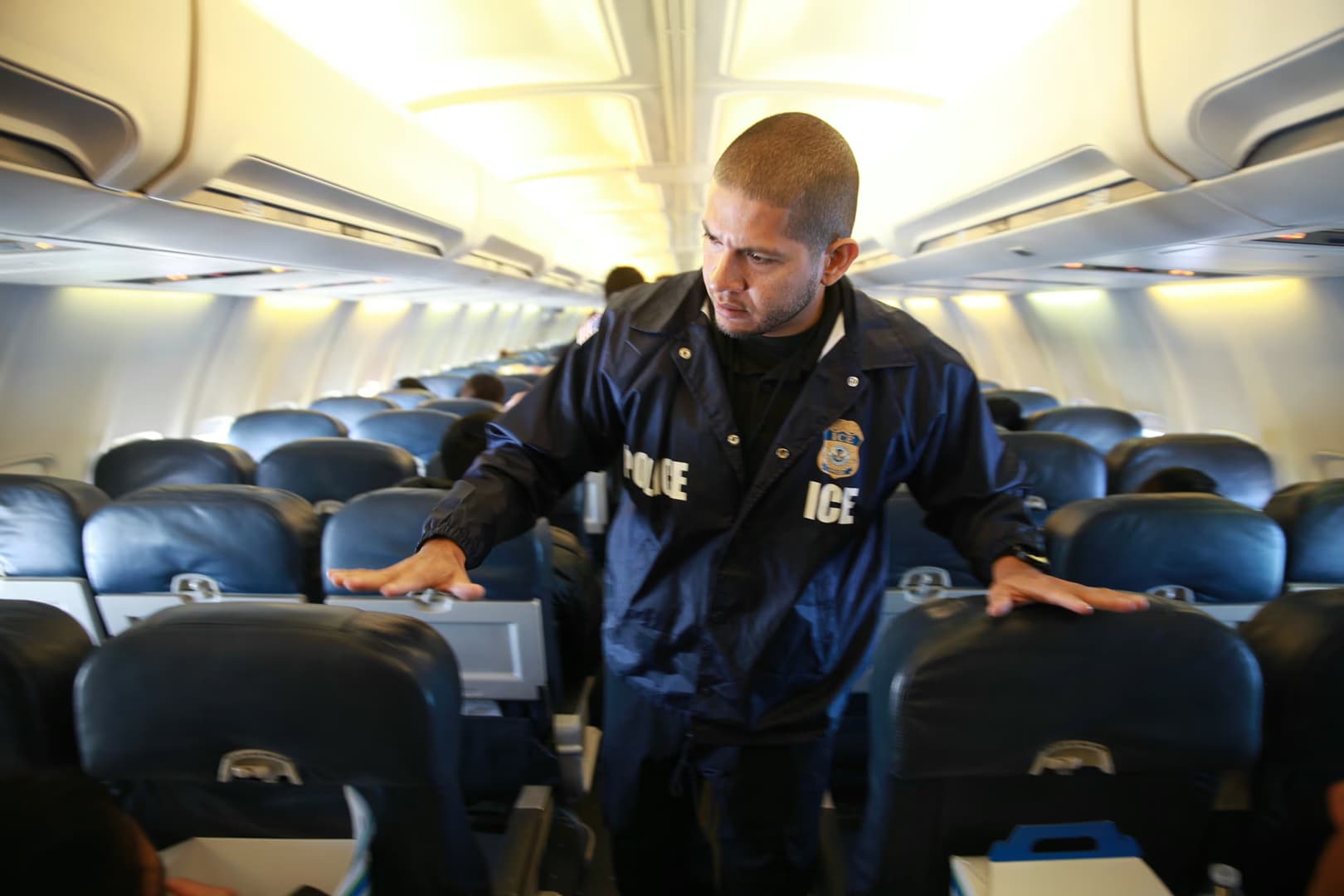
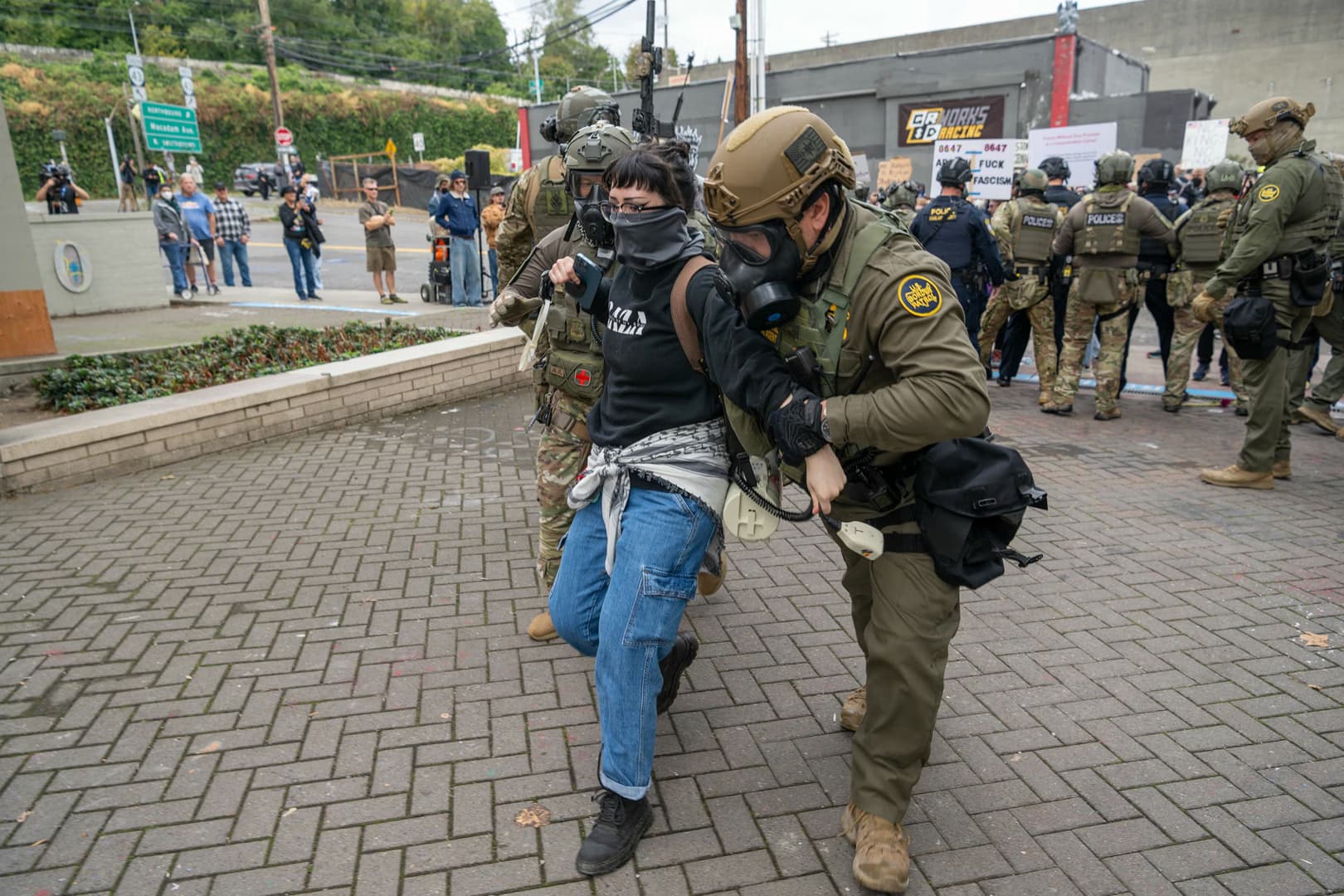
The case comes as the administration steps up pressure on migrant children. The Department of Homeland Security has begun offering unaccompanied children $3,000 to self-deport, $500 more than last year, and has assembled a team of government attorneys to represent children in court after cutting ties with advocacy groups that had provided those services.
Have a story, event or announcement of your own?Send us your news on WhatsApp
Spotted an error in this story?Report it on WhatsApp
Share on all social platforms
Sponsored Ads
Featured Listings
Loading featured properties...
Stay Updated with Ally Daily
Subscribe to be informed about special news, developments and announcements. We will keep you informed.
By signing up, you agree to our Privacy Policy