- BIST10011,661-1.54%
- USD50.39+0.22%
- EUR55.50-0.19%
- GOLD3,856.90-0.19%
- INTEREST36.00%-1.00
- BITCOIN64,929+0.15%
- November 18, 202610°
- BIST10011,661-1.54%
- USD50.39+0.22%
- EUR55.50-0.19%
- GOLD3,856.90-0.19%
- INTEREST36.00%-1.00
- BITCOIN64,929+0.15%
- November 18, 202610°
Labor Department proposes tougher green card rule: 90-day search for U.S. workers first
The Trump administration has proposed the first full overhaul in nearly 20 years of PERM, the labor certification step behind most employer-sponsored green cards. Employers would have to advertise jobs for at least 90 days, and nurses and physical therapists would lose their fast-track exemption; the plan is not final and opens for public comment.
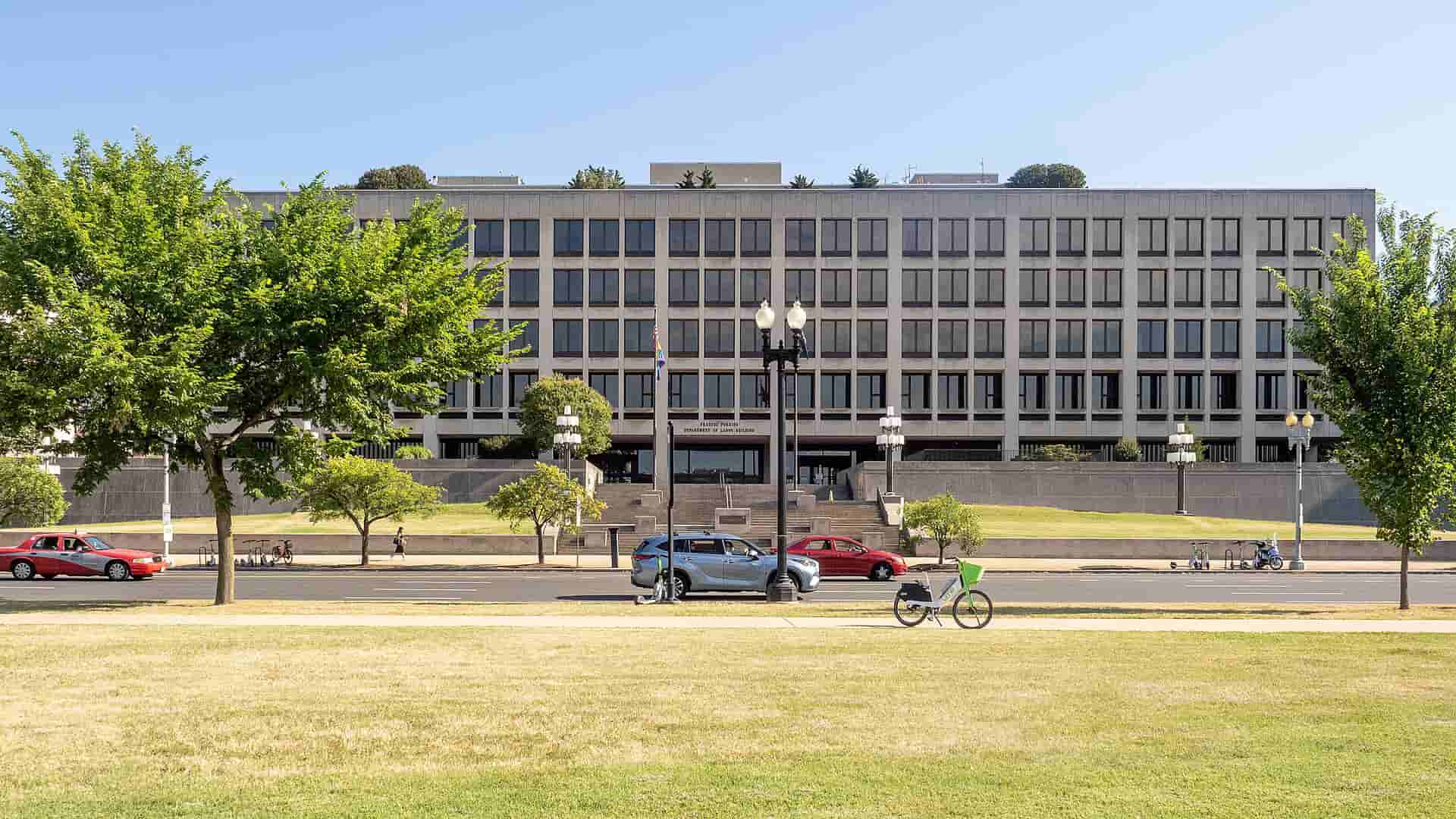
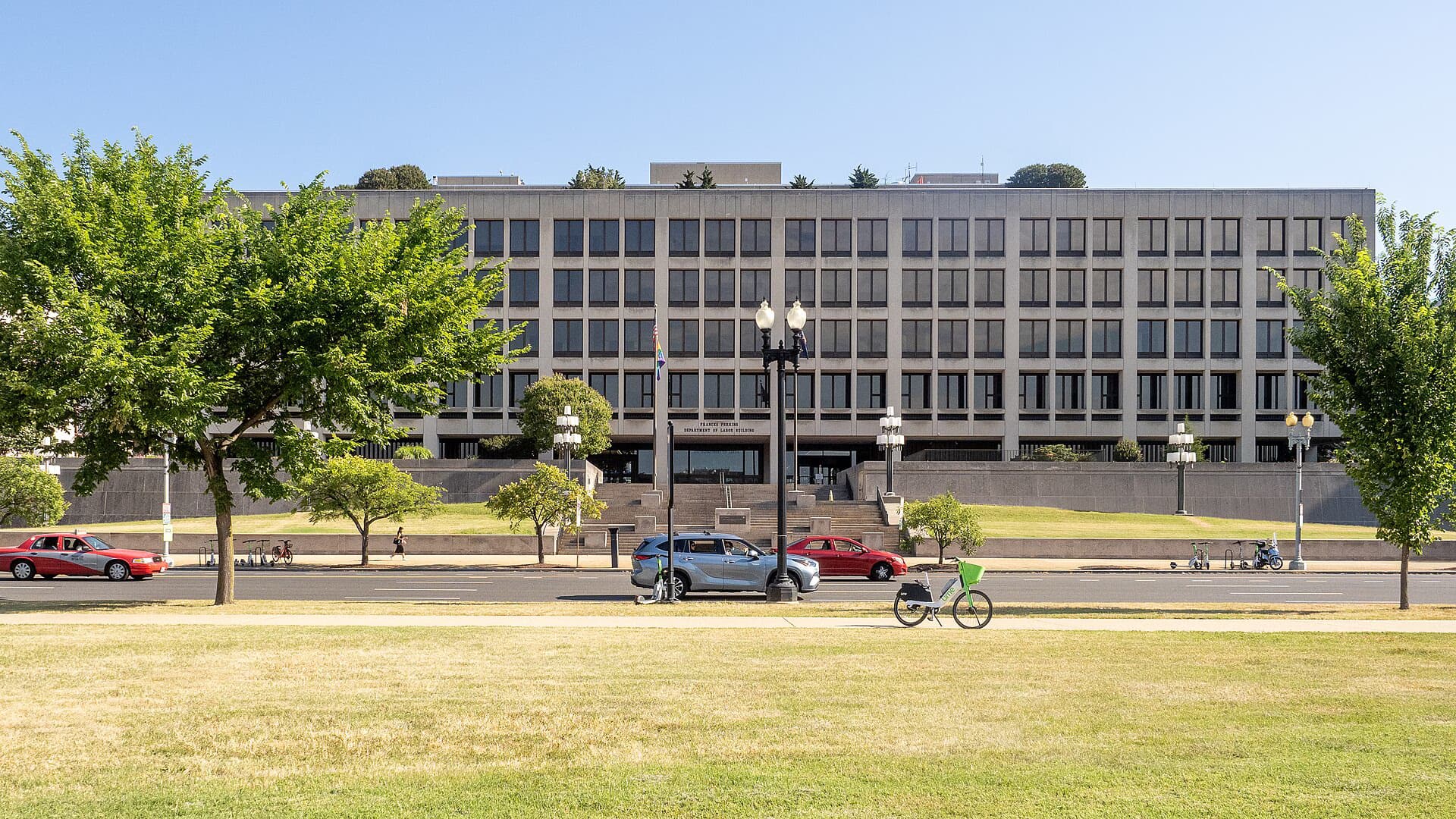
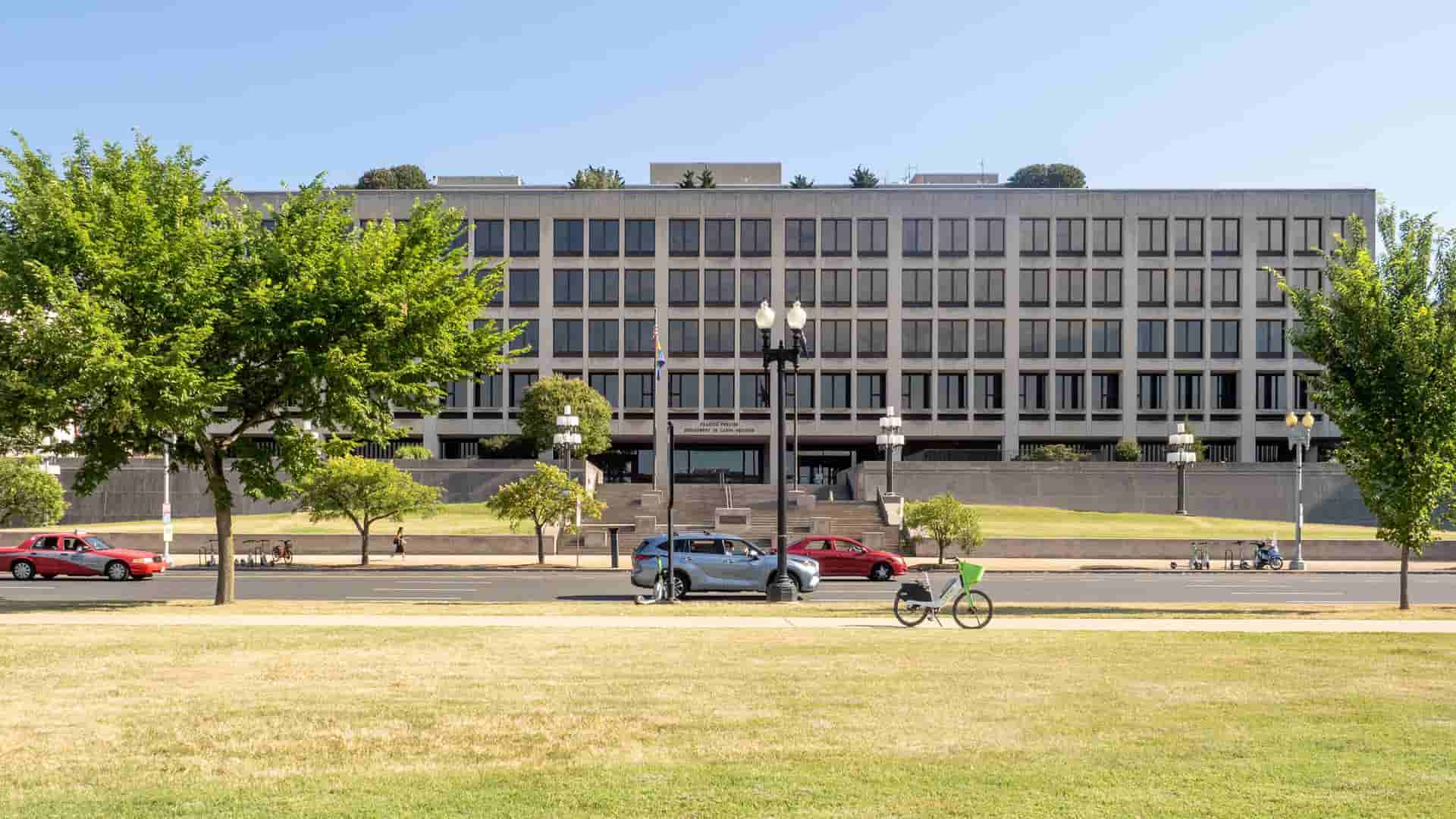
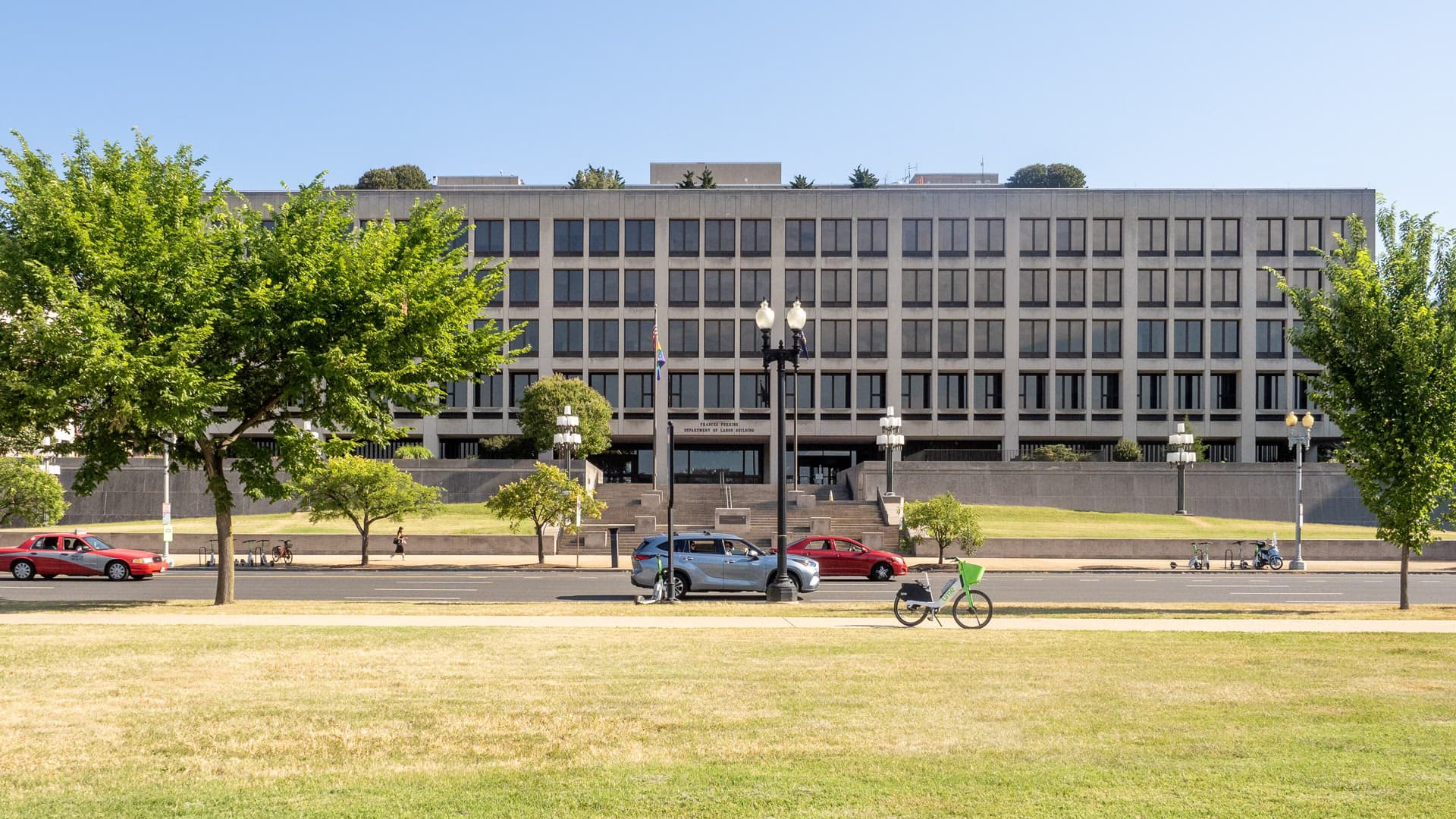
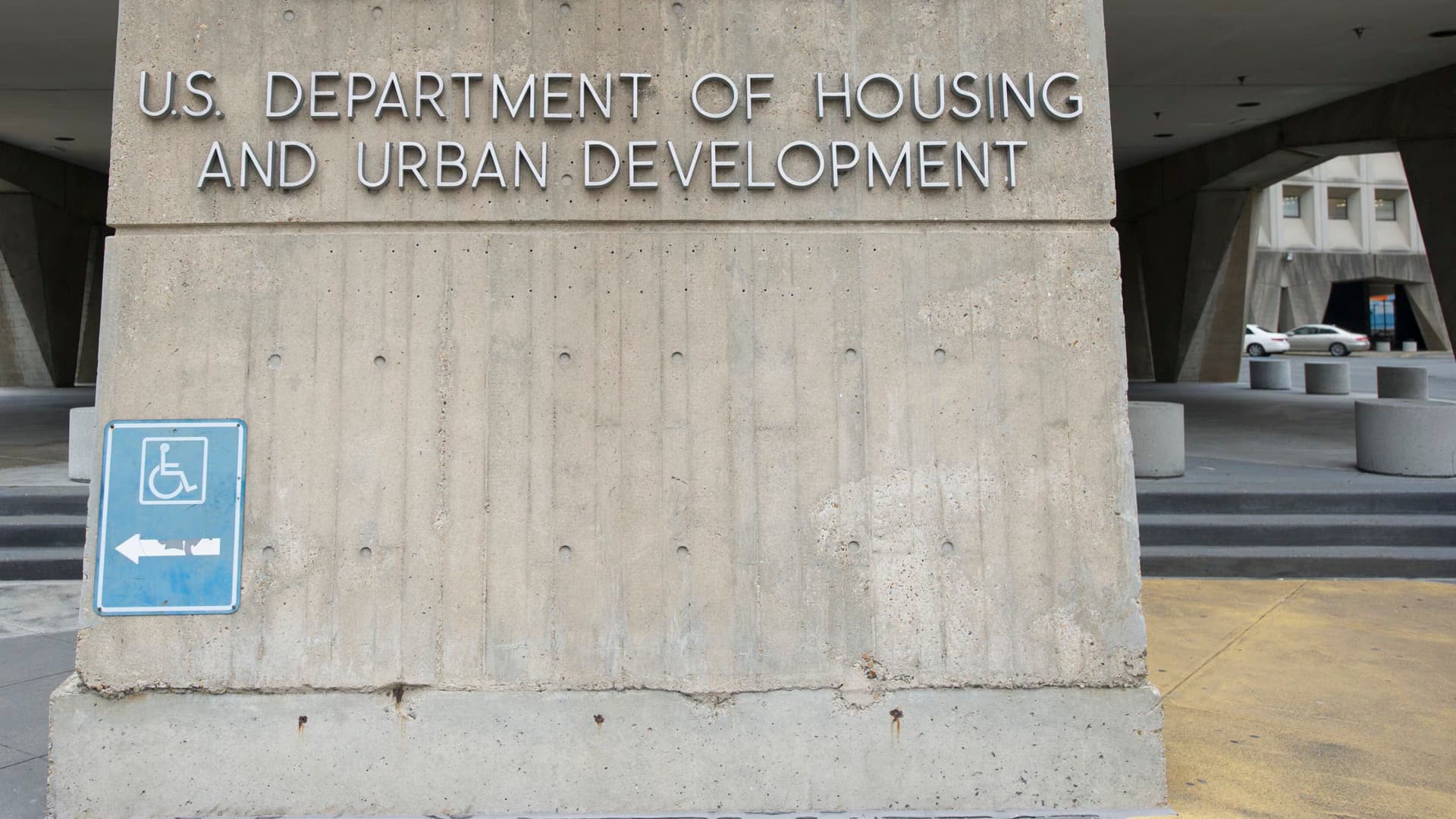
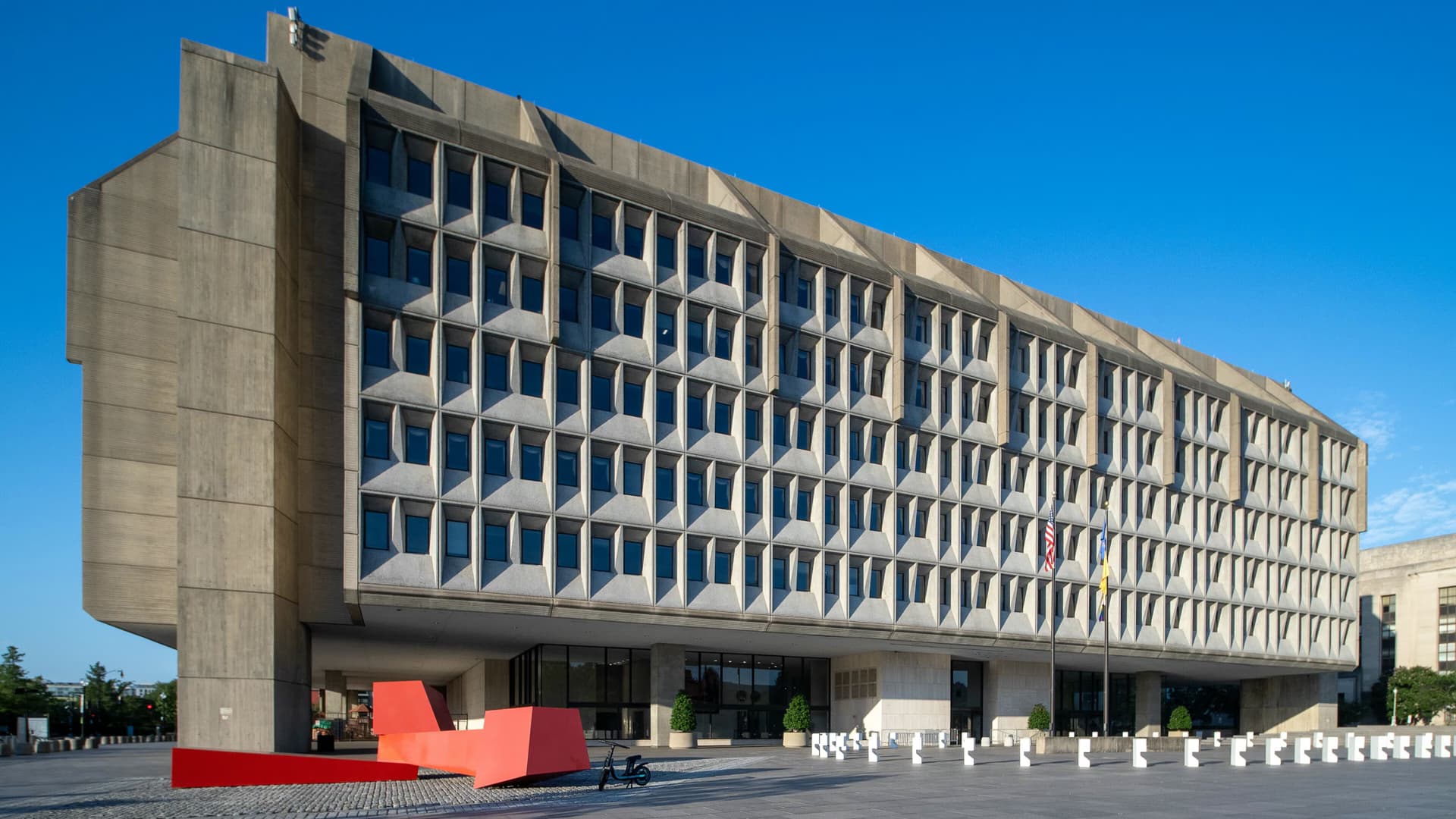
The U.S. Department of Labor on Monday proposed a rule that would make it harder for employers to sponsor foreign workers for green cards, saying the changes would put "American workers first in line" for high-skilled jobs. The proposal is not yet in force: it was scheduled for publication in the Federal Register on Tuesday, and the public will then have 60 days to comment before the department can finalize it.
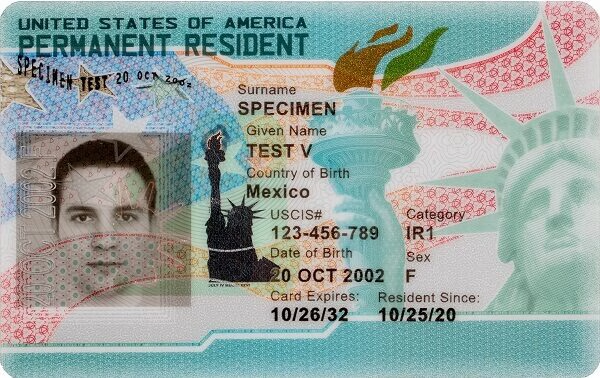
The rule targets PERM, the permanent labor certification process employers generally use to show that no qualified U.S. workers are available before they sponsor a foreign worker for an EB-2 or EB-3 green card. The department calls it the first comprehensive set of reforms to the program in nearly 20 years.
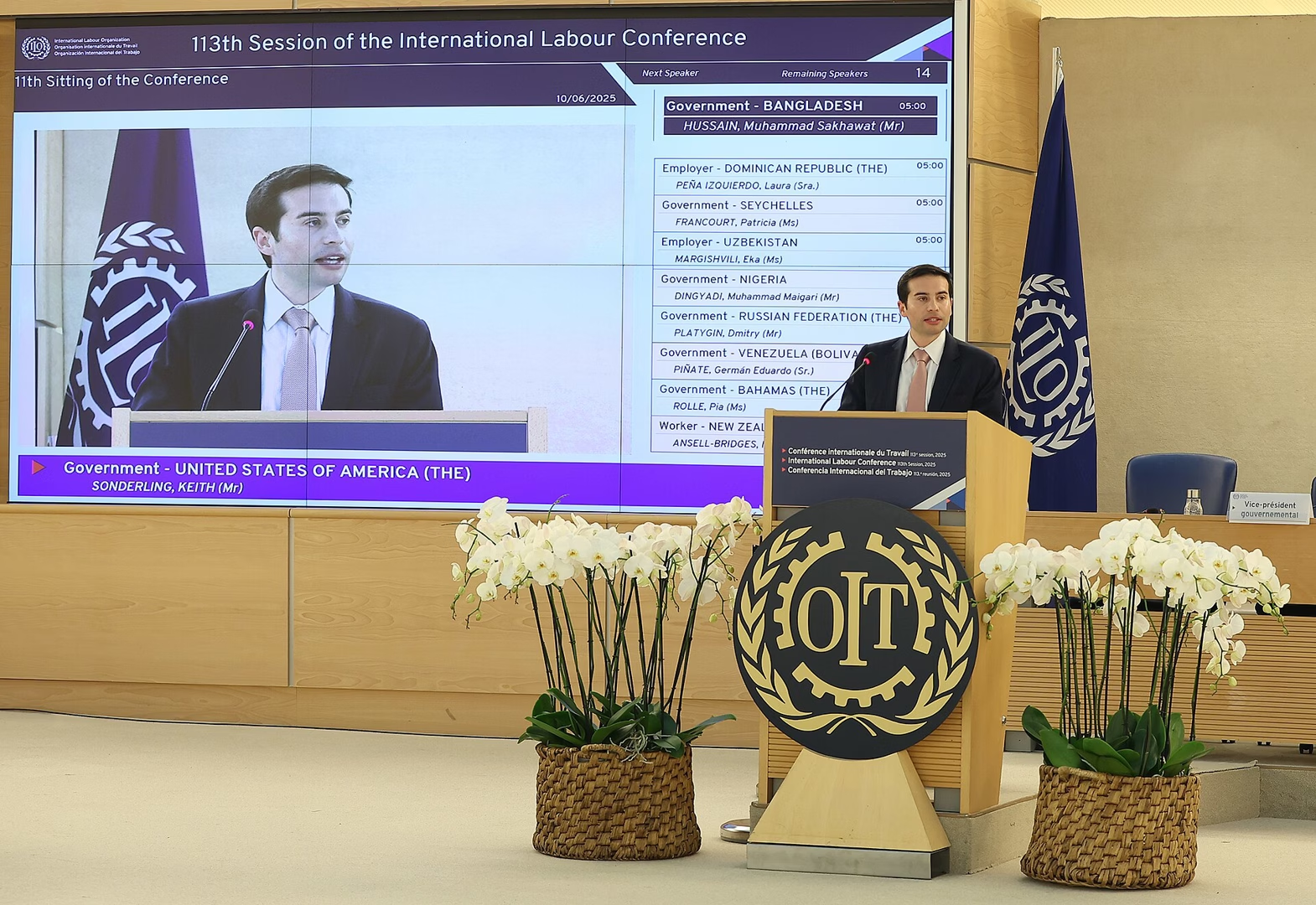
"American Workers are the best in the world, and they deserve the first and best job opportunities. Existing regulations have instead allowed companies to sponsor foreign workers without fully considering American workers first," Labor Secretary Keith Sonderling said in a statement.
What would change for employers
Under the proposal, employers would replace mandatory newspaper ads with online recruiting, keep job postings active for at least 90 calendar days, show "good-faith efforts" to recruit qualified U.S. workers and submit the applications or résumés of Americans who applied. They could not tailor job openings to a particular foreign worker, Anadolu reported. A certification would also be limited to one initial I-140 petition filed with U.S. Citizenship and Immigration Services within 180 days, according to Newsweek.
Employers that laid off U.S. workers in the same or similar jobs and area during the previous two years would be barred from filing affected applications; current rules generally look back six months. Adam Klein, a former senior DHS official, told Newsweek the layoff provision "could have far-reaching implications, particularly for technology companies and other employers that regularly restructure."
Nurses lose their fast track
The rule would also scrap Schedule A, the streamlined route for professional nurses, physical therapists and some workers of exceptional ability in the sciences or arts, saying the department "can no longer confirm that a nationwide shortage of workers exists." About 23,835 Schedule A petitions were filed each year on average from fiscal 2023 to 2025. The department is also weighing whether fully remote jobs should stay eligible for PERM.
The proposal follows growing scrutiny of PERM, including the suspension of several companies from the program in October and Justice Department settlements over alleged discrimination against U.S. workers in PERM recruitment, Newsweek reported.
Photos: Wikimedia Commons (file); USCIS.
Stay Updated with Ally Daily
Subscribe to be informed about special news, developments and announcements. We will keep you informed.
By signing up, you agree to our Privacy Policy