- BIST10011,661-1.54%
- USD50.39+0.22%
- EUR55.50-0.19%
- GOLD3,852.90-0.29%
- INTEREST36.00%-1.00
- BITCOIN64,921+0.14%
- November 18, 202610°
- BIST10011,661-1.54%
- USD50.39+0.22%
- EUR55.50-0.19%
- GOLD3,852.90-0.29%
- INTEREST36.00%-1.00
- BITCOIN64,921+0.14%
- November 18, 202610°
HUD rule will make every public housing tenant prove citizenship starting Dec. 14
The final rule ends a 1995-era policy that let mixed-status families share subsidized homes, putting an estimated 80,000 people, including about 37,000 children, at risk of losing aid. HUD Secretary Scott Turner says taxpayers "will no longer foot the bill."
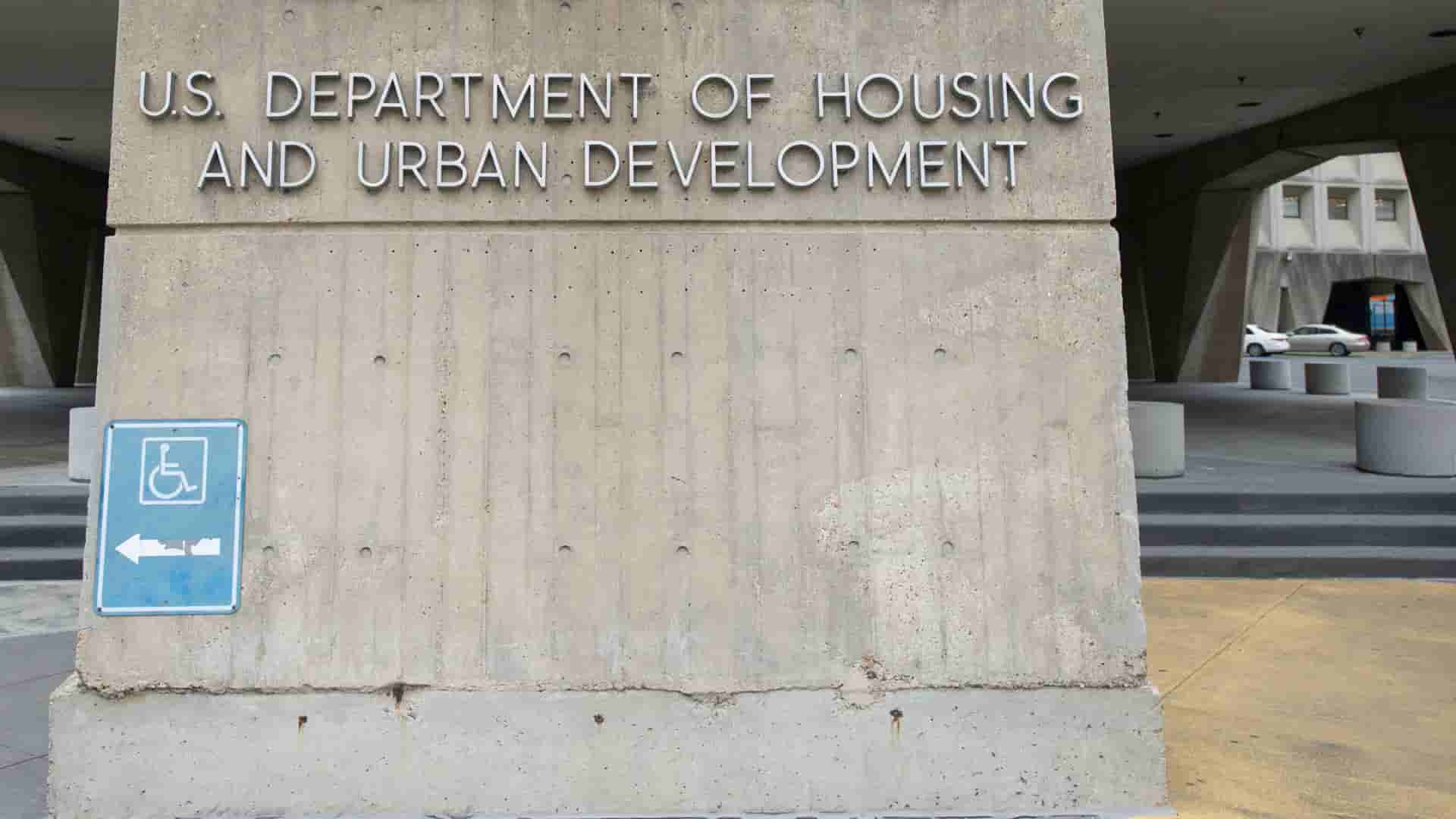
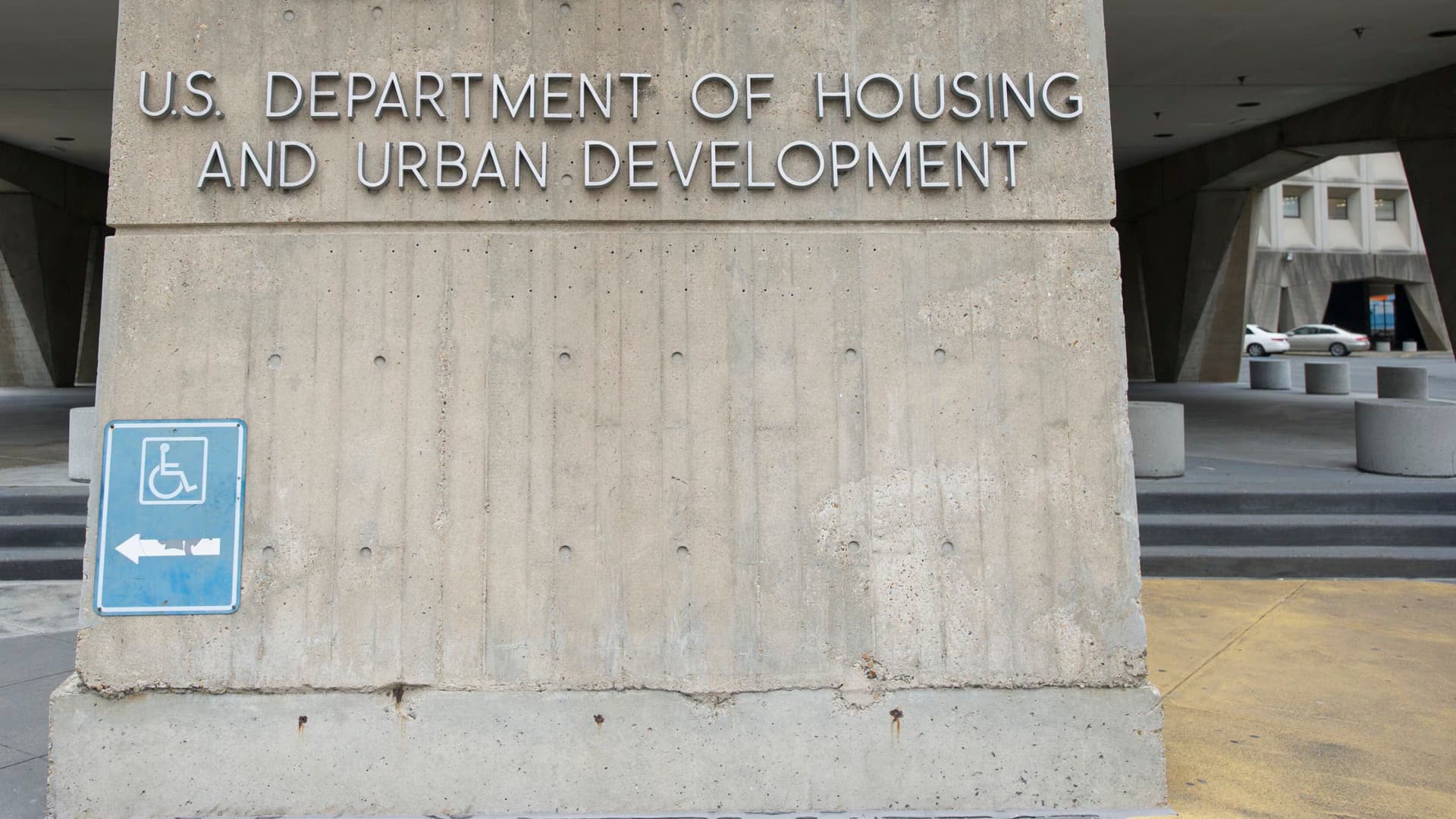
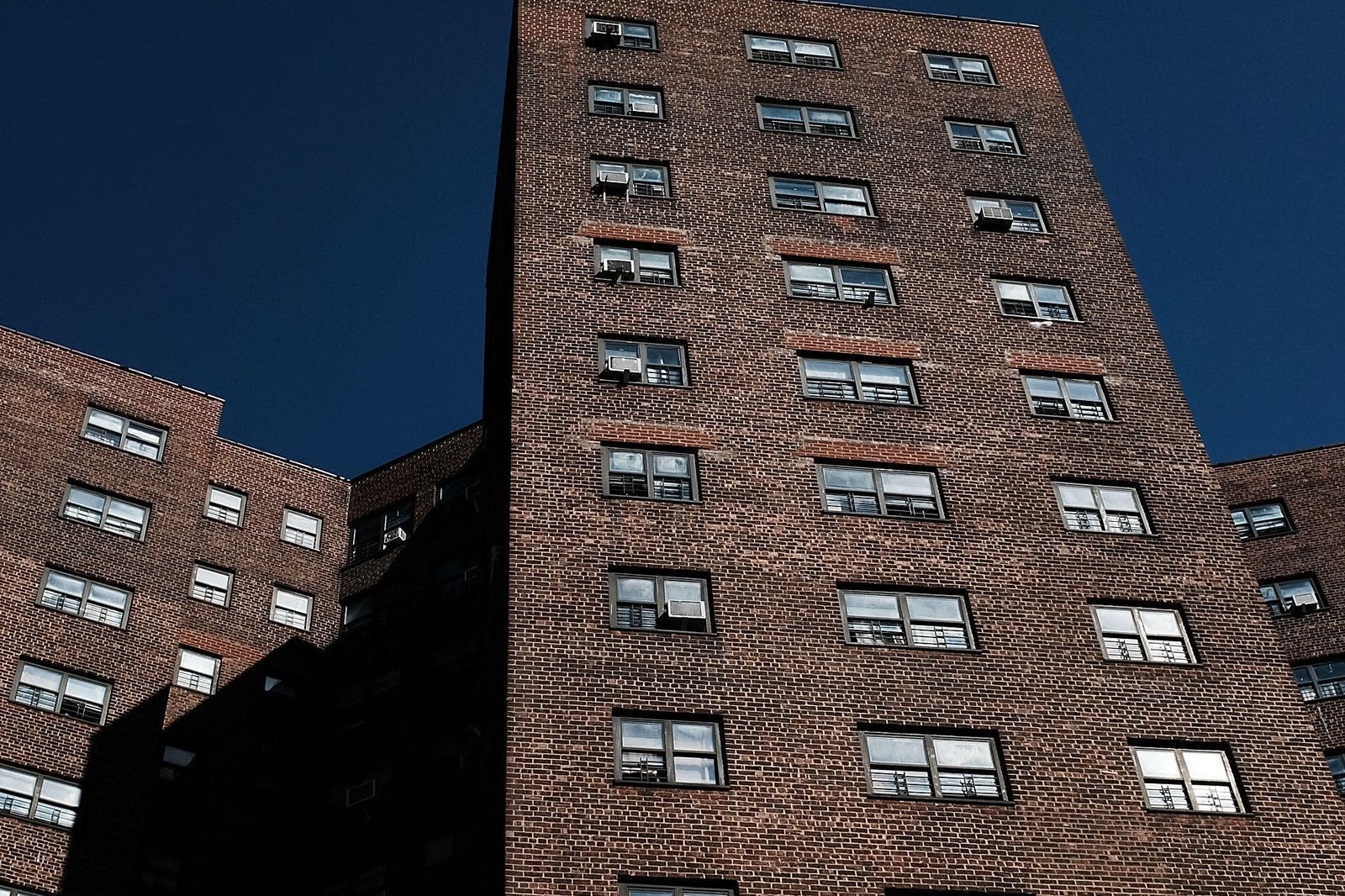
Millions of Americans who live in public housing or rent with Section 8 help will soon have to prove that they are U.S. citizens or eligible immigrants. The Department of Housing and Urban Development published a final rule in the Federal Register on Nov. 12 that requires every member of an assisted household, regardless of age, to document citizenship or eligible immigration status. It takes effect Dec. 14.
Who is covered
The rule applies to public housing, Housing Choice Vouchers and project-based vouchers, Moderate Rehabilitation, project-based rental assistance, Section 236 units with below-market rent, and low-income units built with Housing Development Grants, according to an analysis by the law firm Ballard Spahr. Public housing agencies and property owners must carry out the checks. Private landlords who accept vouchers are not responsible for verifying status.
U.S. citizens must sign a declaration, give their Social Security number and sign a consent form, and they may be asked for documents such as a passport or birth certificate if their status cannot be confirmed. Noncitizens are checked through the Department of Homeland Security's SAVE system. The old exemption for people 62 and older is gone, as is the option for a household member to "not contend" eligible status. Tenant notices must also say that housing agencies will inform DHS when they find that a household member is in the country illegally.
Key deadlines
The rule takes effect on Dec. 14, 2026. Housing agencies then have until Jan. 11, 2027, to send the required notices, and current mixed-status families must submit their evidence by March 14, 2027, according to Ballard Spahr. All other current tenants will be checked at their next annual or interim review after Dec. 14.
Families can get extensions of up to 60 days if documents are temporarily unavailable, and aid cannot be cut while verification is pending or before an informal hearing. Families that no longer qualify may receive temporary deferrals of termination in six-month periods, up to 18 months in total, with longer protection for households that include refugees or asylum seekers.
The end of a 1995 compromise
Since 1995, families whose members have different immigration statuses have been allowed to live together in HUD-funded housing, with subsidies prorated to cover only eligible members. Those households often paid more rent as a result. The new rule makes prorated aid only a temporary arrangement while verification is pending.
About 20,000 mixed-status families, or roughly 80,000 people, could be affected, including about 37,000 children who are mostly U.S. citizens, according to the Center on Budget and Policy Priorities, CBS News reported. A coalition of 22 state attorneys general estimated that more than 7,000 such households live in California and 2,500 in New York.
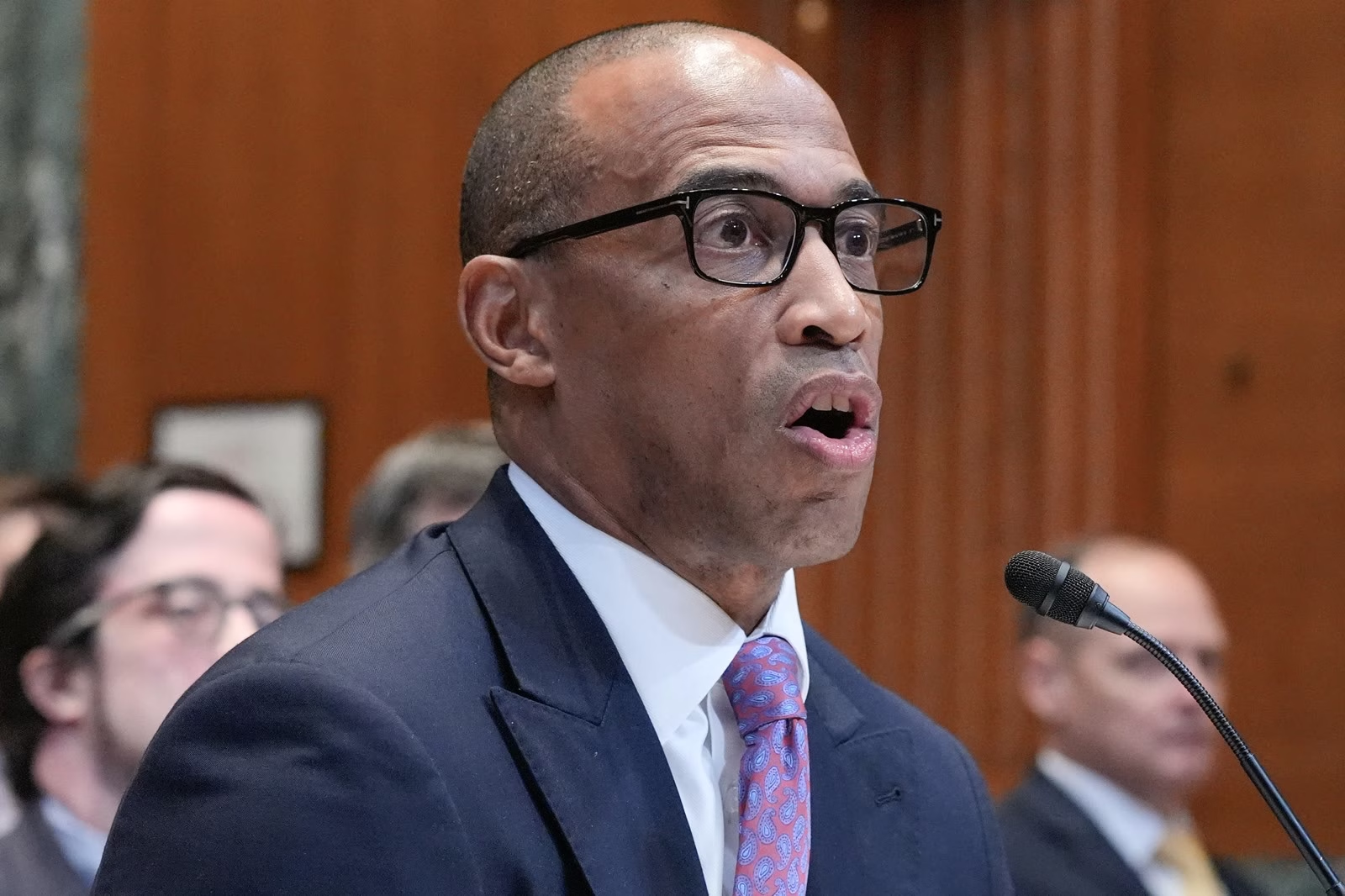
"It's unacceptable that America's homeless veterans, disabled, elderly, and victims of domestic violence languish on waitlists while illegals and ineligibles scam our system," HUD Secretary Scott Turner said. "American taxpayers will no longer foot the bill. Promises made, promises kept." HUD said a joint audit with DHS found nearly 200,000 tenants with incomplete or unverified eligibility records.
Housing advocates say the rule will split families or push them out. "This is tearing apart families and sowing division," said Marie Claire Tran-Leung of the National Housing Law Project. HUD's own regulatory impact analysis estimates costs of up to $251 million, the Deseret News reported, and does not project savings.
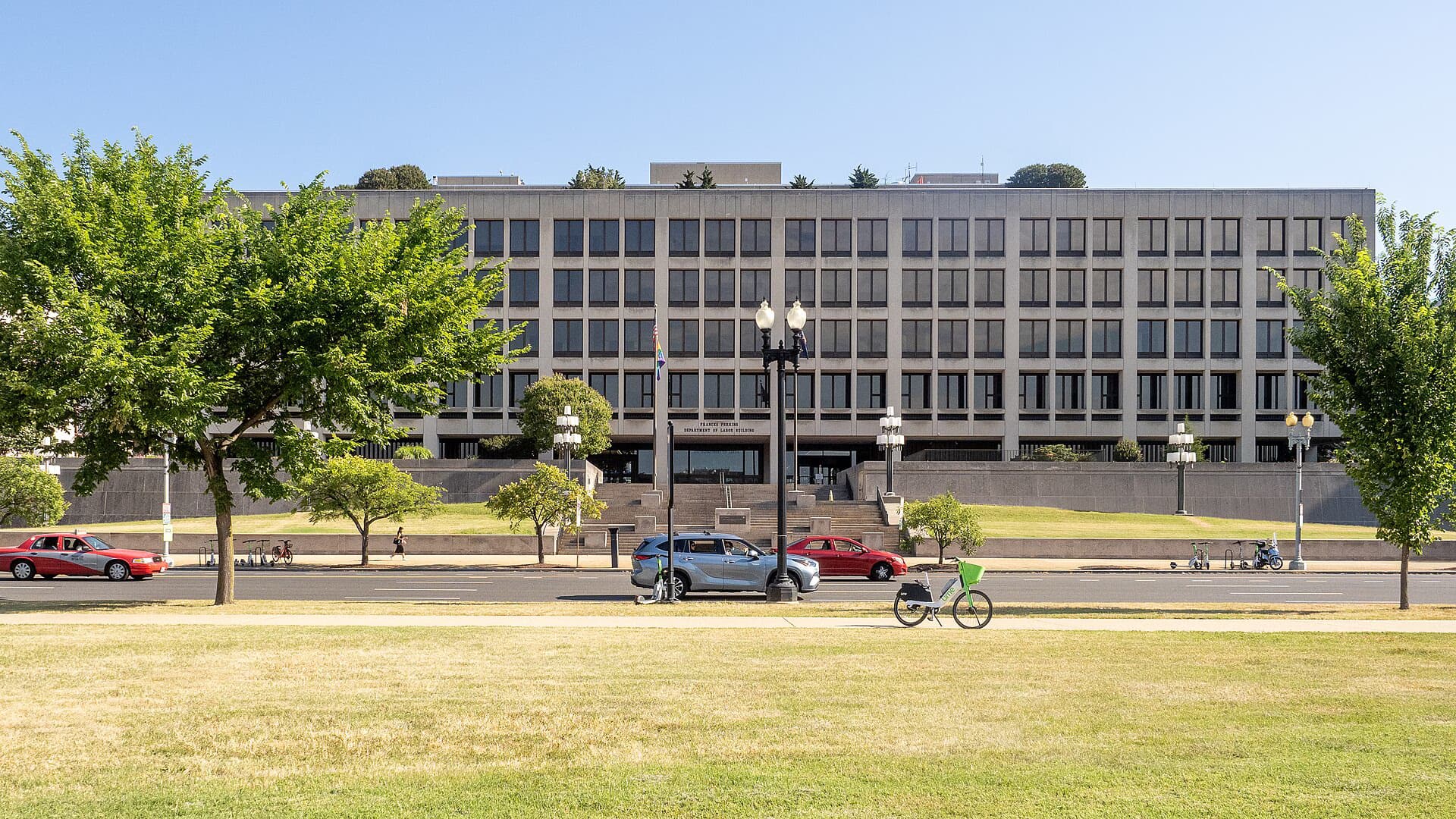
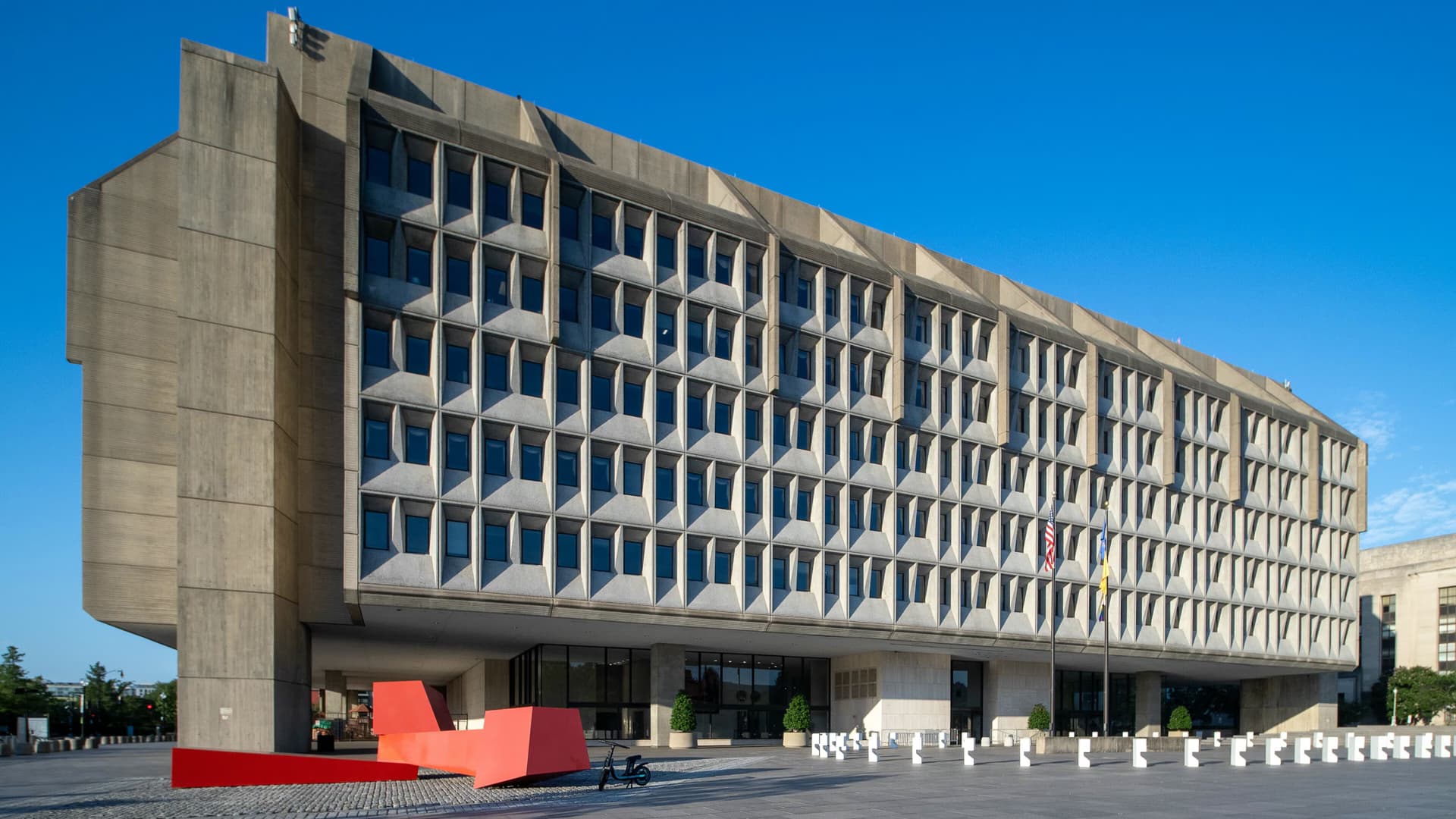
Cover photo: HUD headquarters (Wikimedia Commons, public domain). Photos: Spencer Platt/Getty Images via CBS News; AP Photo/Mariam Zuhaib via Deseret News. Sources: Ballard Spahr via JD Supra, CBS News, Deseret News, CBS 8, Just the News.
Have a story, event or announcement of your own?Send us your news on WhatsApp
Spotted an error in this story?Report it on WhatsApp
Share on all social platforms
Sponsored Ads
Featured Listings
Loading featured properties...
Stay Updated with Ally Daily
Subscribe to be informed about special news, developments and announcements. We will keep you informed.
By signing up, you agree to our Privacy Policy