- BIST10011,131-3.02%
- USD50.47+0.05%
- EUR55.46+0.20%
- GOLD3,517.00-4.57%
- INTEREST36.00%-1.00
- BITCOIN58,469-5.55%
- November 20, 202620°
- BIST10011,131-3.02%
- USD50.47+0.05%
- EUR55.46+0.20%
- GOLD3,517.00-4.57%
- INTEREST36.00%-1.00
- BITCOIN58,469-5.55%
- November 20, 202620°
Leaked Deutsche Bank files flag $582M in Epstein payments, double the Senate tally
Internal records from the German lender's U.S. financial crimes unit show 21 suspicious activity reports tied to Jeffrey Epstein, the Financial Times reported, more than twice the sum Sen. Ron Wyden's inquiry identified.

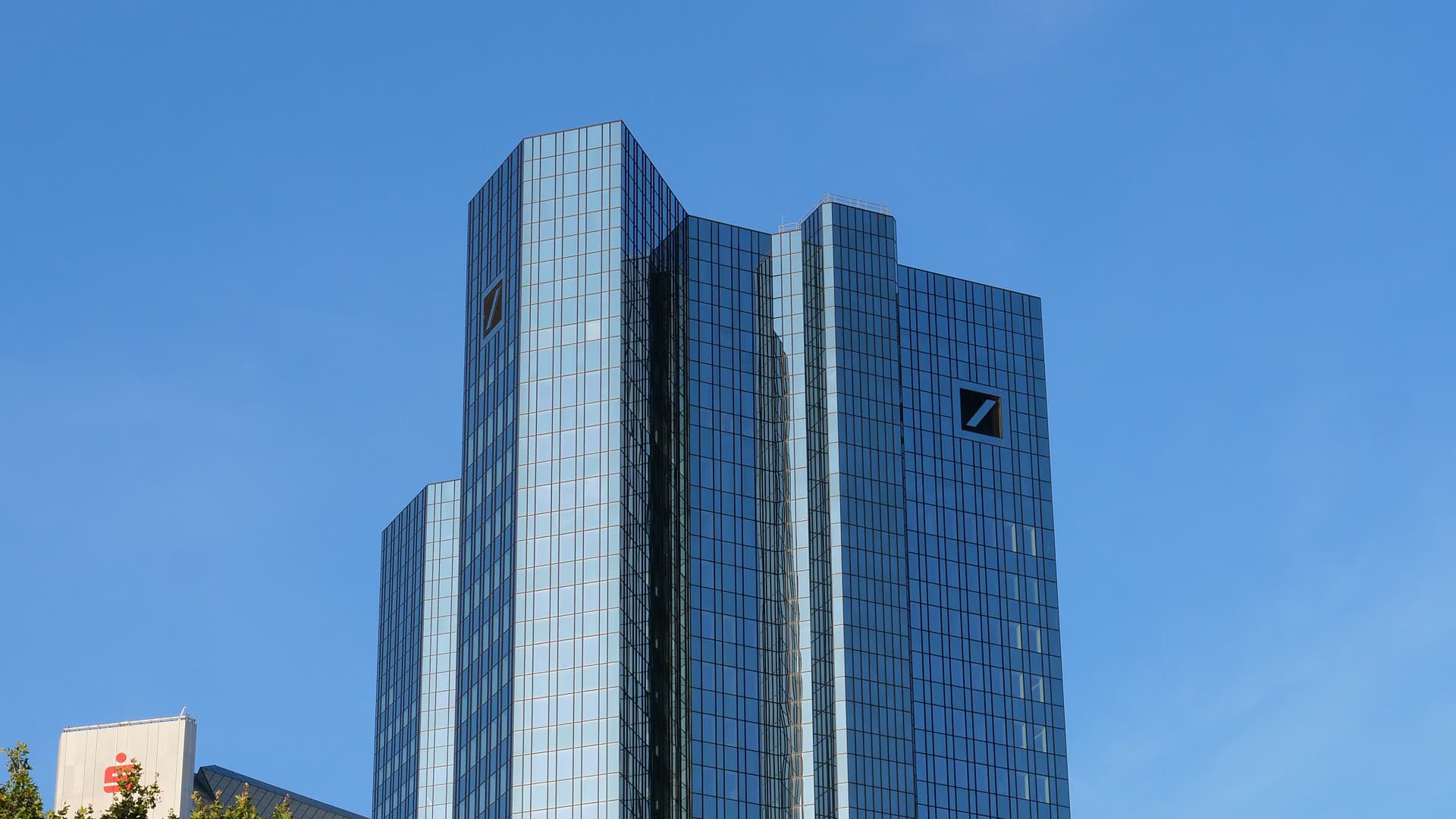
Deutsche Bank reported about $582 million in suspicious transactions linked to Jeffrey Epstein to U.S. authorities, more than double the amount uncovered by a Senate investigation, according to leaked internal files first reported by the Financial Times.
A document from the bank's U.S. Financial Crimes Intelligence Unit shows 21 suspicious activity reports covering thousands of transactions between October 2013 and May 2019, with a combined value of $581.9 million. The filings, made in 2019, flagged payments to women, transfers routed through shell companies, charitable donations that may have been misused and money received from billionaires including Leon Black and Glenn Dubin.
A suspicious activity report alerts regulators to possible financial crime and does not by itself prove that a transaction was illegal. In August, Sen. Ron Wyden of Oregon said Deutsche Bank had failed to promptly report more than $250 million in suspicious transfers tied to Epstein.
Pressure from Washington
The leak, more than 15 million files passed by two whistleblowers to a consortium of over 200 journalists including the FT, Der Spiegel and Le Monde, lands as Democrats prepare to take control of key committees. Wyden, expected to chair the Senate Finance Committee, has warned "banks that helped cover up Epstein's crimes" that they are on notice, while Rep. Robert Garcia, in line to lead the House Oversight Committee, has floated hearings and subpoenas, Forbes reported. The same files show the bank accidentally disclosed details of Donald Trump's taxes in 2017, during his first term.

Epstein became a Deutsche Bank client in August 2013, five years after his Florida guilty plea, and the bank closed his last two accounts three days after his July 2019 arrest. Deutsche Bank said it regrets the relationship, that the issues "date back many years," and that it invested 7 billion euros in its controls between 2019 and 2025. It has paid more than $200 million in Epstein-related penalties and settlements without admitting wrongdoing.
Photos: Wikimedia Commons (Leonhard Lenz, CC0; Paul Colin Hennig, CC BY-SA 4.0), Forbes Middle East.