- BIST10011,483+0.04%
- USD50.05+0.05%
- EUR56.25-0.01%
- GOLD4,068.20-1.10%
- INTEREST36.00%-1.00
- BITCOIN75,888-0.12%
- November 6, 202621°
- BIST10011,483+0.04%
- USD50.05+0.05%
- EUR56.25-0.01%
- GOLD4,068.20-1.10%
- INTEREST36.00%-1.00
- BITCOIN75,888-0.12%
- November 6, 202621°
NATO ally Belgium's king refuses PM's resignation and sends him back to budget talks
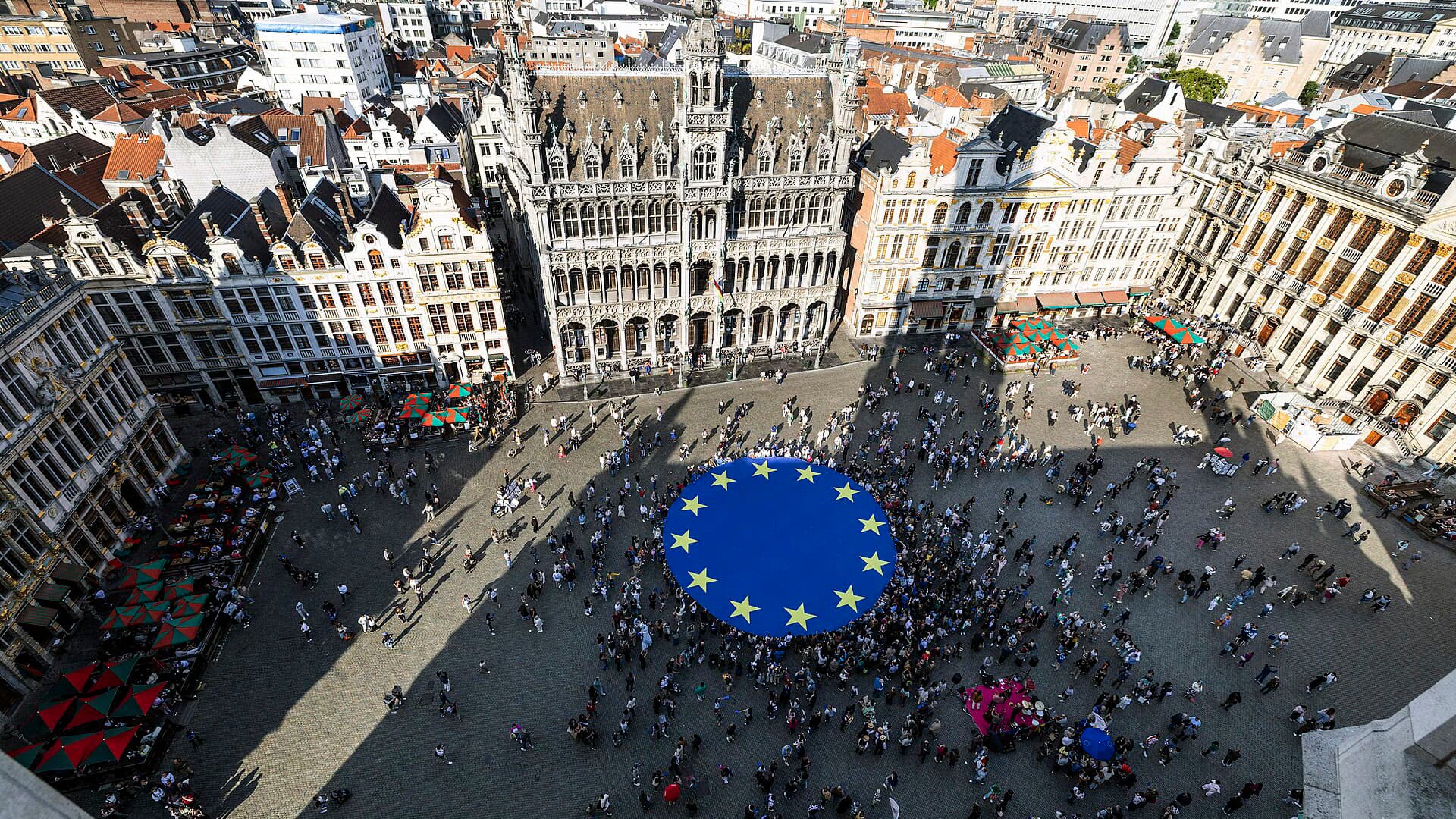
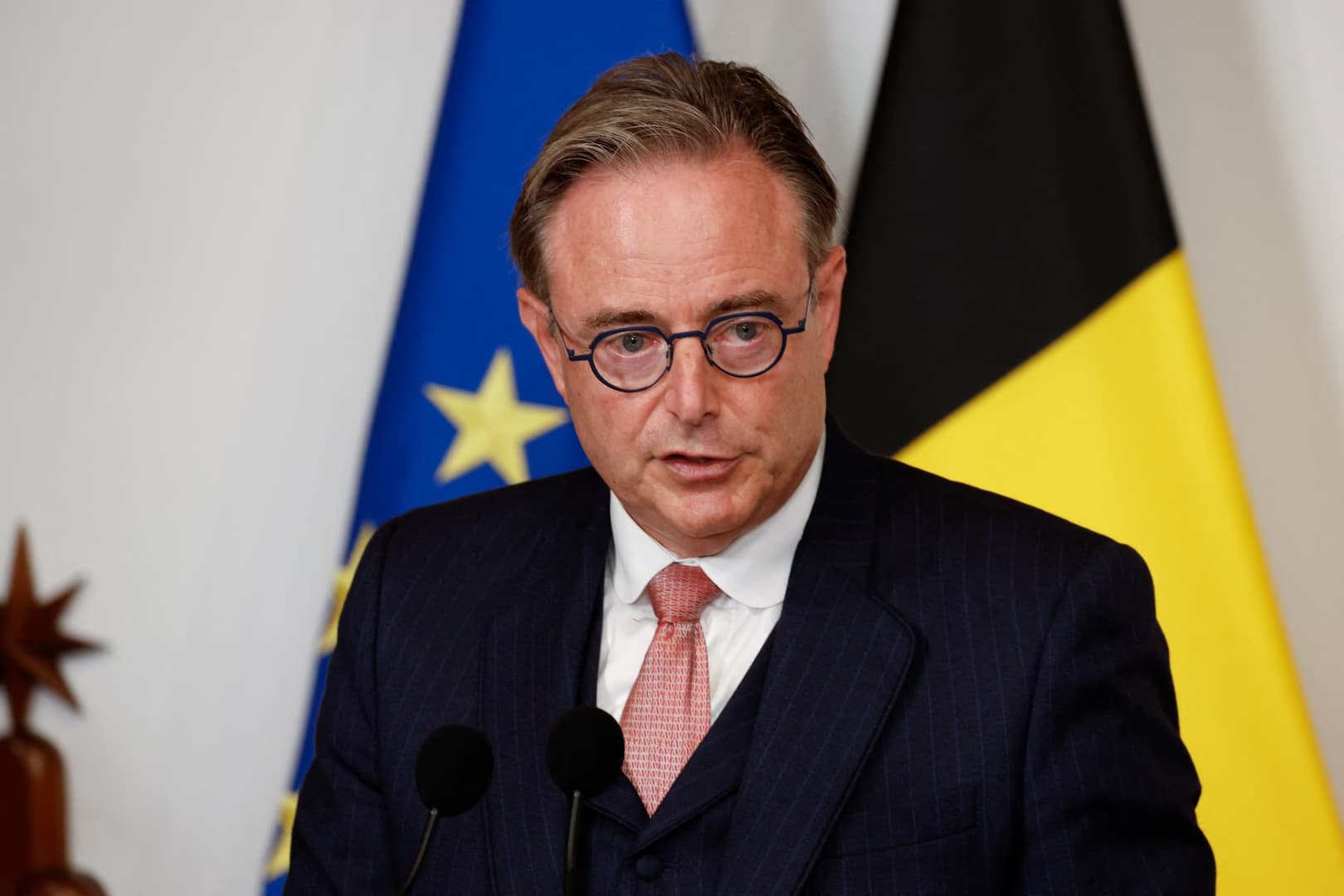
Belgium, the NATO ally whose capital hosts the alliance and the European Union, avoided a government collapse on Friday when King Philippe refused Prime Minister Bart De Wever's resignation. The king ordered budget negotiations to resume immediately and expects a progress report on Nov. 16.
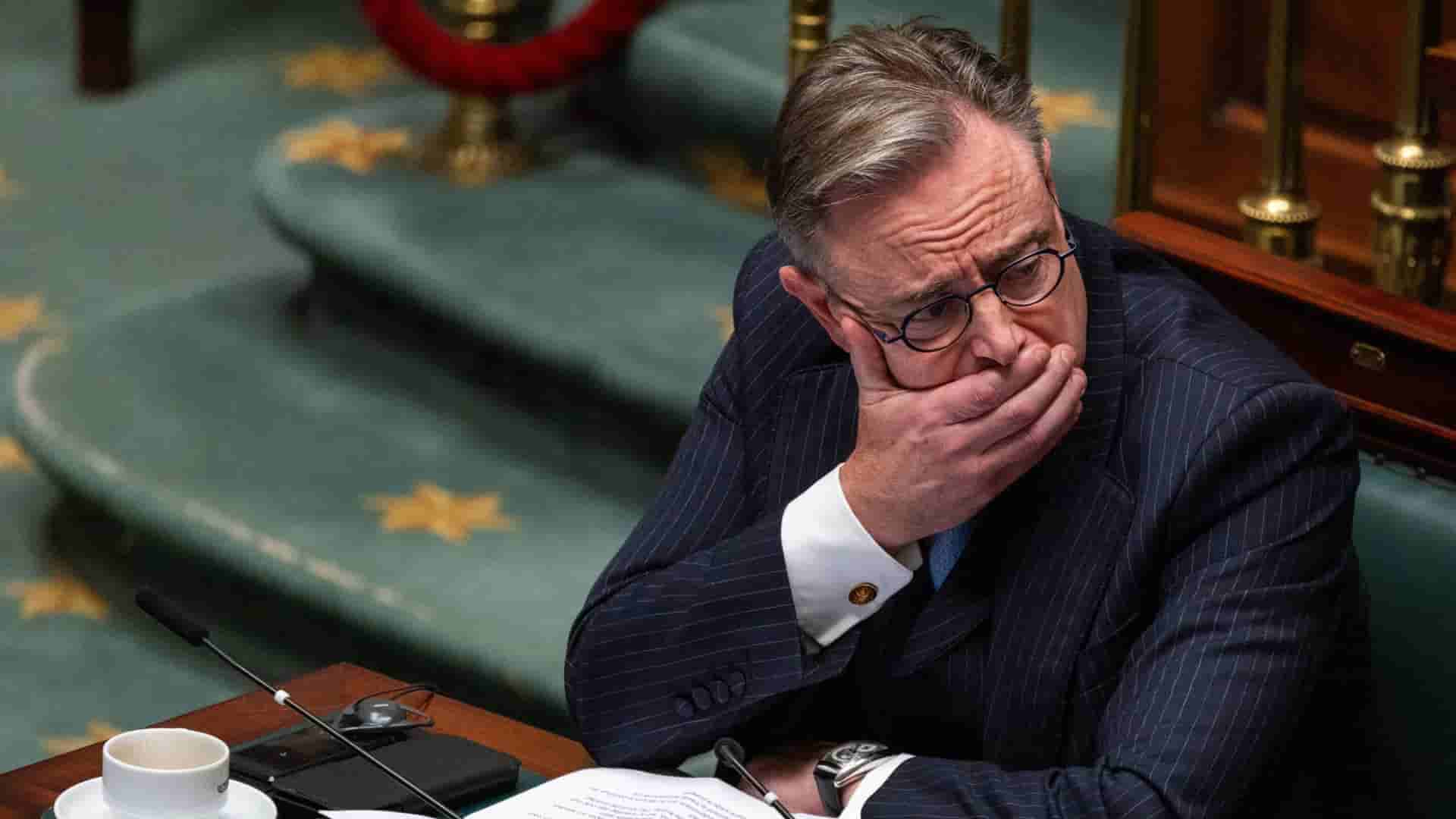
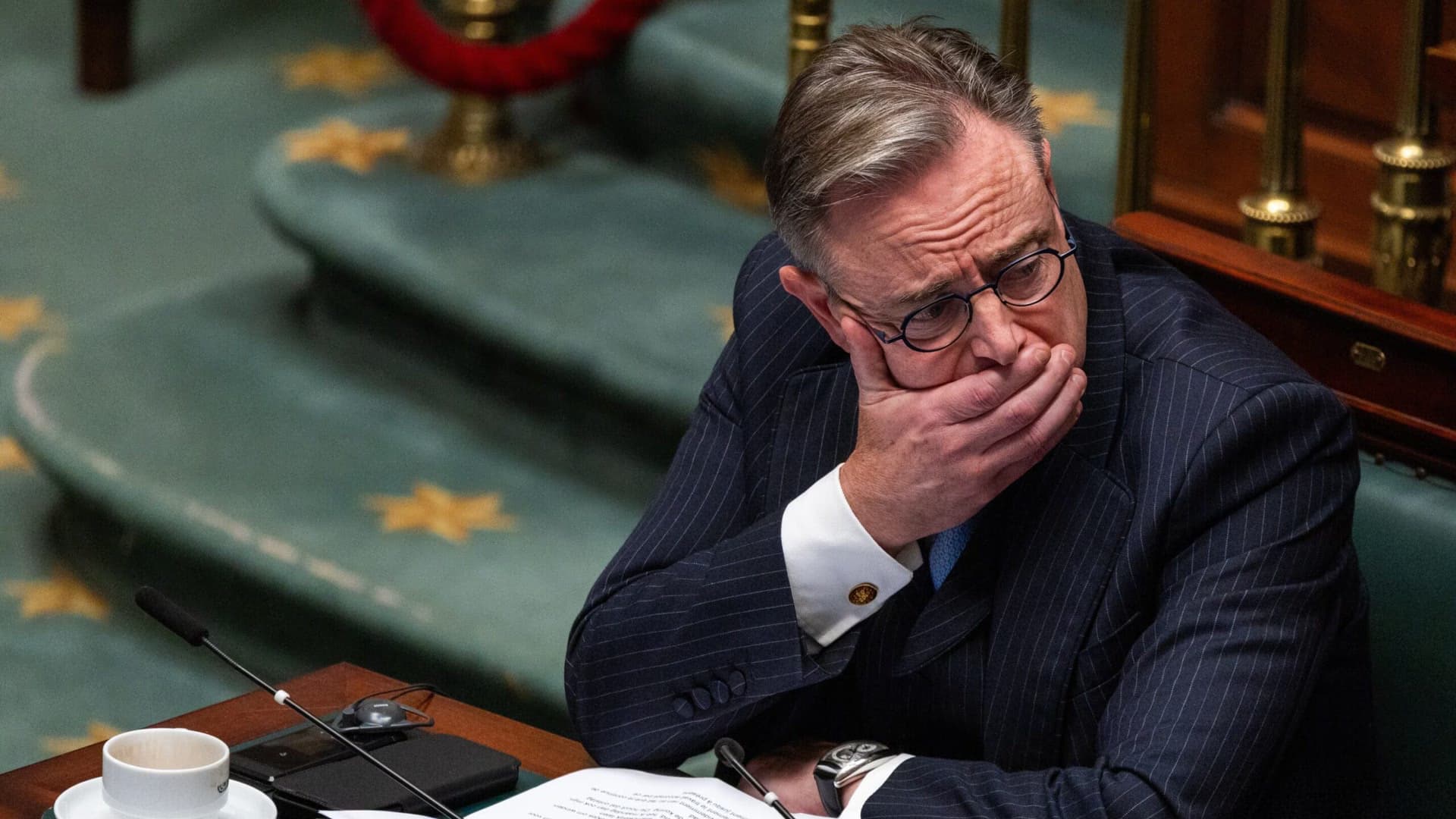
Belgium, the NATO ally that hosts the alliance's headquarters and the main EU institutions, stepped back from a full-blown government crisis on Friday. King Philippe refused Prime Minister Bart De Wever's resignation and told him to restart his coalition's stalled budget negotiations at once.
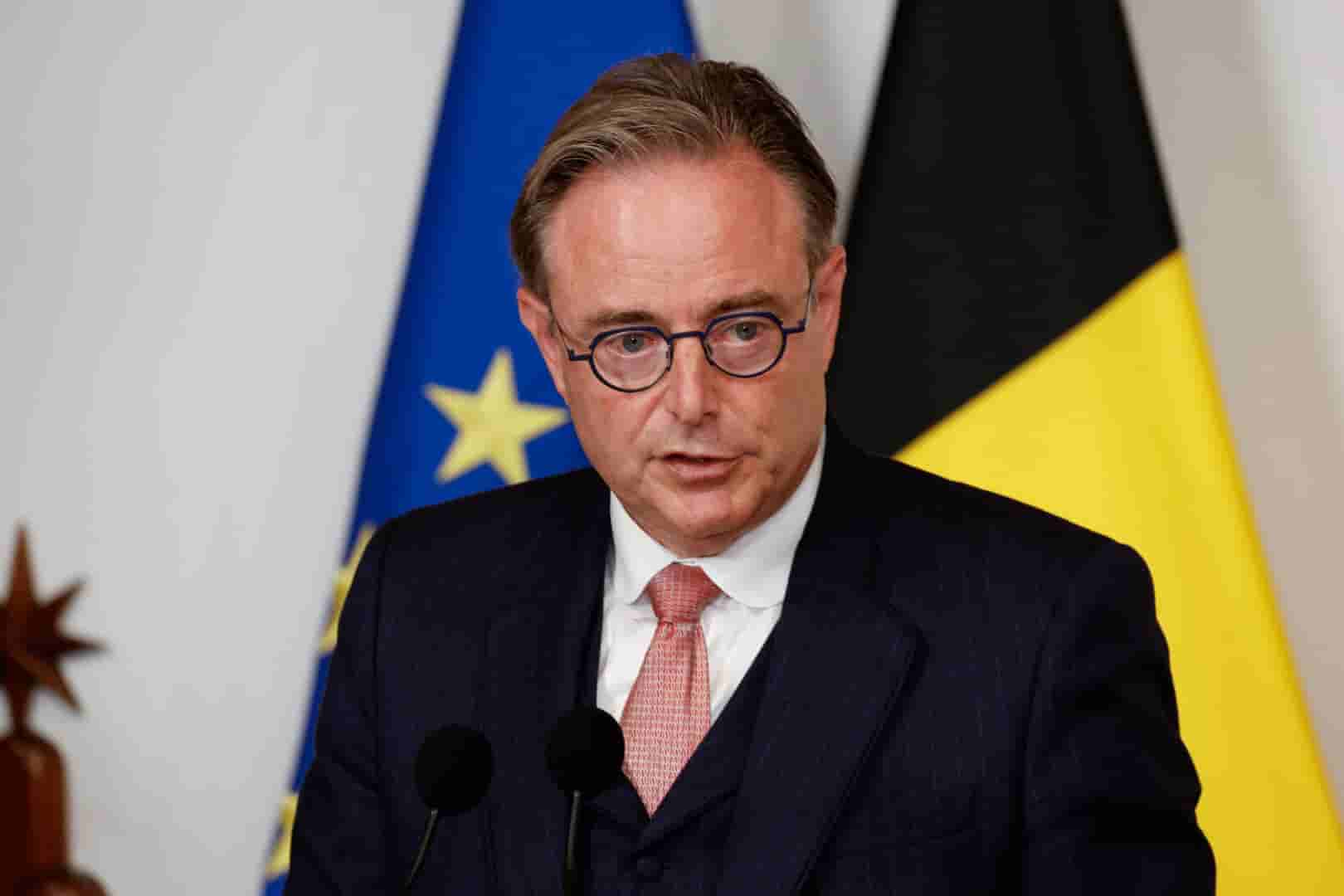
"The King has decided to decline the Prime Minister's resignation and has asked him to resume the budget negotiations immediately," the Royal Palace said after the two met on Nov. 6. De Wever, a conservative Flemish nationalist, will report back to the king on Monday, Nov. 16.
A formal promise from five party leaders
De Wever offered his resignation on Nov. 2 after his five-party coalition failed to agree on a 2027 budget. The king put his decision on hold and spent the week consulting the five governing parties' leaders. According to the palace, all five reaffirmed their determination to agree on a sound budget path for the next three years. They also gave the king "a formal commitment" that their parties are prepared to make concessions. The king, in turn, stressed the need for a fair balance between preserving social cohesion and stimulating economic growth.

De Wever arrived at the Royal Palace on Friday morning, spent more than an hour with the king and left without commenting. Caroline Sägesser of the Brussels research center CRISP told The Parliament Magazine that the prime minister and the king were betting that party leaders "will find it more difficult to say no to the king than to the prime minister."
Debt, deficits and EU rules
At stake is about €10 billion in savings or new revenue that De Wever wants to find by 2029. Belgium's deficit stands at 5.2% of GDP, the highest in the eurozone, and its debt is set to top 110% of GDP this year, according to The Brussels Times. The country has been under the EU's excessive deficit procedure since 2024 and is expected to bring its deficit below 3% of GDP by 2029.
Jean Deboutte, director of Belgium's Federal Debt Agency, told VRT that the gap between Belgian and German bond yields widened by around 10 basis points at the start of the week, "entirely due to the failure of the negotiations." The AP noted that rising interest costs are a major challenge at a time when the government wants to boost defense spending.
A coalition named after Arizona
The so-called Arizona coalition got its name because the five parties' colors match the flag of the U.S. state. It took office in February 2025 and brings together De Wever's N-VA, the French-speaking liberal Reformist Movement (MR), the centrist Les Engagés, the Flemish socialists of Vooruit and the Flemish Christian Democrats of CD&V. Vooruit, CD&V and Les Engagés want the wealthiest to contribute more, while N-VA and MR oppose new taxes. MR has also vetoed a proposed increase in value-added tax.
MR leader Georges-Louis Bouchez said Friday that a snap election would be "completely irresponsible." "There are 348 billion euros of public spending in this country, so telling me we won't manage to find 10 billion out of 348 is not very reasonable," he said. Opposition Socialist leader Paul Magnette urged the government to use the 10 days to change course.
Whatever happens by Nov. 16, Belgium will begin next year under "provisional twelfths," an emergency system that lets the government spend one-twelfth of the previous year's budget each month. De Wever told lawmakers on Thursday it was "a horrible failure" for his government. "I only want to be Prime Minister of a government that prioritises this task; otherwise, it is completely pointless," he said.
Photos: Belga/Nicolas Maeterlinck via The Brussels Times; Belga via La Libre
Have a story, event or announcement of your own?Send us your news on WhatsApp
Spotted an error in this story?Report it on WhatsApp
Share on all social platforms
Sponsored Ads
Featured Listings
Loading featured properties...
Stay Updated with Ally Daily
Subscribe to be informed about special news, developments and announcements. We will keep you informed.
By signing up, you agree to our Privacy Policy