- BIST10011,333+2.81%
- USD50.03+0.05%
- EUR56.26+0.56%
- GOLD4,094.40+0.53%
- INTEREST36.00%-1.00
- BITCOIN75,600-6.00%
- November 5, 202621°
- BIST10011,333+2.81%
- USD50.03+0.05%
- EUR56.26+0.56%
- GOLD4,094.40+0.53%
- INTEREST36.00%-1.00
- BITCOIN75,600-6.00%
- November 5, 202621°
EU guidance tells households to keep cash, a battery radio and stored water
New European Commission guidelines spell out what homes should have on hand to get through the first three days of an emergency, from shelf-stable food and charged power banks to small banknotes in case card payments go down.
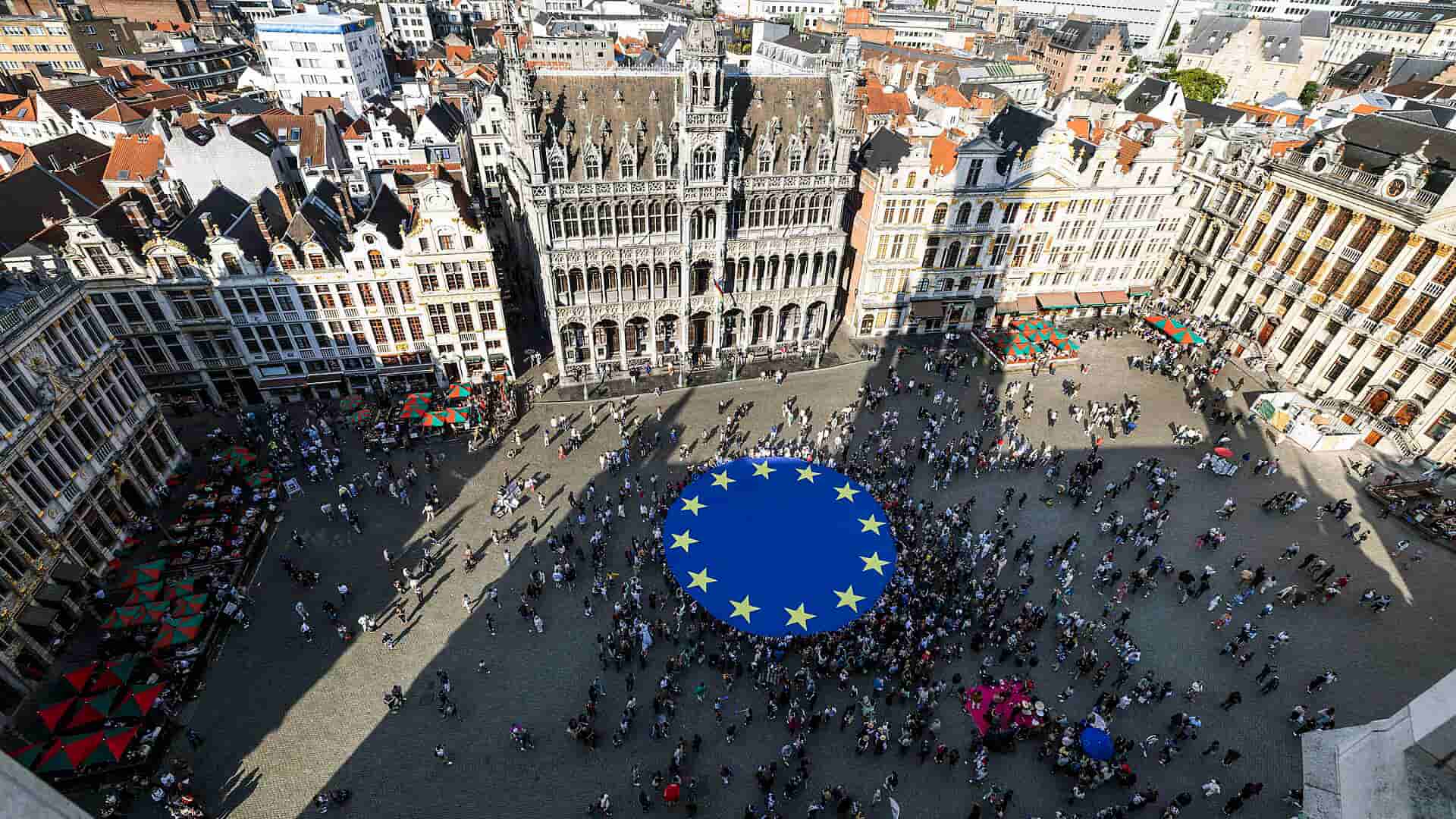
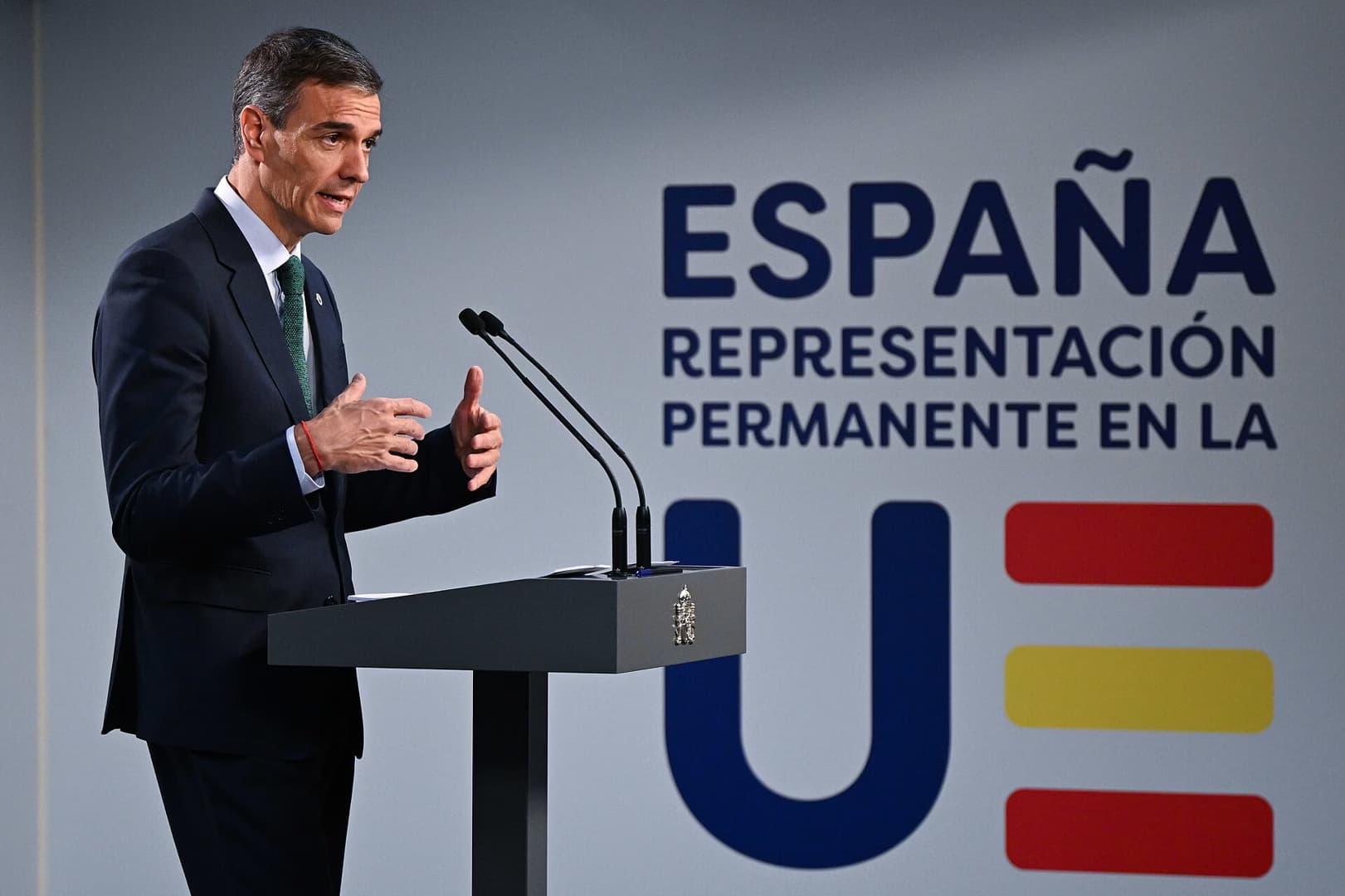
The European Commission has set out what it wants Europeans to keep at home in case of an emergency. The new population preparedness guidelines, presented on Tuesday in Brussels by Hadja Lahbib, the EU commissioner for equality, preparedness and crisis management, at the opening of the 9th European Civil Protection Forum, are built around one goal: households that can look after themselves for at least 72 hours while public help is being mobilized.
What goes on the shelf
A staff document published with the guidelines lists the essentials: food that keeps at room temperature and needs little or no cooking or water, stored water for drinking, basic cooking and hygiene, alternative heating, cooling and lighting, medicines and first aid supplies, and hygiene and sanitation items, including a plan for toilet use. It also calls for a battery-powered radio and fully charged power banks to receive emergency information.
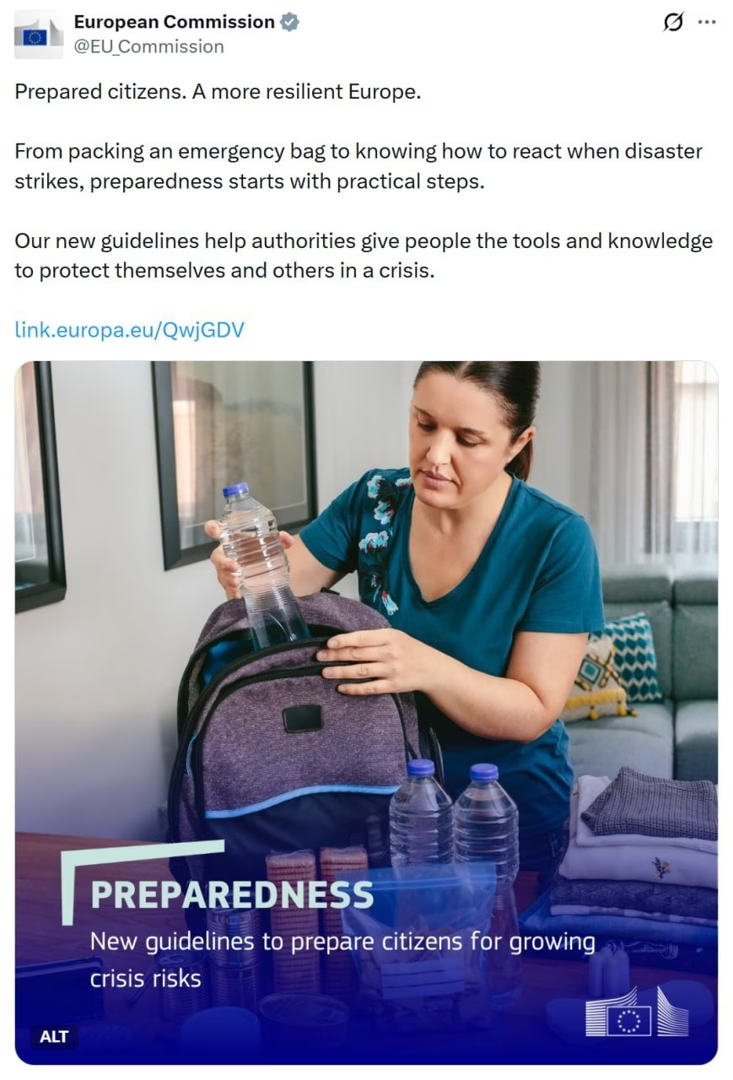
Money gets its own line. Households are advised to hold a cash reserve, including small notes and coins, in case digital payment systems fail, and to keep an offline digital payment method where one exists; the document cites the planned offline digital euro as a future example. It also suggests a separate grab-and-go bag with identity documents, cash and basic supplies for a quick evacuation, along with a household plan naming the nearest shelter and how to reach family if mobile networks are down.
"The first hours can make all the difference"
"When disaster strikes, the first hours can make all the difference," Lahbib said. "That is why we are giving people practical tools to prepare for crises, while strengthening the systems they rely on when emergencies hit."
The guidance is non-binding and sets no EU-wide shopping list or quantities. It is addressed to civil protection authorities in the 27 member states and the 10 other countries in the EU Civil Protection Mechanism, Türkiye among them. Officials are told to present preparedness as a precaution based on a changing risk environment, not a response to an immediate threat, to promote cheap, gradual steps for low-income families and people in small apartments, and to make clear that 72 hours is a minimum, since some crises last longer.
Schools and a Preparedness Day
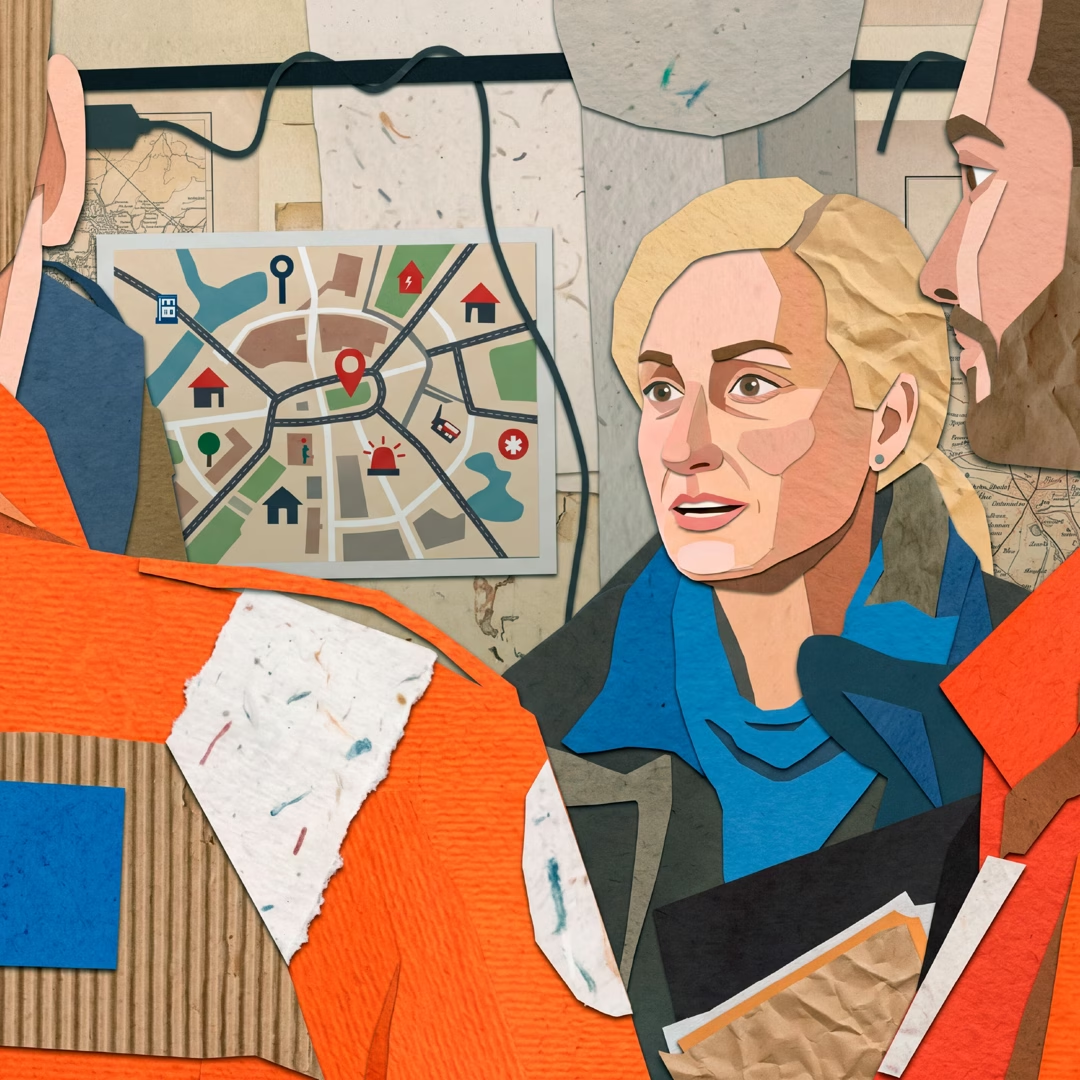
The package also asks governments to build preparedness into early childhood and primary school curricula, involve people with disabilities in emergency planning and give citizens reliable information before, during and after a crisis. The Commission proposed an annual EU Preparedness Day every Oct. 23, starting in 2027.
The guidelines put into practice the Preparedness Union Strategy adopted in March 2025, when Commission President Ursula von der Leyen said that "new realities require a new level of preparedness in Europe." For American readers, the approach will sound familiar: it mirrors the "build a kit" advice FEMA has long promoted through its Ready.gov campaign.
Images: European Commission. Cover: Lukasz Kobus / European Commission, via Wikimedia Commons (CC BY 4.0)
Stay Updated with Ally Daily
Subscribe to be informed about special news, developments and announcements. We will keep you informed.
By signing up, you agree to our Privacy Policy