- BIST10011,722-2.89%
- USD49.45+0.05%
- EUR55.62+0.37%
- GOLD4,181.10+0.26%
- INTEREST37.00%-1.00
- BITCOIN81,434-0.08%
- October 17, 202614°
- BIST10011,722-2.89%
- USD49.45+0.05%
- EUR55.62+0.37%
- GOLD4,181.10+0.26%
- INTEREST37.00%-1.00
- BITCOIN81,434-0.08%
- October 17, 202614°
Local Police Help Drive Surge in ICE Arrests in New Hampshire
Local police departments in New Hampshire are playing a growing role in federal immigration enforcement, with officers detaining 172 people under agreements with ICE since September 2025, according to a new analysis.


Local police departments in New Hampshire are taking an increasingly active role in federal immigration enforcement, as new figures reveal that officers working under agreements with U.S. Immigration and Customs Enforcement have detained 172 people since September 2025.
The figures were reported by New Hampshire Public Radio as part of an examination of the state's expanding participation in ICE's 287(g) program, which allows participating state and local law enforcement agencies to perform certain immigration-enforcement functions under federal supervision.

172 People Detained Under ICE Partnerships
According to the report, local law enforcement agencies participating in the program detained 172 people between September 2025 and the period covered by the latest data.
The figures highlight how immigration enforcement in New Hampshire is increasingly extending beyond federal ICE officers, with local agencies becoming directly involved through formal federal partnerships.
What Is the 287(g) Program?
The 287(g) program takes its name from a section of the Immigration and Nationality Act. It allows ICE to enter into agreements with state and local law enforcement agencies and authorize trained officers to carry out specified immigration-enforcement duties under ICE oversight.
ICE describes the program as a way for federal immigration authorities to work with state and local agencies to identify and process people who may be subject to immigration enforcement.
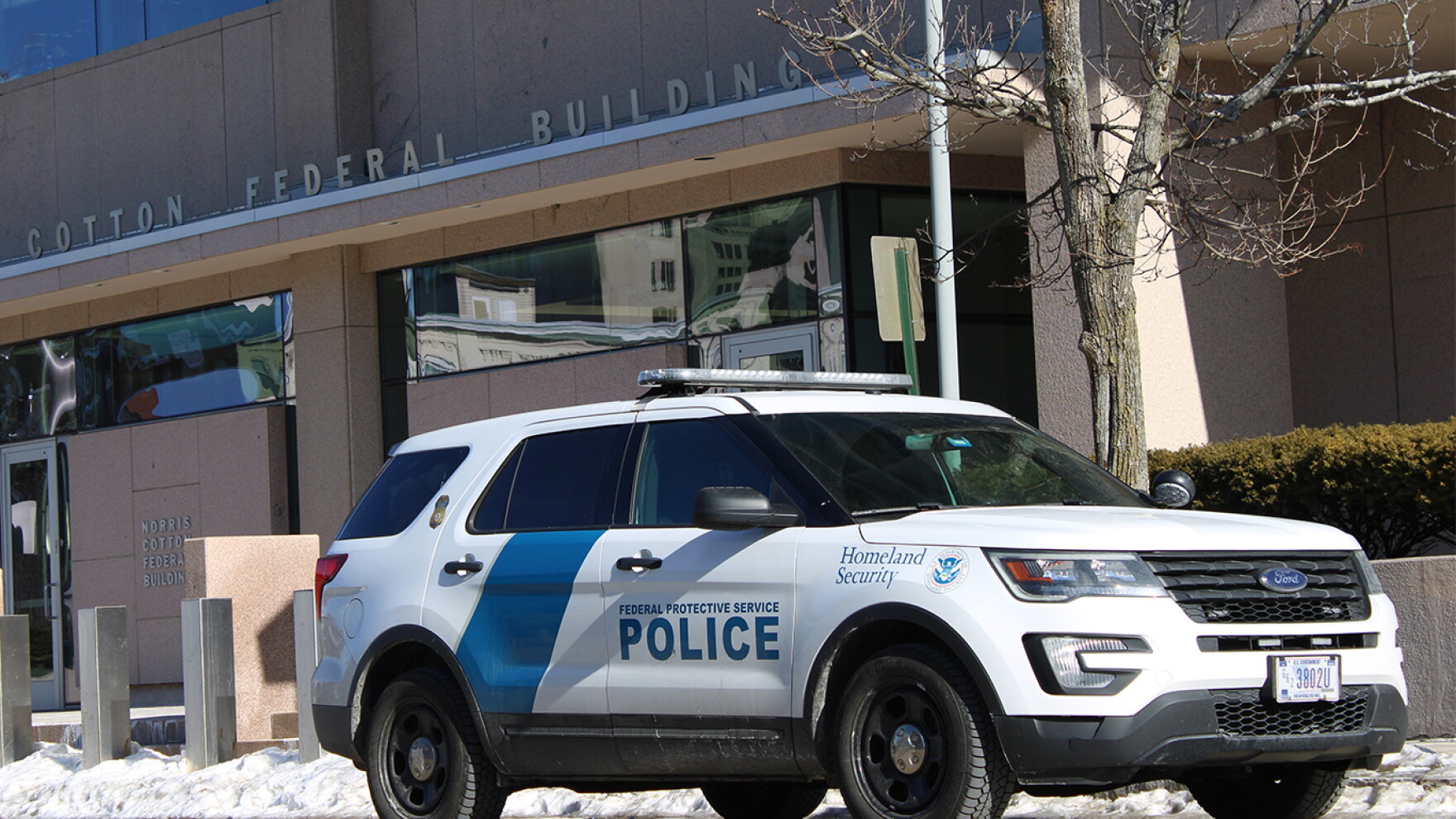
New Hampshire Stands Out in New England
New Hampshire has taken a notably different approach from neighboring New England states when it comes to formal cooperation between local police and federal immigration authorities.
NHPR reported that New Hampshire is currently the only New England state where local law enforcement agencies have entered into these types of 287(g) agreements with ICE.
Immigration Enforcement Debate Continues
The expansion of local involvement in immigration enforcement has become part of a broader national debate over how closely state and municipal police departments should cooperate with federal immigration authorities.
Supporters argue that partnerships with ICE strengthen enforcement of federal immigration laws and improve cooperation between agencies. Critics, meanwhile, warn that involving local police in immigration enforcement can discourage immigrant communities from reporting crimes or cooperating with law enforcement.
The latest New Hampshire figures show that local-federal immigration partnerships are already having a measurable impact on enforcement in the state.
Stay Updated with Ally Daily
Subscribe to be informed about special news, developments and announcements. We will keep you informed.
By signing up, you agree to our Privacy Policy