Researchers at Nanyang Technological University have developed perovskite-based solar cells that are one ten-thousandth the thickness of a human hair. This new structure can generate electricity even from diffuse and indirect light on surfaces that do not receive direct sunlight.
The study was published in the journal ACS Energy Letters. The researchers emphasize that the technology specifically targets shading problems commonly encountered in dense urban environments.
Aiming to Reduce Shading Issues in Cities
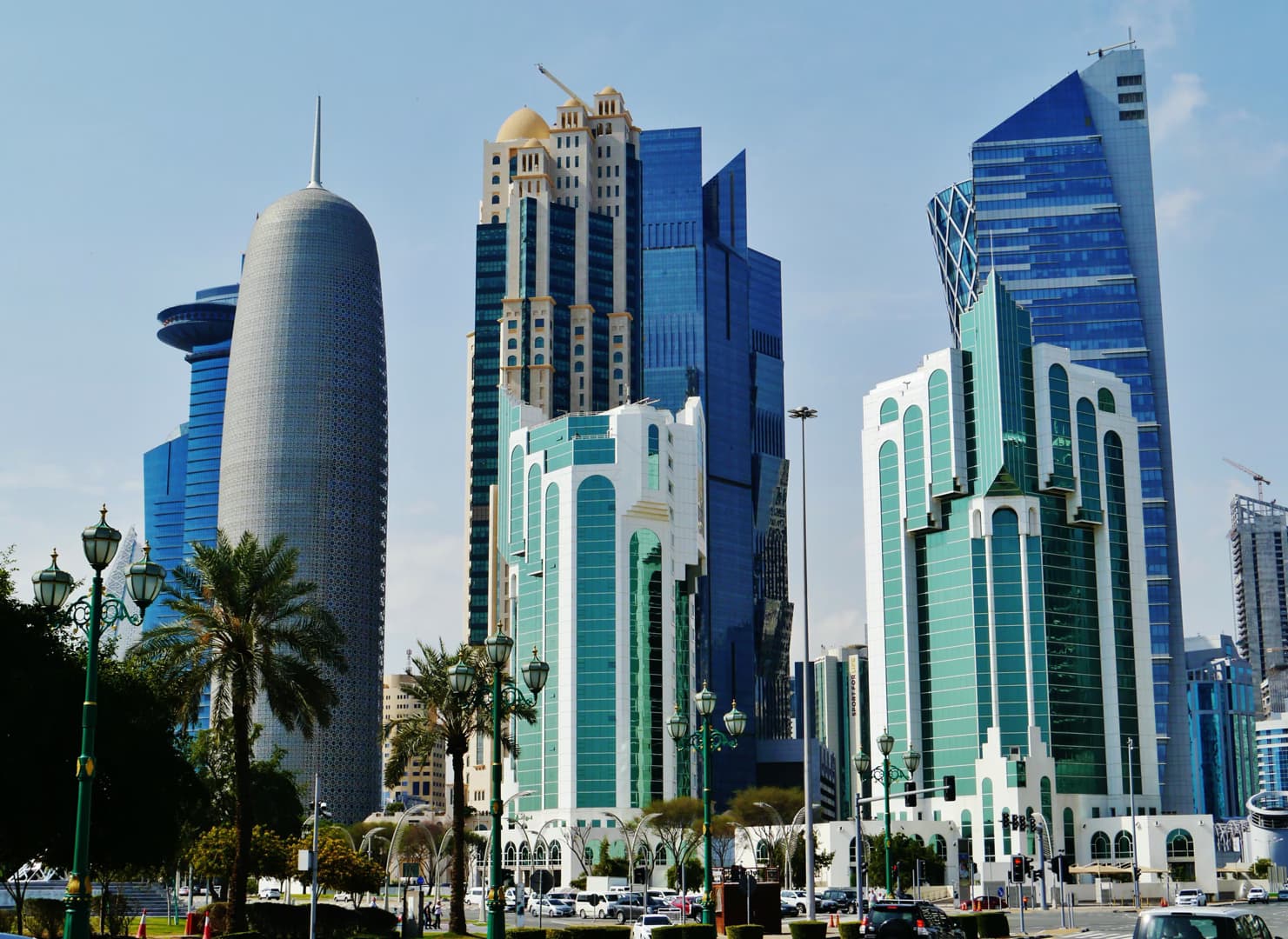
Traditional solar panels do not always perform efficiently in city centers where tall buildings cast shadows on each other. The new perovskite cells aim to reduce this limitation by expanding energy production beyond rooftops to wider surfaces.
Building facades, office windows, car hoods, and home glass surfaces stand out as potential application areas. Thanks to the technology's neutral color, it can be integrated into surfaces without drawing attention.
No Toxic Solvents Used in Production
The development process employed thermal evaporation. The perovskite material was heated in a vacuum chamber until it vaporized via the Joule effect, then deposited as an ultra-thin film on the surface.
This method produced uniform layers just 10 nanometers thick. The absence of toxic chemical solvents makes the production both environmentally cleaner and more suitable for large-scale use.
Two Different Cell Types Developed
The team designed two types of cells by varying the layer thickness: opaque and semi-transparent. The opaque version achieved energy efficiencies between 7% and 12%.
The semi-transparent version transmitted 41% of visible light while generating electricity at 7.6% efficiency. Although these rates lag behind silicon panels, the researchers highlight that the main advantage lies in the increased usable surface area.
Buildings Could Become Energy Production Hubs
Currently, solar energy in cities is mostly produced through large parks outside urban areas or rooftop panels. If ultra-thin perovskite cells become widespread, buildings themselves could transform into energy production points.
This approach could activate surfaces like glass, facades, and vehicles that were previously not considered for energy generation, enabling renewable energy to spread more extensively within cities.