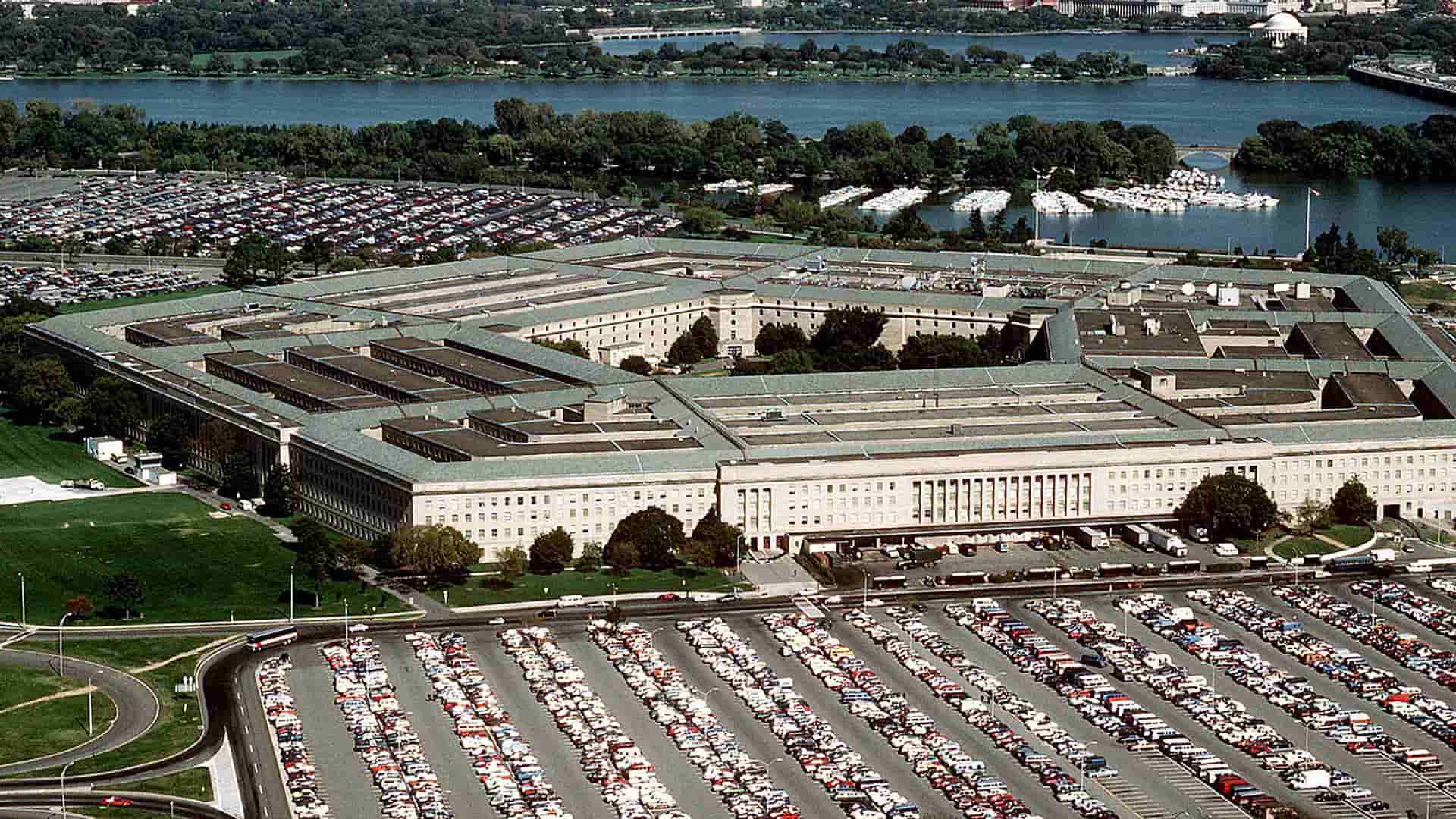
The Pentagon has failed its annual financial audit for the ninth year in a row, according to an inspector general report released Monday, even as the Trump administration asks Congress for a record $1.5 trillion in national defense spending.
The audit reviewed nearly 30 Defense Department components and more than $4.8 trillion in assets, and it involved about 1,500 auditors from the department's watchdog and independent accounting firms, The Hill reported. The Pentagon has never passed a department-wide audit since it was first audited in 2018.
A majority of units pass for the first time
Defense Department Chief Financial Officer Jules Hurst told Reuters that an independent auditor found the financial statements of 14 of the Pentagon's 25 standalone reporting entities passed in fiscal 2026, which ended in September, up from 11 a year earlier. Those entities account for 56% of the department's assets and 86% of its liabilities. "For the first time ever, a majority of assets from the department are on clean opinions," Hurst said.
Among the first-time passes was the Medicare-Eligible Retiree Health Care Fund. The department expects improved results in February for the Navy Working Capital Fund, the Defense Information Systems Agency, the Defense Intelligence Agency and the National Geospatial-Intelligence Agency.

Defense Secretary Pete Hegseth has set a goal of a clean, department-wide audit by 2028 and has formed an Audit Committee to track progress, according to the inspector general. Congress gave the Pentagon 10 years to pass, a deadline that falls in the fiscal year starting in October 2027.
Watchdog: fewer weaknesses only on paper
The inspector general's office struck a more cautious note. "Although the number of material weaknesses appears lower in FY 2026, that reduction stems from consolidation, not resolution," said Brett Mansfield, the deputy inspector general for audit.
The department runs about 149 financial management systems, many of them outdated and some built on 50-year-old computer code. To work around them, officials drew data from 61 core systems on the Pentagon's cloud-based War Data Platform, and the department is using artificial intelligence tools from Palantir and xAI, along with in-house software, to automate reconciliations. "Passing the audit is ultimately a time problem," Hurst said. The Pentagon also plans to fold its 25 separate audit opinions into eight.

The results land as lawmakers weigh how much to spend on the military. Senate Republicans this week unveiled a defense appropriations bill of nearly $1.1 trillion, The Hill reported, while the administration is seeking a record $1.5 trillion for national defense, including money for the Golden Dome missile shield, drones and AI.
Cover photo: U.S. Department of Defense (file). Photos: U.S. Department of War via Wikimedia Commons.