- BIST10011,483+1.32%
- USD50.07+0.05%
- EUR55.96-0.52%
- GOLD4,074.90-0.94%
- INTEREST36.00%-1.00
- BITCOIN75,672-0.11%
- November 8, 20268°
- BIST10011,483+1.32%
- USD50.07+0.05%
- EUR55.96-0.52%
- GOLD4,074.90-0.94%
- INTEREST36.00%-1.00
- BITCOIN75,672-0.11%
- November 8, 20268°
U.S. clears $1.08 billion Black Hawk sale to Mexico for counter-drug missions
The State Department has approved a possible $1.08 billion sale of 11 UH-60M Black Hawk helicopters to Mexico, with Connecticut-based Sikorsky as the principal contractor. Washington says the aircraft would help Mexican forces fly troops on counter-narcotics operations.
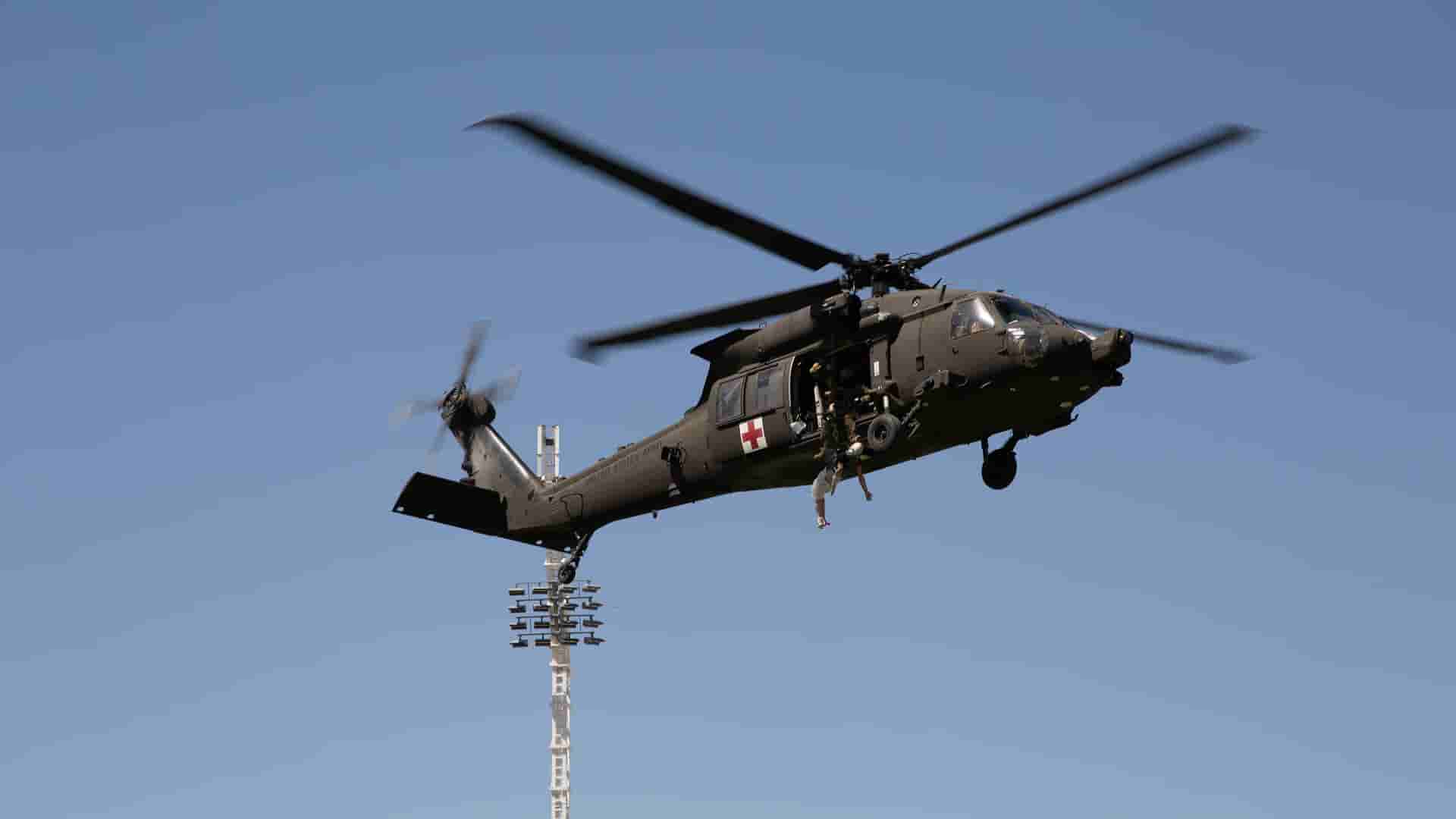
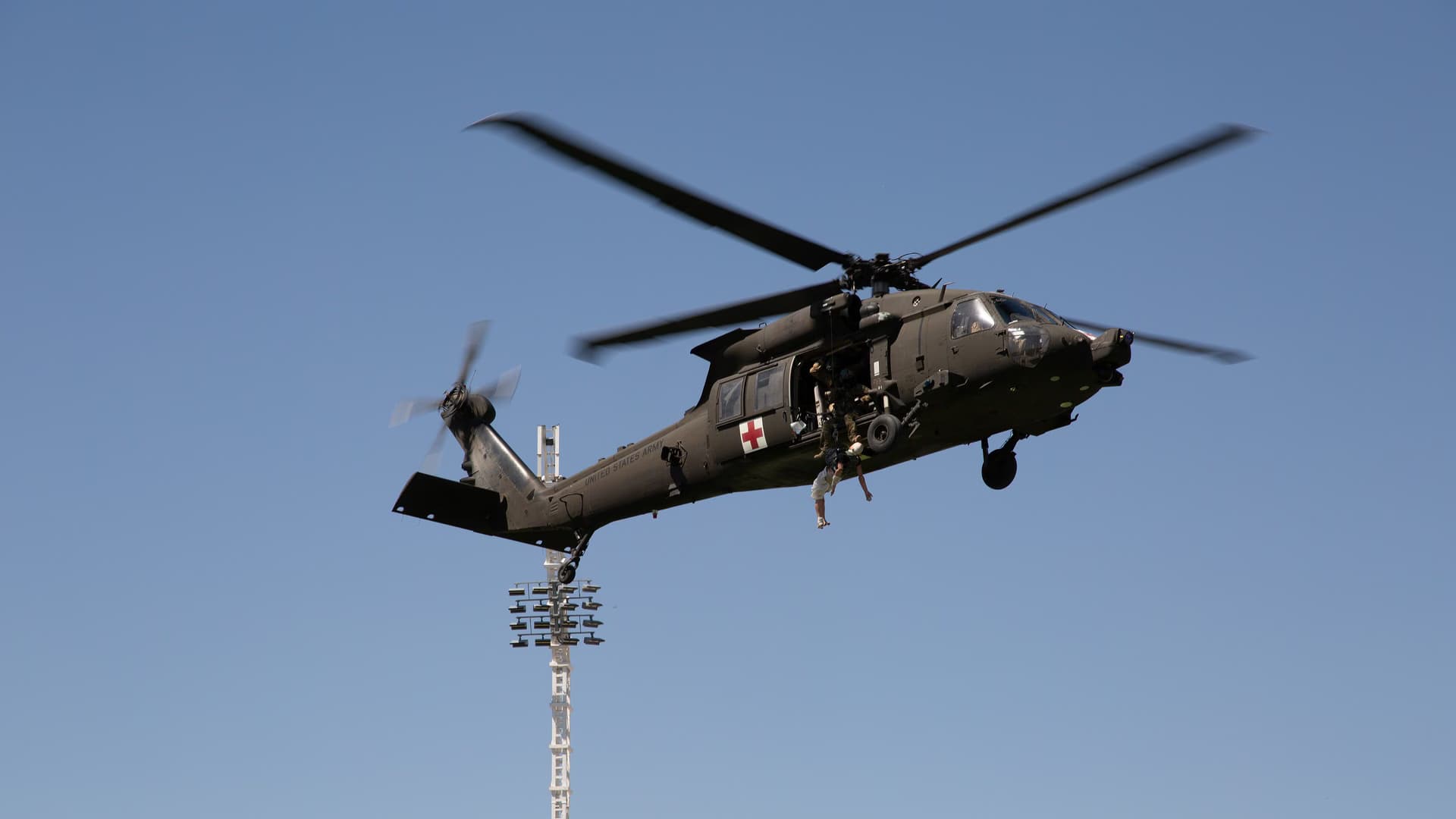
The State Department on Friday approved a possible sale of UH-60M Black Hawk helicopters and related equipment to Mexico at an estimated cost of $1.075 billion, a deal that would expand one of Latin America's largest Black Hawk fleets. The principal contractor would be Sikorsky, a Lockheed Martin company based in Stratford, Connecticut.
According to the notice, listed as transmittal 26-104 and sent to Congress, Mexico asked to buy 11 UH-60M Black Hawks, 27 General Electric T700-GE-701D engines, 27 EAGLE-M+429 embedded GPS/inertial navigation systems and 27 AN/ARC-231A radios. Twenty-two of the engines would be installed and five held as spares, Air Data News reported. The package also covers MX-10D electro-optical and infrared sensors with laser designators, M134 machine guns, AN/AVS-6 night-vision goggles, weather radar, ballistic armor, rescue hoists, auxiliary fuel tanks and fast-rope gear for inserting troops, along with spare parts, training and technical support.
What Washington says it gets
The State Department said the sale would support U.S. foreign policy and national security goals by improving the security of a partner it described as a force for political stability and economic progress in North America. It said the helicopters would modernize Mexico's rotary-wing fleet, cut the number of helicopter types it operates, strengthen bilateral ties and improve Mexico's ability to airlift forces taking part in counter-narcotics operations inside the country.
The notice says Mexico will have no difficulty absorbing the equipment, that the sale will not alter the basic military balance in the region and that it will have no adverse impact on U.S. defense readiness. Carrying it out would require 15 additional U.S. government or contractor representatives to travel to Mexico for an extended period for equipment deployment, training and technical support. Washington knows of no proposed offset agreement. The approval is not a contract: Congress can review the proposal, and final quantities and costs will be set in negotiations between Mexico and the contractor.
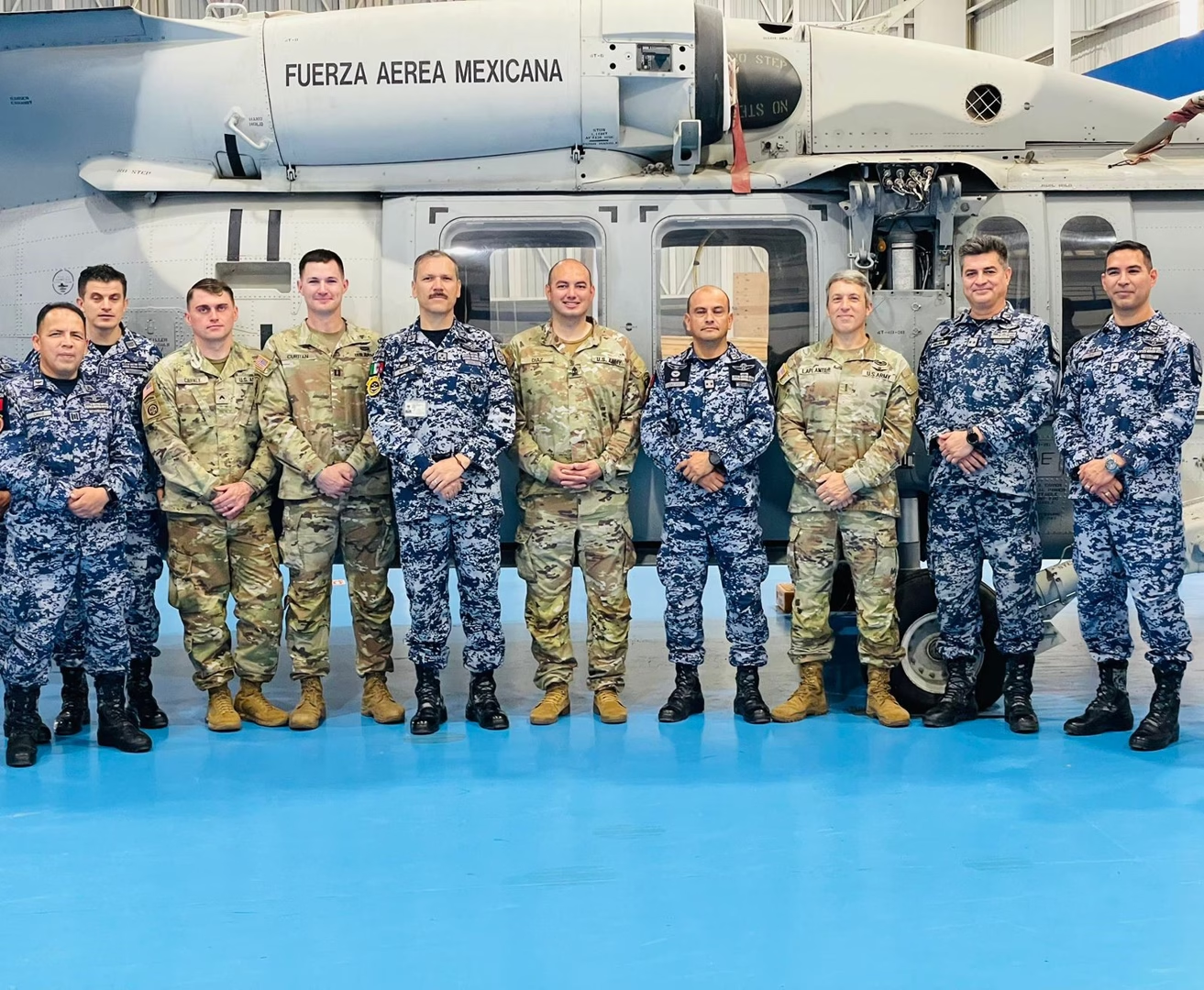
U.S. Army aviation specialists have trained alongside Mexican Air Force Black Hawk crews, including during a 2024 rescue-hoist and maintenance exchange with the 107th and 108th UH-60M squadrons in Monterrey. Mexico received its first two Black Hawks, S-70A-24 models, in July 1991. Its navy took delivery of three UH-60Ms in September 2011 through the U.S.-backed Mérida Initiative, and the Mexican Air Force ordered 18 UH-60Ms in 2014 in a deal valued at $680 million. Recent fleet figures list 18 UH-60Ms with the air force and 10 with the navy, according to Air Data News.
Cartels, cooperation and sovereignty
The sale comes as Washington presses Mexico for tougher action against drug cartels. The Trump administration designated six Mexican cartels as foreign terrorist organizations in February 2025, and Secretary of State Marco Rubio and President Claudia Sheinbaum announced stepped-up cooperation against transnational crime that September. In June, Homeland Security Secretary Markwayne Mullin told House lawmakers that Sheinbaum's government had "impressed us," calling it "much more cooperative than the previous administration."
Sheinbaum has also drawn a firm line on sovereignty, describing the relationship as "coordination, not subordination" and ruling out joint operations by U.S. forces on Mexican soil. In October, after U.S. authorities reported that Coast Guard personnel had come under fire near the Tamaulipas-Texas border, Mexico asked for evidence, and the two governments agreed to revive "mirror operations," in which forces patrol at the same time on their own sides of the border. Mexico also deployed 500 soldiers and National Guard members to five Tamaulipas municipalities, backed by helicopters and drones.
The Mexican government had not publicly commented on the approval as of Saturday. The notice did not say which Mexican agency would receive the helicopters; Black Hawks are flown by the Defense Ministry, the Navy and the National Guard, Infobae noted.
Photos: U.S. Air Force photo by Cathryn Lindsay; U.S. Army photo / Wikimedia Commons (archive)
Stay Updated with Ally Daily
Subscribe to be informed about special news, developments and announcements. We will keep you informed.
By signing up, you agree to our Privacy Policy