- BIST10011,619-0.87%
- USD49.45+0.05%
- EUR55.62+0.37%
- GOLD4,192.60+0.28%
- INTEREST37.00%-1.00
- BITCOIN82,124+0.14%
- October 19, 20265°
- BIST10011,619-0.87%
- USD49.45+0.05%
- EUR55.62+0.37%
- GOLD4,192.60+0.28%
- INTEREST37.00%-1.00
- BITCOIN82,124+0.14%
- October 19, 20265°
Ross, TJX and Walmart: How the Real Engine of the US Economy is Performing?
The financial results of Ross Stores, TJX, and Walmart show the current state of the US economy in terms of consumer spending. Gasoline prices and consumption...


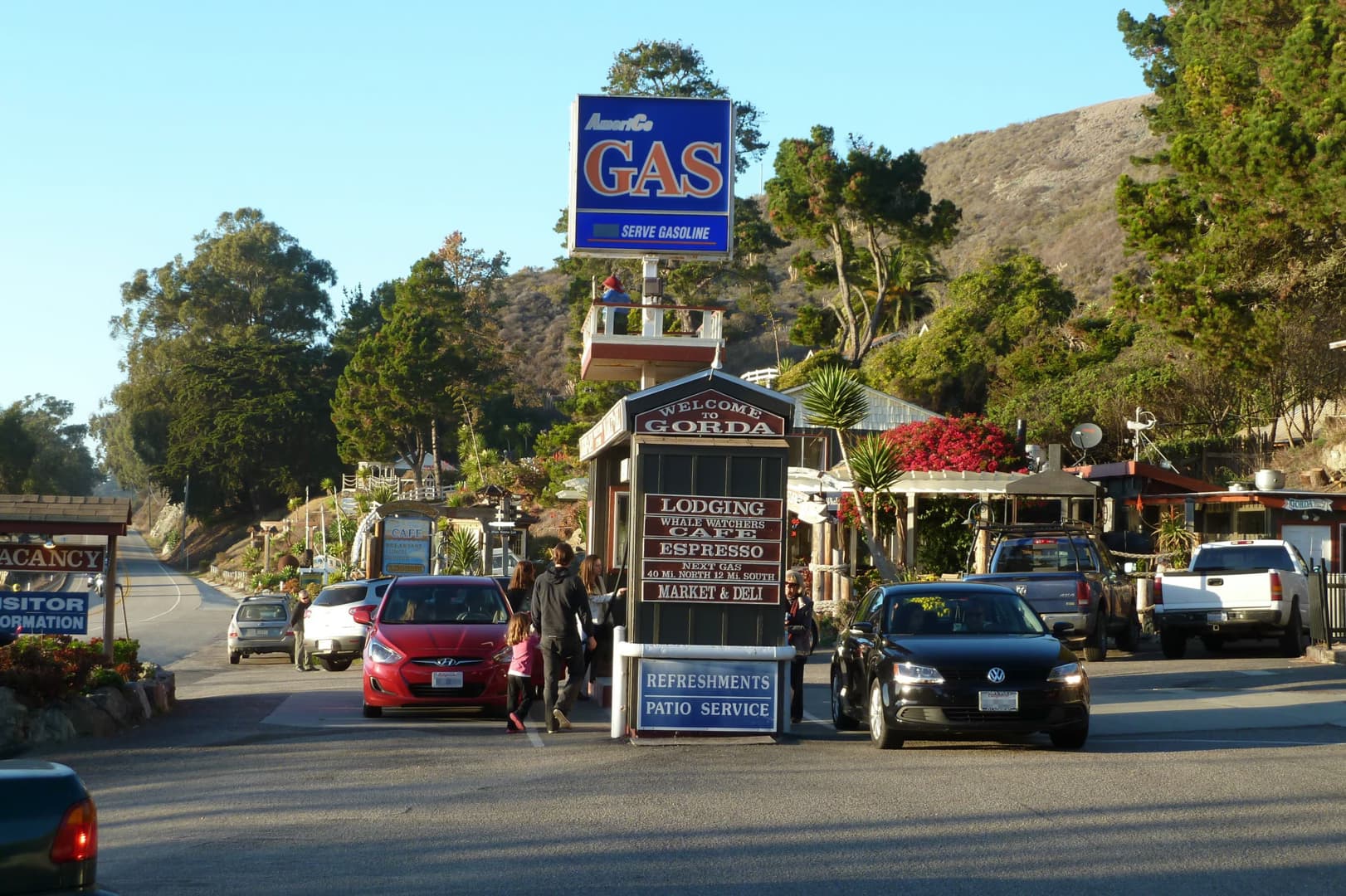
Consumer spending, which makes up about two-thirds of the US economy, is closely monitored through the recent quarterly performances of major retailers like Ross Stores, TJX, and Walmart. Ross Stores reported sales and profit growth above expectations, recording a 17% increase in store sales. The company's CEO, James Conroy, stated that they saw healthy increases in customer numbers across all income levels, ethnic groups, and age groups. Similarly, TJX's CFO, John Klinger, expressed that first-quarter sales growth was supported by both an increase in average basket size and a rise in customer transactions, showing a positive picture across all demographic segments. On the other hand, Walmart highlighted the impact of high gasoline prices on consumers. The company's CFO, John David Rainey, said that the average number of gallons customers filled at gas stations fell below 10 for the first time since 2022, indicating pressure on consumers. However, Rainey also emphasized that the company's overall business condition remains strong. These data indicate that consumers are becoming increasingly frugal, while the consumer confidence index falling to a new record low supports this trend. In the coming weeks, the results of luxury and full-price retailers will also provide additional insights into the economic outlook. Especially luxury brands like Capri Holdings may reflect the economic sentiment of the upper-income group. Additionally, large retailers like Costco will continue to be important sources for observing the impact of gasoline prices on shopping habits. The rise in driving costs due to high oil prices during the summer season may also influence the Federal Reserve's interest rate decisions. These developments offer important clues about the future trajectory of consumer spending, the real engine of the US economy.
Stay Updated with Ally Daily
Subscribe to be informed about special news, developments and announcements. We will keep you informed.
By signing up, you agree to our Privacy Policy