- BIST10011,333+2.81%
- USD50.03+0.05%
- EUR56.26+0.56%
- GOLD4,104.80+0.78%
- INTEREST36.00%-1.00
- BITCOIN76,792-4.52%
- November 5, 202621°
- BIST10011,333+2.81%
- USD50.03+0.05%
- EUR56.26+0.56%
- GOLD4,104.80+0.78%
- INTEREST36.00%-1.00
- BITCOIN76,792-4.52%
- November 5, 202621°
Sánchez to U.S., Israel, Russia and Argentina: Spain takes orders from no one
Speaking at a Barcelona forum, Spain's prime minister said his country is not governed from Washington, Tel Aviv, Moscow or Buenos Aires. The remark follows months of friction with the Trump administration over the Iran war, U.S. bases and NATO spending.
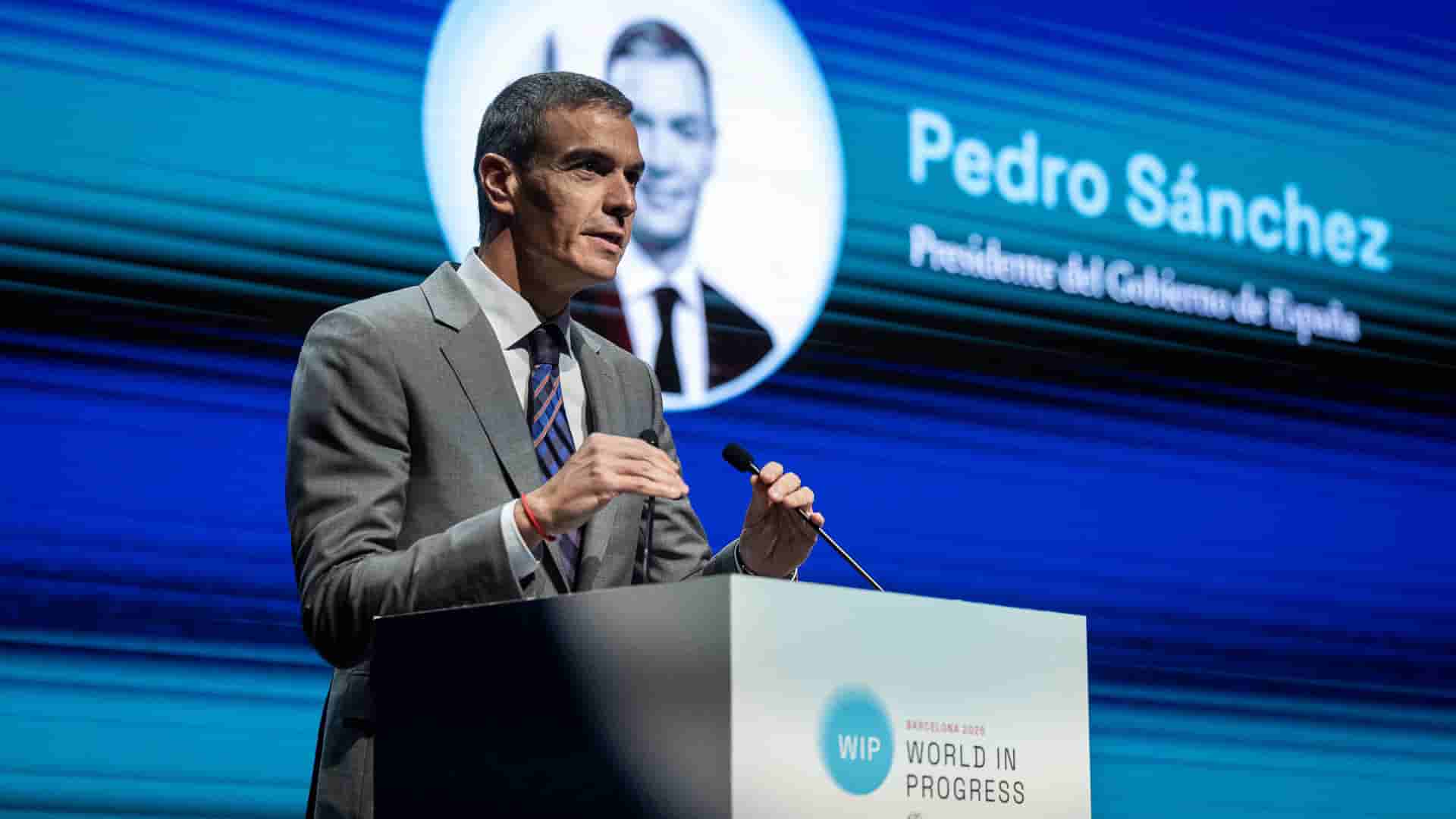
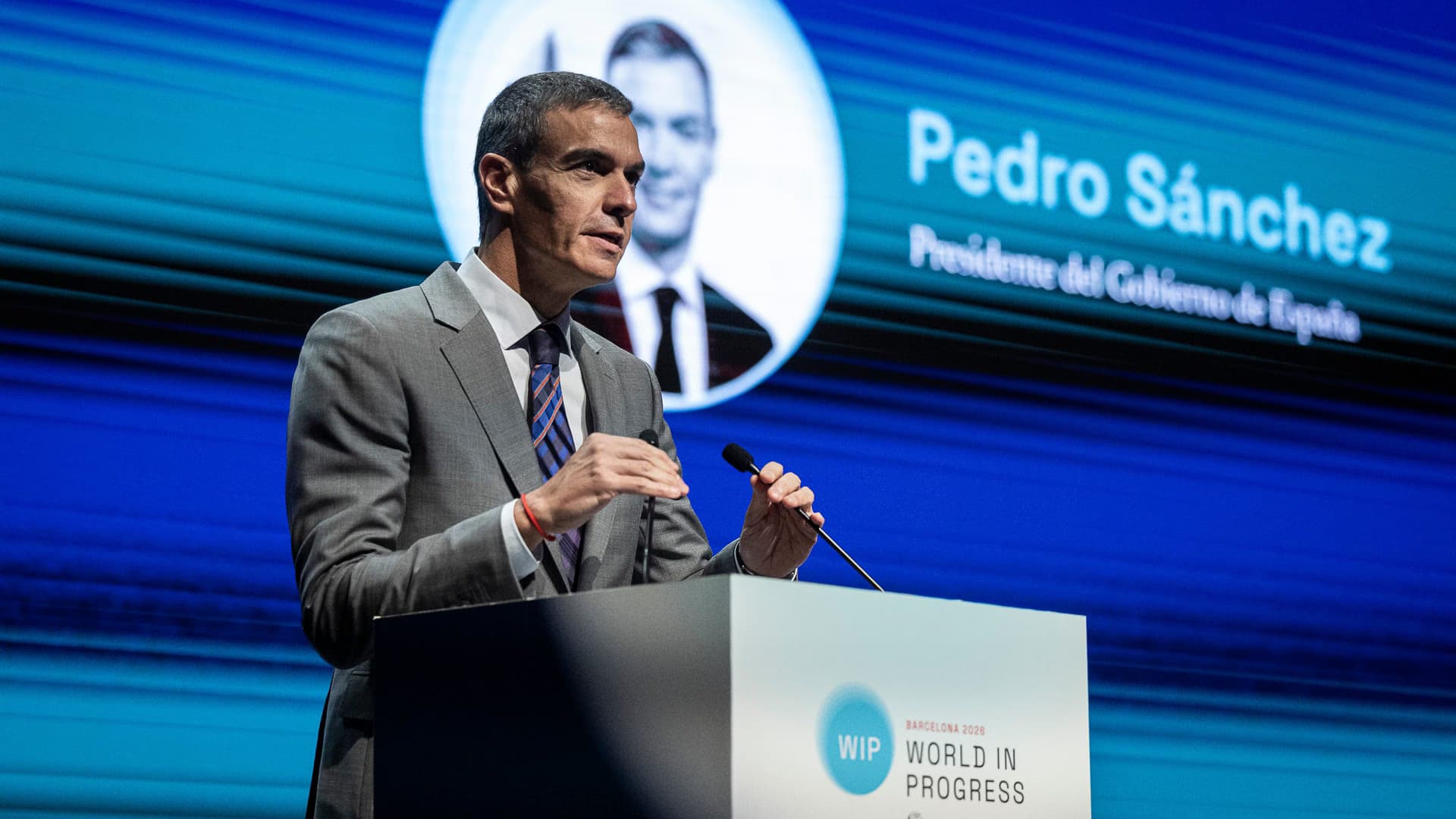
Spanish Prime Minister Pedro Sánchez put Washington first on Monday as he listed the capitals that, in his words, have no say over how his country is run. "Spain is governed from Spain, not from Washington. Not from Tel Aviv, of course, not from Moscow or Buenos Aires. That is the path Europe needs," he told the World in Progress forum in Barcelona.
The line came in a keynote titled "Rethinking Europe" at the Palau de Congressos de Catalunya, where Grupo PRISA, the owner of El País and Cadena SER, opened the third edition of its annual conference. Sánchez was attacking conservative parties that cut deals with the far right, which he said meant working hand in hand with forces subservient to foreign leaders and oligarchs who finance and set the course of a far-right movement spreading around the world.
Months of friction with the Trump administration
The remark lands after a turbulent year between Madrid and Washington. In March, Spain refused to let U.S. forces use the jointly operated bases at Rota and Morón for operations linked to the Iran war. President Donald Trump responded by threatening to cut off all trade with Spain, saying the country had been "terrible," while Sánchez summed up his government's position in four words: "No to war." Madrid had already irritated the White House in 2025 by refusing NATO's new target of spending 5% of GDP on defense.
On Monday, Sánchez called the conflict "illegal" and said it, along with the tensions in the Strait of Hormuz, showed the price being paid by Europe and the rest of the world.
"So far this year, this war has cost Europeans an additional €100 billion because of rising fuel prices," he said, adding that the Global South was paying as well. He credited his government's bet on renewables eight years ago, which he said now supplies more than half of Spain's electricity, with making the country less vulnerable to shocks. A day earlier, Trump had told a rally in Dubuque, Iowa, that higher gas prices were "a very small price to pay" for security.
A 'far-right international'
Much of the speech targeted what Sánchez called a "far-right international," a network he said forges alliances across borders to weaken Europe from within. For that movement, he argued, conflict is not just a path to power but an end in itself.
Spain holds a general election on Nov. 29, and Sánchez accused the conservative Popular Party of normalizing the far-right Vox. He praised German Chancellor Friedrich Merz and Polish Prime Minister Donald Tusk for refusing to deal with the far right, though he said he disagreed with both on the EU's next long-term budget. "There are lines that obviously cannot be crossed," he said.
'When Europe is united, Europe wins'
Sánchez listed three threats facing the continent: Russia's war in Ukraine, fierce competition between the United States and China, and the scramble for energy and other strategic resources. His answer was deeper integration, and he cited the EU's joint gas purchases during the hardest moments of the war in Ukraine as proof that it works.
He also rejected talk of European decline, pointing to countries that want to join the bloc and to Britain, which he did not name but described as the country that made "the mistake" of voting to leave in 2016 and is now rethinking its ties.
"In the face of those who want less Europe, our response must inevitably be much more Europe," Sánchez said.
Video: El País / Clash Report. Cover photo: Albert Garcia / El País
Stay Updated with Ally Daily
Subscribe to be informed about special news, developments and announcements. We will keep you informed.
By signing up, you agree to our Privacy Policy