- BIST10011,333+2.81%
- USD50.03+0.05%
- EUR56.26+0.56%
- GOLD4,125.10+1.28%
- INTEREST36.00%-1.00
- BITCOIN76,659-4.69%
- November 5, 202621°
- BIST10011,333+2.81%
- USD50.03+0.05%
- EUR56.26+0.56%
- GOLD4,125.10+1.28%
- INTEREST36.00%-1.00
- BITCOIN76,659-4.69%
- November 5, 202621°
33 countries, including the US and Canada, tell households to keep emergency supplies
Governments in 33 countries, the US and Canada among them, advise households to keep water, food and basic supplies at home. Japan renewed the call on Monday as its new disaster agency asked residents to store at least three days of supplies.
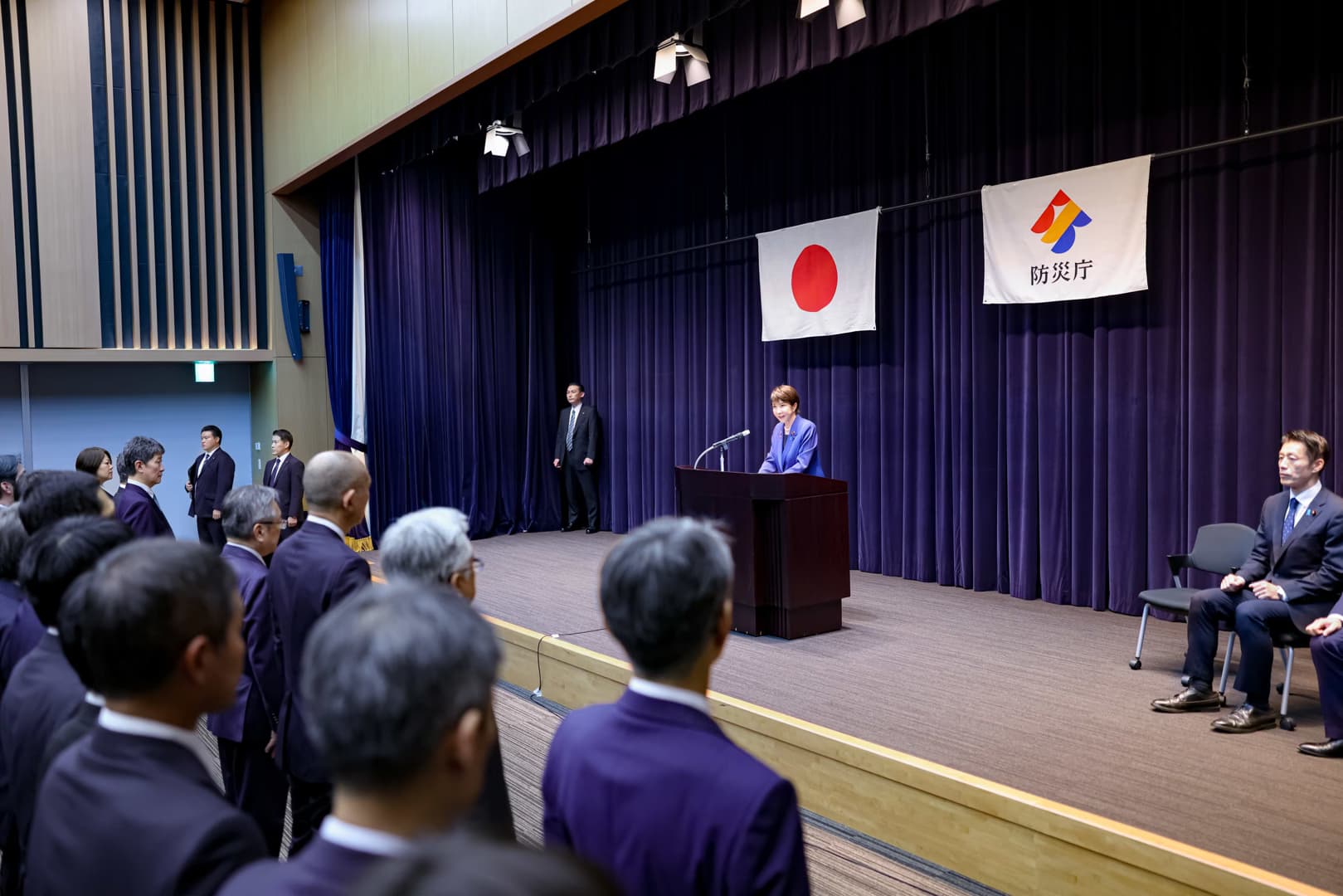
The United States and Canada are among 33 countries whose governments advise households to keep emergency supplies at home, according to a map compiled by Newsweek. The list spans six continents, from the United Kingdom and Germany to Japan, Brazil and New Zealand.
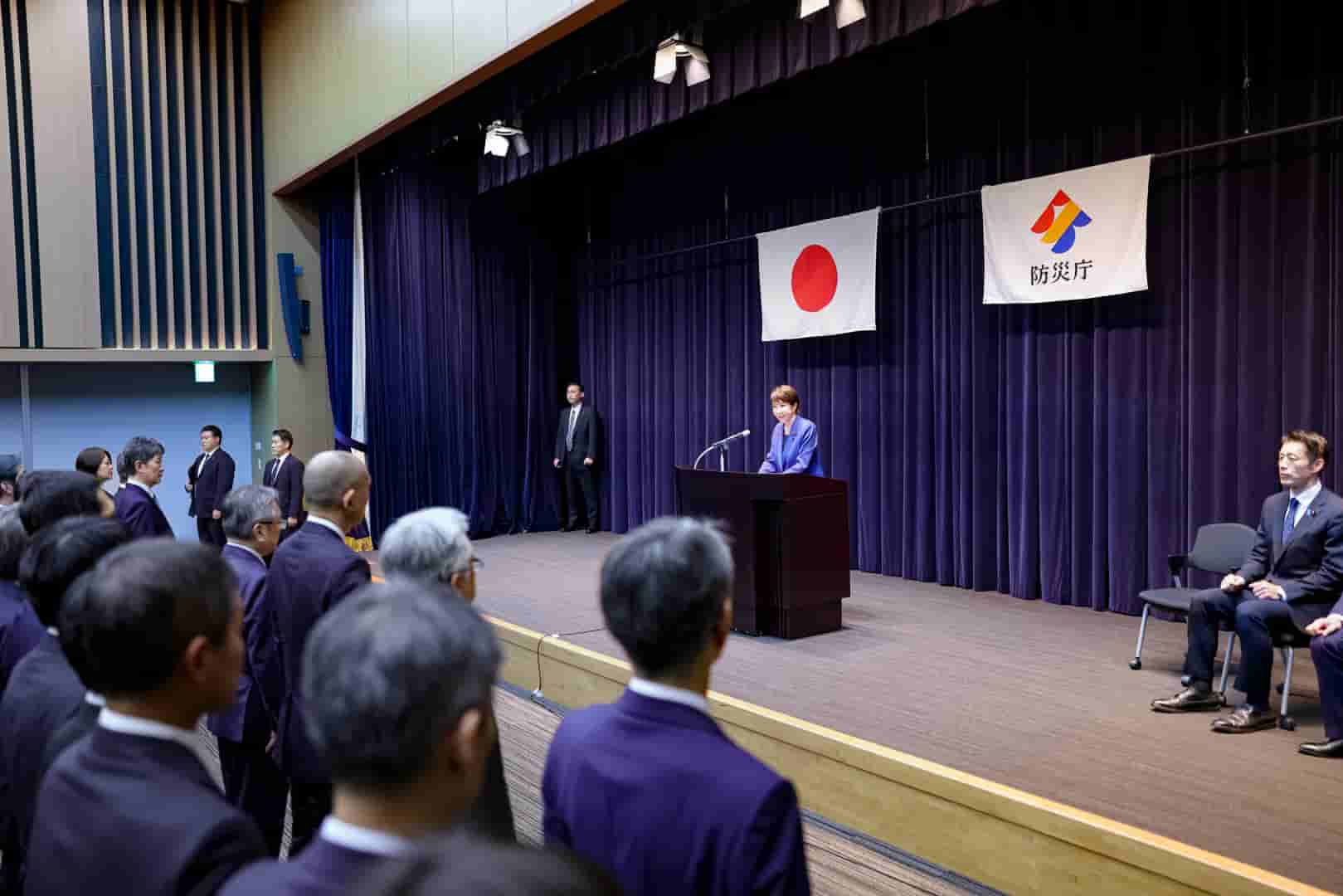
The advice came back into focus on Monday, when Japan's new Disaster Management Agency opened and issued an "urgent request" asking residents to store at least three days, and preferably a week, of water and food.
These are standing preparedness recommendations, not a coordinated emergency alert. Japanese Disaster Minister Goshi Hosono said last week that his request was not based on any information pointing to a war or an imminent disaster.
What US and Canadian officials recommend
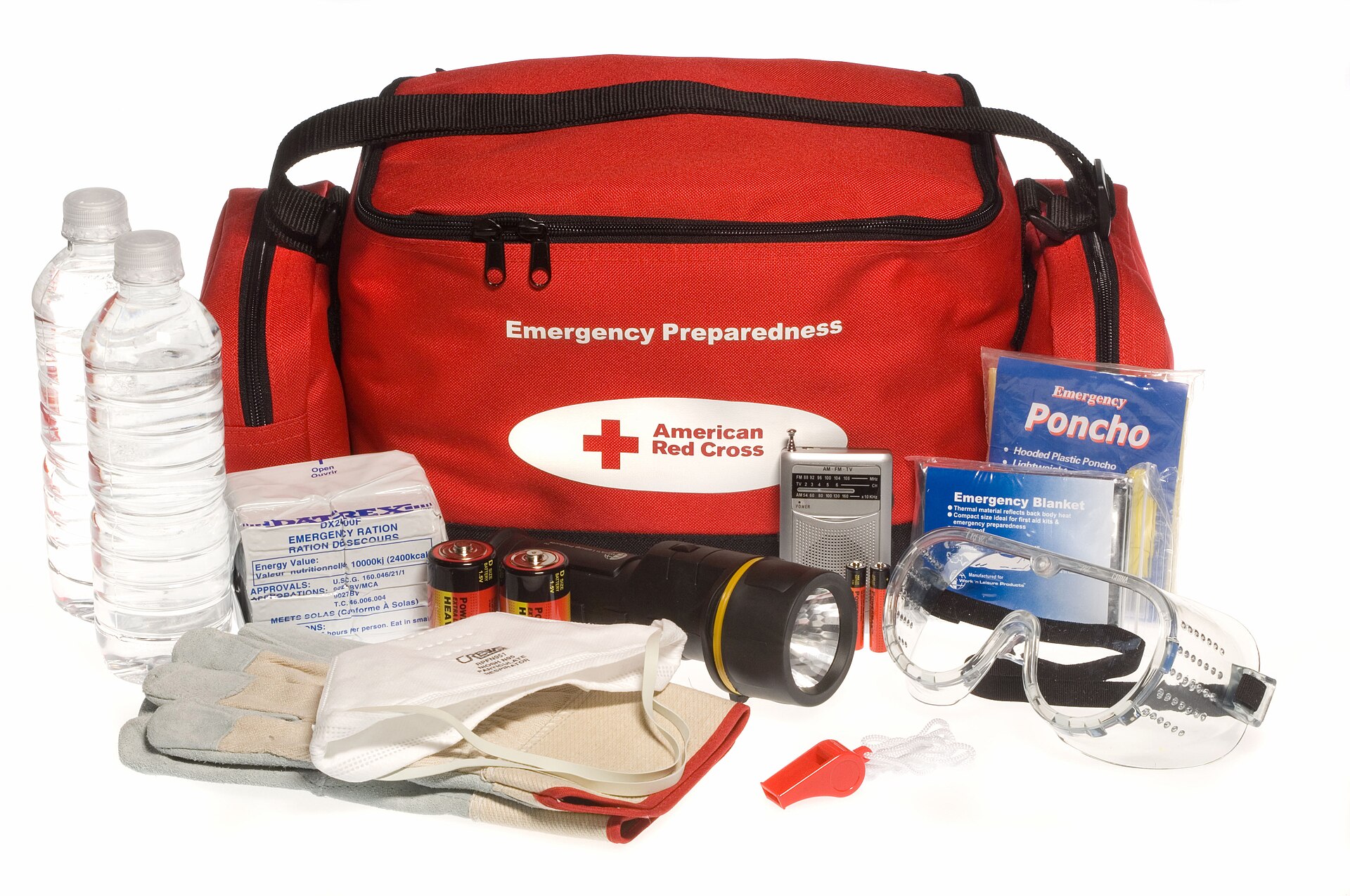
In the United States, the federal Ready.gov site advises families to build a basic disaster supplies kit with enough food, water and other essentials to last several days. Canada's Get Prepared program asks households to be ready to take care of themselves for at least 72 hours.
- Water: about one gallon per person per day, for drinking and sanitation
- Non-perishable food that needs no cooking or refrigeration
- A flashlight, a battery-powered or hand-crank radio and extra batteries
- A first aid kit and prescription medicines
- A phone charger or power bank
- Cash and copies of important documents
- Hygiene items, plus supplies for babies and pets
Officials stress that a kit can be built gradually. Japan's agency suggests buying a little extra of everyday items and replacing what is used, while the UK's guidance says, "You don't need to do it all at once."
Japan: "A disaster could strike at this very moment"
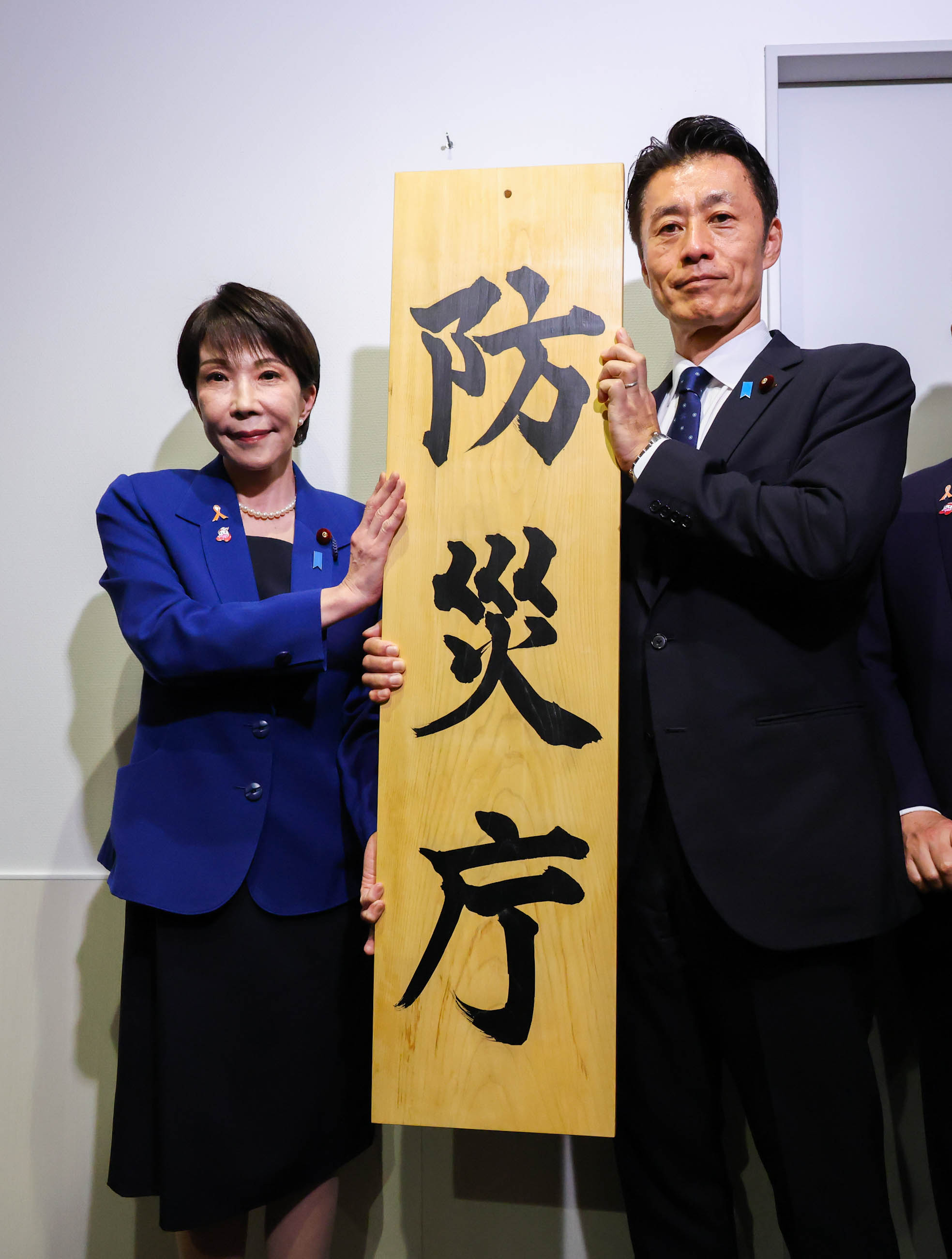
Prime Minister Sanae Takaichi hung the agency's nameplate on Monday and told staff, "We cannot prevent natural disasters themselves, but we can reduce the damage through advance preparation." She added that a disaster "could strike at this very moment."
Japan's request lists five steps: earthquake checks for homes built before 1981 and securing furniture; storing water and food, with 3 liters of drinking water per person per day; checking hazard maps and evacuation routes; keeping a grab-and-go bag near the door; and joining local drills. The government cites risks such as a Nankai Trough megaquake, a quake beneath Tokyo and an eruption of Mount Fuji.
Europe sets longer time frames
Recommended time frames differ. The UK and France advise 72 hours of supplies, Sweden and Norway about a week, and Germany up to 10 days. The UK launched a three-year "Be Ready" campaign on Oct. 22 that asks households to prepare for three days of disruption to power, water, phone and internet services.
The other countries on the list are Ireland, the Netherlands, Denmark, Finland, Estonia, Latvia, Lithuania, Poland, the Czech Republic, Austria, Switzerland, Croatia, Mexico, Chile, Colombia, Argentina, South Africa, Taiwan, Israel, India, the Philippines, Singapore and Australia.
Stay Updated with Ally Daily
Subscribe to be informed about special news, developments and announcements. We will keep you informed.
By signing up, you agree to our Privacy Policy