- BIST10010,656-4.04%
- USD50.63+0.05%
- EUR55.32-0.44%
- GOLD3,462.00-3.59%
- INTEREST36.00%-1.00
- BITCOIN58,258-2.49%
- November 25, 20265°
- BIST10010,656-4.04%
- USD50.63+0.05%
- EUR55.32-0.44%
- GOLD3,462.00-3.59%
- INTEREST36.00%-1.00
- BITCOIN58,258-2.49%
- November 25, 20265°
Senate passes sweeping permitting overhaul to speed up power lines and pipelines
The Senate voted 62-33 to pass the biggest overhaul of federal permitting rules in decades, aiming to fast-track power lines, pipelines and other energy projects. President Trump has said he would sign it, but the bill faces a tight clock in the House.
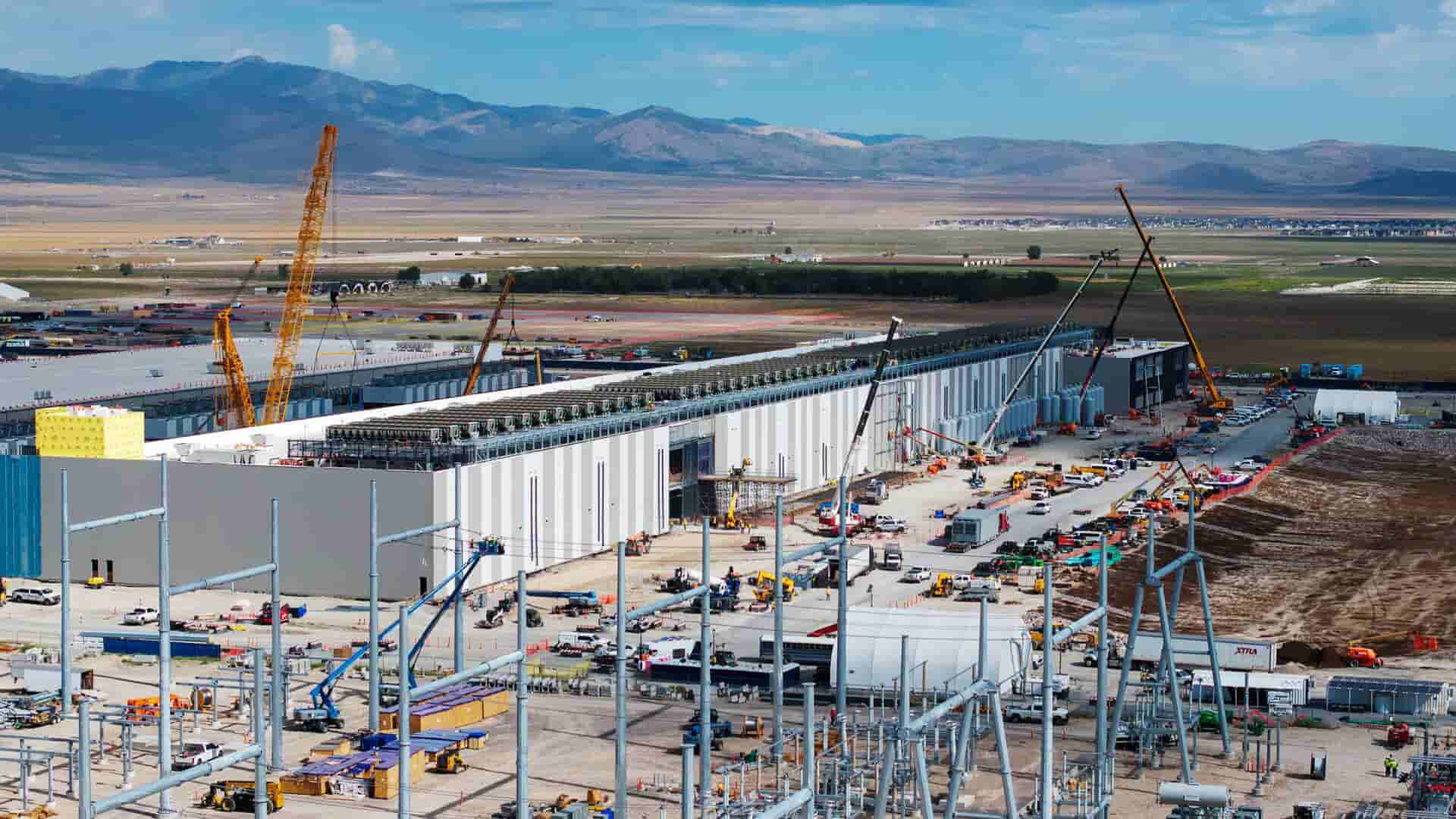
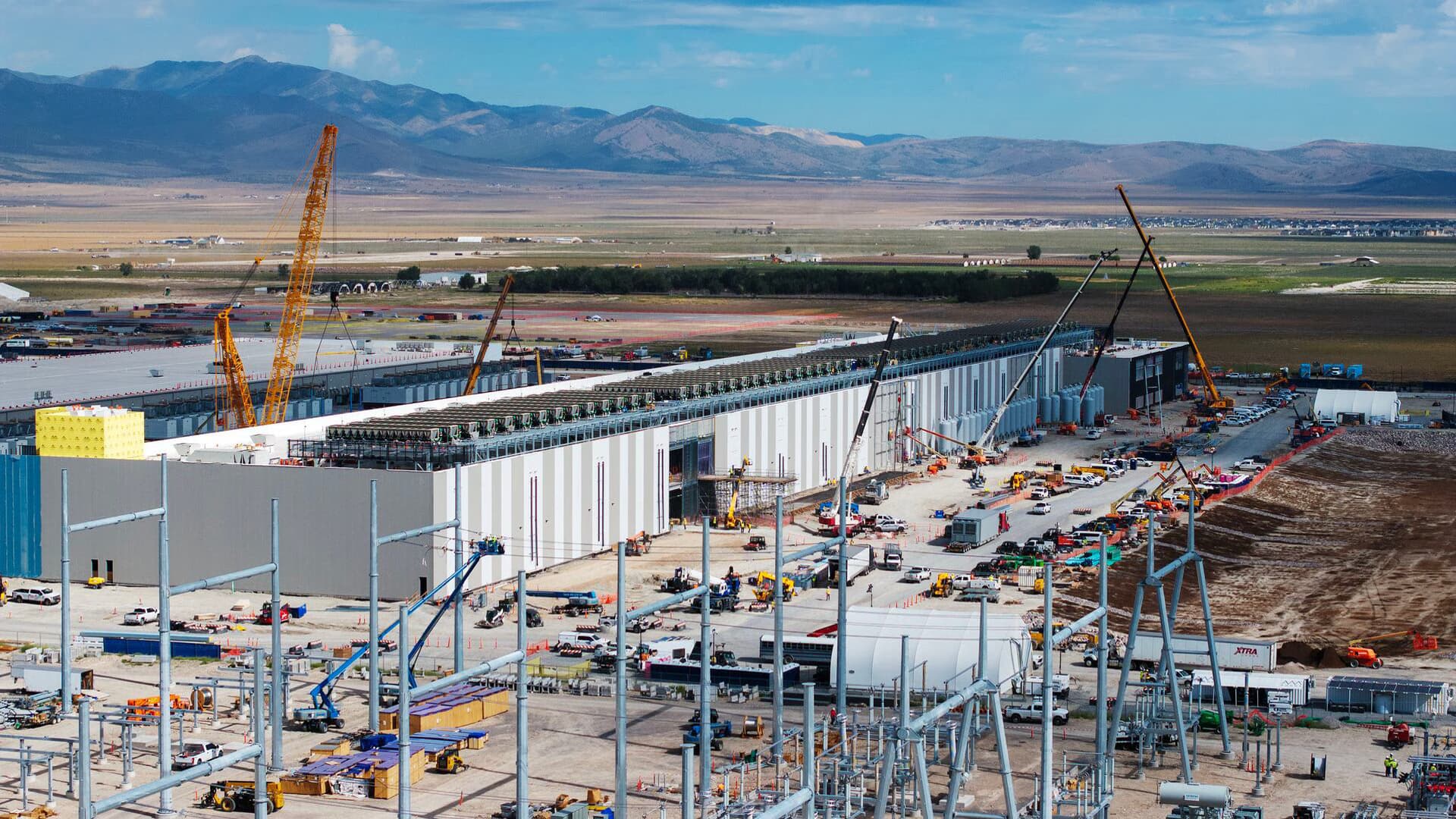
The Senate has passed a sweeping bill to overhaul federal permitting rules, the most significant change to U.S. environmental laws in decades. The 62-33 vote on Friday sends the measure to the Republican-led House, where it faces a tight timeline before the new Congress takes office in January.
The legislation aims to speed up construction of large projects such as long-distance power lines, natural gas pipelines, and wind and solar farms, many of which have been held up for years by lawsuits and red tape. President Donald Trump has indicated he would sign the bill if it reaches his desk.
What the bill does
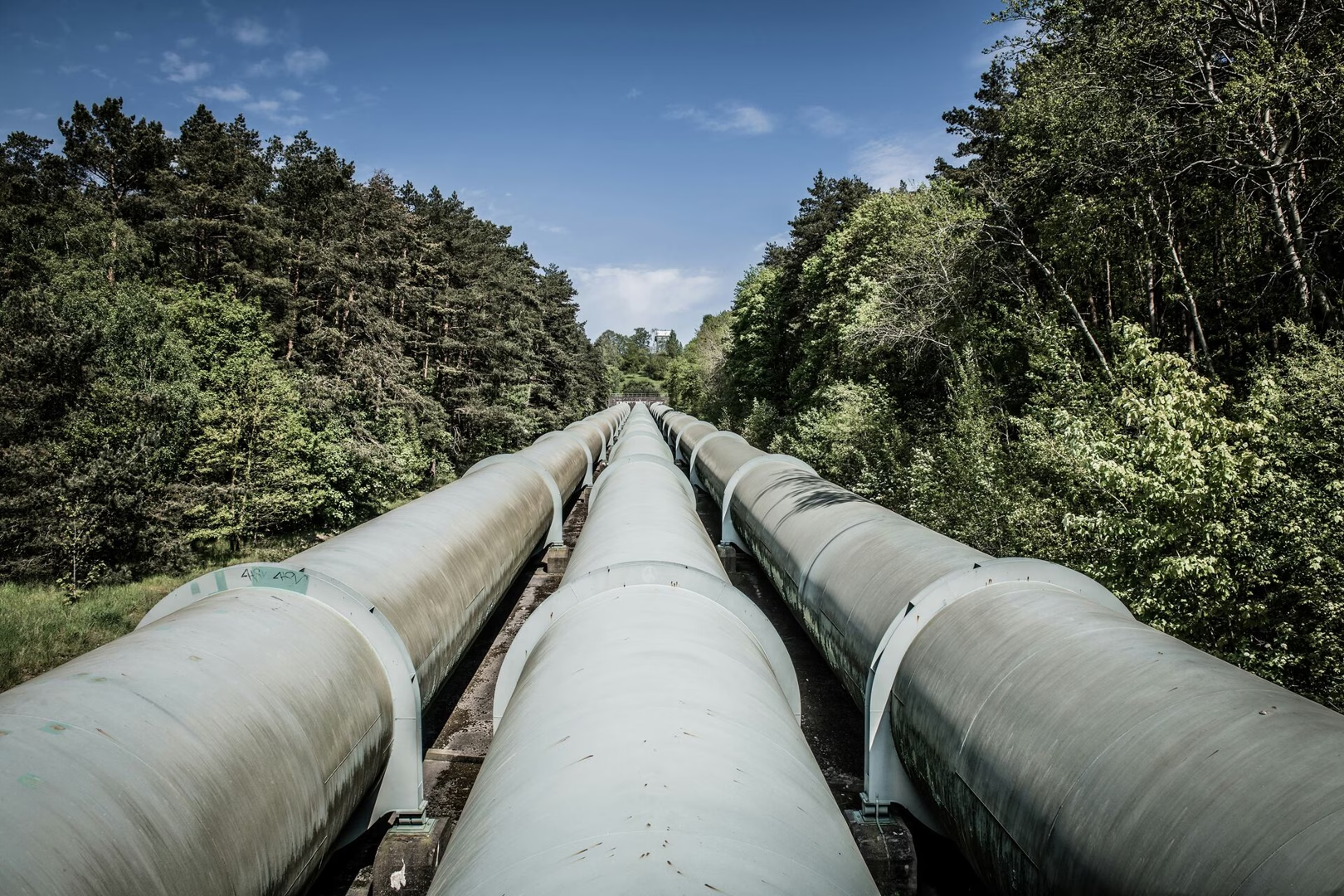
The measure amends several cornerstone environmental statutes to streamline federal reviews. It limits states' ability to block gas pipelines under the Clean Water Act, lets states oversee certain endangered species reviews and bars presidents from revoking permits for projects that have already been approved, a response to moves by both the Trump and Biden administrations to halt specific developments.
The final version also imposes higher electricity charges on energy-intensive data centers, a provision supporters say will save households money over the next decade as demand from artificial intelligence drives up power use. Energy costs have risen by about a third since 2019.
Democrats split
The bill drew bipartisan support, but most Democrats voted against it; only 15 Senate Democrats backed it. Many environmental groups, 17 Democratic state attorneys general and Native American tribes opposed the measure, arguing it would weaken communities' ability to challenge polluting projects and reduce tribal input on culturally significant lands.
Supporters, including some Democrats, argued that faster approvals are needed to lower energy bills and to build the clean energy infrastructure required to meet surging electricity demand. Critics warned that the bill's "project certainty" provisions could have unforeseen legal consequences and limit future environmental protections.
Stay Updated with Ally Daily
Subscribe to be informed about special news, developments and announcements. We will keep you informed.
By signing up, you agree to our Privacy Policy