- BIST10011,906+0.53%
- USD50.28+0.05%
- EUR55.60-0.24%
- GOLD3,864.80-0.55%
- INTEREST36.00%-1.00
- BITCOIN64,511-1.23%
- November 16, 20262°
- BIST10011,906+0.53%
- USD50.28+0.05%
- EUR55.60-0.24%
- GOLD3,864.80-0.55%
- INTEREST36.00%-1.00
- BITCOIN64,511-1.23%
- November 16, 20262°
U.S. inflation tops forecasts in October as gas falls below $4 for first time since July
Consumer prices rose 0.4% in October, above the 0.3% economists expected, as housing and food kept pushing up the cost of living. At the pump, the national average slipped to $3.98 a gallon, the first reading under $4 since July.
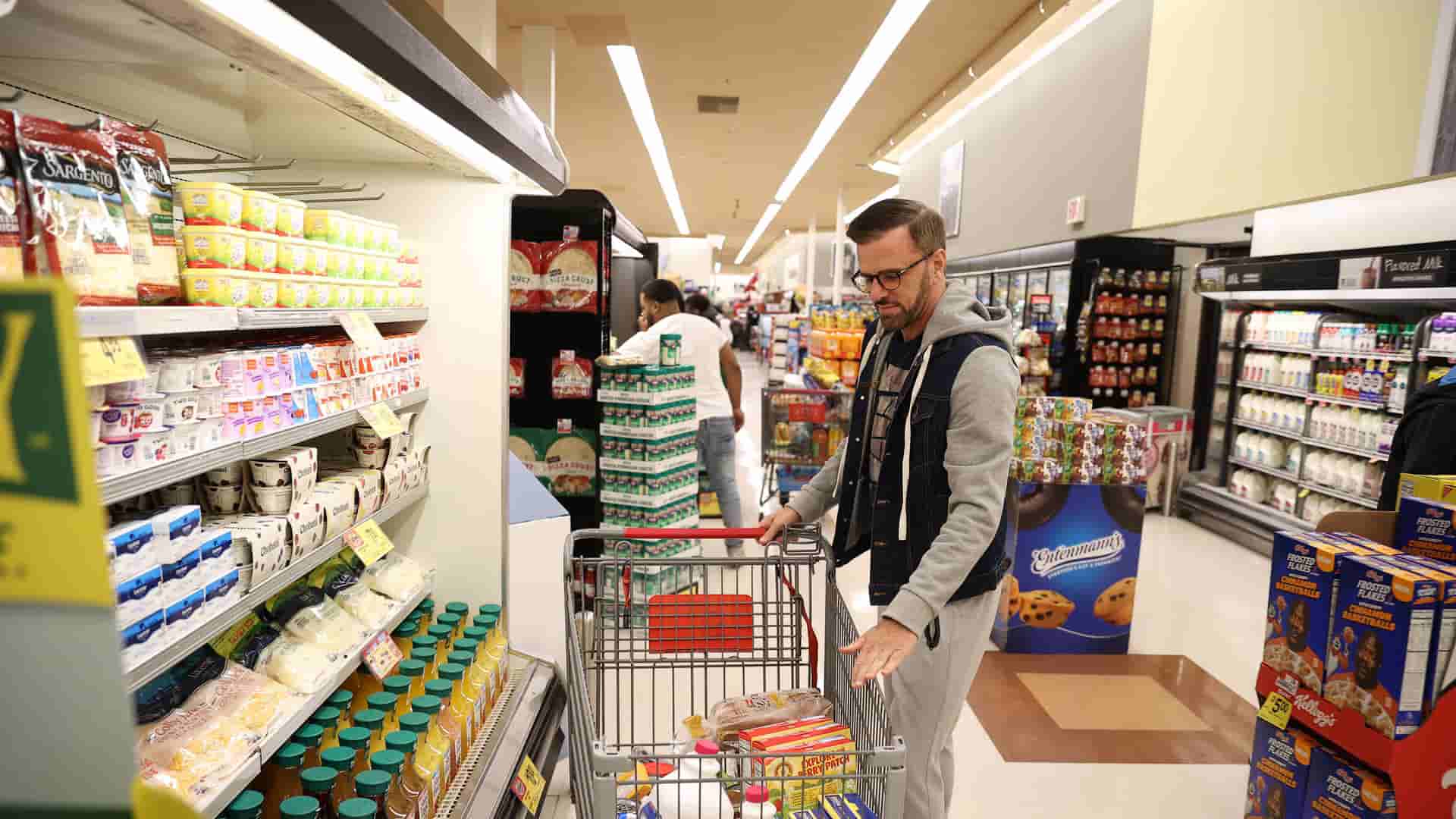

Americans paid more for everyday goods in October than Wall Street had expected, even as relief finally showed up at the gas pump. The Consumer Price Index rose 0.4% from September, the Labor Department said, above the 0.3% forecast by economists. Prices had climbed 0.6% in September.
Core inflation, which strips out volatile food and energy prices, also beat expectations, rising 0.3% for a second straight month against forecasts of 0.2%. The department did not publish a year-over-year rate for October because data for October 2025 could not be collected during last year's government shutdown, so 12-month changes for the affected indexes could not be calculated. Annual inflation stood at 3.7% in September.
Housing and groceries lead the climb
Shelter costs rose 0.3% and accounted for more than 30% of the overall monthly increase. The food index rose 0.5%, with grocery prices up 0.4% and restaurant prices up 0.5%. The energy index rose 0.7%, a sharp slowdown from September's 5.2% jump, and the gasoline index edged up 1% after surging 9.1% the month before.

Drivers are already seeing that trend reverse. The national average for a gallon of regular gasoline fell to $3.98, according to AAA, the first time it has dropped below $4 since July. Prices are down 4.1% from a week ago and 8.9% from a month ago, though they remain 29.6% higher than a year earlier.
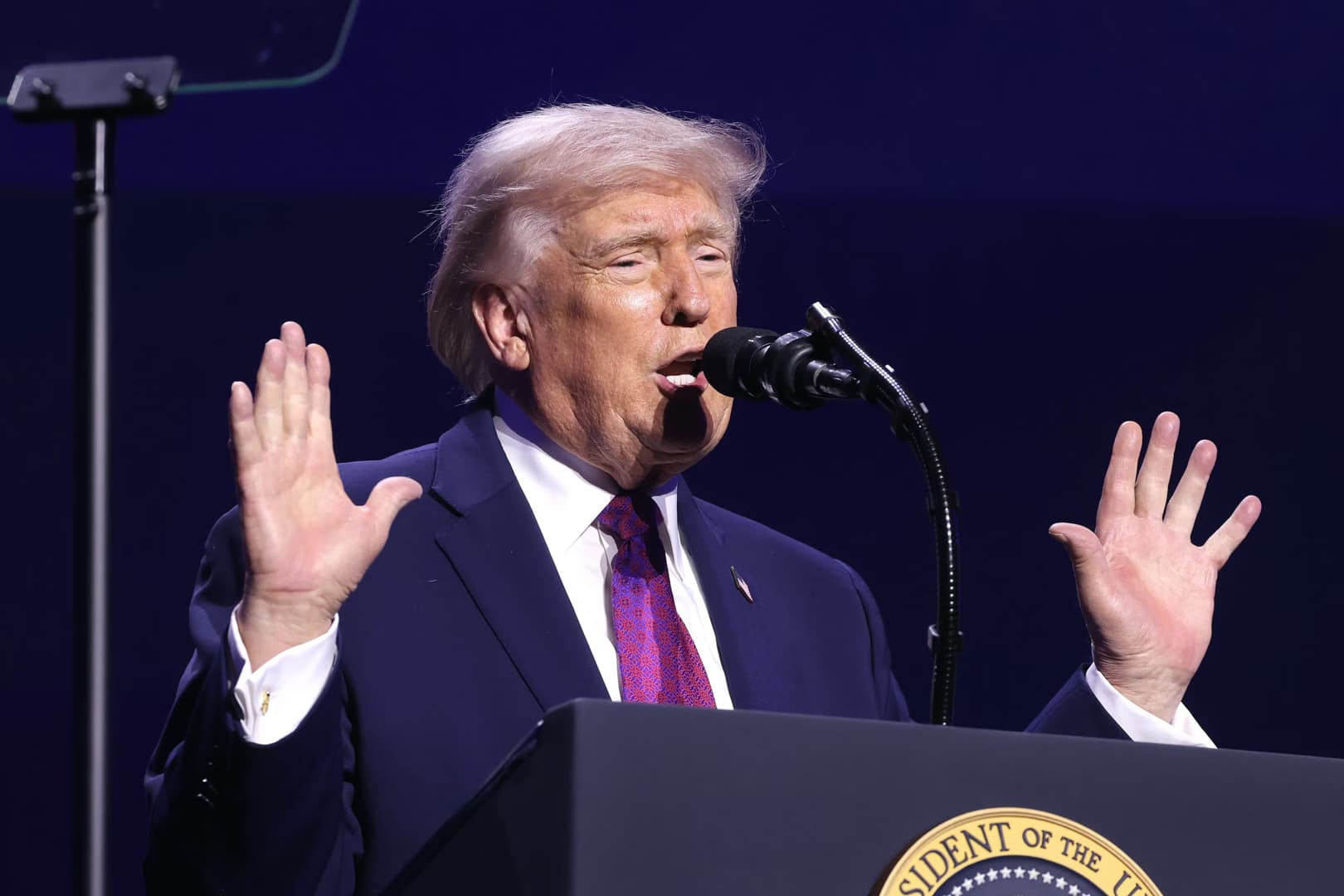
Falling crude prices and the usual seasonal dip in demand are driving the decline. Brent crude for January delivery briefly fell below $90 a barrel on hopes that tensions between the United States and Iran could ease, after President Donald Trump told reporters at the White House that he did not see a need for new military action against Iran and that the conflict could end soon.
Markets brace for a Fed rate hike
The hotter-than-expected report strengthened bets that the Federal Reserve will raise interest rates at its December meeting. Money markets put the odds of a quarter-point hike at about 87%, and expectations that the Fed would hold rates steady have vanished. Fed Governor Christopher Waller said before the data came out that a half-point increase should be considered in December if inflation came in much stronger than expected, and Dallas Fed President Lorie Logan said at least two more quarter-point hikes are needed.
Fed Vice Chair for Supervision Michelle Bowman said she still sees signs of inflation pressure and a strengthening labor market, meaning there is more work to do to bring inflation back toward 2%. Stocks slipped on Tuesday, with the Dow Jones Industrial Average down 0.3%, the S&P 500 down 0.38% and the Nasdaq down 0.7%, while Treasury yields rose. The bond market is closed Wednesday for Veterans Day.
Separate data from the New York Fed showed U.S. household debt rose 1.8% in the third quarter to $19.1 trillion, with mortgages making up $13.37 trillion of the total.
Photos: Anadolu Agency. Sources: U.S. Labor Department, AAA, Federal Reserve Bank of New York, Anadolu Agency.
Stay Updated with Ally Daily
Subscribe to be informed about special news, developments and announcements. We will keep you informed.
By signing up, you agree to our Privacy Policy