Health research in the United States, lunar observations, China’s space program and AI-assisted biological research stood out in September’s science and technology agenda. An interface supporting communication for paralyzed patients was developed, while a patient who received a genetically modified pig kidney lived for 271 days without dialysis; a new crater measuring approximately 222 meters in diameter was also detected on the Moon.
Health research in the United States
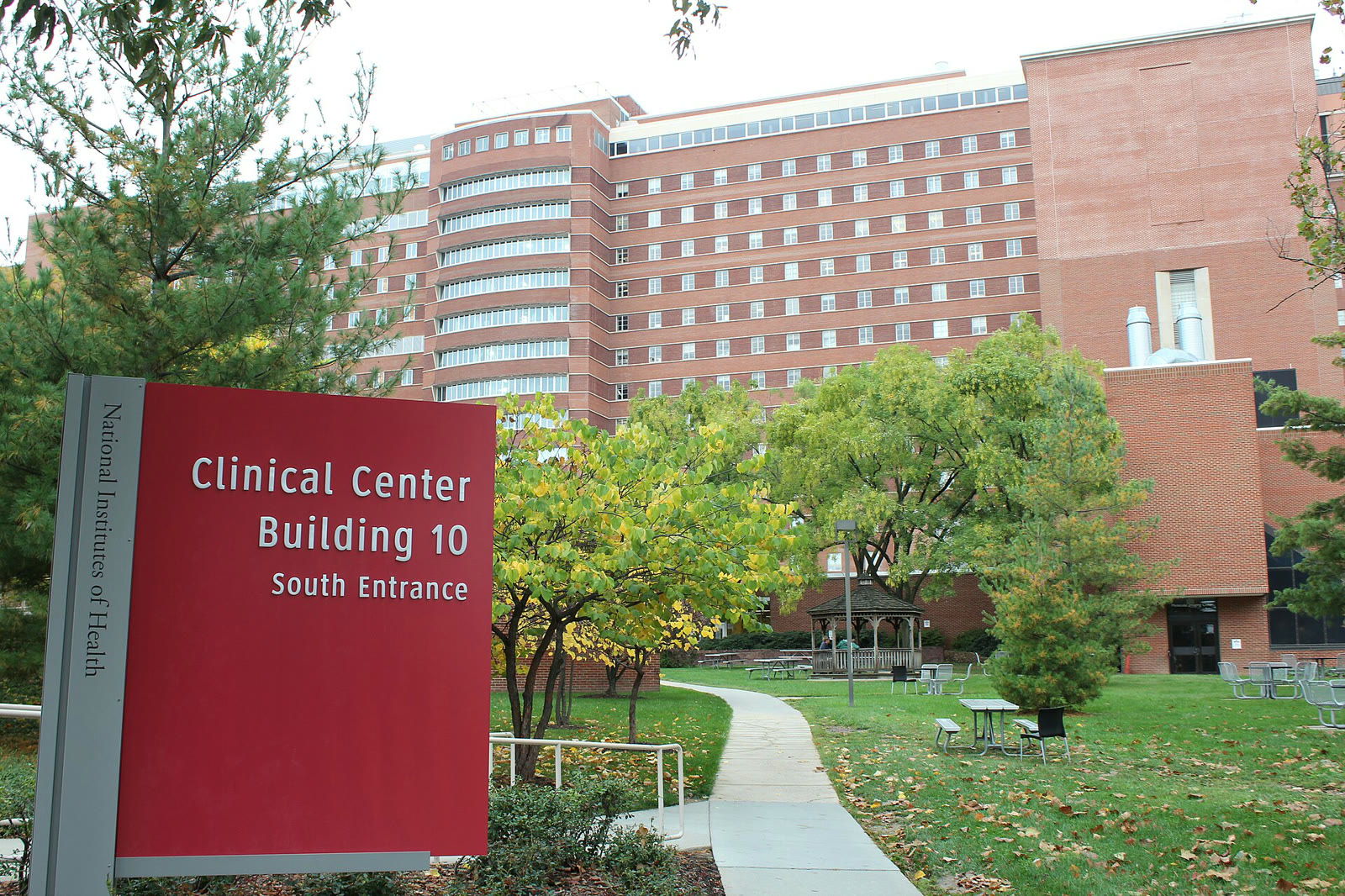
The U.S. National Institutes of Health developed a brain-computer interface capable of transmitting the speech and bodily movements of paralyzed patients simultaneously. The machine-learning-based system converted the brain waves of three paralyzed patients into a virtual character.
Special cables connected to the patients transmitted brain signals related to speech and bodily movements to a character in a digital environment. The system, which enables patients with ALS in particular to communicate more quickly, was described as the first device capable of transmitting speech and bodily movements simultaneously.
Researchers at Stanford University developed mice whose brains consisted of approximately half human tissue by transplanting human brain cells into mouse brains. The researchers used genetic intervention to substantially limit the development of the mice’s cerebral cortex and hippocampus, creating space for human brain tissue to grow.
Cells taken from human brain organoids produced by reprogramming donated skin cells were transplanted into the brains of newborn mice. Approximately 100,000 human brain cells were used in each injection; following the transplants, approximately 4 million human brain cells developed in the mice’s brains, making up about half of the brains’ volume.
Tim Andrews, who received a genetically modified pig kidney transplant in the United States, lived for 271 days without needing dialysis. Andrews, who had end-stage kidney failure linked to type 2 diabetes, received the kidney at a hospital in Massachusetts in January 2025, and it functioned while he awaited a kidney transplant from a human donor. Andrews later received a kidney from a human donor, marking a first in the history of medicine.
The Moon and China’s space program
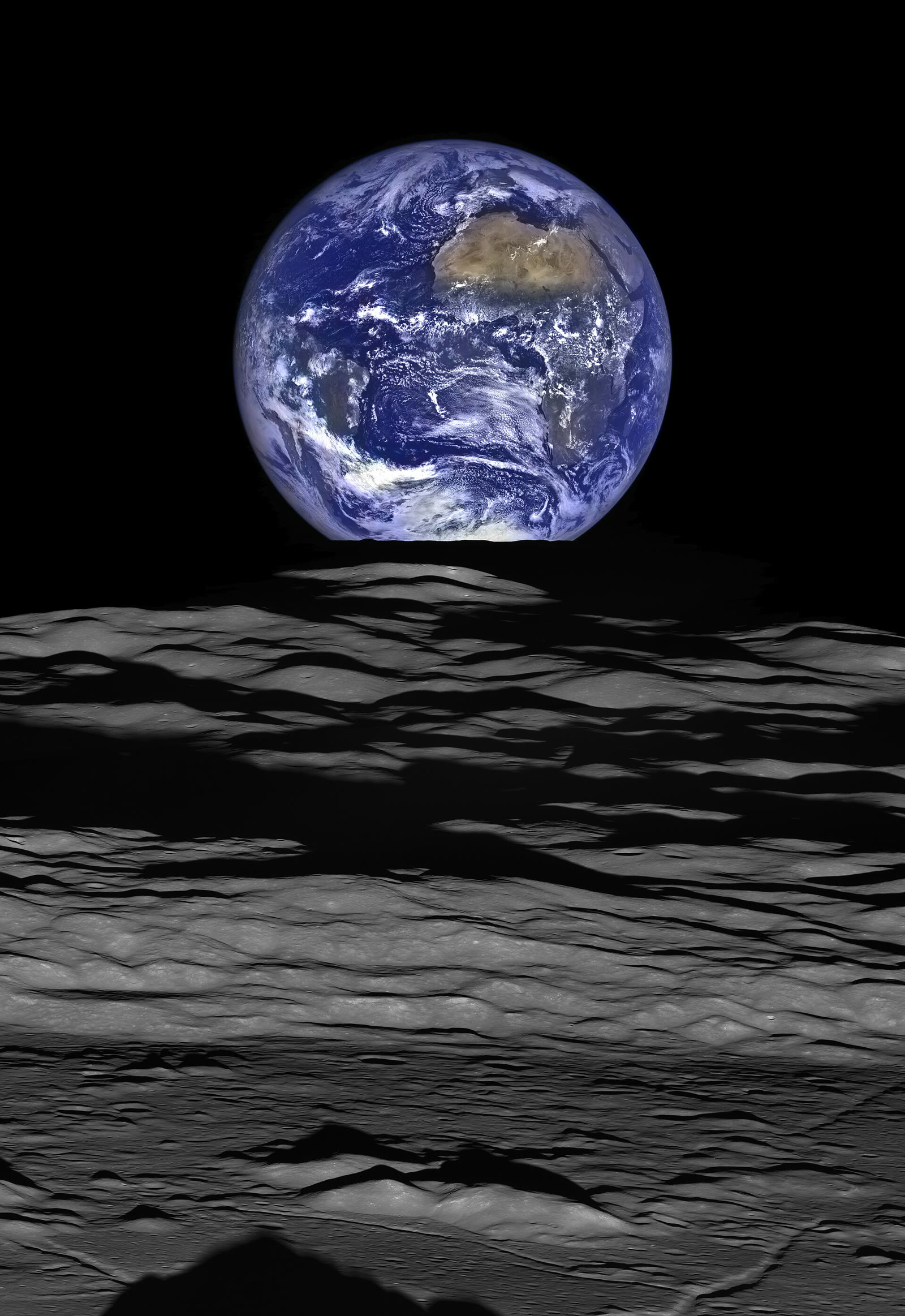
NASA’s Lunar Reconnaissance Orbiter identified a new crater on the Moon’s near side, formed when an asteroid or fragment of a comet struck the surface in May 2024. The crater, created by the impact approximately two years earlier, was measured at about 222 meters in diameter and 43 meters deep.
The crater, named after Thomas McGetchin, the former director of the Lunar and Planetary Institute in Houston, was described as the largest known impact crater to have formed recently in the Solar System. The crater was said to be approximately three times larger than the previous crater discovered by NASA 10 years ago and larger than Rome’s Colosseum.

On September 25, China launched the 26th group of internet satellites for the Guowang constellation, which is planned to be established in low Earth orbit. The satellites reached their planned orbital positions after being launched aboard a Long March 8A rocket from a commercial spacecraft center on Hainan Island. The mission was the 669th transport mission carried out using Long March rockets.
China’s Five-hundred-meter Aperture Spherical Telescope, or FAST, has recorded more than 1,300 neutron stars, also known as pulsars, that rotate rapidly around their own axes and emit strong magnetic fields since it entered service in 2016. Described as the world’s largest radio telescope, FAST observed more pulsars during its approximately 10 years of operation than all other telescopes in the world combined.
Water on the Moon and AI research
Although large amounts of water are estimated to exist on the lunar surface, calculations indicate that these resources may not be sufficient for a permanent settlement housing millions of people. A study published in the journal Frontiers in Space Technologies examined the needs of settlements of different sizes, assuming that approximately 1 billion tons of water suitable for human use were available.
It was determined that water used for human consumption, cleaning, food production, rocket fuel and oxygen production could run out in less than 2.5 years in a city of 1 million people. Even if the water were recycled as much as possible, the reserves could last for no more than 100 years.
Anthropic’s Claude model contributed to the discovery of a new enzyme system. A team established by the company for biological research asked approximately 950 Claude agents to search a large database of DNA sequences for new examples of reverse transcriptase enzymes that synthesize DNA from RNA.
The search, conducted through prompt writing and laboratory work, lasted 21 hours. One of the agents identified an unusual finding; laboratory analyses showed that it pointed to an enzyme system previously encountered in types of viruses that infect bacteria but had not been characterized until now.
Plant use by African elephants
Scientists determined that African elephants may use certain medicinal plants to treat themselves and their young when they become ill. The study found that some elephants consume specific plant species when they are unwell, while mother elephants may also have given these plants to their calves.
Elephants were found to use 35 different plant species, 25 of which were also determined to be used by local people for medicinal purposes. Mother elephants that chew the leaves of a plant known as angurweet together with the roots of certain trees were recorded as giving the resulting mixture to their calves along with breast milk.