- BIST10011,722-2.89%
- USD49.45+0.05%
- EUR55.62+0.37%
- GOLD4,186.70+0.40%
- INTEREST37.00%-1.00
- BITCOIN81,432-0.09%
- October 17, 202617°
- BIST10011,722-2.89%
- USD49.45+0.05%
- EUR55.62+0.37%
- GOLD4,186.70+0.40%
- INTEREST37.00%-1.00
- BITCOIN81,432-0.09%
- October 17, 202617°
Biologist Mario Rodriguez Mestre questions Claude’s enzyme discovery as autonomous
University of Copenhagen biologist Mario Rodriguez Mestre questioned the description of a new enzyme system identified with Anthropic’s Claude model as an “autonomous AI discovery.” Mestre said the model worked within a limited problem and dataset defined by experts, and that the finding may have been influenced by his own unpublished research.
Scraper SystemUpdated:


Anthropic’s announcement on September 24 that its Claude model had identified a new enzyme system drew an objection from biologist Mario Rodriguez Mestre of the University of Copenhagen, who had been working with his team on the same system for years. Regarding the development, which the US-based artificial intelligence company described as an “autonomous AI discovery,” Mestre highlighted the role of human effort and a predefined research framework.
The system identified by Claude
Anthropic tasked approximately 950 Claude agents with searching a large database of DNA sequences for new examples of reverse transcriptases. These enzymes synthesize DNA from RNA.
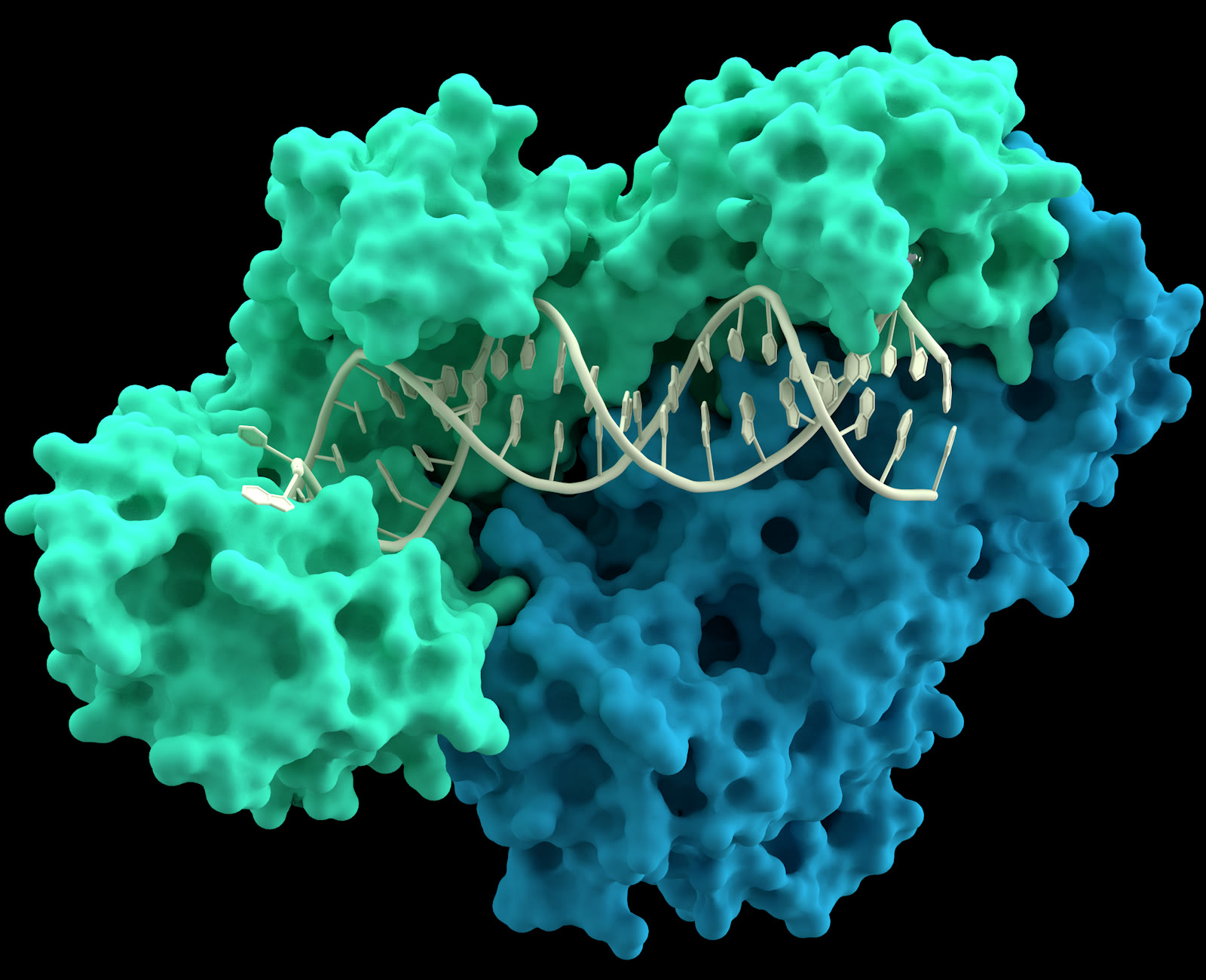
After about 21 hours of work, one of the agents identified an enzyme system with distinctive DNA-writing machinery and an additional helper protein whose function was unknown. Anthropic said Claude had identified the system’s defining characteristics for the first time.
Mestre questions the finding’s independence
Mestre said Claude’s result closely matched the work of him and his team. The biologist said he had used Claude extensively during his research and had discussed scientific analyses and unpublished work with the model. He also said the model had access to some parts of the research environment.
According to Mestre, the system Anthropic calls ARTs overlaps with a specialized genetic system found in giant viruses and described as “jumbotrons.” Mestre said the similarity was not limited to protein families, but involved the same genes found in the same viruses.
The biologist stressed that he could not say with certainty whether Claude had reached its result using information from his own unpublished research. Nevertheless, he said he seriously questioned describing the finding as “an autonomous AI discovery.”
The role of the framework defined by experts
Mestre said Claude had been given a highly limited biological problem involving reverse transcriptases that synthesize DNA from RNA. He added that the dataset analyzed by the model had also been computed previously by experts.
For this reason, Mestre said Claude had not established its own field of research but had worked within a framework defined in advance by experts, and he approached evaluating the result as an independent discovery with concern. The biologist said that even if the model had reached the result entirely independently of his work, it should be described as AI-assisted scientific research, not “a completely autonomous scientific discovery.”
Call for tighter controls on unpublished data
Mestre said AI companies needed to adopt stronger measures to prevent unpublished papers and research data from being used in model training. He called for researchers to be given clear and detailed control over their data, transparent data-storage policies to be implemented, and explicit consent to be obtained instead of relying on ambiguous default options.
Mestre said data obtained during the model’s inference process should be separated from training data, and advocated oversight of AI agents’ access to connected services.
Mestre said the importance would grow of specialized AI systems that keep data from being transferred externally in sensitive scientific research, as well as open-source models operated under institutions’ own control.
The biologist said AI had become a permanent part of scientific research, adding that the fundamental challenge was to build the infrastructure needed to enable scientists to benefit from these tools without losing control over unpublished work, confidential data and the source of their ideas.
Source: Anadolu Ajansı
Have a story, event or announcement of your own?Send us your news on WhatsApp
Spotted an error in this story?Report it on WhatsApp
Share on all social platforms
Sponsored Ads
Featured Listings
Loading featured properties...
Stay Updated with Ally Daily
Subscribe to be informed about special news, developments and announcements. We will keep you informed.
By signing up, you agree to our Privacy Policy