- BIST10011,587+0.91%
- USD50.07+0.05%
- EUR55.96-0.52%
- GOLD4,108.20+0.82%
- INTEREST36.00%-1.00
- BITCOIN74,189-0.71%
- November 9, 20269°
- BIST10011,587+0.91%
- USD50.07+0.05%
- EUR55.96-0.52%
- GOLD4,108.20+0.82%
- INTEREST36.00%-1.00
- BITCOIN74,189-0.71%
- November 9, 20269°
Trump hosts Qatar's prime minister as Iran deal push faces post-midterm test
President Donald Trump meets Qatar's Prime Minister and Foreign Minister Sheikh Mohammed bin Abdulrahman Al Thani in the Oval Office on Monday, as Doha presses a step-by-step plan to end the Iran war. The closed-door talks come days after Democrats won control of both chambers of Congress.
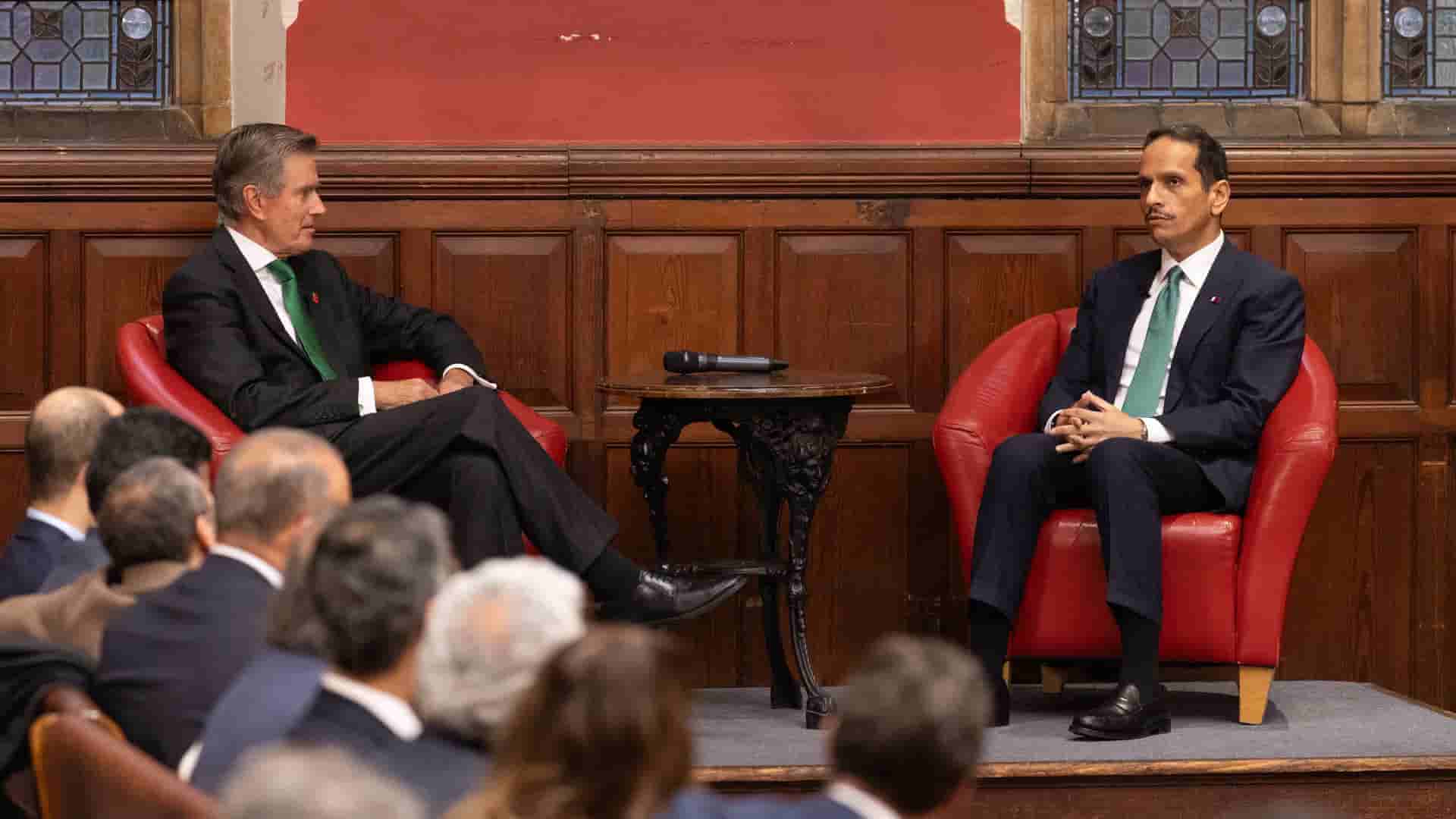
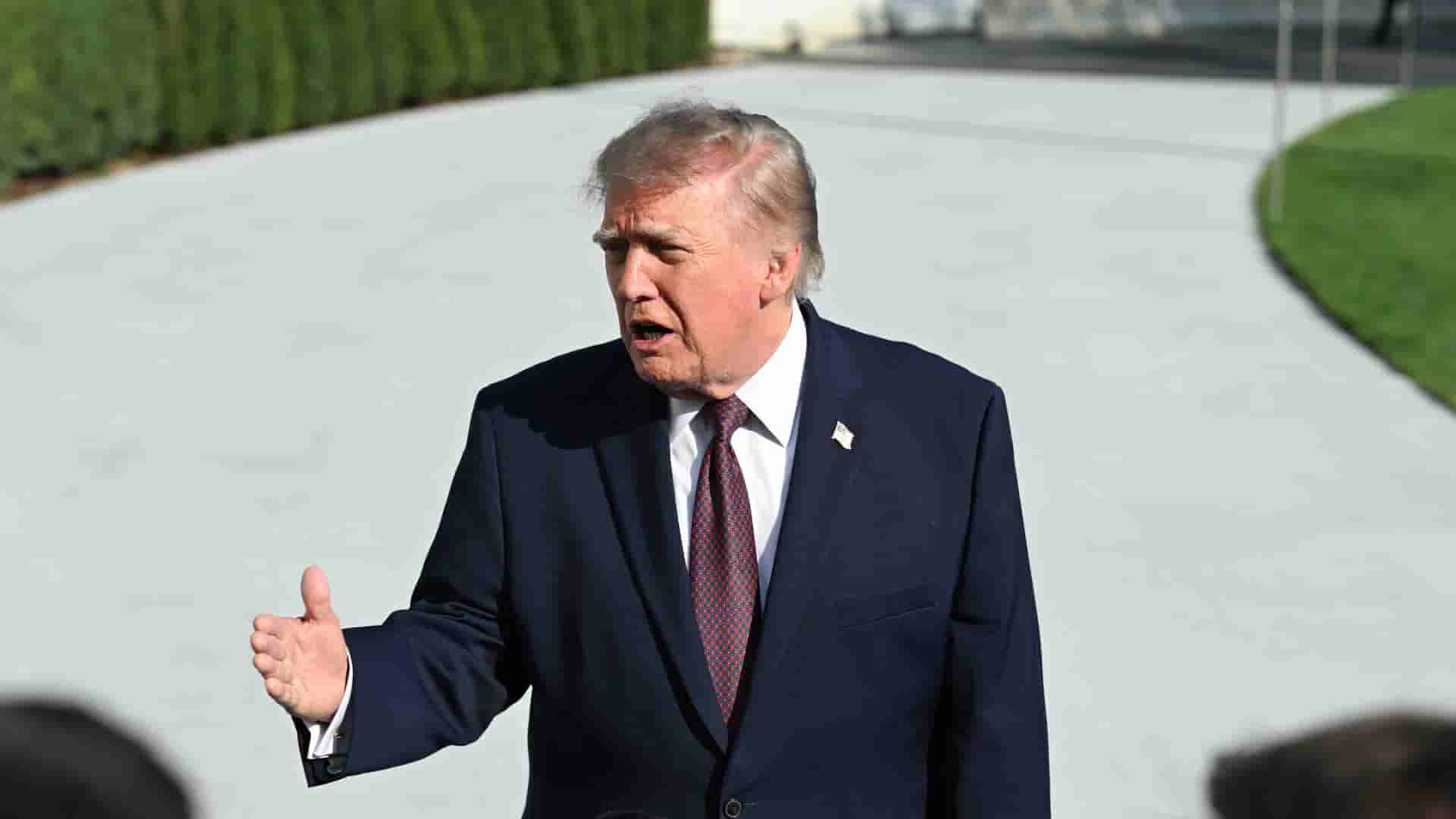
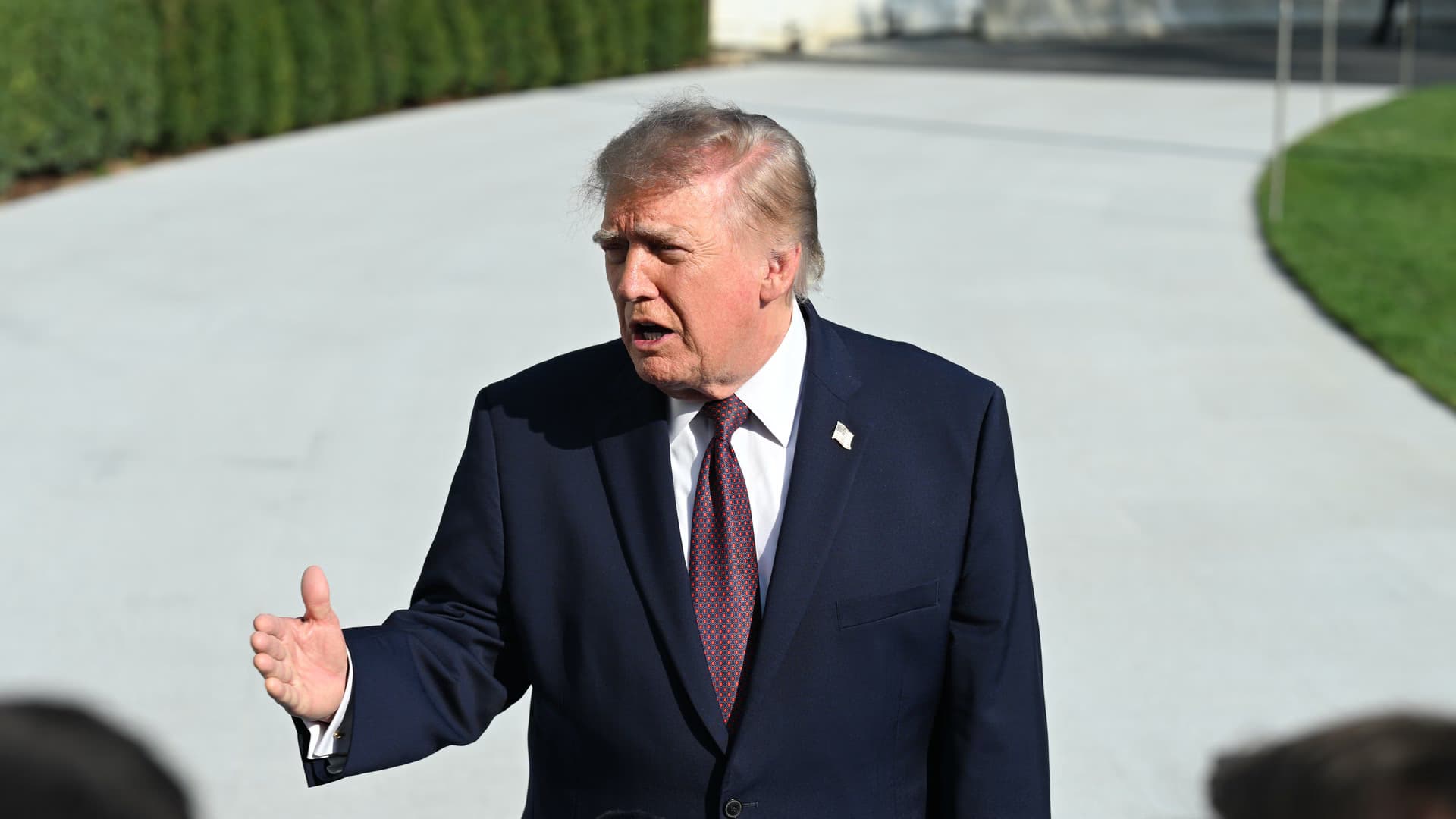
President Donald Trump will sit down with Qatar's Prime Minister and Foreign Minister Sheikh Mohammed bin Abdulrahman Al Thani in the Oval Office at noon Monday, according to the White House schedule. The meeting is closed to the press. Qatar is Washington's main channel to Tehran, and the talks come less than a week after Democrats swept the midterm elections amid voter anger over the Iran war and higher gasoline prices.
The war, now in its ninth month, has disrupted shipping through the Strait of Hormuz, which carried about a fifth of the world's oil before the conflict, the Associated Press reported. Ending it on acceptable terms has become one of the most pressing tasks for an administration that will face a Democratic Congress in January.
A two-day plan
Vice President JD Vance has been personally involved in the indirect talks for the past two weeks, speaking with Sheikh Mohammed almost daily, according to U.S. media reports. The Times of Israel reported that the Qatari leader was due to meet Vance before his session with the president.
Axios said mediators from Qatar, Pakistan, Saudi Arabia, Egypt and Türkiye have been discussing a draft with the Iranians and the White House that lays out confidence-building steps over two days. On the first day, the U.S. would lift its naval blockade and release some frozen Iranian funds, while Iran would formally invite International Atomic Energy Agency inspectors to its bombed nuclear sites. The second day would bring the reopening of the Strait of Hormuz and a return to nuclear talks focused on Iran's stockpile of highly enriched uranium.
Secretary of State Marco Rubio tempered expectations on Sunday. Speaking to reporters in Florida before leaving for a G7 foreign ministers' meeting in Paris, he says in this clip: "I wouldn't say we're on the verge of a breakthrough." Trump, he adds, would always prefer to solve problems diplomatically, "but if there's a chance to do it, we will explore it." Rubio also called some Iranian demands "outrageous and ridiculous."
Doha's message
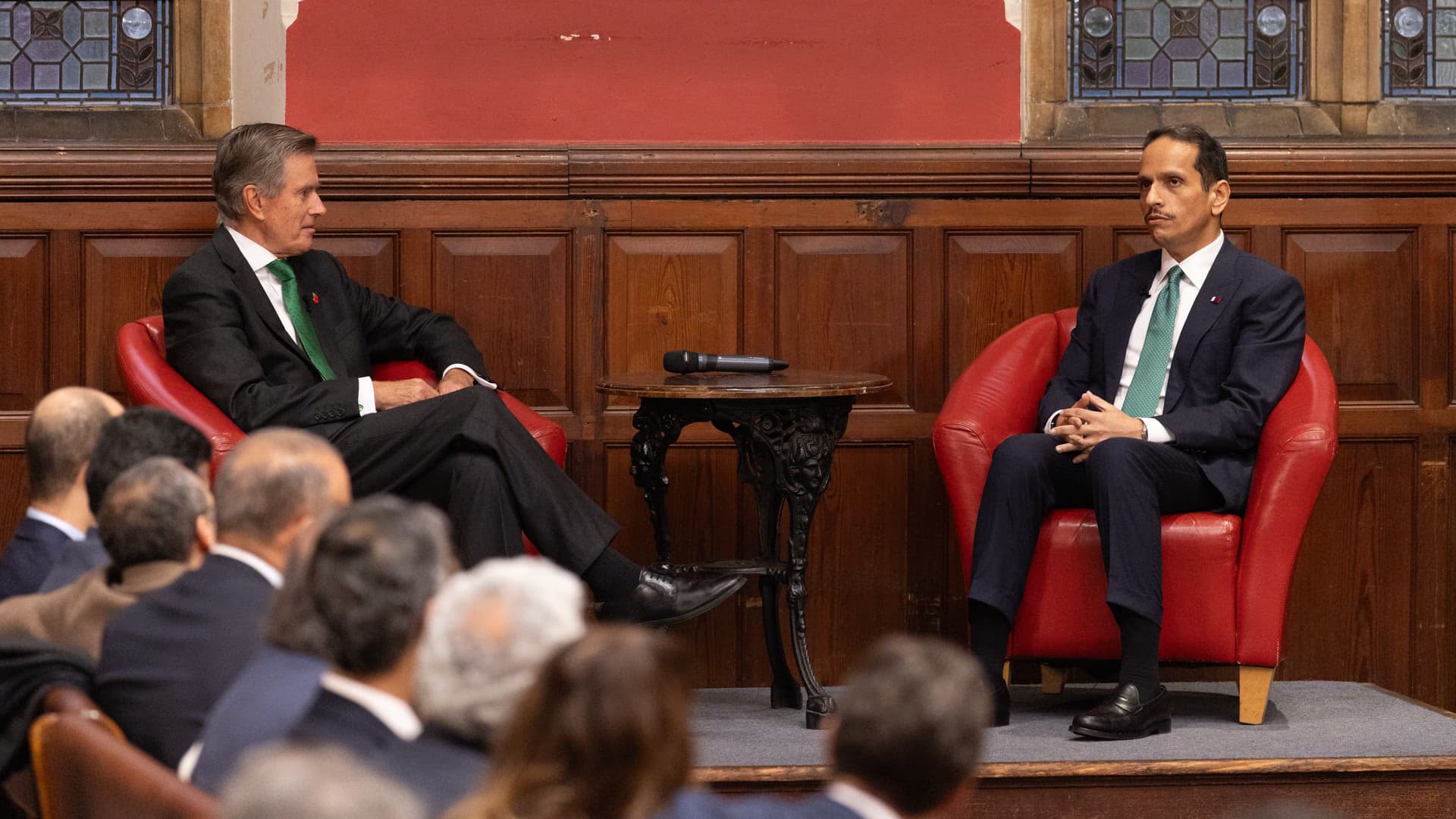
Sheikh Mohammed laid out Qatar's view at the Oxford Union on Friday. A Qatari delegation traveled to Tehran five times in a single week, he said, holding meetings that lasted 18 to 20 hours. Cooperation with U.S. administration officials and "voices of reason in Tehran" had kept the situation from spiraling, according to a Qatari Foreign Ministry readout, and another round of military operations "would not resolve existing issues."
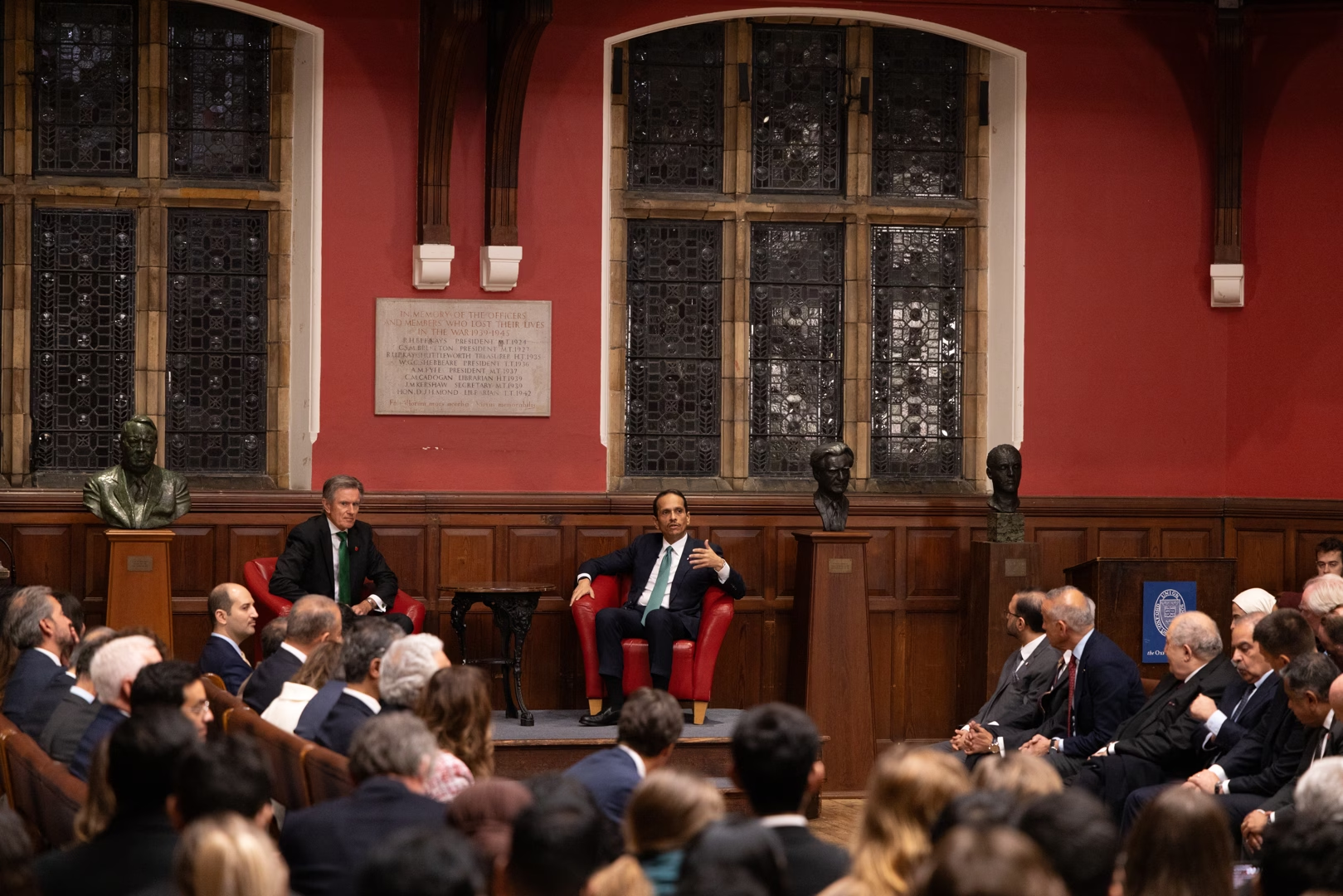
He urged both sides to build on progress "rather than waiting for an ideal agreement," naming the nuclear file and freedom of navigation in the Gulf as the priorities. Iran, for its part, wants an end to the U.S. blockade, sanctions relief, access to frozen assets, war reparations and an end to hostilities across the region, including Israeli operations in Lebanon, AP reported, citing officials.
Cover and photo: Qatar Ministry of Foreign Affairs. Video: social media
Stay Updated with Ally Daily
Subscribe to be informed about special news, developments and announcements. We will keep you informed.
By signing up, you agree to our Privacy Policy