- BIST10011,587+0.91%
- USD50.07+0.05%
- EUR55.96-0.52%
- GOLD4,108.20+0.82%
- INTEREST36.00%-1.00
- BITCOIN74,189-0.71%
- November 9, 20269°
- BIST10011,587+0.91%
- USD50.07+0.05%
- EUR55.96-0.52%
- GOLD4,108.20+0.82%
- INTEREST36.00%-1.00
- BITCOIN74,189-0.71%
- November 9, 20269°
COP31 opens in Türkiye as U.S. governors and mayors stand in for absent Washington
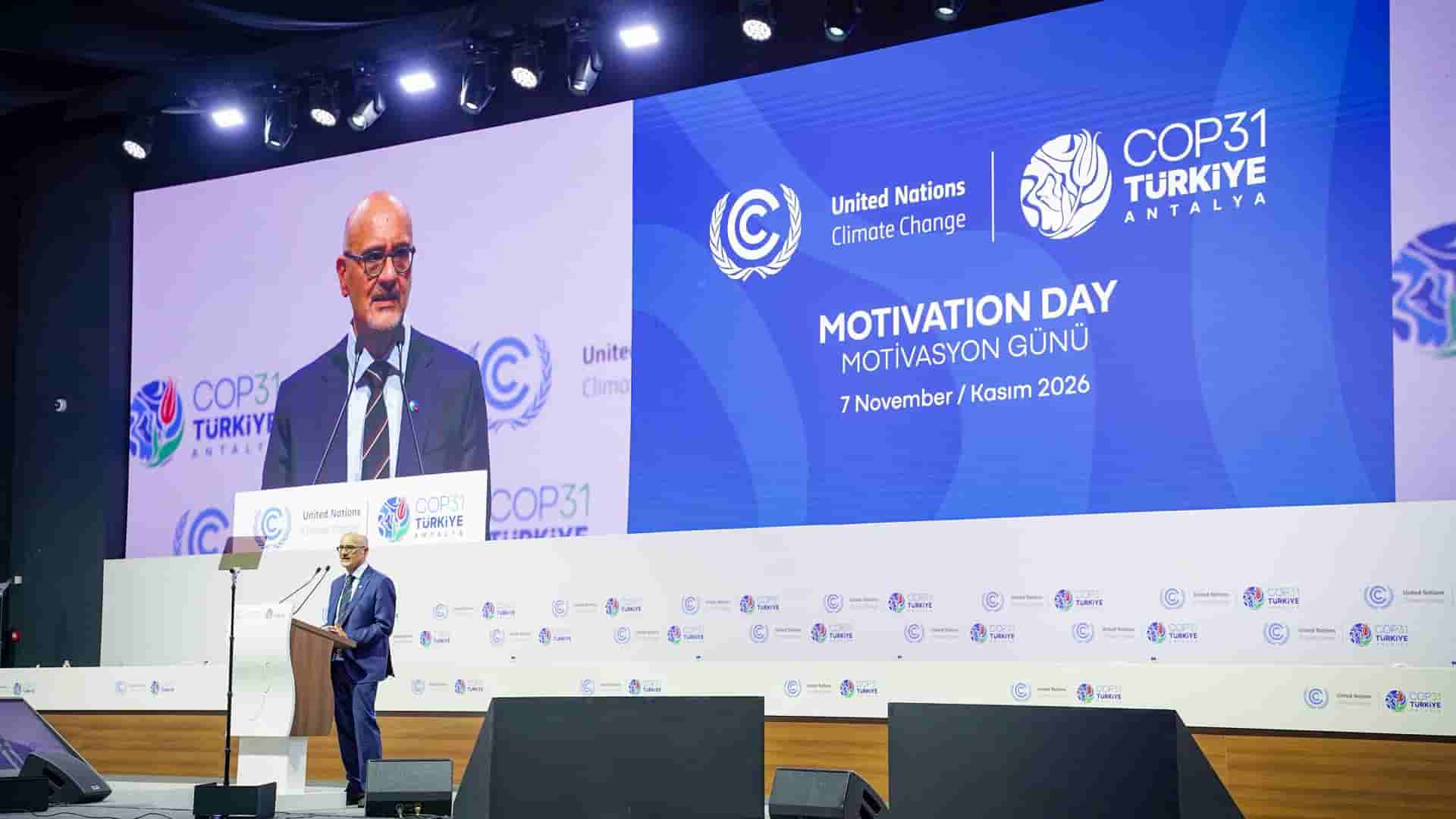
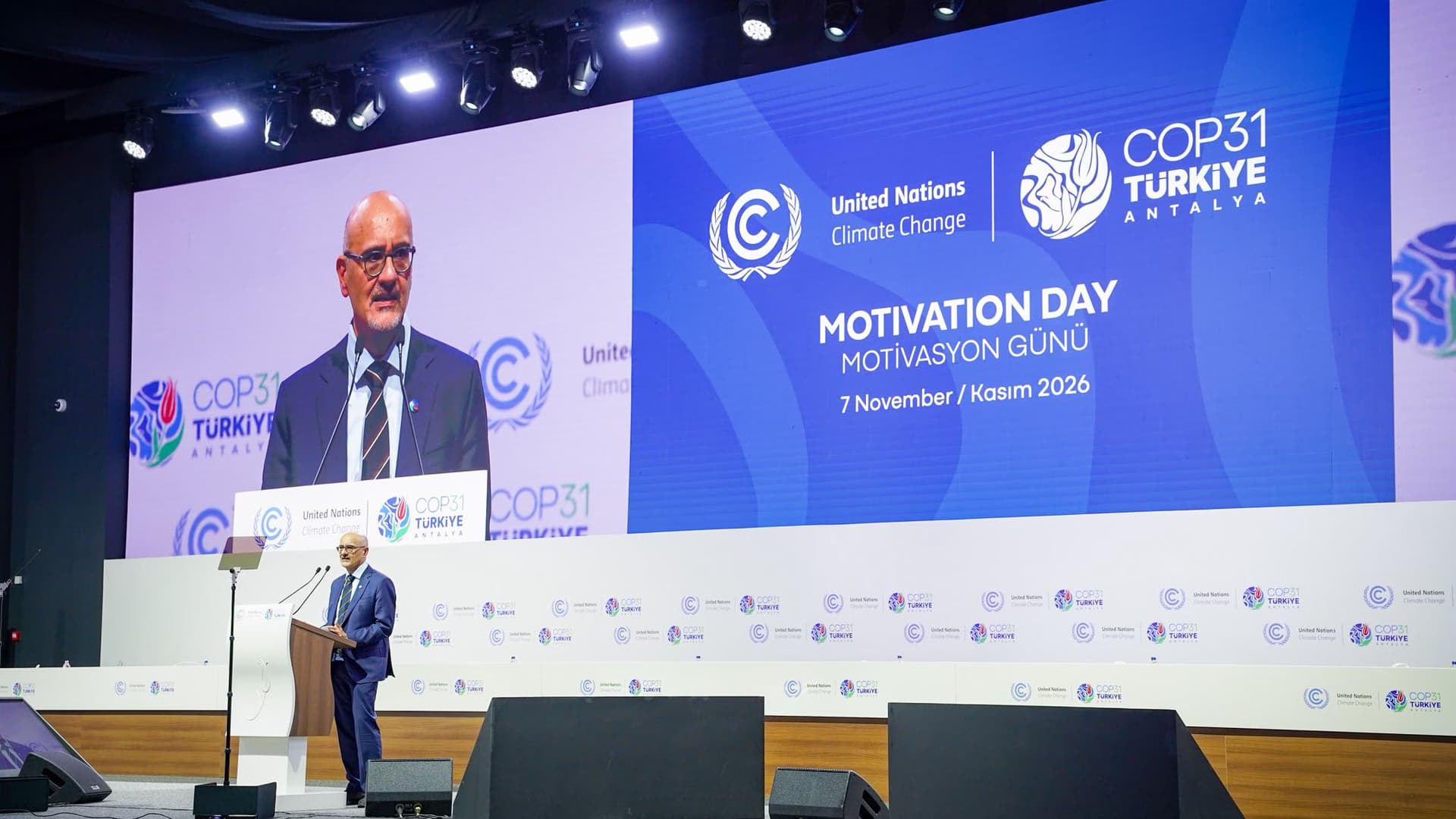
The U.N. climate conference opened Monday in Antalya without an official U.S. federal delegation for the second straight year, leaving state and local leaders and a 19-member congressional delegation to speak for America. Host Türkiye, which calls COP31 the "implementation COP," says leaders of 102 countries and more than 300 ministers have confirmed attendance for the talks running through Nov. 20.
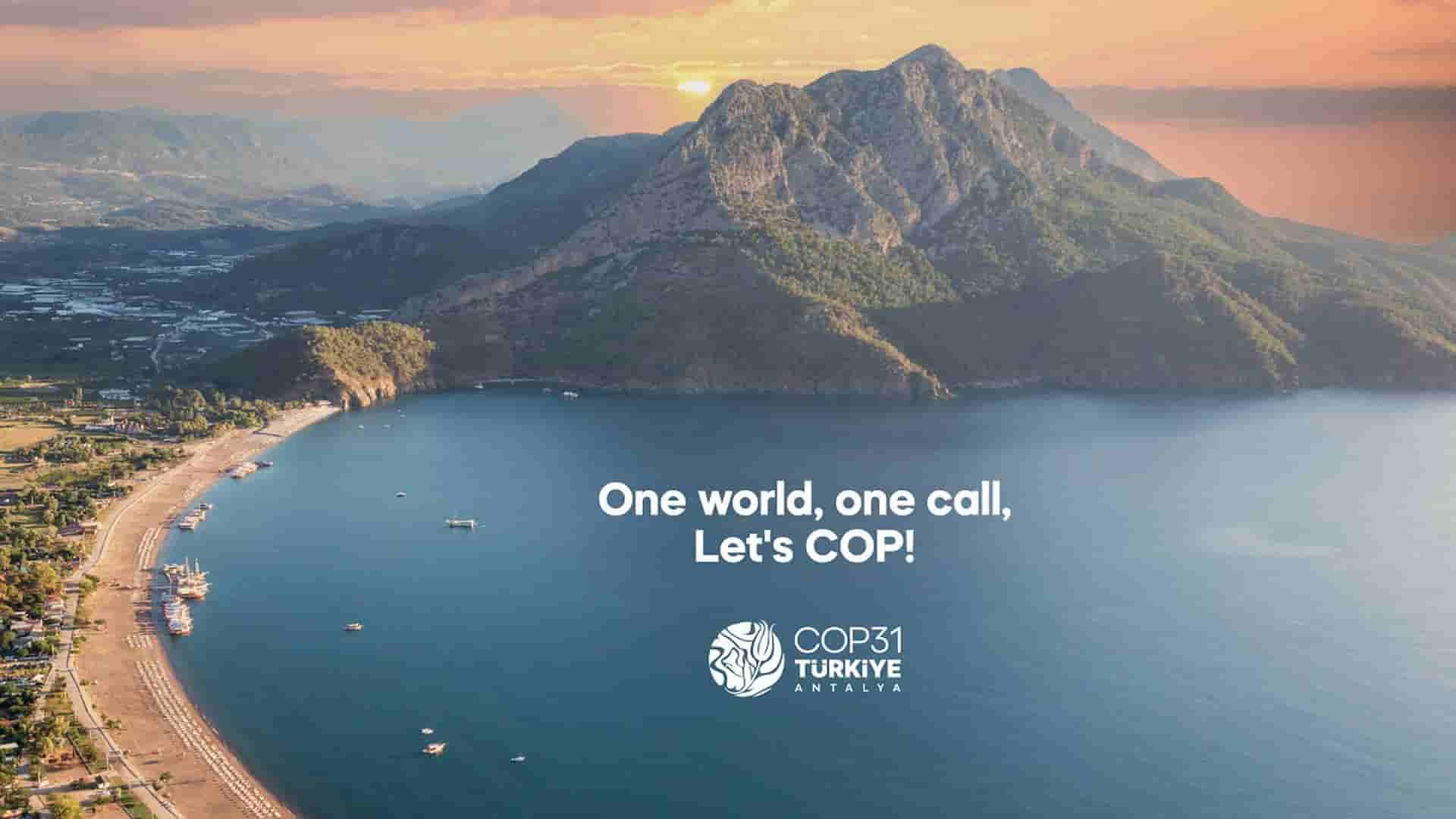
The United Nations climate conference known as COP31 opened Monday in Antalya, on Türkiye's Mediterranean coast, and for the second year in a row Washington has no seat at the negotiating table. The Trump administration is not sending a federal delegation to the talks, which run through Nov. 20, after President Donald Trump took the United States out of the Paris Agreement for a second time.
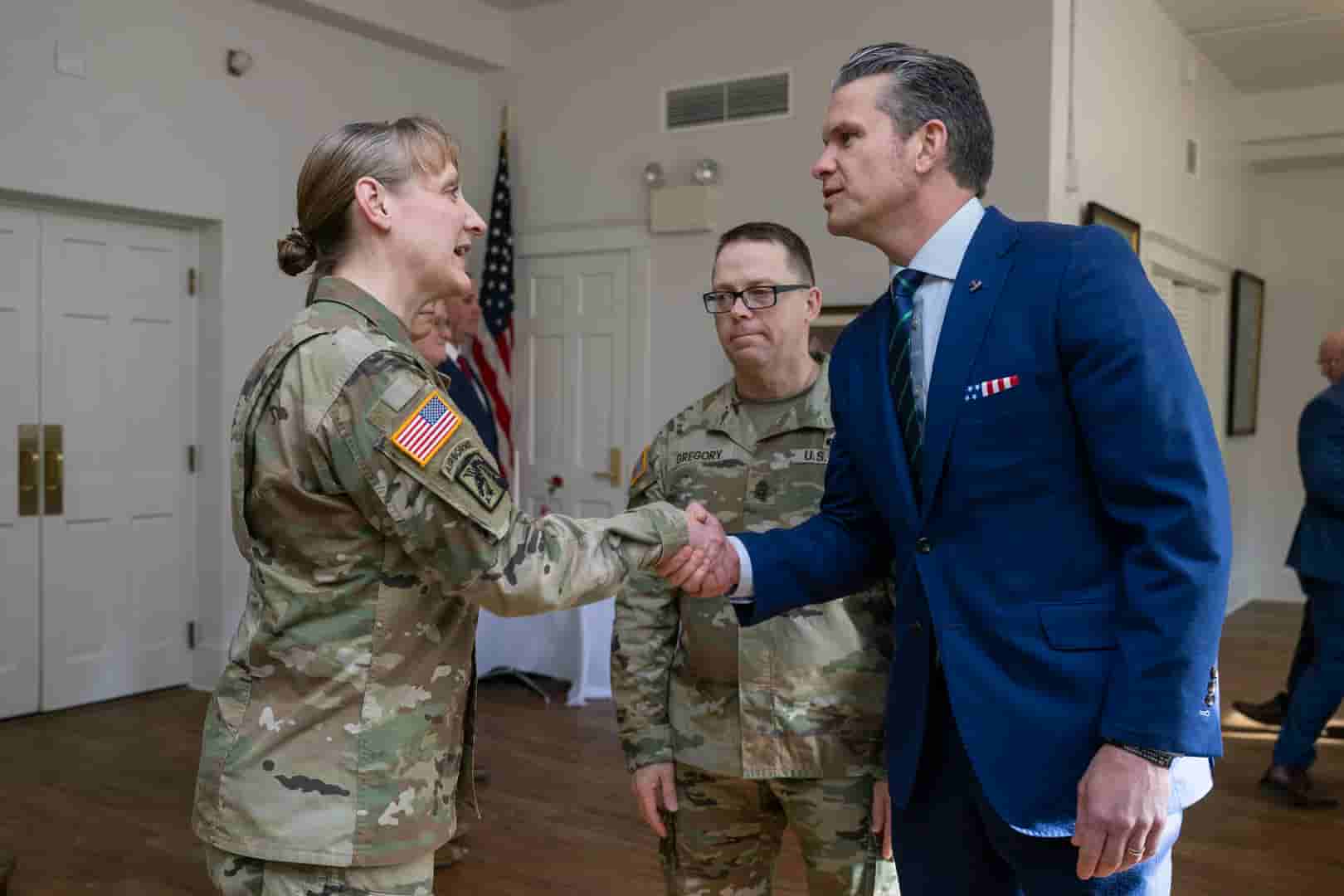
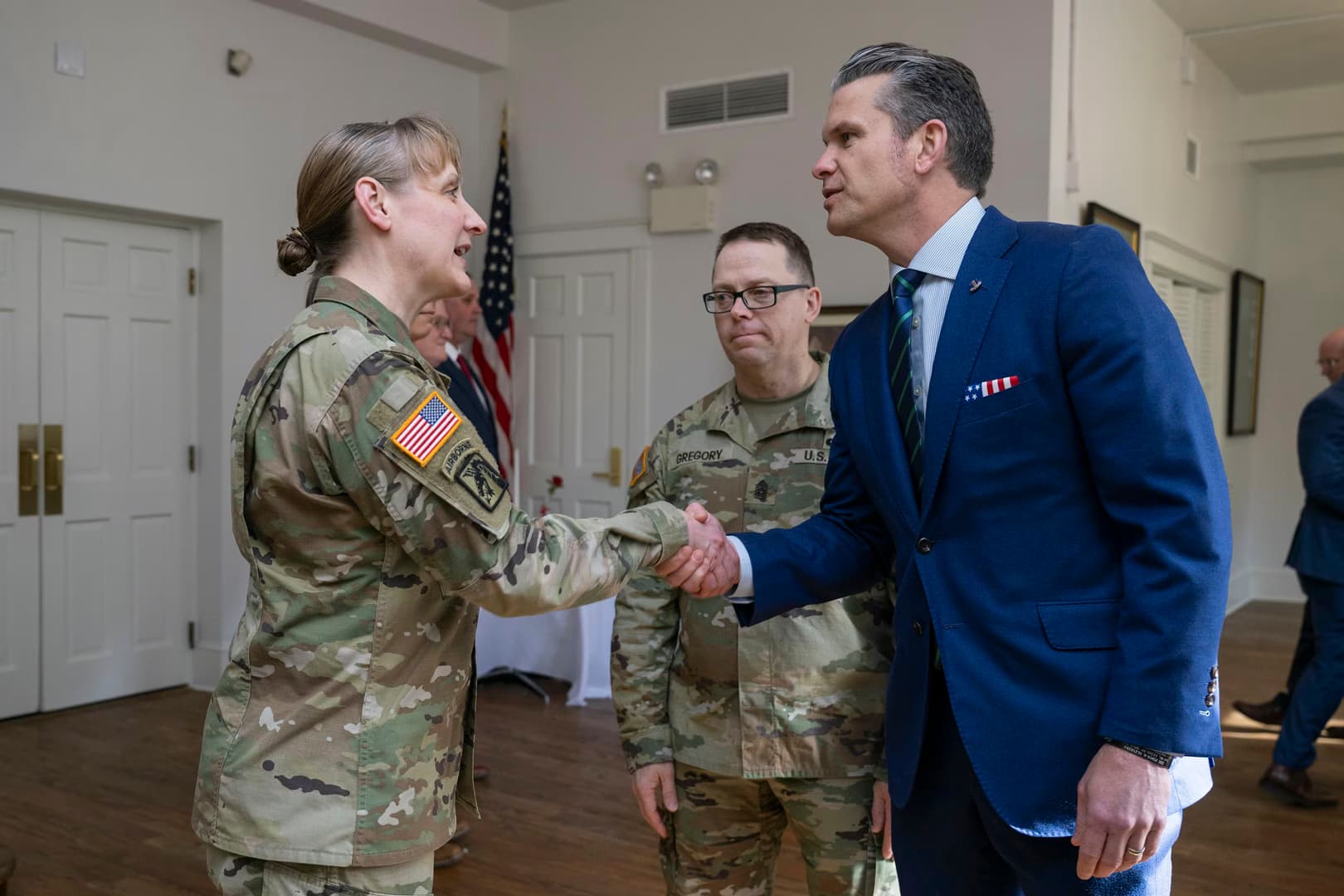
That leaves the American presence in Antalya to governors, mayors, state officials and members of Congress. A subnational contingent is attending under the America Is All In coalition, which brings together U.S. states, cities, businesses and institutions that say they remain committed to the goals of the Paris accord. Alongside them is a 19-member congressional delegation organized by the Sustainable Energy and Environment Coalition (SEEC) Institute, a nonpartisan think tank.
Rep. Sean Casten, D-Ill., who announced the trip, said the lawmakers would serve an "important diplomatic function" at the conference. Speaking to Euronews a day after Democrats' midterm election gains, Casten said there was "real value" in conveying "that America has spoken."
Who is at the table
The rest of the world is turning out in numbers. Türkiye's Environment, Urbanization and Climate Change Ministry says leaders of 102 countries and more than 300 ministers have confirmed they will attend the conference of the 196 parties to the U.N. climate convention and the European Union. The U.N., the World Bank, the European Commission, the OECD and the International Energy Agency are taking part at leaders' level, and China's foreign ministry has said Vice President Han Zheng will attend as President Xi Jinping's special representative.
COP31 runs under a power-sharing arrangement agreed at last year's talks in Belém, Brazil: Türkiye hosts the conference and holds the presidency, while Australia's minister for climate change and energy, Chris Bowen, presides over the formal negotiations. On Sunday, COP31 President Murat Kurum, Türkiye's environment minister, held a three-way meeting with Bowen and U.N. climate chief Simon Stiell, along with their delegations, to prepare for the opening.
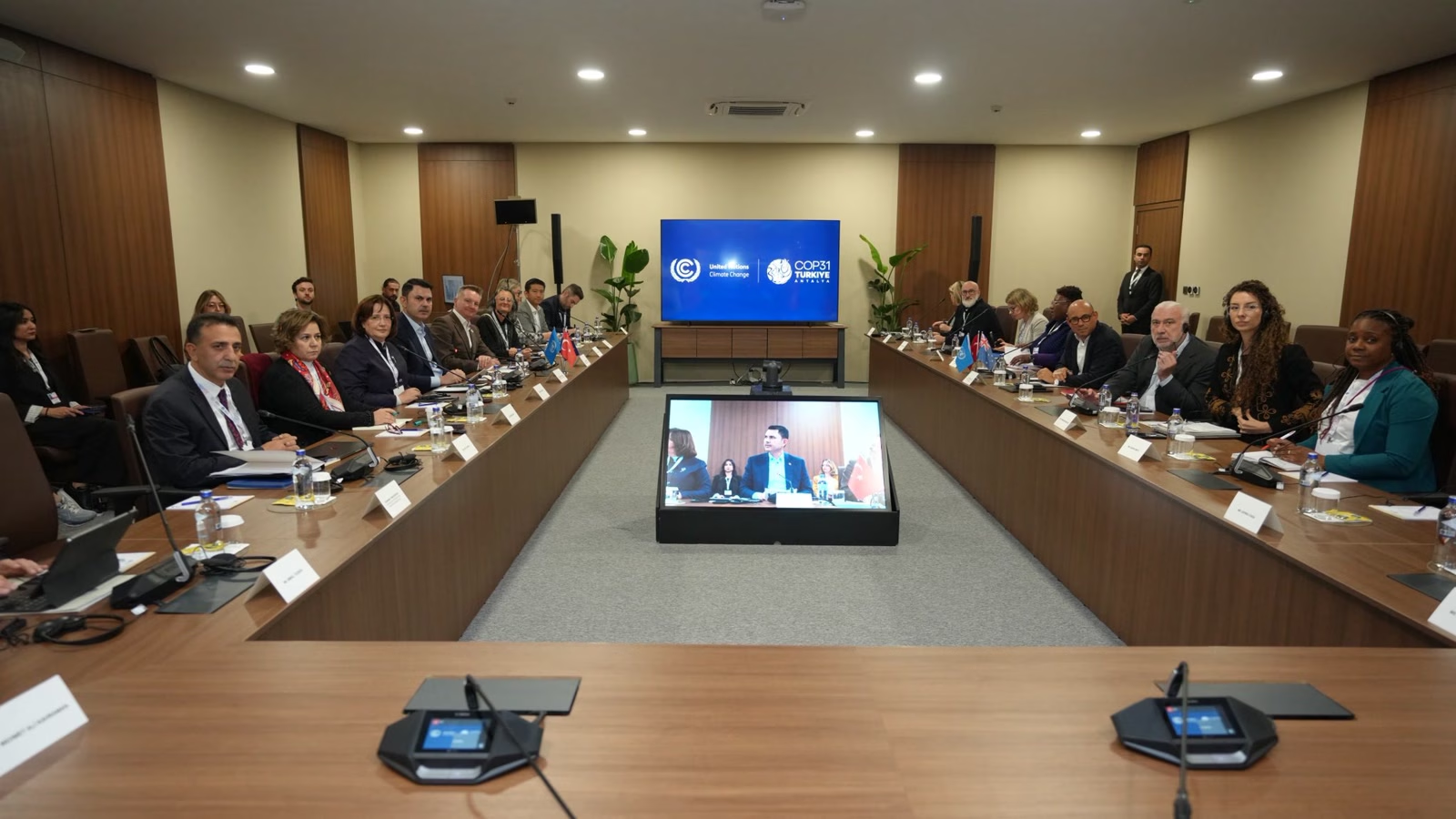
The meeting came as negotiators prepared for a potentially tricky start. Climate Home News reported that African countries have asked for additional agenda items, including on adaptation finance and trade, and that Australia has been working to avoid an agenda fight at the opening plenary.
Money and methane
For American observers, two threads stand out over the next two weeks. The first is money. Negotiators are under pressure to show how the finance goal adopted in Baku in 2024, at least $300 billion a year for developing countries by 2035, will be met, and to put substance behind last year's pledge in Belém to at least triple adaptation finance by 2035. Finance and trade get their own day on Nov. 13, when Türkiye's central bank governor Fatih Karahan and Bundesbank Vice President Sabine Mauderer are expected to speak at a panel on digital payment infrastructure for climate finance.
The second is methane. On Nov. 11, the conference's Zero Waste Day, leaders are due to launch a Global High-Level Dialogue on methane emissions from waste, together with a knowledge-sharing network on circularity. Türkiye is also pushing an electrification pledge to raise electricity's share of global final energy use to 35% by 2035, up from roughly 23% to 24% today, according to Climate Home News, which reported that Australia is on the list of signatories.
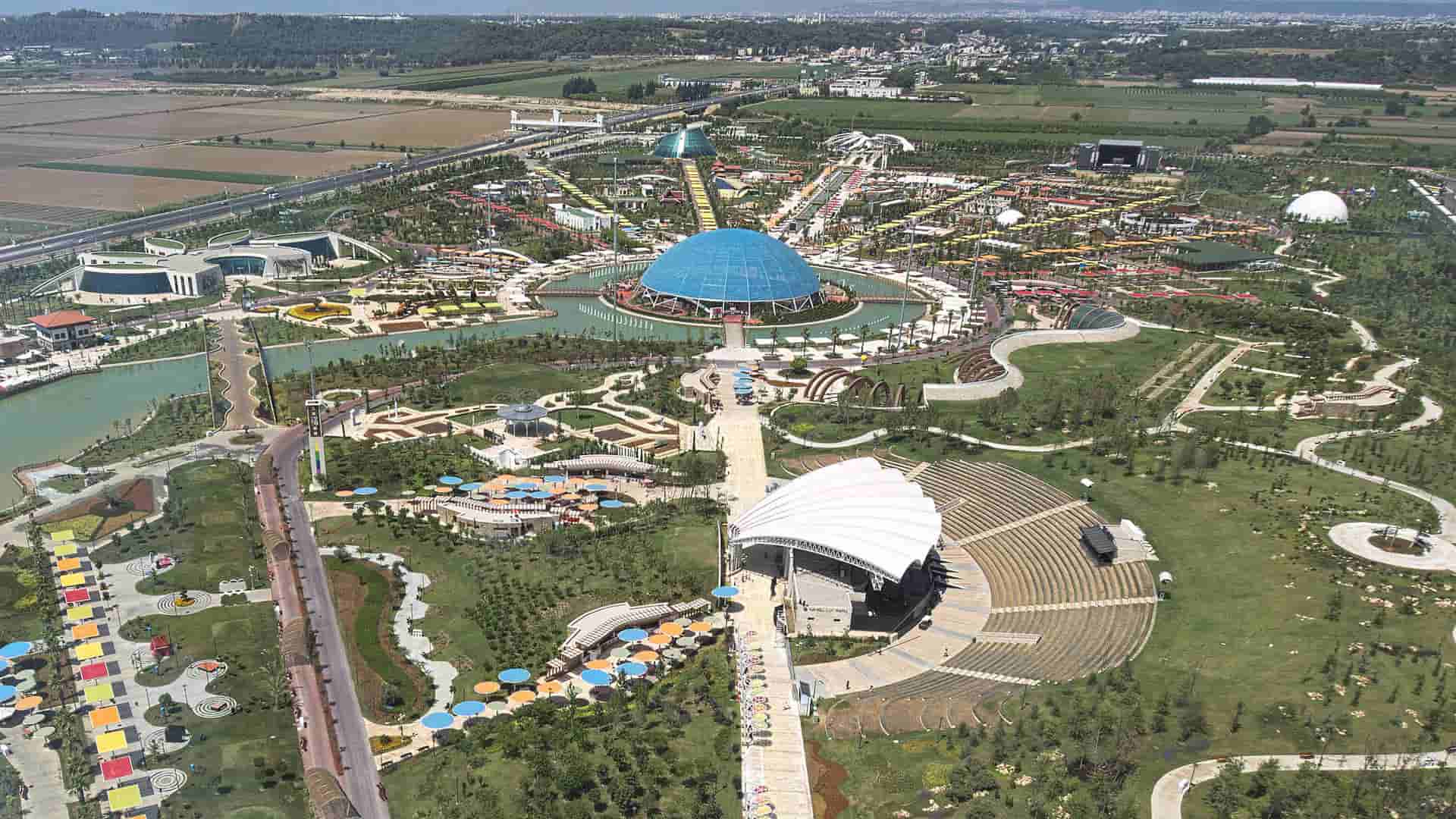
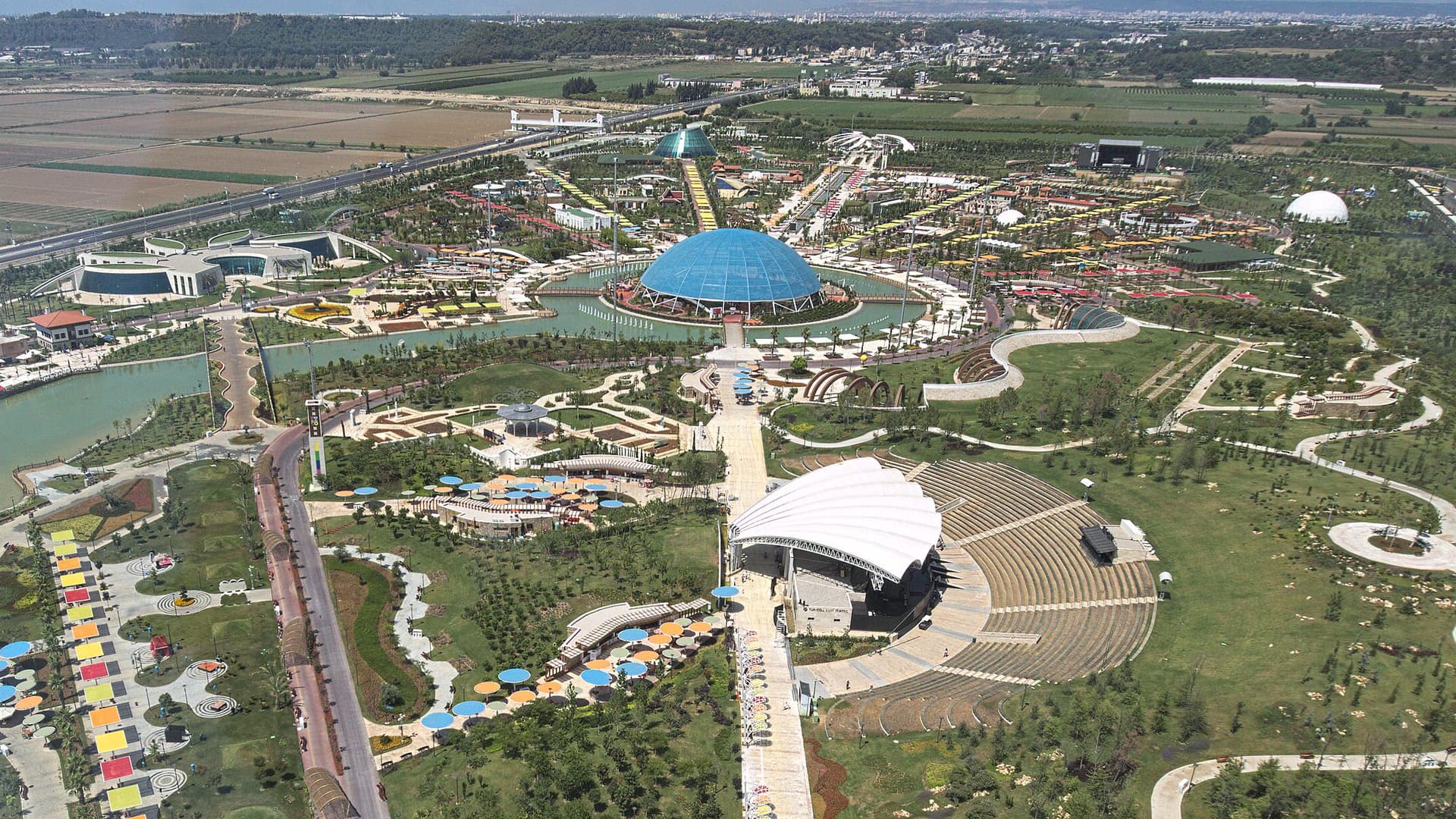
In this video released by Kurum on the eve of the opening with the caption "Only hours left until COP31. We are ready," accredited participants tour the venue, visit an art gallery set up under the conference's COPArt project and walk through a domed tropical garden, while aerial shots show the Antalya Expo tower and the public Green Zone.
An 'implementation COP'
Türkiye has billed the meeting as the "implementation COP," arguing that the world is short not of targets but of delivery. Before the summit, Kurum said reaching the Paris Agreement's 1.5-degree goal now looks difficult, and promised to appear before the press with every previous COP president to issue a joint appeal, which he described as a first in the history of the talks.
The presidency's 10-point action agenda covers zero waste, clean energy and electrification, food security, climate-resilient cities, a Climate Implementation Bridge that matches national climate projects with funders, green industrialization, youth and education, oceans and seas, the "Rio synergy" linking climate, biodiversity and desertification, and resilient health systems. Health is a stand-alone action area for the first time in COP history, Turkish Health Minister Kemal Memişoğlu said, and Monday's program is devoted to food, agriculture and health, with four high-level health panels in the Blue Zone.
What comes next
The political high point comes midweek. President Recep Tayyip Erdoğan opens the Antalya Leaders' Summit on Wednesday, Nov. 11, and the gathering continues through Nov. 12. U.N. Secretary-General Antonio Guterres and Australian Prime Minister Anthony Albanese are expected to deliver opening remarks alongside Erdoğan, Turkish Deputy Foreign Minister Berris Ekinci said in September. Each following day carries its own theme in the Green Zone, from energy and transport on Tuesday to oceans and nature on Nov. 17, before final negotiations in the Blue Zone on Nov. 20.
The venue, the former Expo 2016 grounds east of Antalya, covers 1.1 million square meters. Nearly 100,000 people are expected in the U.N.-run Blue Zone, where the official talks take place, while Turkish officials expect 1.5 million visitors in the public Green Zone. More than 45,000 volunteers from 154 countries have been accredited, and the largest plenary hall, named Anatolia, seats 1,794.
Cover: COP31 Türkiye. Photos: COP31 Türkiye, Anadolu Agency. Video: Murat Kurum
Have a story, event or announcement of your own?Send us your news on WhatsApp
Spotted an error in this story?Report it on WhatsApp
Share on all social platforms
Sponsored Ads
Featured Listings
Loading featured properties...
Stay Updated with Ally Daily
Subscribe to be informed about special news, developments and announcements. We will keep you informed.
By signing up, you agree to our Privacy Policy