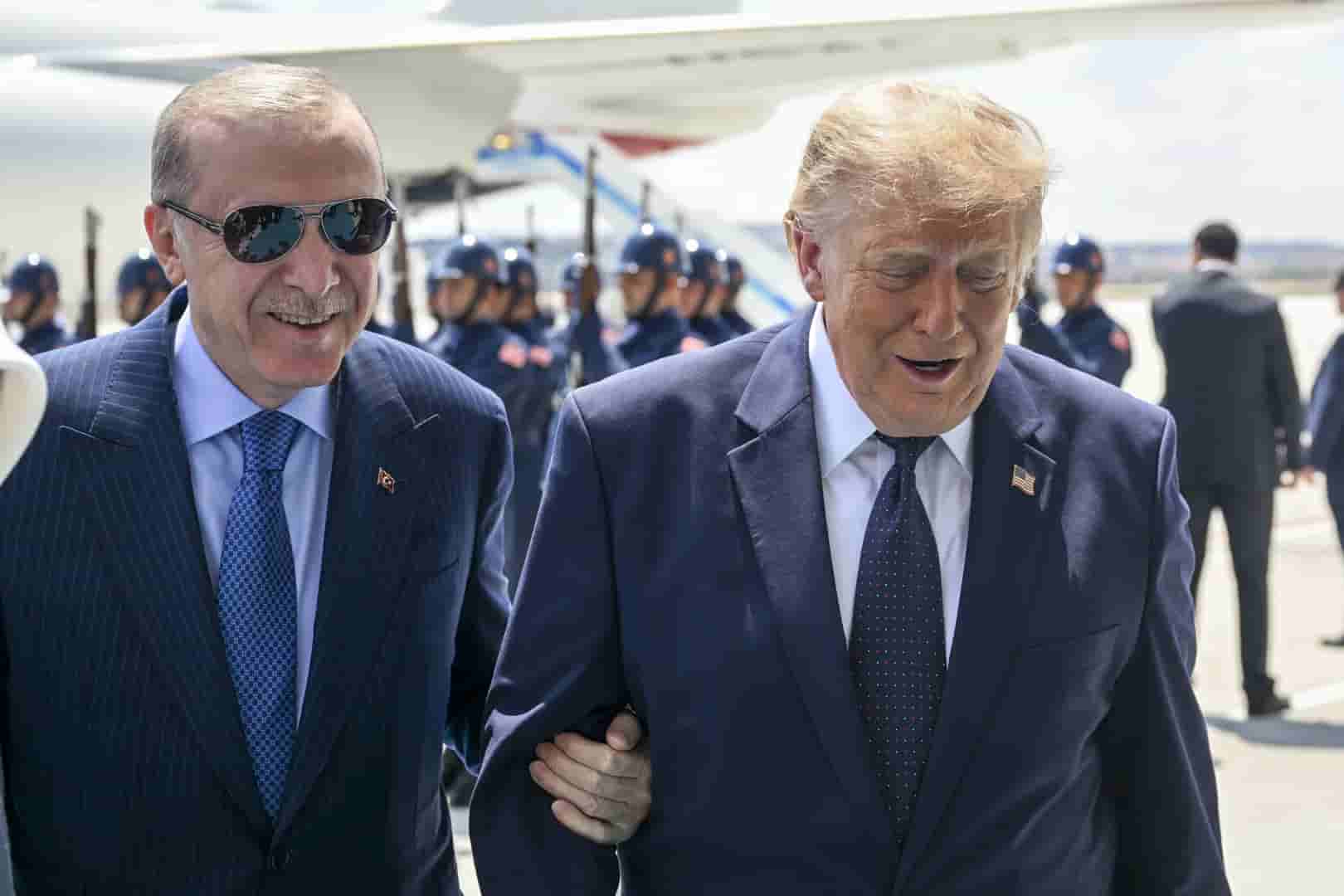
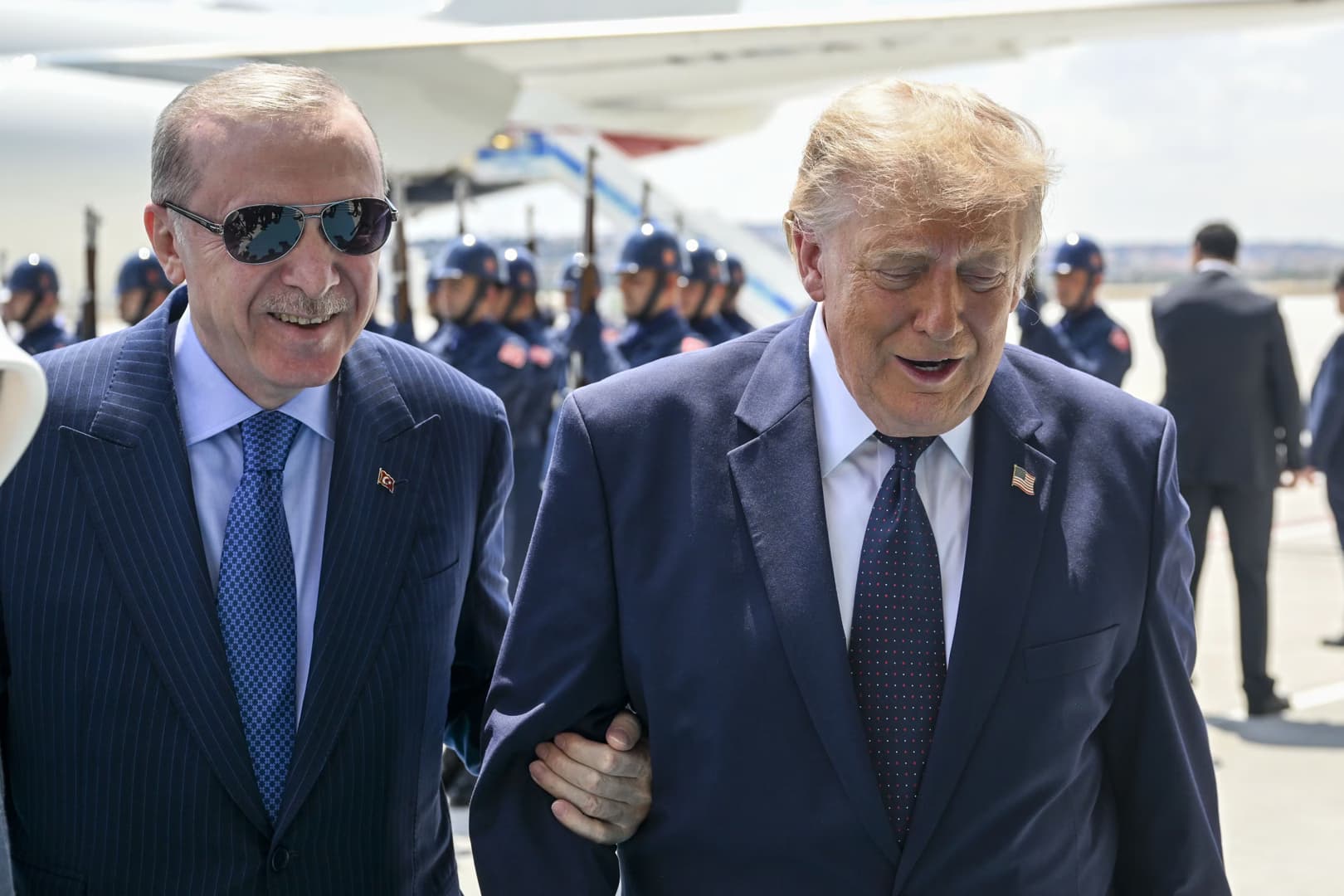
President Donald Trump said Friday that there is "no holdup" on lifting U.S. sanctions on Türkiye, insisting that his friendship with President Recep Tayyip Erdoğan remains strong as the measures stay on the books.
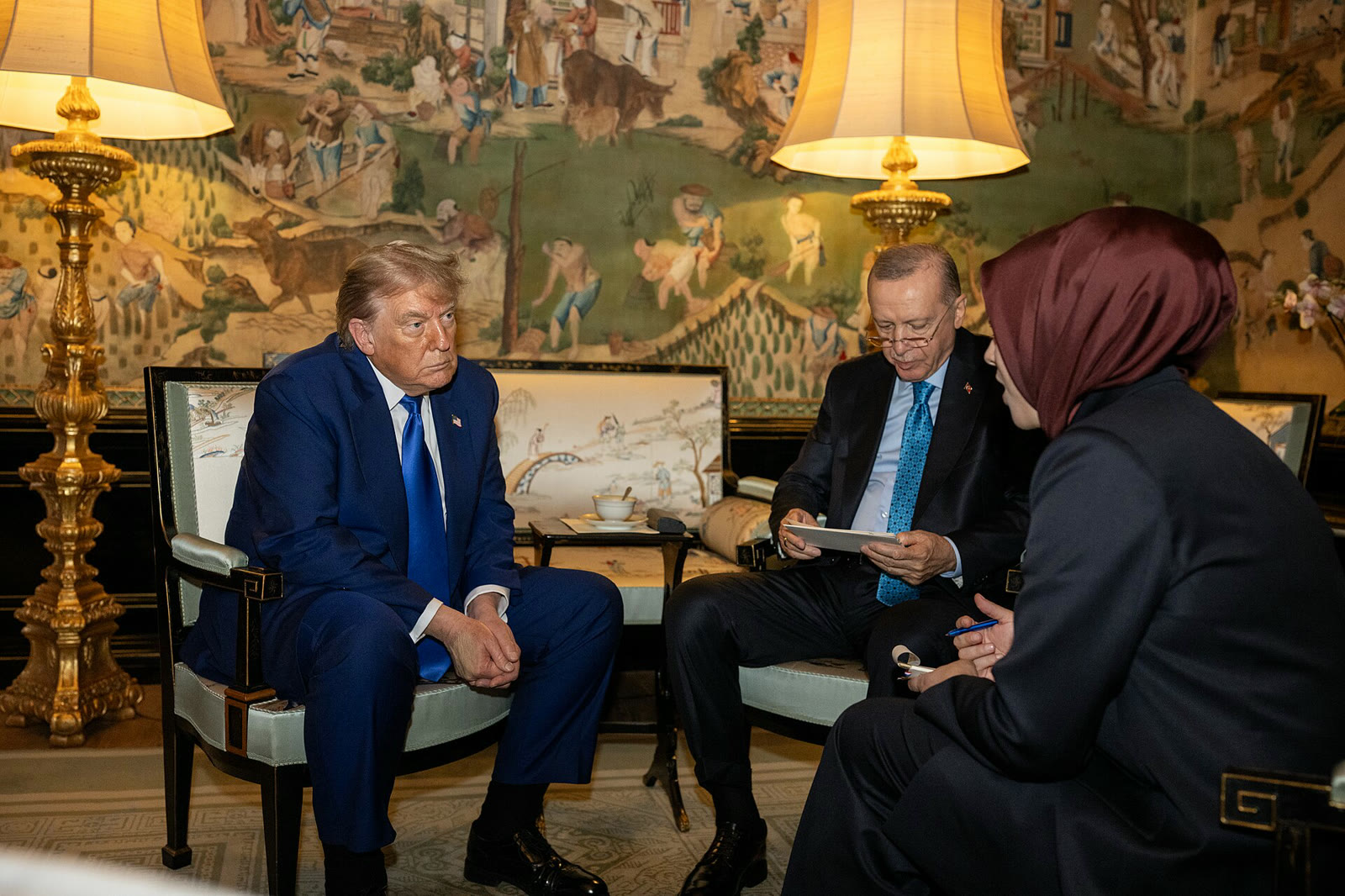
Speaking to reporters on the White House grounds, Trump was asked by a CNN Türk reporter why the CAATSA sanctions had not yet been removed. The reporter reminded him that at the NATO summit in July he had said friends should not sanction each other and that it was time to lift the measures. After asking which outlet the reporter worked for, Trump said: "I love Türkiye. I always speak to President Erdoğan. He is a friend of mine, as you know. And I'll always make him happy."
A promise made in Ankara
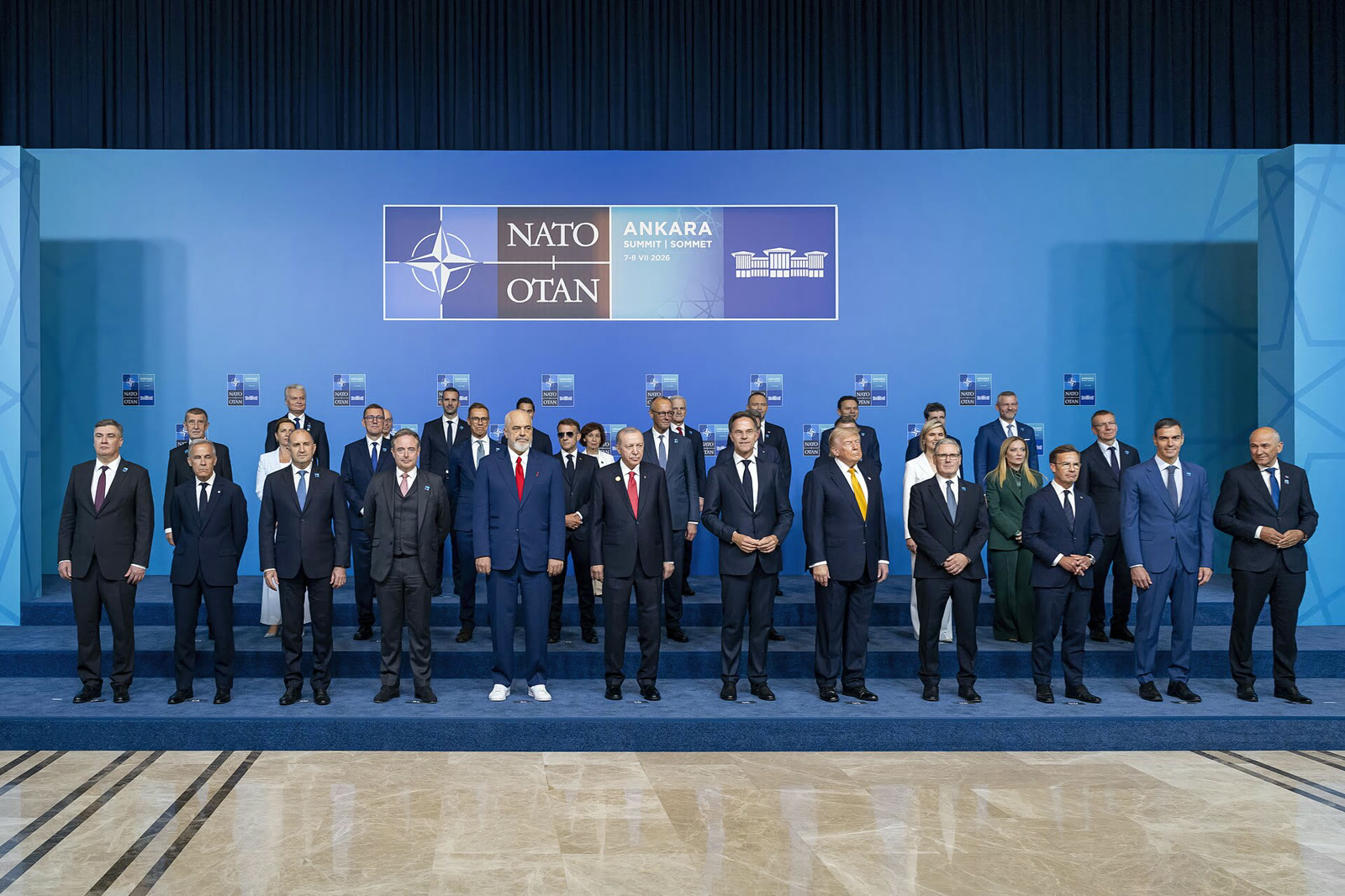
During the NATO summit in Ankara on July 7, Trump said, "We're going to be taking the sanctions off; it's time," adding that Washington would "certainly" consider allowing Türkiye to buy F-35 fighter jets. He said Secretary of State Marco Rubio and Defense Secretary Pete Hegseth were working on the issue.
The United States sanctioned Türkiye's Presidency of Defense Industries (SSB) and its top officials in December 2020 under the Countering America's Adversaries Through Sanctions Act (CAATSA), citing Ankara's 2019 purchase of Russia's S-400 air defense system. Türkiye was also removed from the F-35 program.
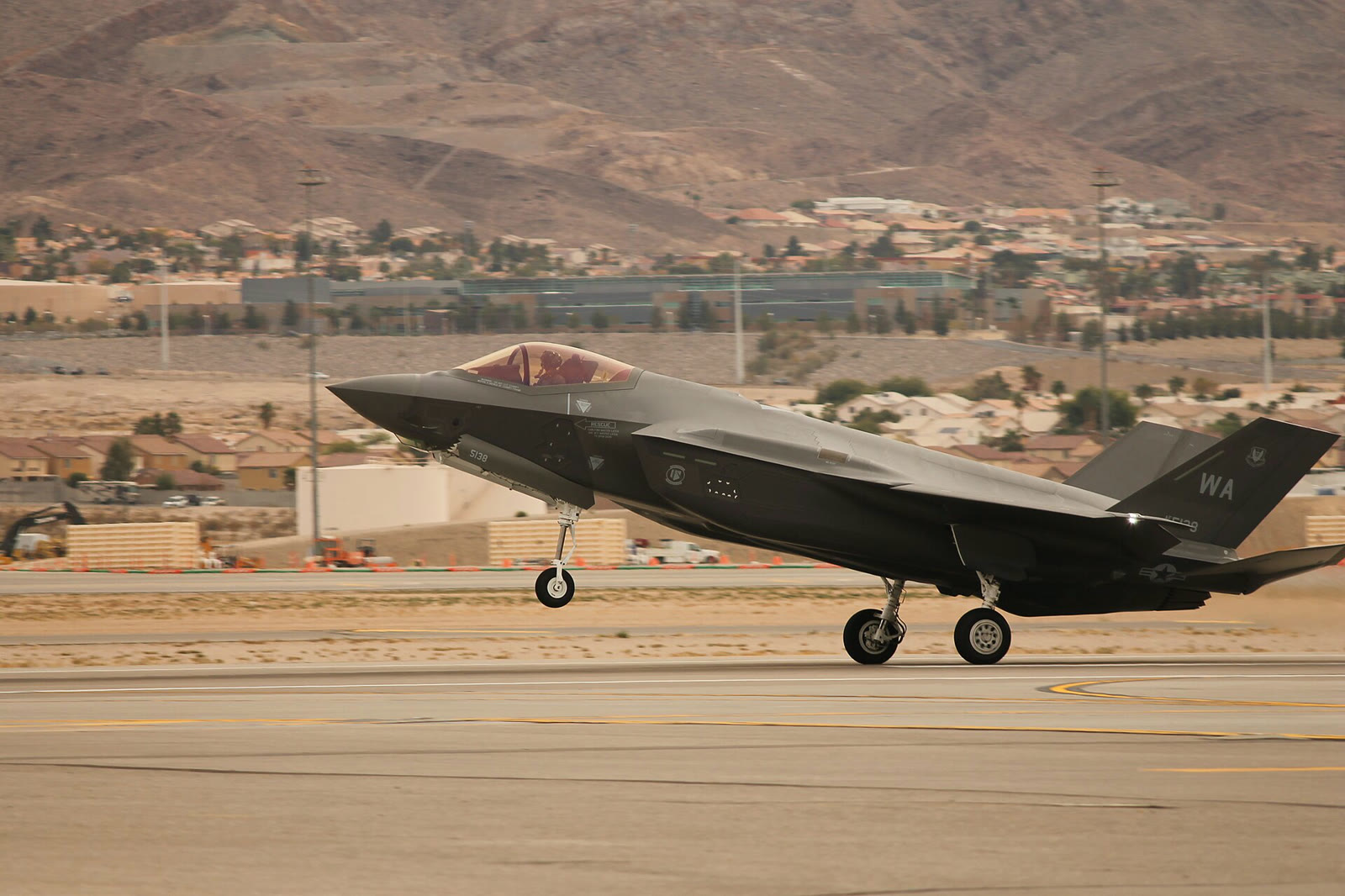
Congress remains the main obstacle. The 2020 National Defense Authorization Act bars the transfer of F-35s to Türkiye unless it no longer possesses the S-400, and lawmakers did not include a presidential waiver. U.S. Ambassador to Türkiye Tom Barrack has said that working through the requirements set by Congress will take time.
The issue is closely followed by the Turkish American community.Erdoğan said on September 24 that Washington needed to turn Trump's support into "concrete steps."
What the sanctions cover
The measures imposed in December 2020 include restrictions on export licenses and on U.S.-sourced financing for Türkiye’s Presidency of Defense Industries. Ankara has long argued that it turned to Moscow out of urgent air defense needs after Washington refused to supply Patriot missiles, and it has repeatedly dismissed U.S. concerns that the S-400 could compromise the F-35. The sanctions and Türkiye’s possible return to the F-35 program remain among the main points of friction in defense ties between the two allies.