- BIST10010,670-3.91%
- USD50.63+0.05%
- EUR55.32-0.44%
- GOLD3,483.20-3.00%
- INTEREST36.00%-1.00
- BITCOIN57,669-3.48%
- November 25, 20264°
- BIST10010,670-3.91%
- USD50.63+0.05%
- EUR55.32-0.44%
- GOLD3,483.20-3.00%
- INTEREST36.00%-1.00
- BITCOIN57,669-3.48%
- November 25, 20264°
U.S. food banks see demand top pandemic levels ahead of Thanksgiving
Food banks in New York, Los Angeles and Atlanta say demand has surpassed the peak of the COVID-19 pandemic as high prices squeeze working families and tighter SNAP rules cut federal aid. Many of the new visitors have jobs.
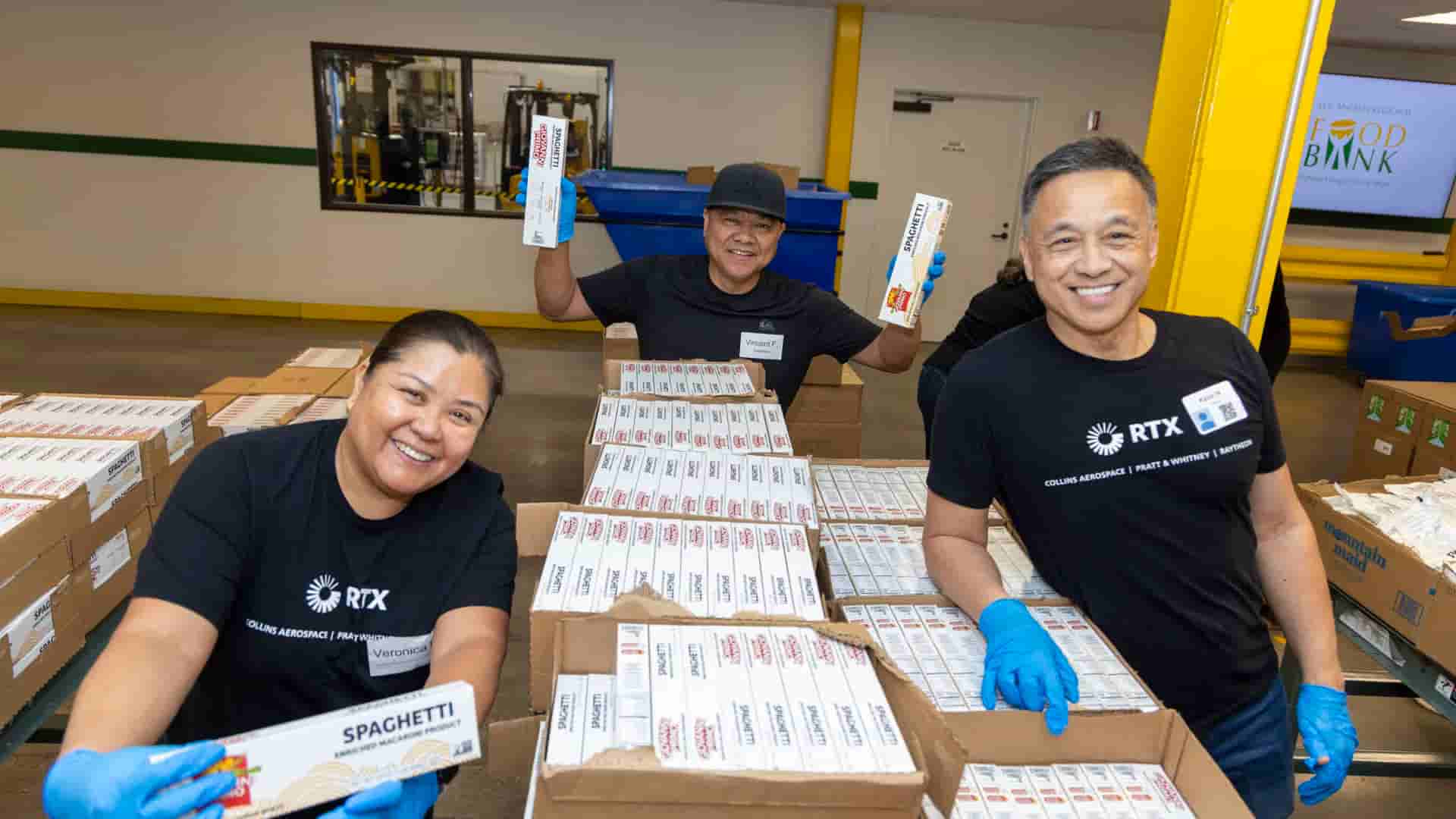
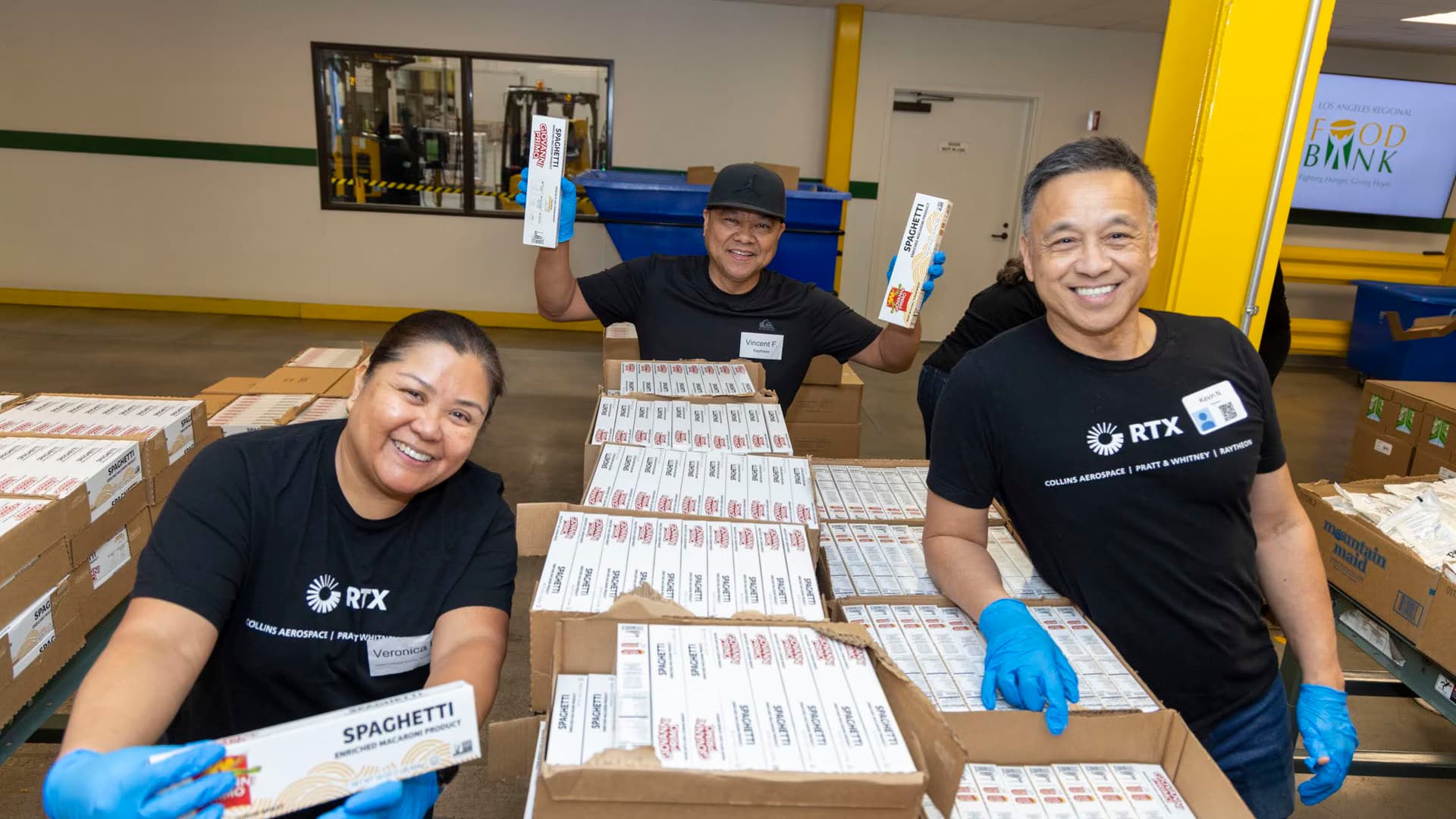
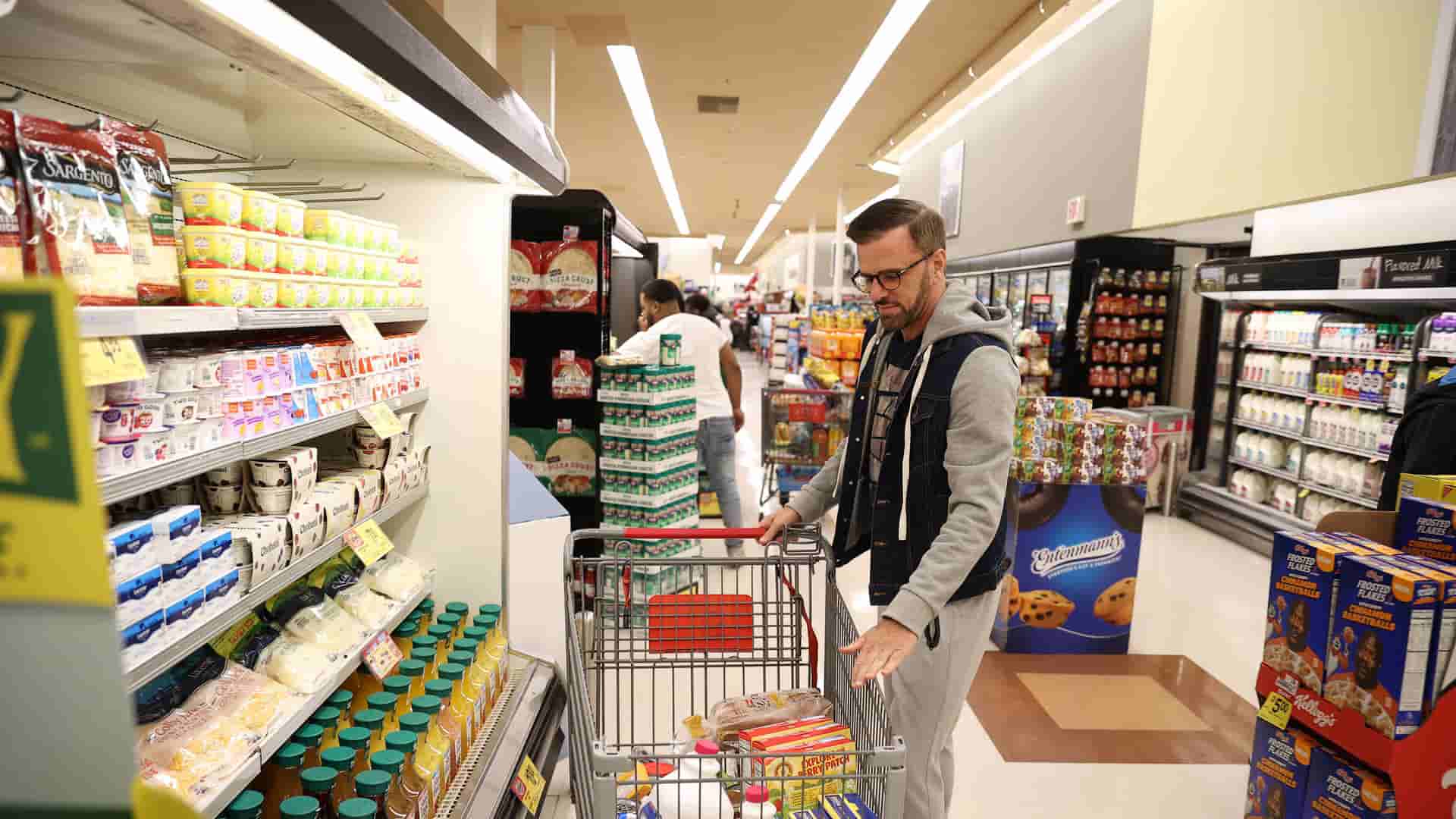
Food banks across the United States say demand has climbed past the levels seen during the COVID-19 pandemic, as persistent inflation makes food, housing and health care harder to afford and federal food aid has been restricted, CNBC reported ahead of Thanksgiving.
“The height of the pandemic was not the height of need, by any means,” said Greg Silverman, who runs the West Side Campaign Against Hunger in New York and expects to distribute as much as 6 million pounds of food this year. Many of the people now seeking food have jobs, he said.
One in five New Yorkers
City Harvest told CNBC that one in five New Yorkers is now experiencing food insecurity, up from one in six a year earlier and one in eight before the pandemic. Average monthly visits to the city’s food pantries and soup kitchens are 85% higher than before the pandemic. “Your work and your wages are just not keeping up with the way costs have gone up in the last five years alone,” said City Harvest President Carlos Rodriguez.
The Department of Agriculture’s latest annual report found that 13.7% of U.S. households, roughly 18.3 million, experienced food insecurity in 2024. City Harvest estimates that at least 8.7% of SNAP recipients in New York City lost benefits over the past year after Congress tightened eligibility, and about 260,000 CalFresh recipients in Los Angeles County face expanded work requirements that took effect in June.
Los Angeles and Atlanta under pressure
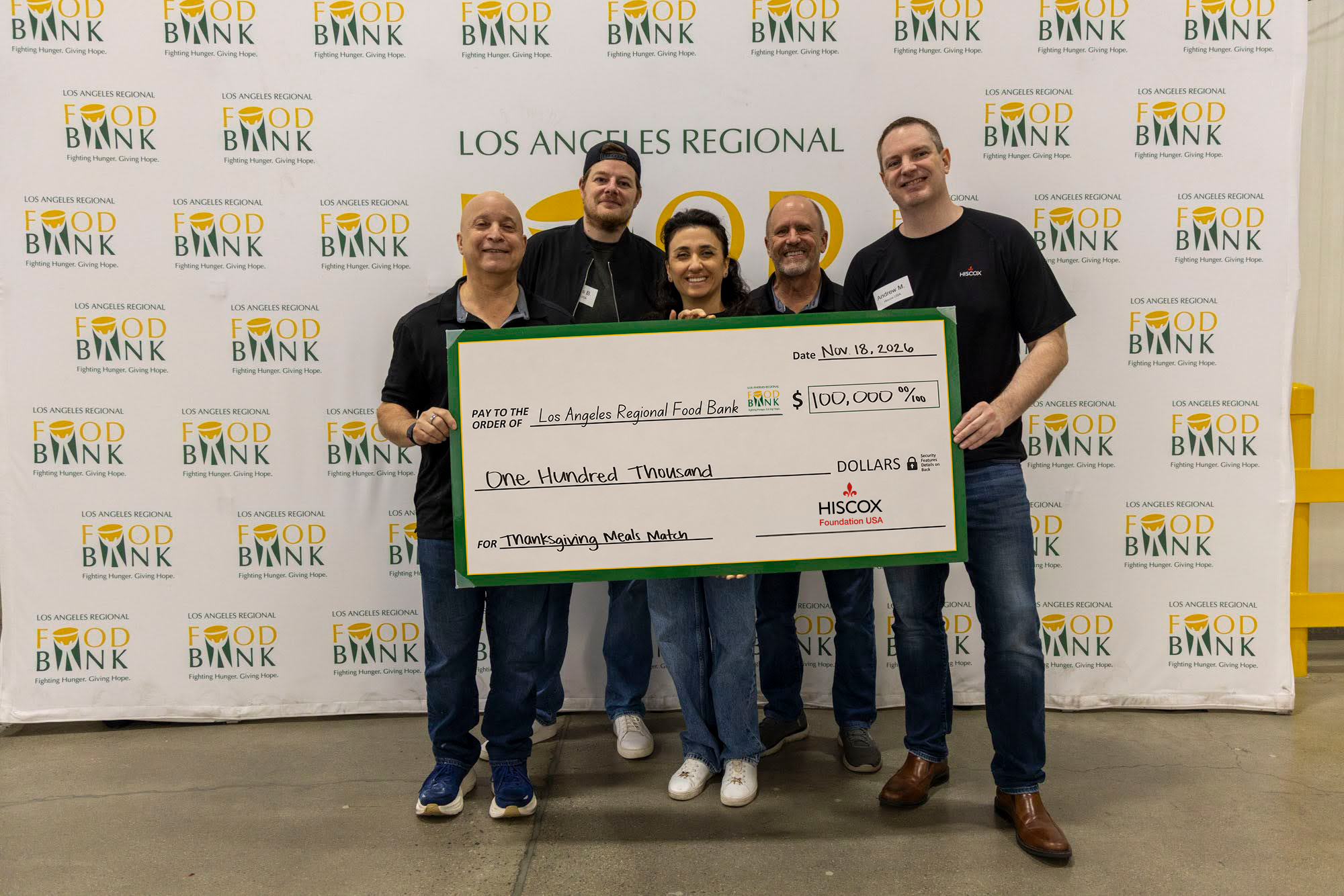
The Los Angeles Regional Food Bank distributed 116 million pounds of food from January through September, slightly more than in a near-record 2025, while its diesel bill more than doubled in September. In Atlanta, the Atlanta Community Food Bank now serves nearly 700,000 people a month, a jump of more than 70% in five years. More than 60% of its clients earn too much to qualify for SNAP. “We don’t see a big source of relief coming anytime soon,” said its CEO, Kyle Waide.