- BIST10010,670-3.91%
- USD50.63+0.05%
- EUR55.32-0.44%
- GOLD3,483.20-3.00%
- INTEREST36.00%-1.00
- BITCOIN57,669-3.48%
- November 25, 20264°
- BIST10010,670-3.91%
- USD50.63+0.05%
- EUR55.32-0.44%
- GOLD3,483.20-3.00%
- INTEREST36.00%-1.00
- BITCOIN57,669-3.48%
- November 25, 20264°
Army to detonate nearly 10,000 pounds of unstable lead azide in Iowa
The U.S. Army is set to blow up 68 drums of degraded lead azide at the Iowa Army Ammunition Plant in Middletown on Wednesday morning. Residents of a 5-mile zone were urged to evacuate, and Gov. Kim Reynolds declared a disaster emergency for three counties.
Ally Daily Editorial DeskUpdated:
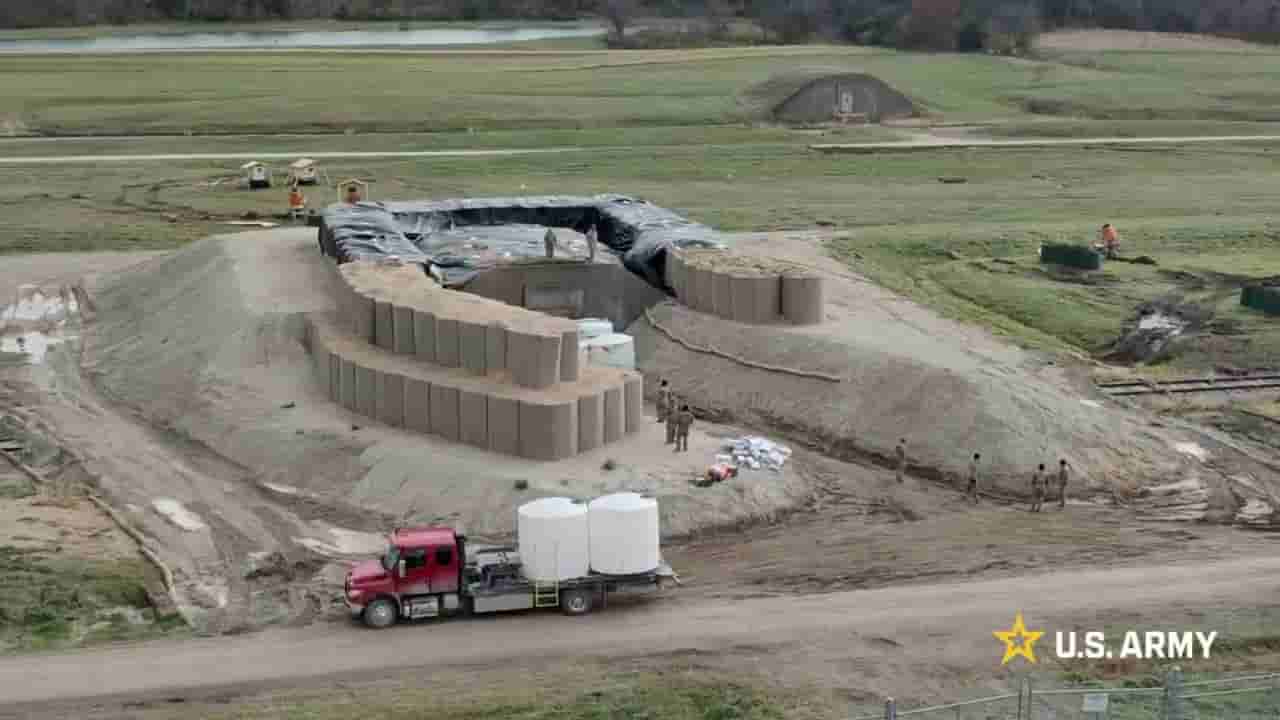
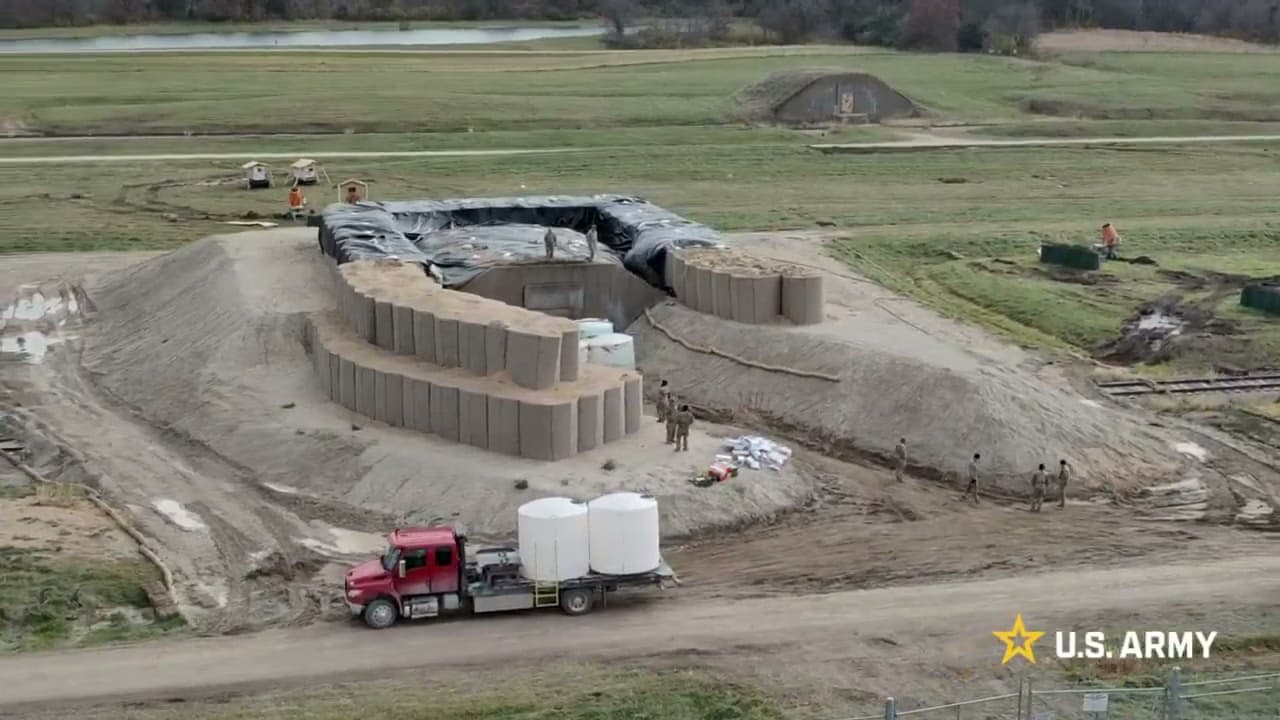
The U.S. Army is scheduled to detonate about 9,700 pounds of deteriorating lead azide at the Iowa Army Ammunition Plant in Middletown at around 9 a.m. CST on Wednesday, after a federal appeals court cleared the way for the operation. The Army says the 68 drums of the explosive have become unstable and could go off on their own.
Lead azide, a primary explosive once used to trigger munitions such as grenades and artillery shells, was phased out about 15 years ago. The nation’s stockpile was moved to the Middletown plant in 2009. The Army said it discovered eight months ago that the material had degraded, and concluded that moving it was too dangerous.
Evacuations and a disaster declaration
The Army recommended that residents of Middletown and a 5-mile zone southwest of the plant leave their homes “out of an abundance of caution,” and soldiers went door to door on Tuesday to notify them. FEMA is providing short-term hotel rooms for evacuees through Friday. Gov. Kim Reynolds declared a disaster emergency for Des Moines, Lee and Van Buren counties.
Army projections show the cloud of lead dust could travel about 100 miles southwest and cross into northeastern Missouri, depending on the weather. Lead is a potent neurotoxin, and children are the most vulnerable to exposure. Many residents have rushed to tape windows, cover gardens and change their Thanksgiving plans.
Water walls, foam and sand barriers
The Army said it has built two stories of sand-filled barriers around the blast site, along with a water wall holding more than 100,000 gallons of water, along with foam and gel blocks and earth berms, to contain as much lead dust as possible inside the plant. “A controlled, mitigated detonation of the lead azide here at Iowa Army Ammunition Plant is far preferable to an uncontrolled, spontaneous detonation of that substance,” acting Army Secretary Adam Telle said.
After the blast, monitoring teams plan to take soil, water and surface samples along the plume’s path. The Army said residential properties found above 200 parts per million of lead will be cleaned up at government expense, though some experts said its plans lack detail. The detonation was originally set for last Friday but was postponed twice amid public concern and a legal challenge by environmental groups, which the Eighth Circuit Court of Appeals ultimately rejected.