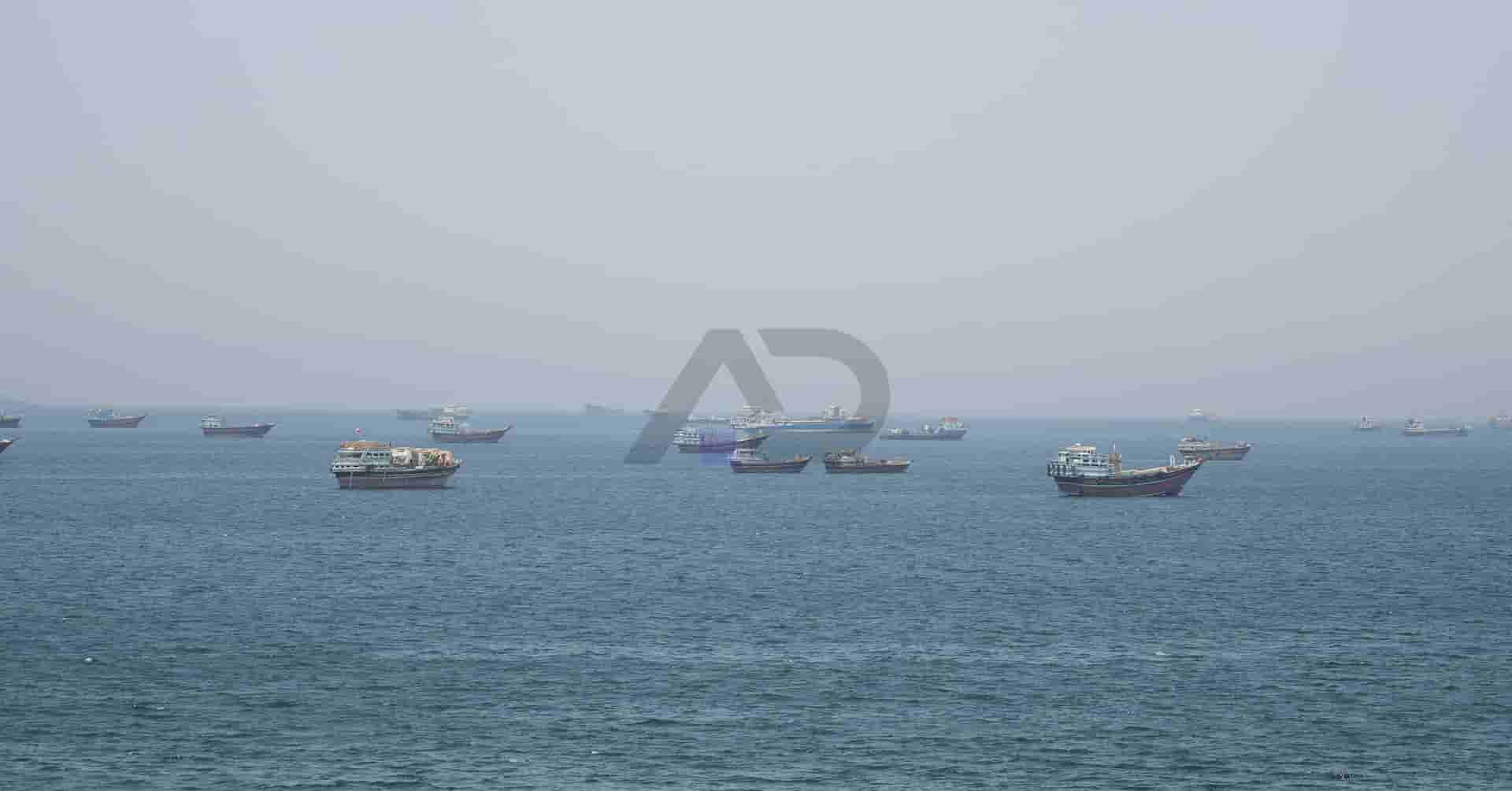
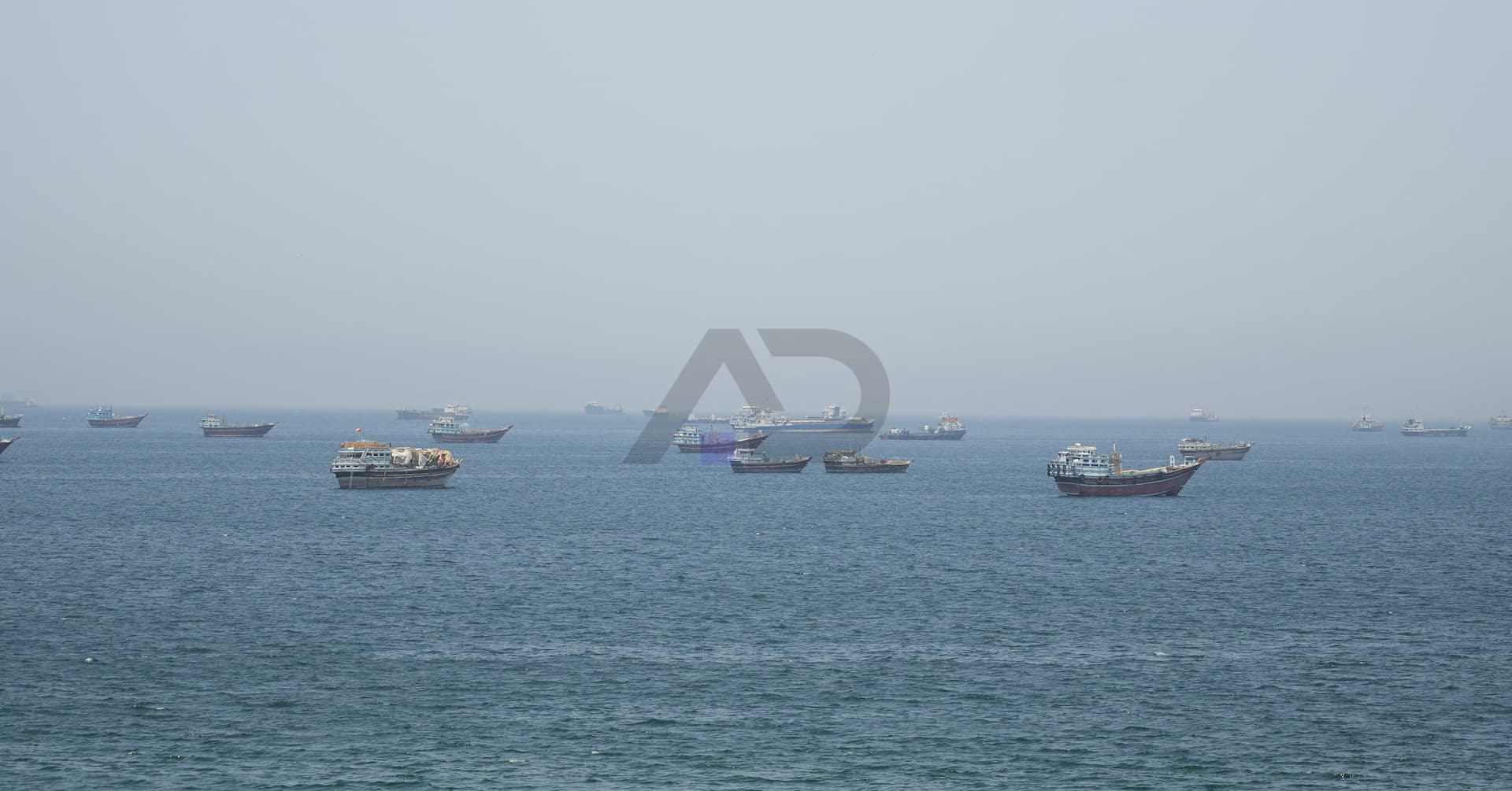
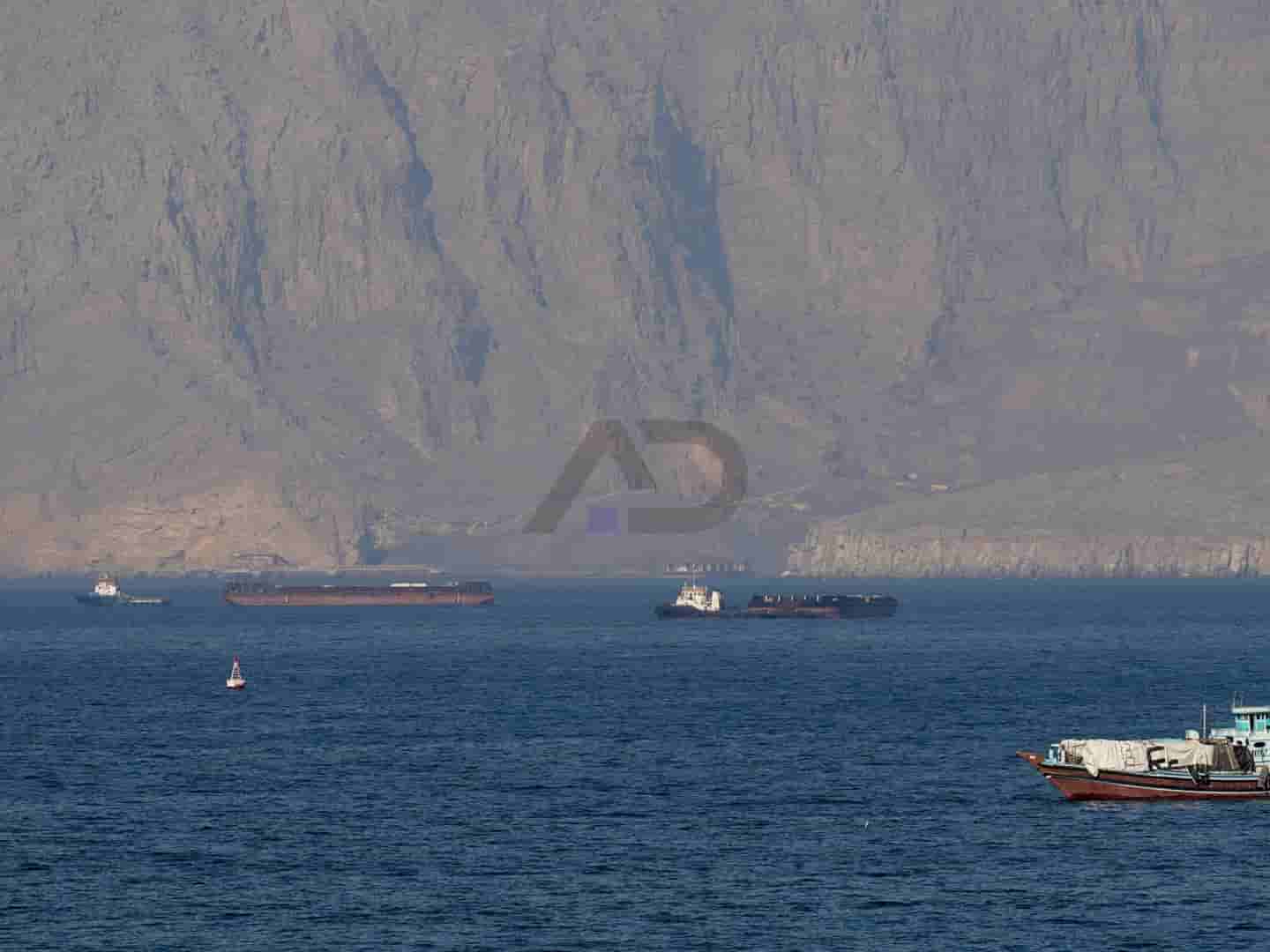
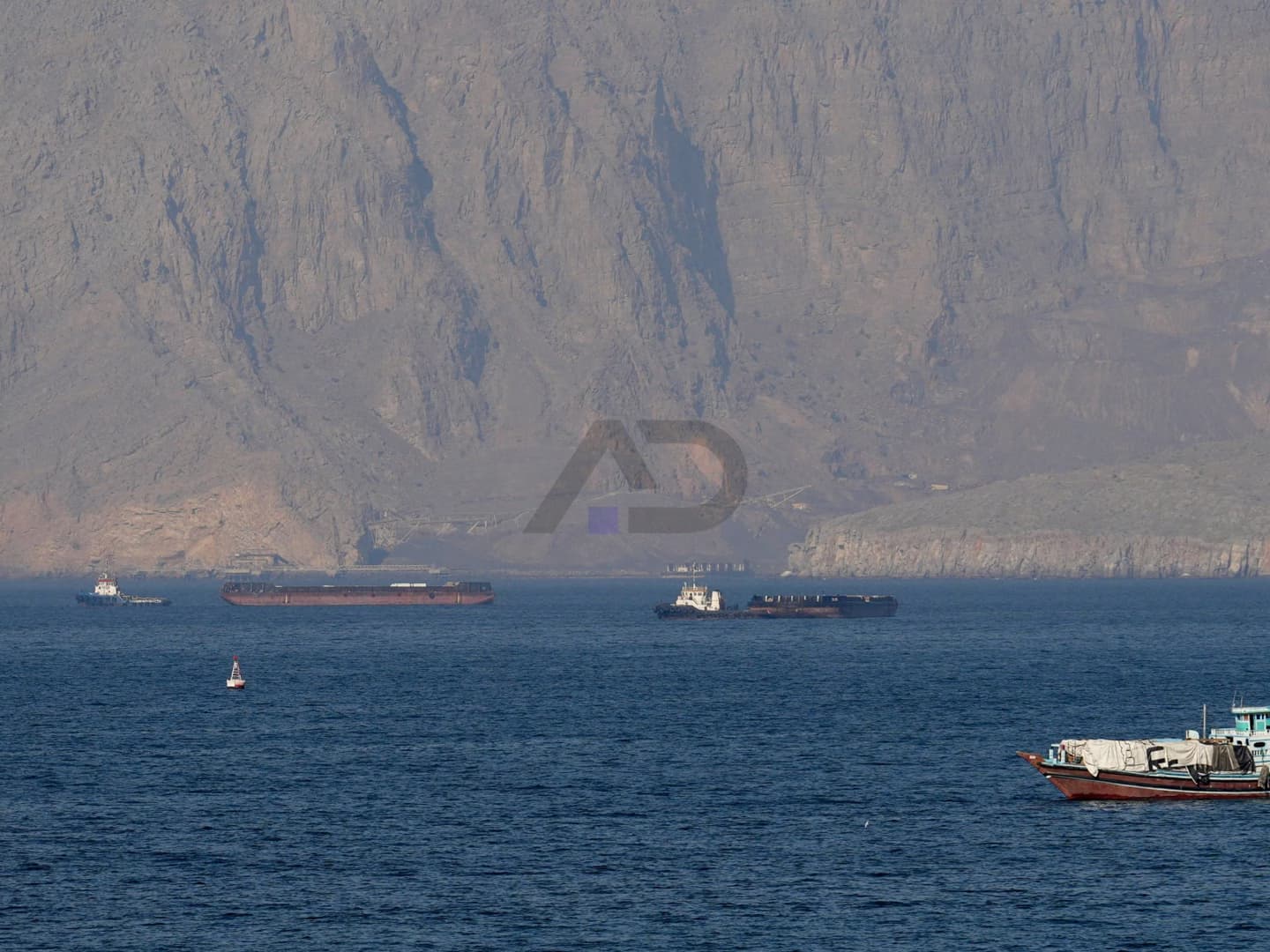
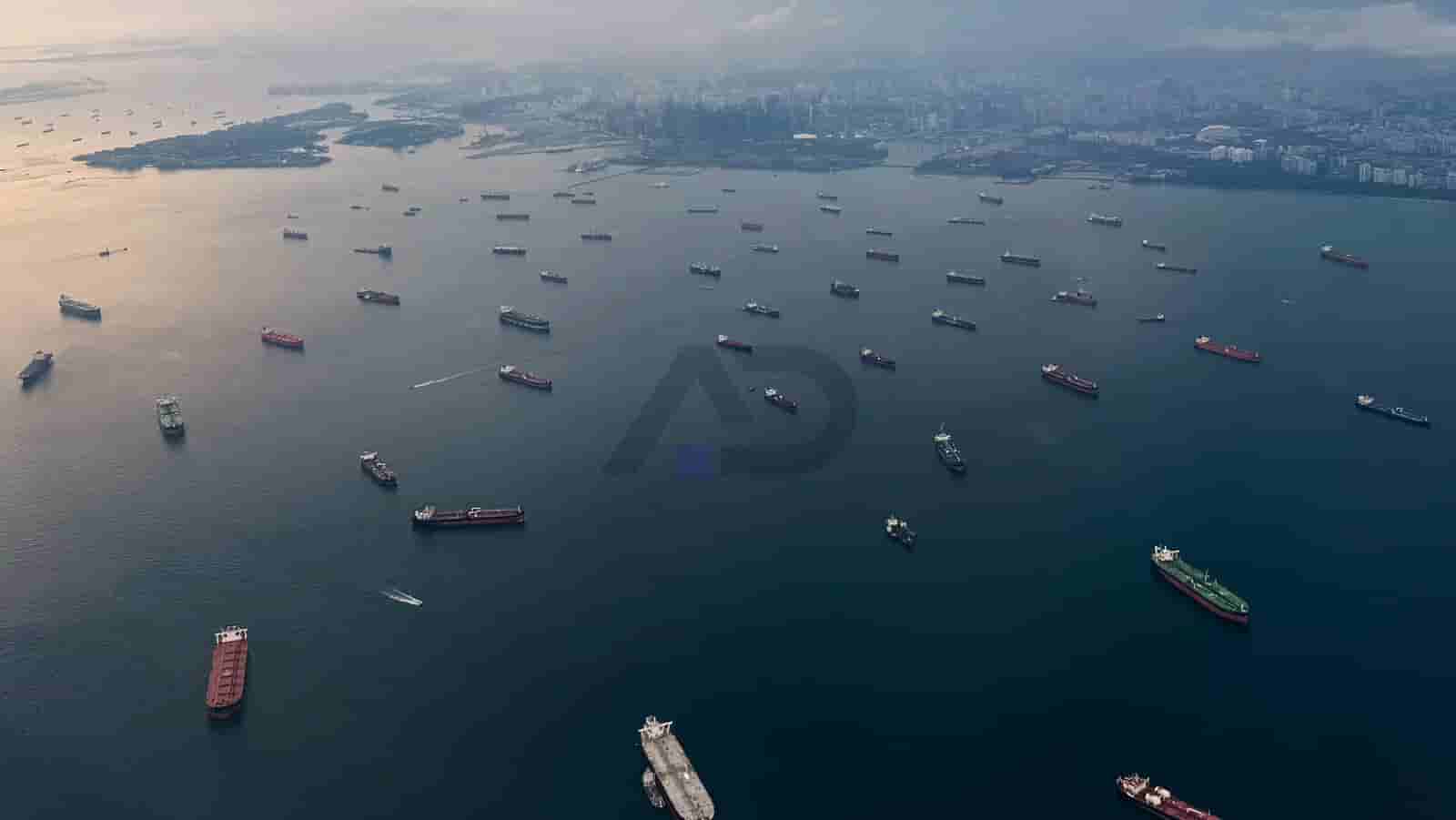
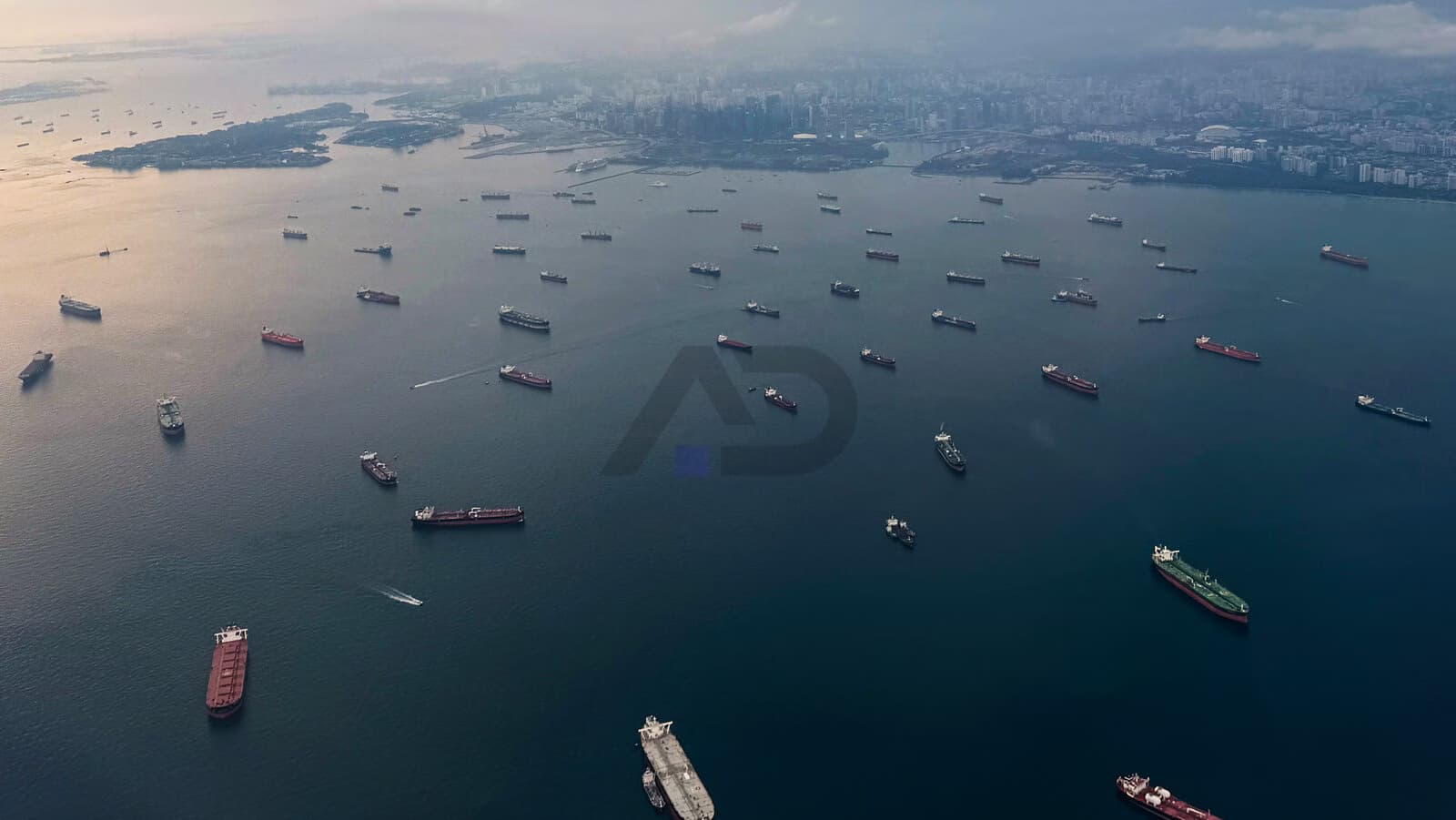
US President Donald Trump claimed that significant progress has been made in negotiations with Iran and that the deal could be approved on Friday. Trump stated that the agreement includes ending Iran's nuclear program, opening the Strait of Hormuz to all ships free of charge, and allowing the US to locate and destroy highly enriched uranium stocks. He also mentioned that access to Iran's frozen assets would be blocked and that the US would lift its naval blockade against Iran. Trump emphasized that Iran must accept that it will never possess nuclear weapons.
However, Iranian officials took a cautious stance toward Trump's statements. Iranian Foreign Ministry Spokesman Ismail Bekayi said that message exchanges between the parties continue but no definite agreement has been reached yet. The semi-official Tasnim News Agency reported that the nuclear issue was not discussed in the negotiations and expressed skepticism about Trump's claims that the US blockade in the Strait of Hormuz would be lifted. Fars News Agency described Trump's statements as a mix of truths and lies and argued that provisions such as free passage through the Strait of Hormuz or uranium destruction are not included in any possible agreement.
Iran's chief negotiator Mohammad Baqer Qalibaf stated that actions, not guarantees, are reliable and said they are ready for new conflicts if talks to extend the ceasefire and end the war fail. US Vice President JD Vance also implied that the deal is close. Meanwhile, senior Iranian officials emphasized that the country does not plan to send uranium stocks abroad.
Israel's position remains uncertain. Iranian Foreign Ministry Spokesman Bekayi argued that the silence and indifference of international institutions could make Israel more aggressive. Trump also demanded that countries involved in the negotiations with Iran be included in the Abraham Accords. This call covers countries like Turkey, Saudi Arabia, Qatar, and Pakistan, but it was noted that some countries might have reasons not to join the agreement.