- BIST10011,702+2.38%
- USD49.55+0.21%
- EUR55.57-0.09%
- GOLD4,137.20-0.55%
- INTEREST37.00%-1.00
- BITCOIN81,558-0.35%
- October 20, 202613°
- BIST10011,702+2.38%
- USD49.55+0.21%
- EUR55.57-0.09%
- GOLD4,137.20-0.55%
- INTEREST37.00%-1.00
- BITCOIN81,558-0.35%
- October 20, 202613°
Turkish woman protected from removal to Türkiye was deported to Central African Republic
A 28-year-old Turkish woman who won protection from being sent back to Türkiye over fears of persecution was instead deported by the US to the Central African Republic, a country she had never visited, CNN reported.
Ally Daily Editorial DeskUpdated:
A 28-year-old Turkish woman who was granted protection in the United States against being returned to Türkiye was deported to the Central African Republic, a country she had never been to, CNN reported. The woman, identified by the pseudonym "Aylin," said she feared threats and persecution in Türkiye because of her sexual orientation.
An immigration judge granted Aylin "withholding of removal," recognizing the danger she faced in Türkiye. Her asylum claim, however, was rejected under a Biden-era border policy that restricted eligibility for many migrants who crossed outside official pathways. A federal judge has since struck that policy down.
She learned her destination mid-flight

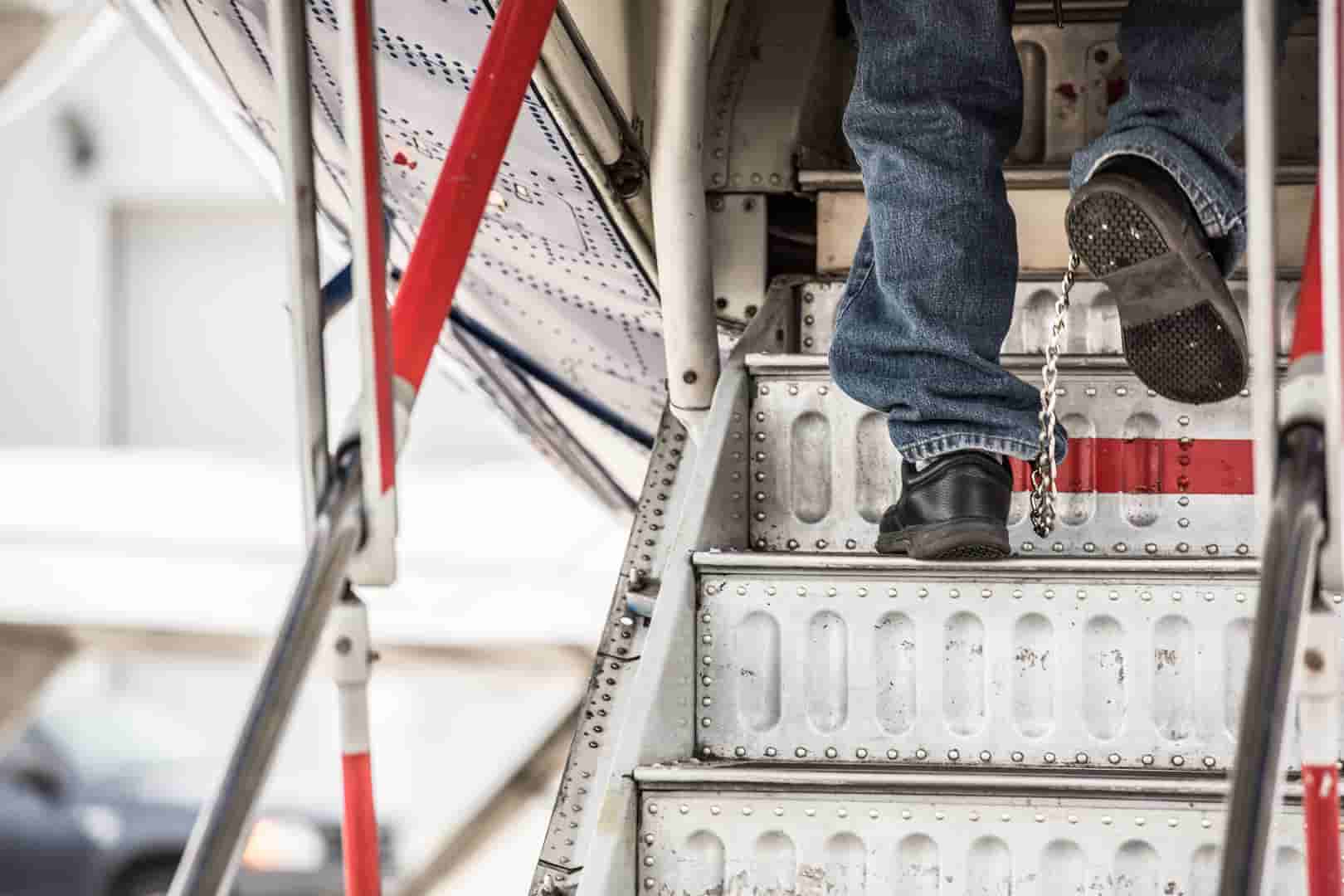
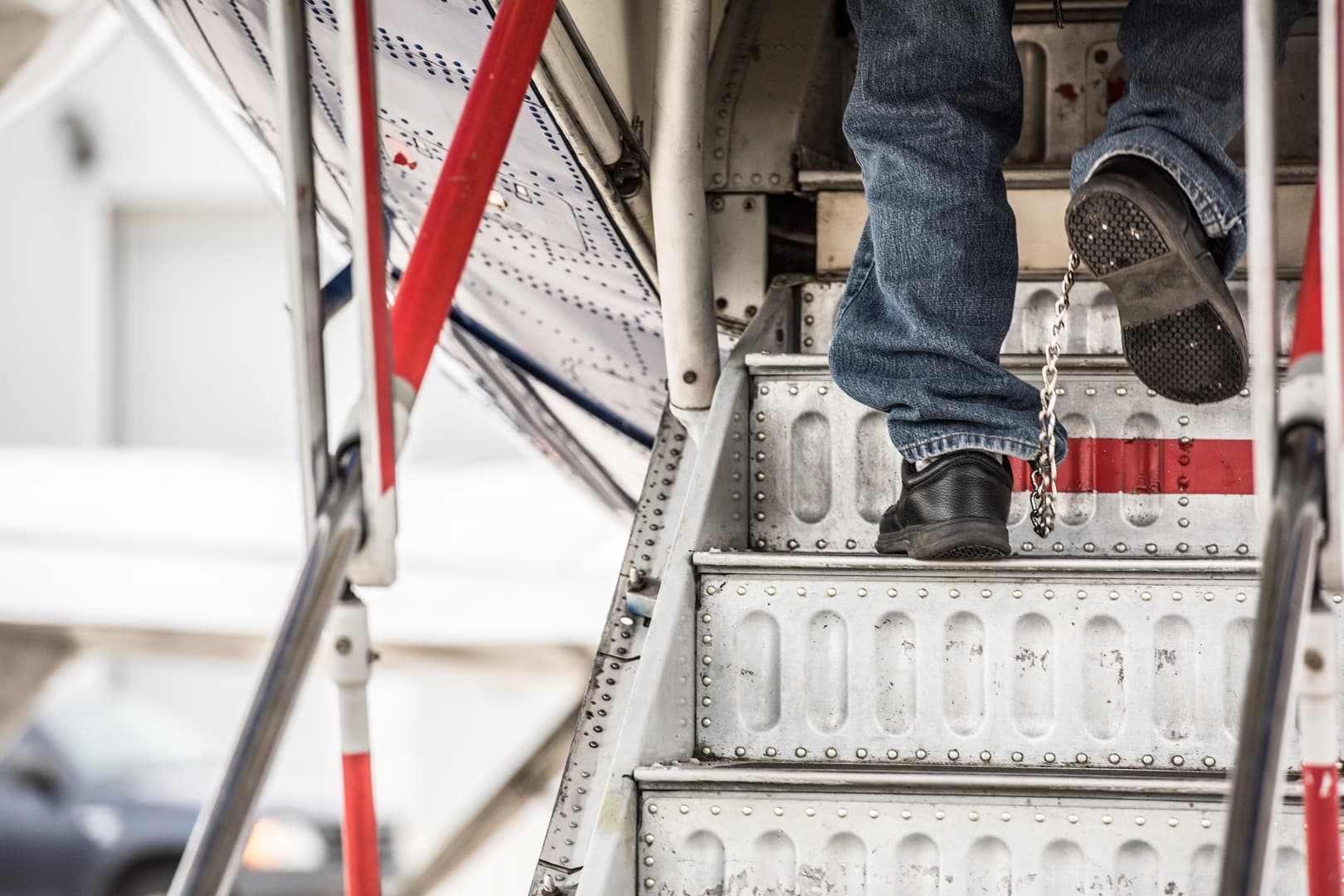
After about 18 months in ICE detention, Aylin said she was shackled and put on a deportation flight in July 2026 without being told where she was going. She learned midway through the flight that she was being sent to the Central African Republic, landing in the capital, Bangui. After spending weeks there, she chose to return voluntarily to Türkiye rather than remain indefinitely in the country.
Withholding of removal bars the government from sending a person to the country where their life or freedom would be threatened, but it does not prevent removal to a third country. Unlike asylum, it also does not lead to permanent residency in the US.
According to the nonprofit initiative Third Country Deportation Watch, the Trump administration has signed at least 35 agreements with countries in Africa, Latin America and elsewhere to accept deportees. Legal challenges to the policy are ongoing.
Stay Updated with Ally Daily
Subscribe to be informed about special news, developments and announcements. We will keep you informed.
By signing up, you agree to our Privacy Policy