- BIST10011,661-1.54%
- USD50.39+0.22%
- EUR55.50-0.19%
- GOLD3,856.90-0.19%
- INTEREST36.00%-1.00
- BITCOIN64,929+0.15%
- November 18, 202610°
- BIST10011,661-1.54%
- USD50.39+0.22%
- EUR55.50-0.19%
- GOLD3,856.90-0.19%
- INTEREST36.00%-1.00
- BITCOIN64,929+0.15%
- November 18, 202610°
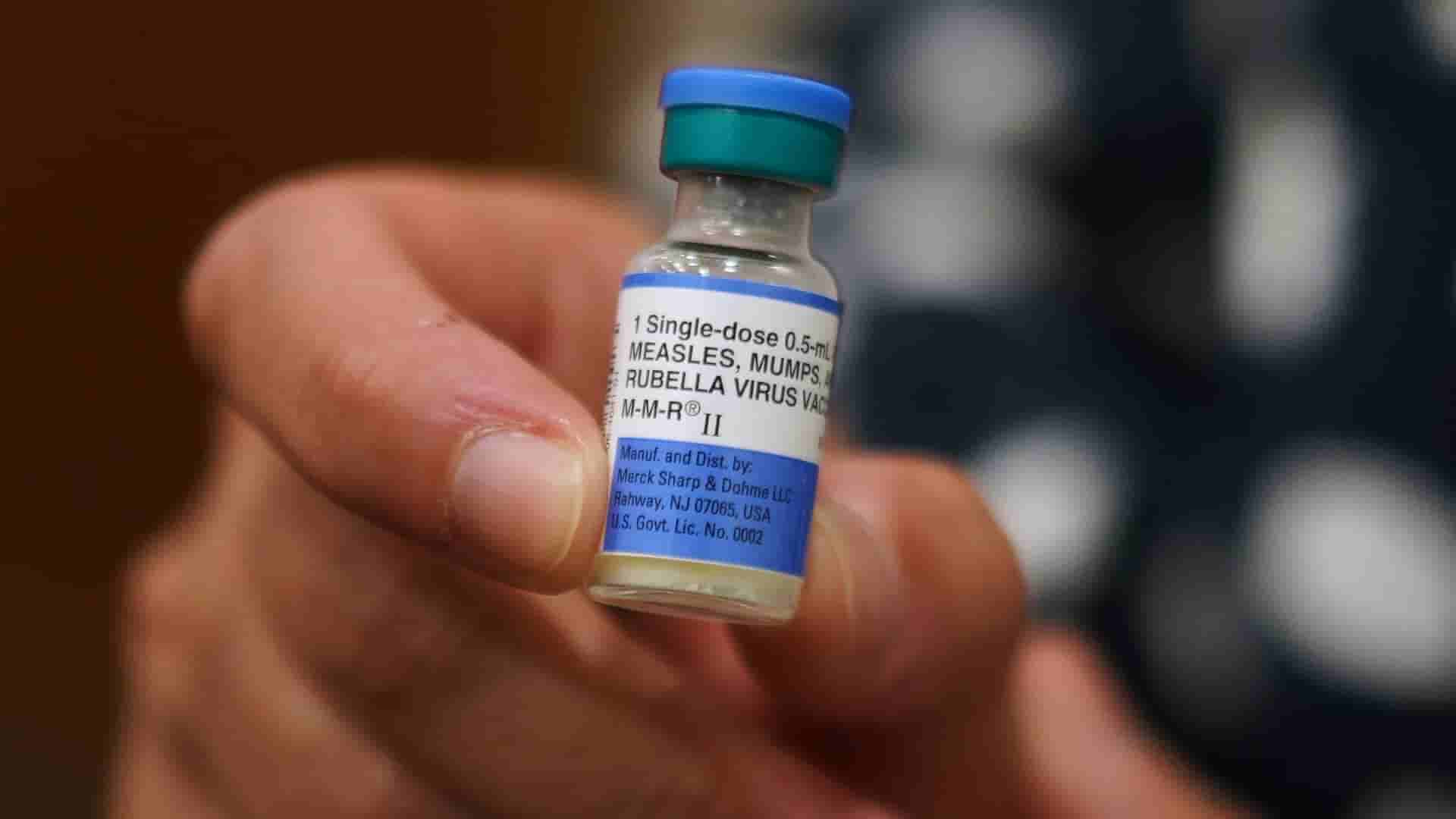
U.S. babies are being born with measles: 13 cases reported since 2025
CDC scientists counted 13 cases of congenital measles, in which a mother passes the virus to her baby in the womb, from January 2025 through September 2026. Doctors call it a new phenomenon in the U.S. and blame falling vaccination rates.


For the first time in decades, American doctors are seeing babies born with measles. Thirteen congenital measles cases were reported to the Centers for Disease Control and Prevention during large outbreaks from the start of 2025 through the end of September 2026, according to preliminary figures published Monday, The Associated Press reported.
Congenital measles happens when a pregnant woman passes the virus to her fetus. It can cause serious complications for newborns and can be deadly. "This is a brand new phenomenon," said Michael Osterholm, who directs the University of Minnesota's Center for Infectious Disease Research and Policy (CIDRAP).
112 measles cases during pregnancy
The figures come from a public health alert written by CDC scientists and published by the journal NEJM Evidence in partnership with CIDRAP. The alert also counted 112 confirmed measles cases during pregnancy, almost all among women who had not been vaccinated or whose vaccination status was unknown.
Doctors say a generation of women of childbearing age has neither been vaccinated nor exposed to the virus. "What's happening is we have so many women of childbearing age who were not vaccinated in the last 25 years, nor have they ever had exposure to measles because for the last 25 years we have beaten it back," Osterholm said.
Pennsylvania, which has the nation's largest outbreak, warned health providers last month about measles in pregnancy, and the American Academy of Pediatrics has issued guidance to doctors. If a woman catches measles shortly before delivery, an estimated 25% to 30% of babies may become infected, the academy says. Severe complications include pneumonia, encephalitis and SSPE, a rare brain disorder that can appear years later and is almost always fatal.
Vaccination below the safe threshold
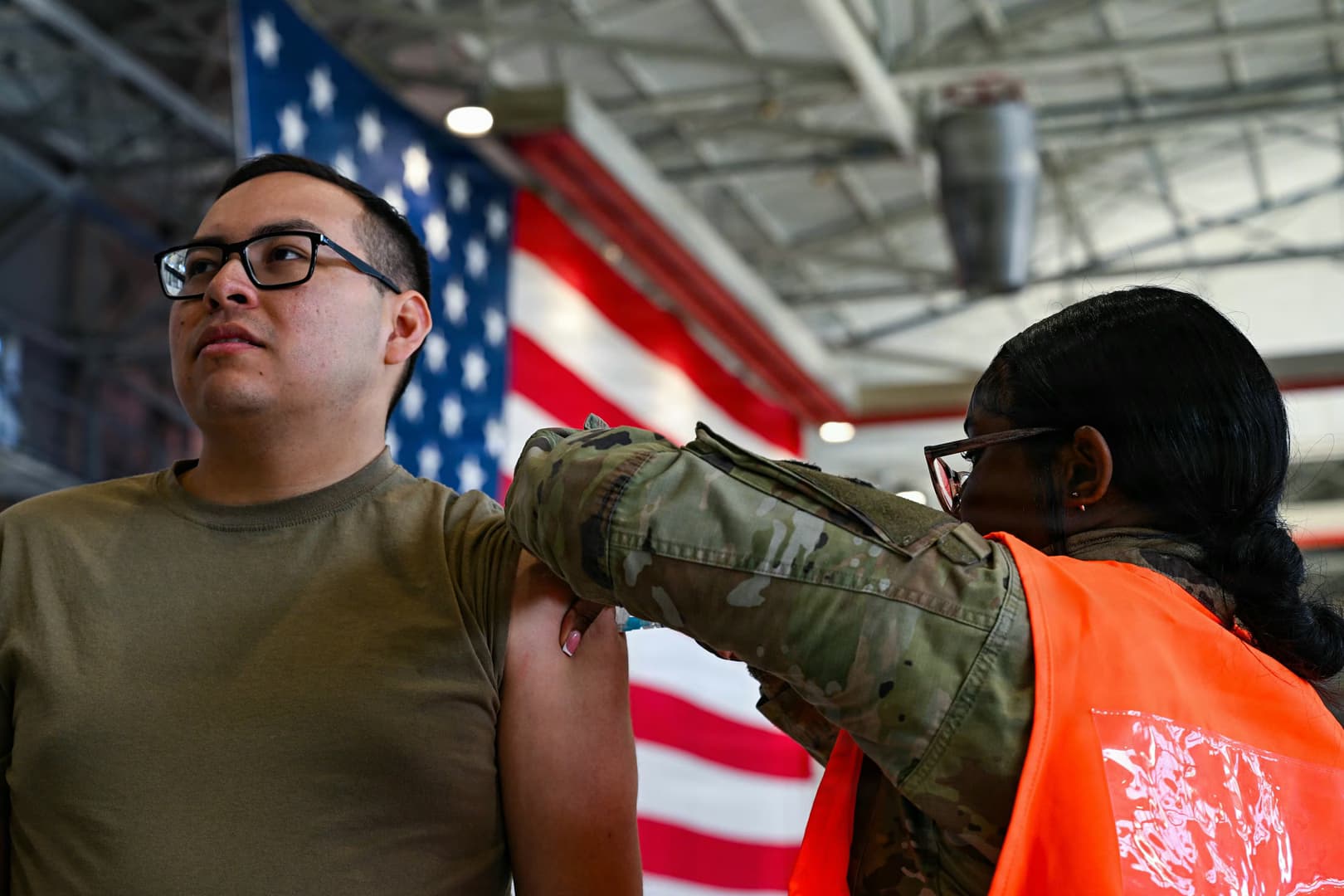
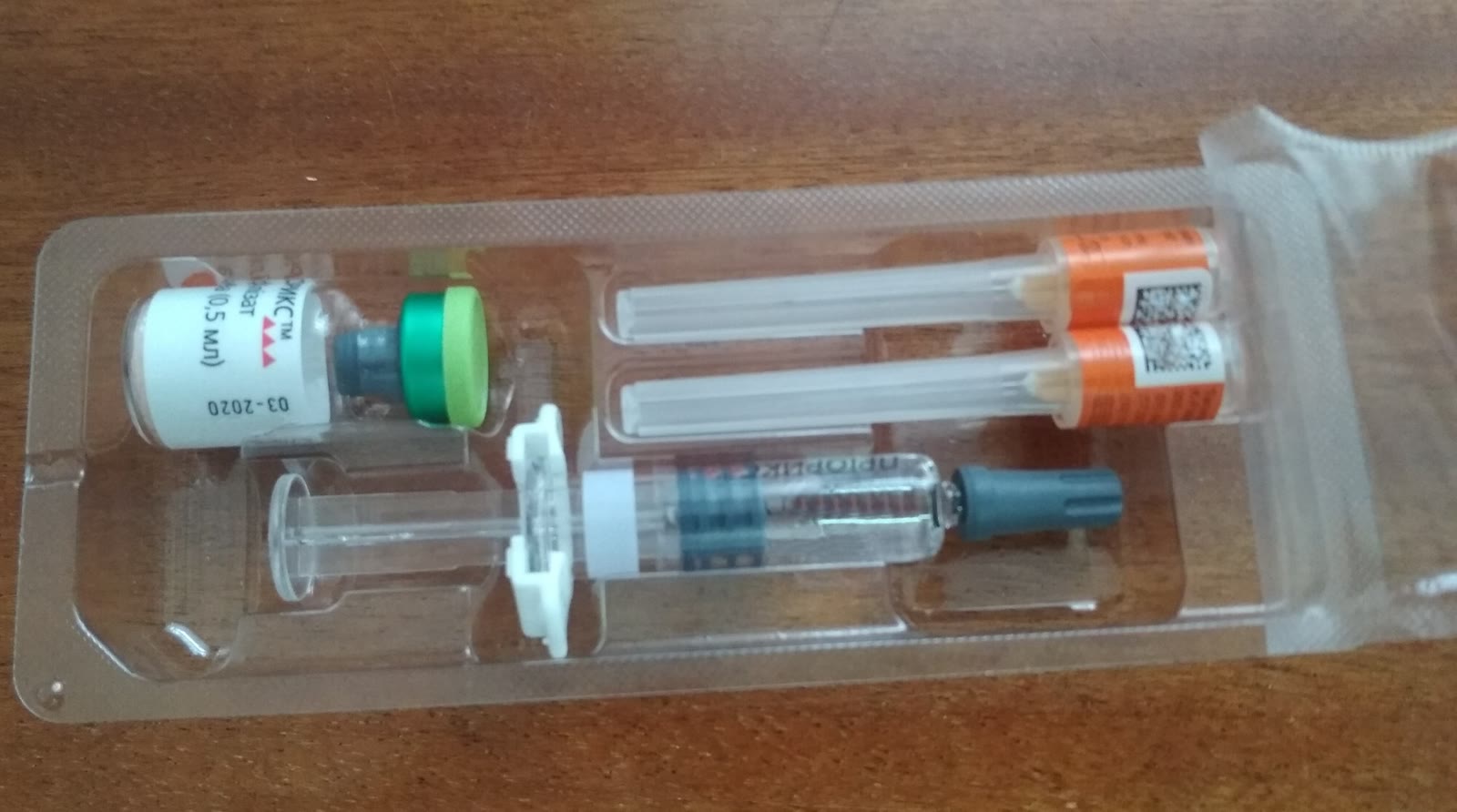
The best protection is the measles, mumps and rubella (MMR) vaccine before pregnancy, because the shot cannot be given to pregnant women. Antibodies from a vaccinated mother pass to the baby through the placenta and can protect it for a few months after birth. Babies normally get their first dose at 12 to 15 months.
Outbreaks are considered unlikely when 95% of a community is vaccinated, but nationally 92.4% of kindergartners received the required MMR shots in the 2025-26 school year, the CDC said. The agency has recorded more than 7,500 measles cases over the past two years, and the spread has cost the United States the measles-elimination status it had held since 2000. "We're now seeing levels of measles that we haven't seen in 30 years," said Dr. Adam Ratner, a member of the American Academy of Pediatrics' infectious diseases committee.
Cover image: NIAID. Photos: CDC/James Gathany; Wikimedia Commons.
Stay Updated with Ally Daily
Subscribe to be informed about special news, developments and announcements. We will keep you informed.
By signing up, you agree to our Privacy Policy