- BIST10011,908+0.55%
- USD50.28+0.05%
- EUR55.60-0.24%
- GOLD3,872.60-0.35%
- INTEREST36.00%-1.00
- BITCOIN64,570-1.14%
- November 16, 20262°
- BIST10011,908+0.55%
- USD50.28+0.05%
- EUR55.60-0.24%
- GOLD3,872.60-0.35%
- INTEREST36.00%-1.00
- BITCOIN64,570-1.14%
- November 16, 20262°
US loses measles-elimination status for the first time since 2000 as cases top 5,400
The Pan American Health Organization has revoked the United States' measles-elimination status after a year of unbroken spread, according to The Wall Street Journal and CNN. The decision came on the same day Pennsylvania and Wisconsin reported new measles deaths.
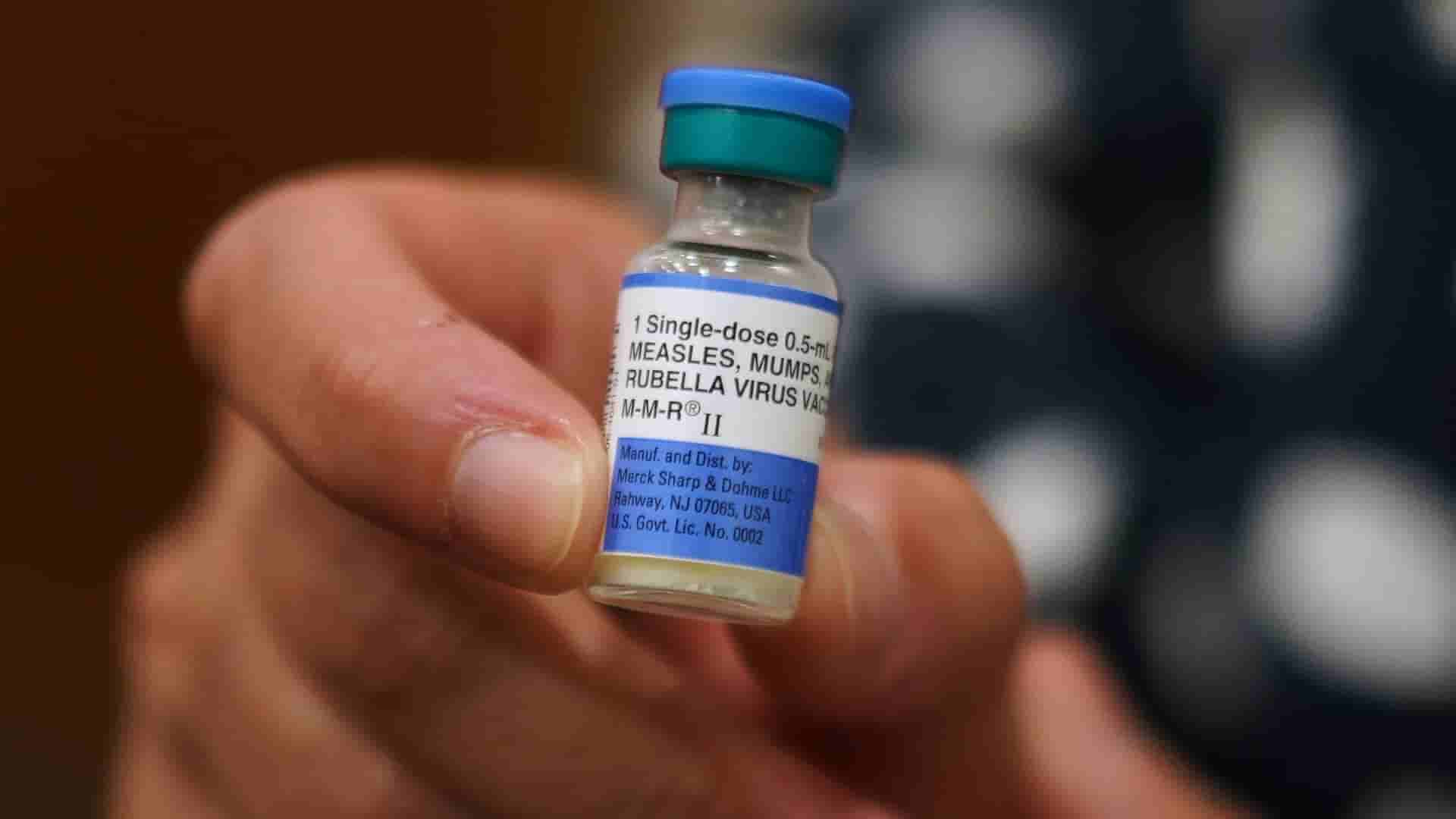
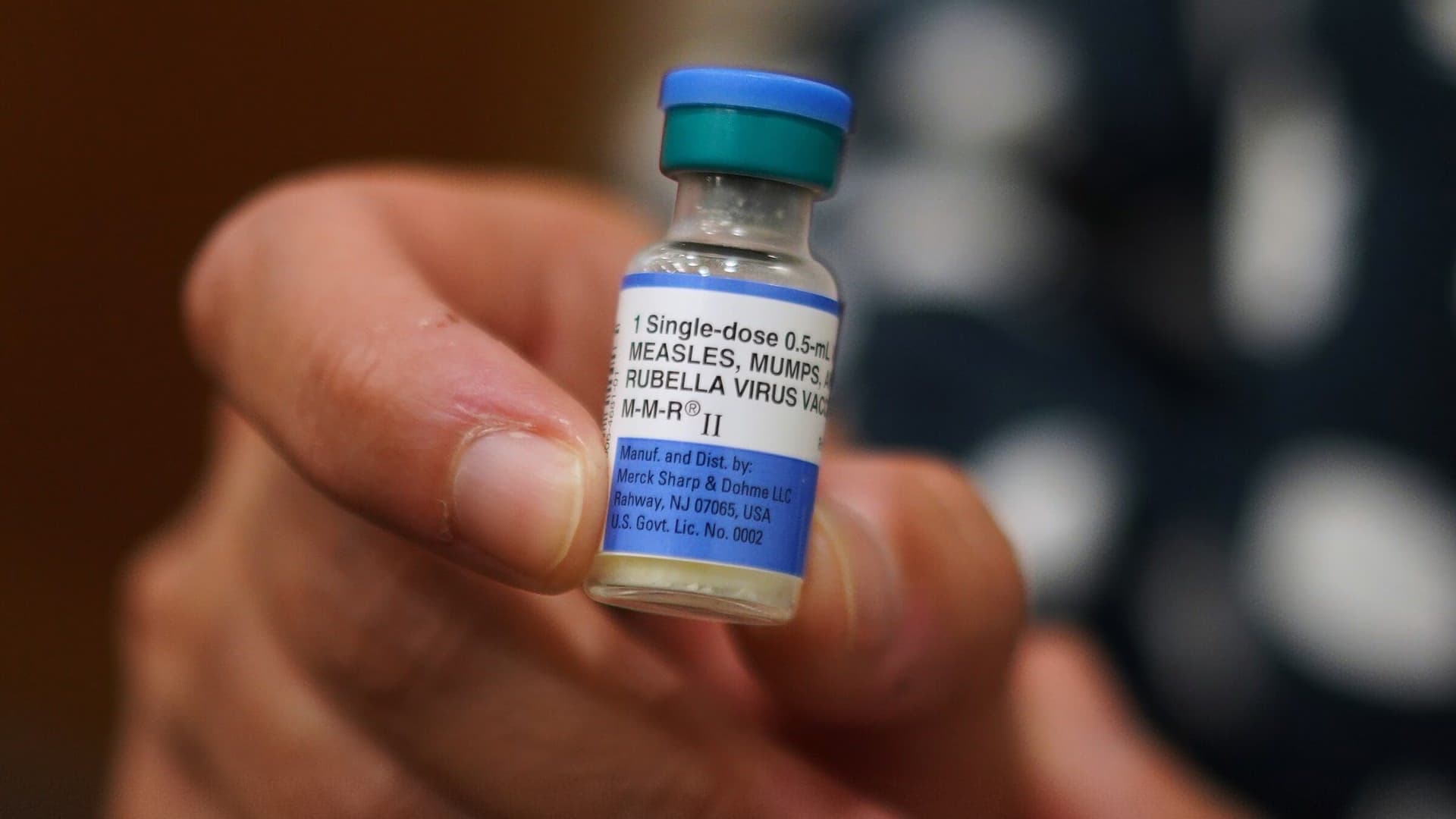
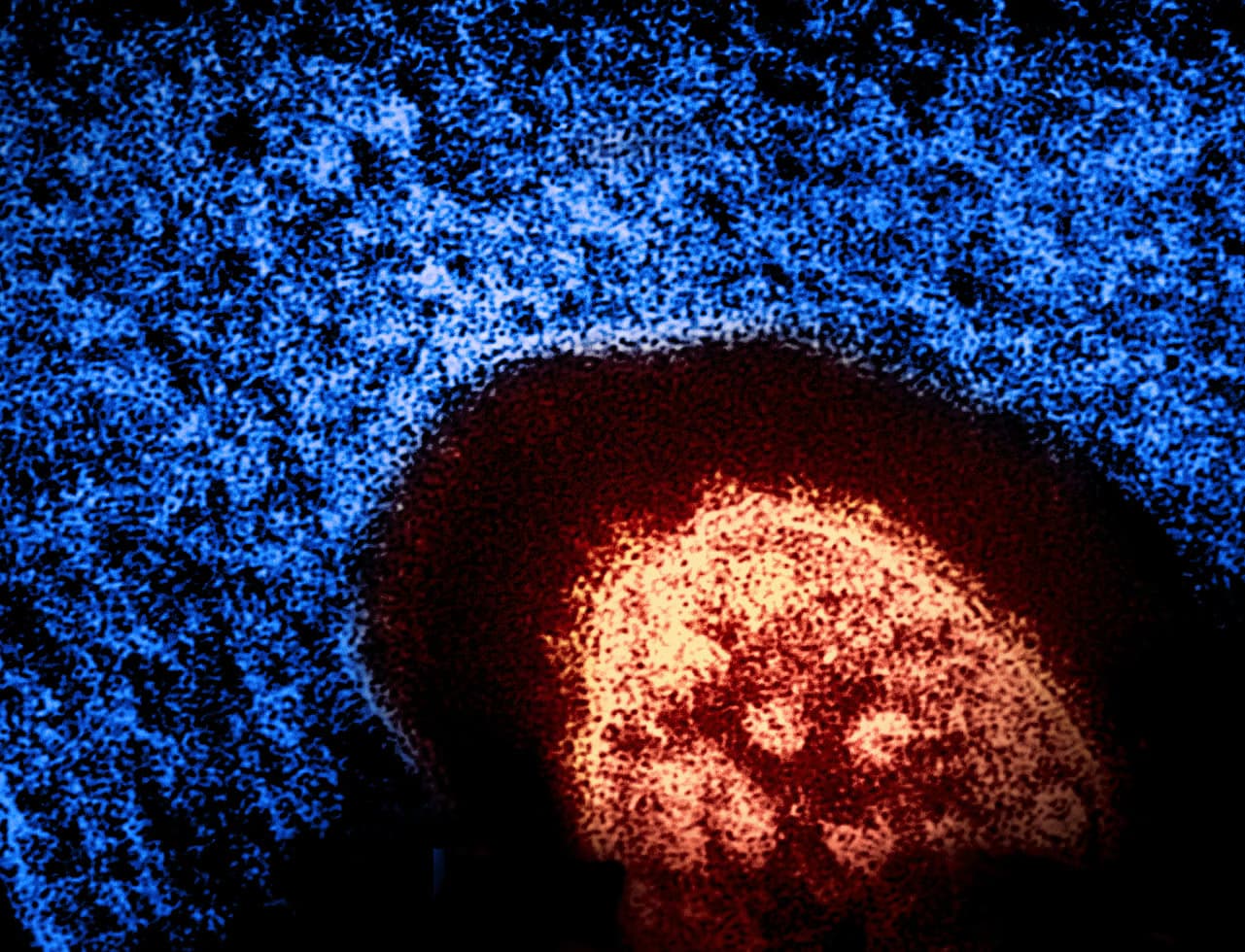
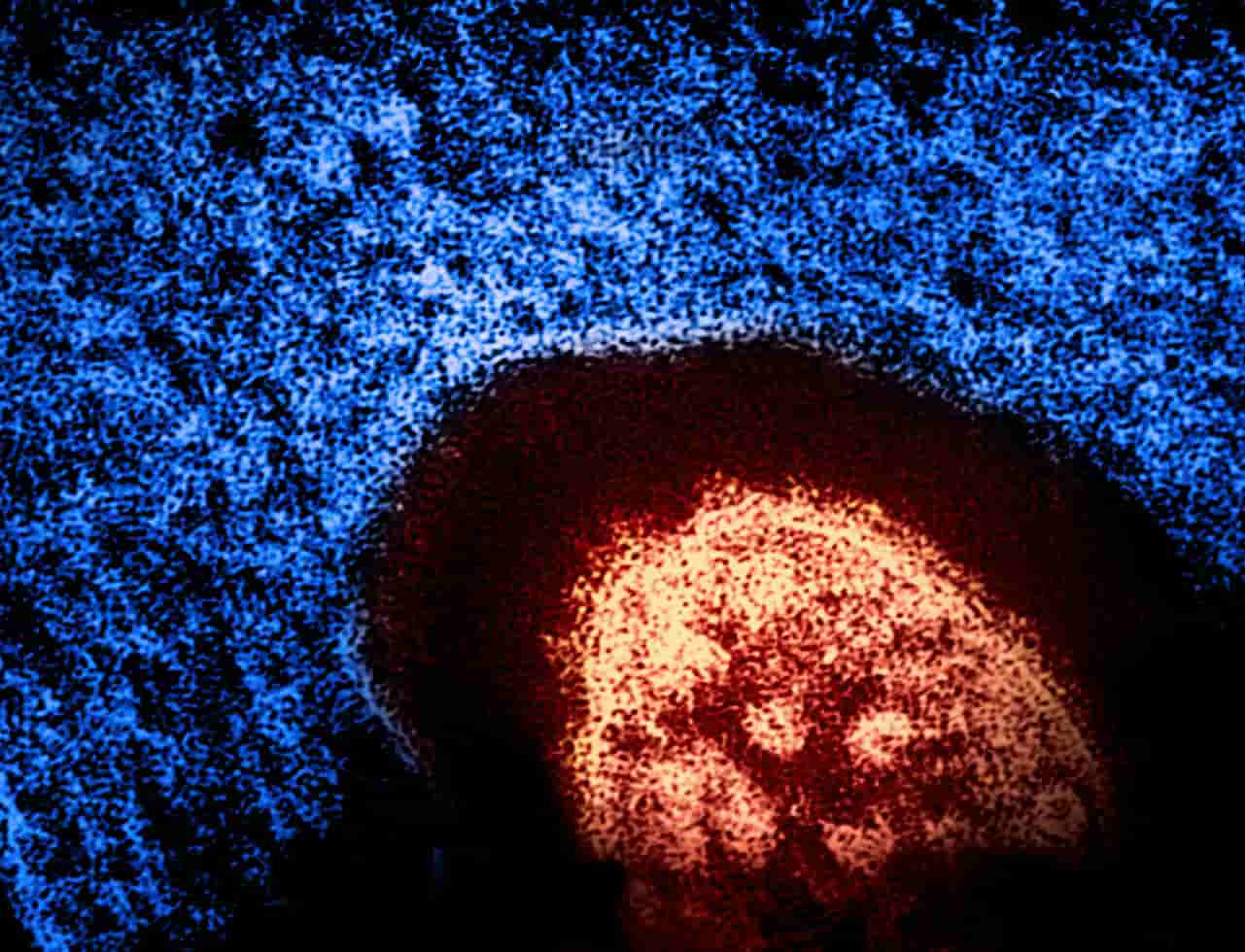
The United States has lost the measles-elimination status it held since 2000, ending a 26-year run. The Wall Street Journal first reported the decision Friday, citing people familiar with the matter, and Reuters said the Pan American Health Organization (PAHO) revoked the status after finding the country had failed to stop continuous transmission of the virus.
An independent commission of experts that reports to PAHO's director determined that the U.S. no longer qualified, a source close to the process told CNN. PAHO and the Centers for Disease Control and Prevention (CDC) were not immediately available for comment Friday evening, Bloomberg reported.
Record cases, falling vaccination
The CDC has confirmed 5,412 measles cases in 45 states so far in 2026, the highest number since 1991 and more than double last year's total. From 2000 to 2024, the country averaged about 180 cases a year. Nearly all of this year's patients were unvaccinated or had an unknown vaccination status, and roughly one in nine has been hospitalized.
Childhood vaccination against measles, mumps and rubella has fallen to 92.4%, according to the Journal, below the roughly 95% level that experts say is needed to keep outbreaks from spreading. About 300,000 kindergartners started school this year without the shot, ABC News reported.
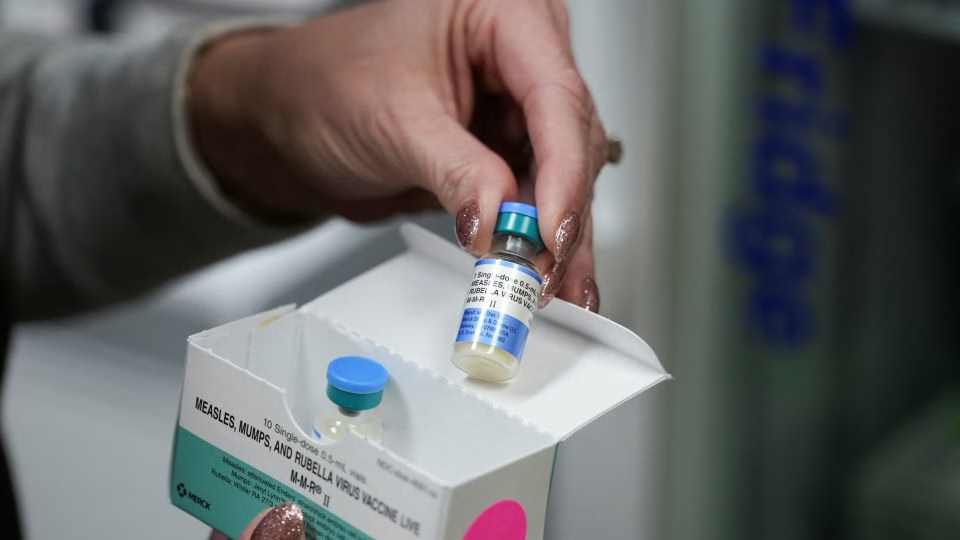
A country loses elimination status when the same strain of measles spreads from person to person for at least 12 months. Utah's outbreak, which began in June 2025 and has infected more than 700 people, met that test, according to Bloomberg. Large outbreaks have also hit Pennsylvania, South Carolina, Wisconsin and New York. Canada lost its own status a year ago.
Deaths rise to 10
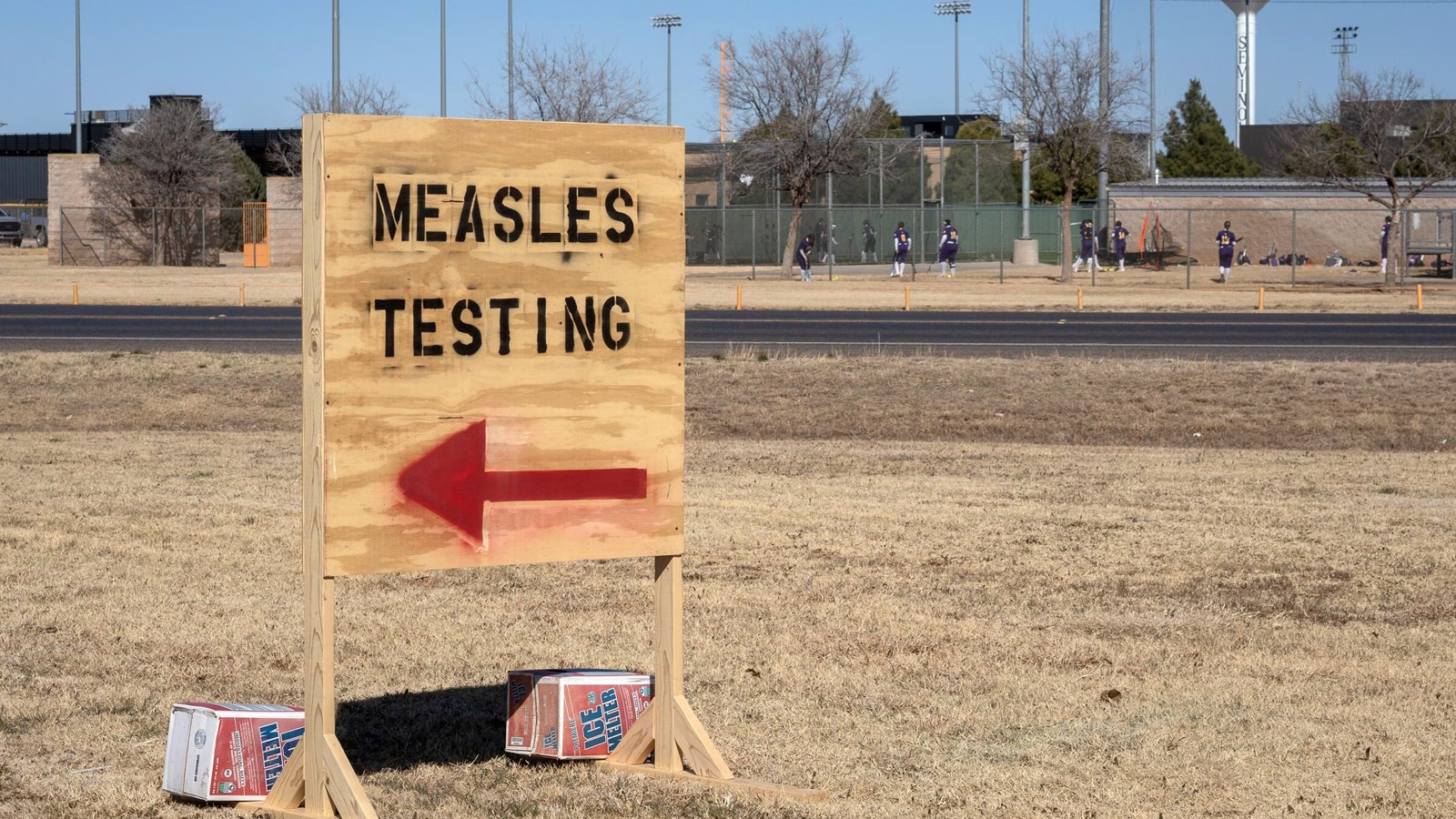
Pennsylvania and Wisconsin each reported a new measles-associated death on Friday, Reuters reported. That brings this year's toll in state reports to 10: seven in Pennsylvania, two in Wisconsin and one in New York. Pennsylvania's outbreak, the largest in the country, has passed 1,500 cases since April.
"Losing elimination status means that we are less prepared as a nation to address infectious and non-infectious disease challenges," said Dr. Demetre Daskalakis, a former director of the CDC's National Center for Immunization and Respiratory Diseases, according to CNN.
The decision comes as Health Secretary Robert F. Kennedy Jr. works to scale back federal vaccine recommendations, the Journal noted. CDC Director Erica Schwartz said earlier this week that the agency would not fundamentally change its measles response if the status was lost. To regain it, the U.S. must show that continuous transmission has stopped and that its disease surveillance has been strengthened.
Cover photo: AP. Photos: Reuters; Getty Images (file).
Have a story, event or announcement of your own?Send us your news on WhatsApp
Spotted an error in this story?Report it on WhatsApp
Share on all social platforms
Sponsored Ads
Featured Listings
Loading featured properties...
Stay Updated with Ally Daily
Subscribe to be informed about special news, developments and announcements. We will keep you informed.
By signing up, you agree to our Privacy Policy