- BIST10011,483+1.32%
- USD50.07+0.05%
- EUR55.96-0.52%
- GOLD4,074.90-0.94%
- INTEREST36.00%-1.00
- BITCOIN75,672-0.11%
- November 8, 20268°
- BIST10011,483+1.32%
- USD50.07+0.05%
- EUR55.96-0.52%
- GOLD4,074.90-0.94%
- INTEREST36.00%-1.00
- BITCOIN75,672-0.11%
- November 8, 20268°
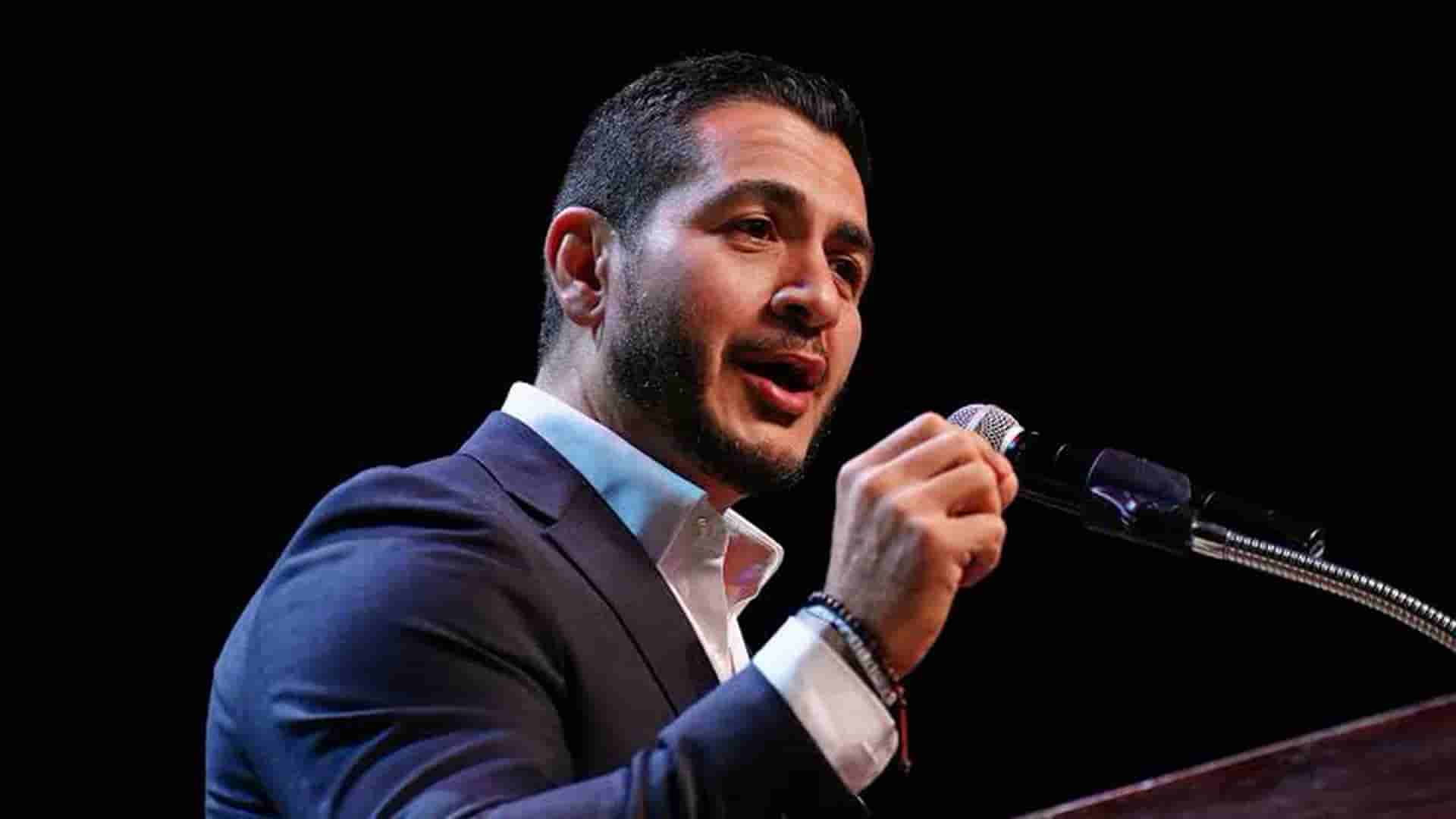
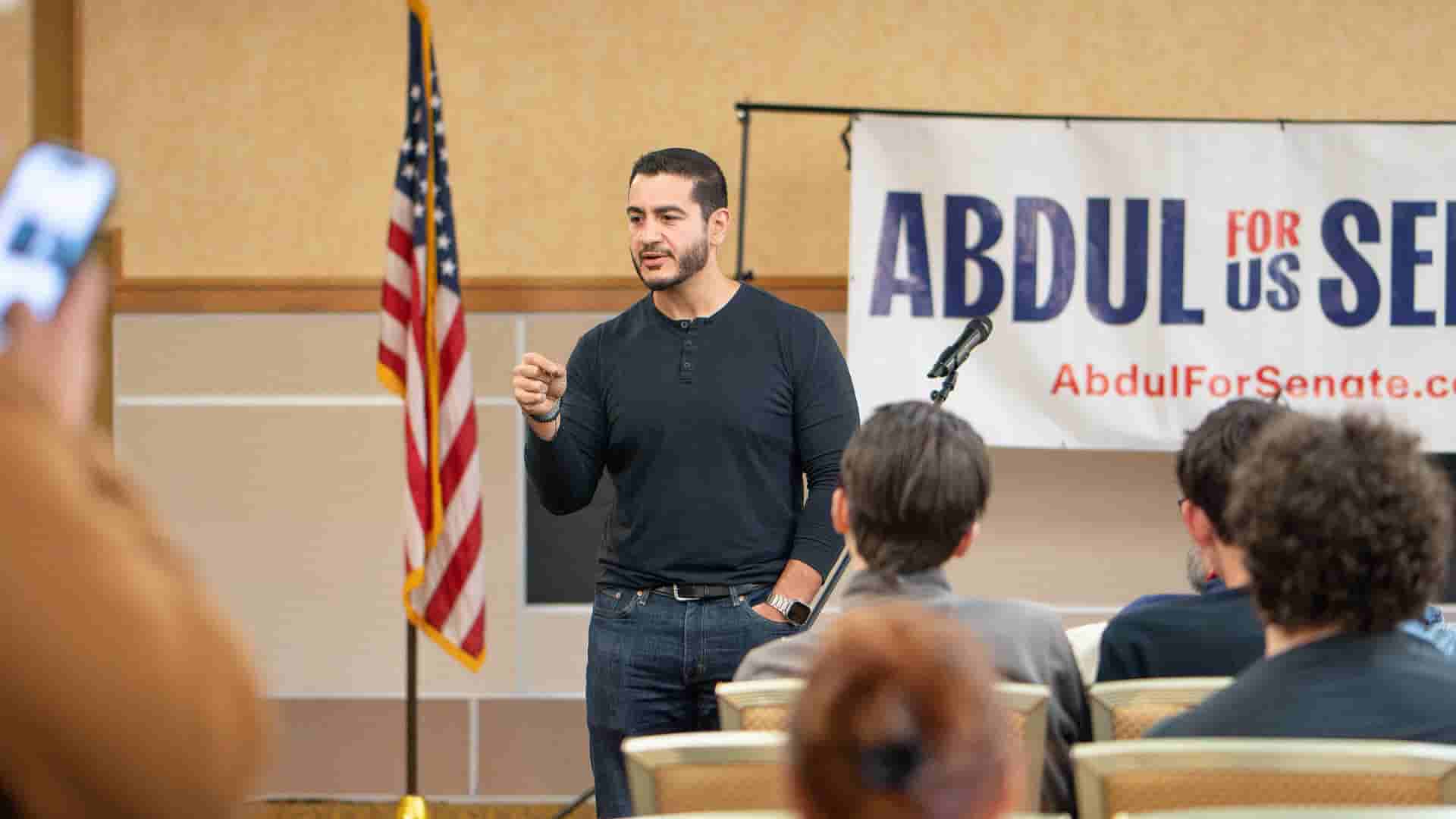
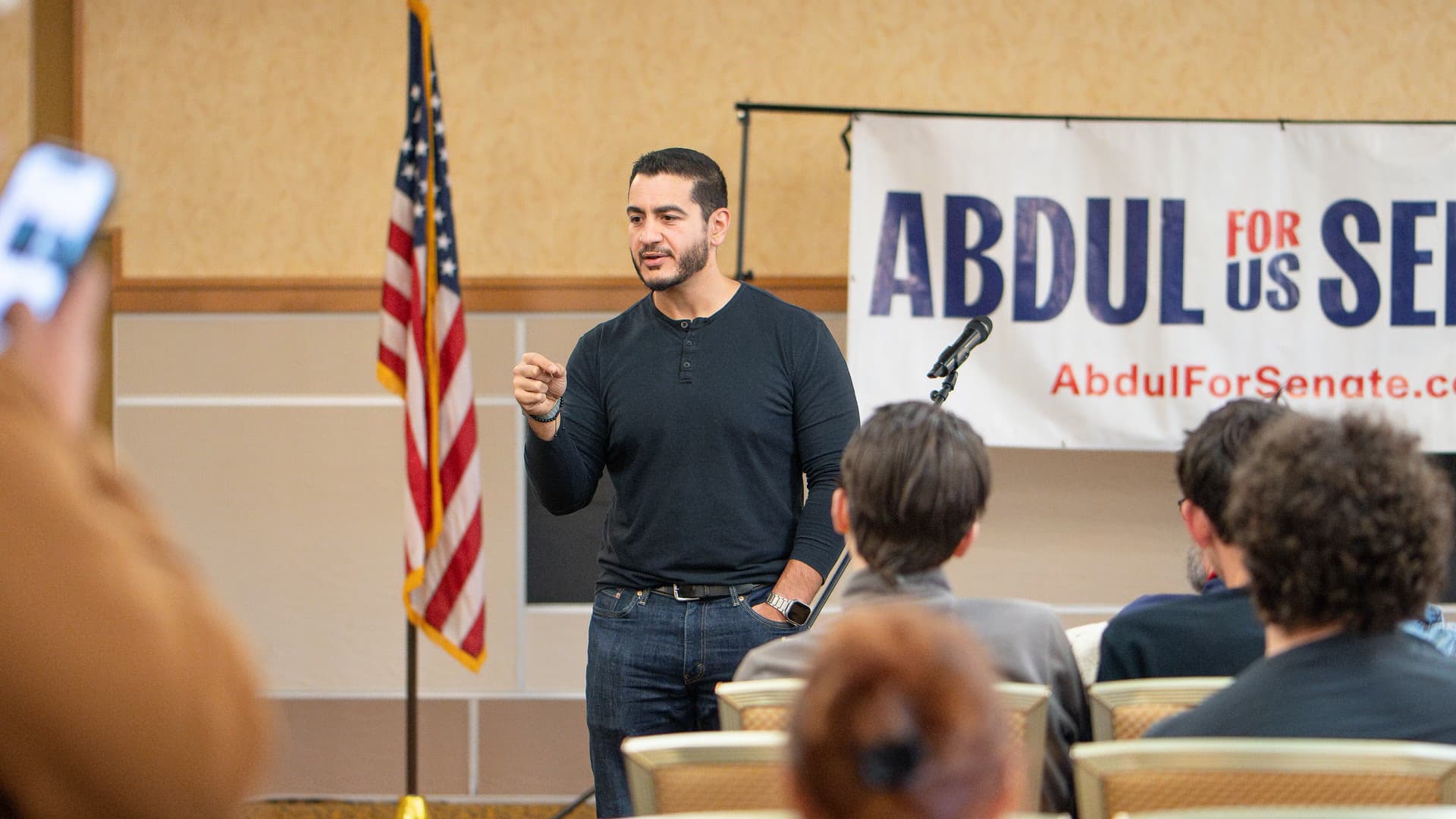
Senator-elect El-Sayed launches 'Habibi PAC' to bankroll Democratic allies
Michigan Sen.-elect Abdul El-Sayed has registered a leadership PAC called Habibi PAC with the Federal Election Commission, days after winning his Senate race. The committee, separate from his campaign, lets him raise money for fellow Democrats and extend his reach ahead of 2028.
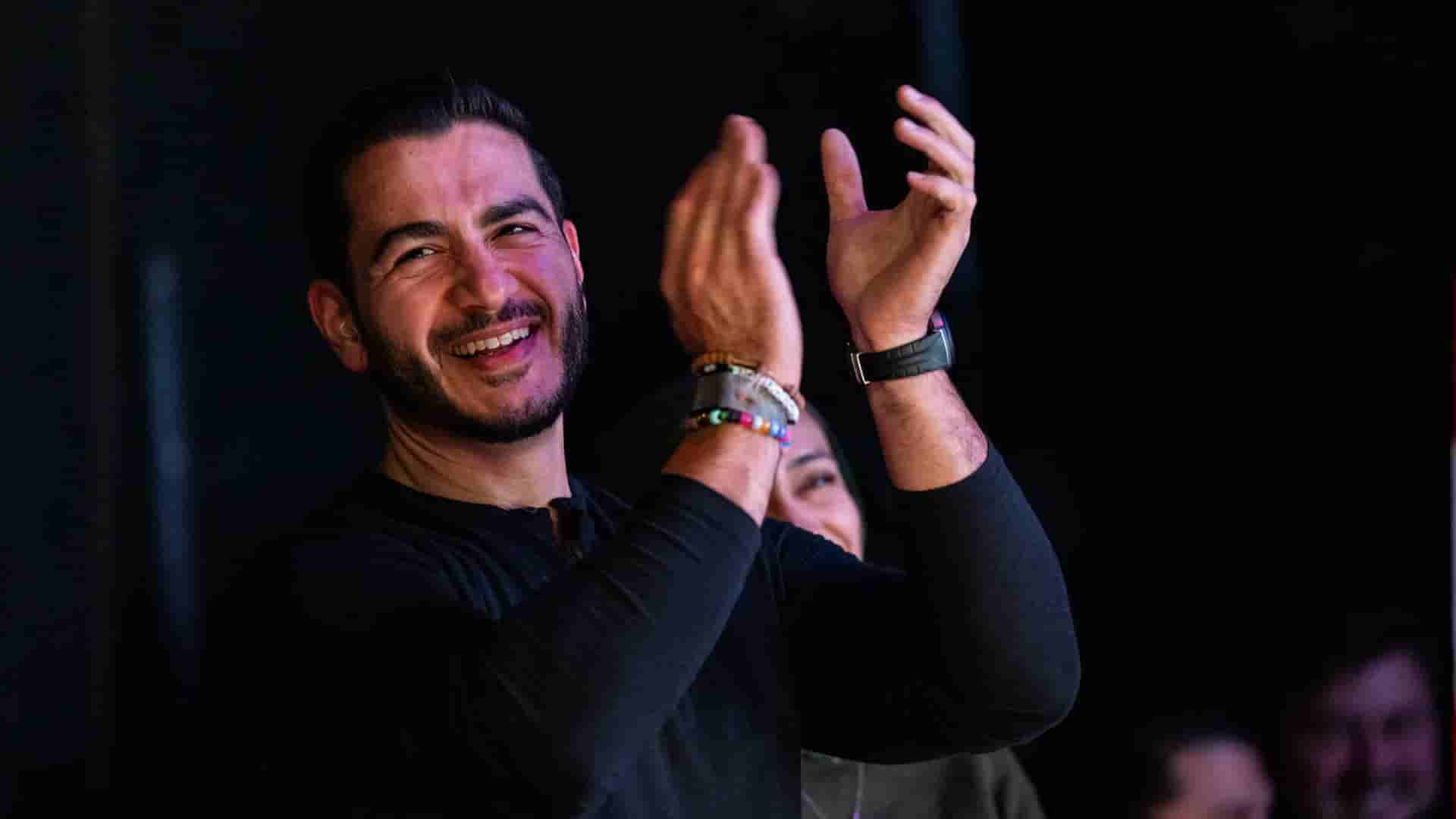
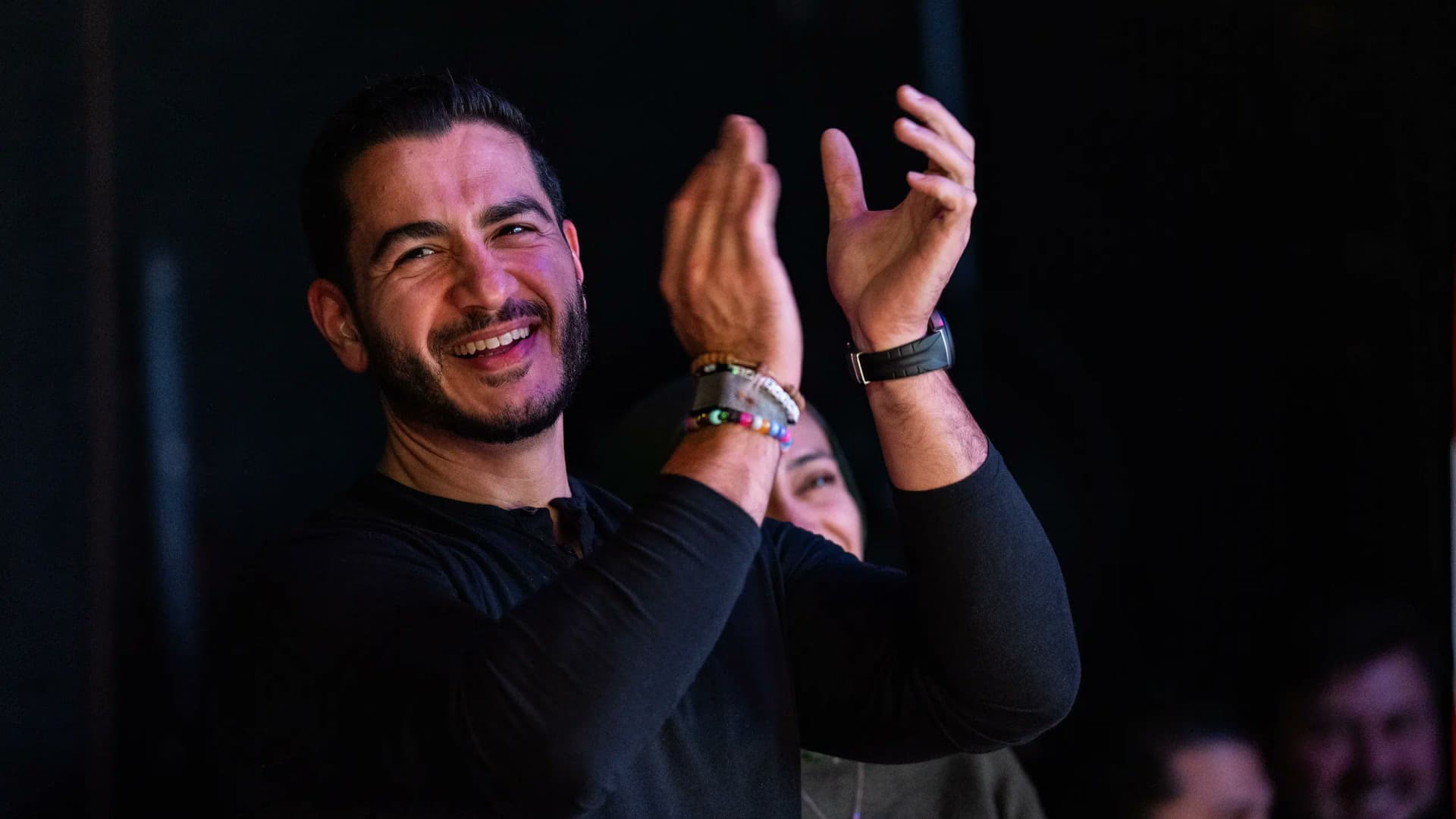
Abdul El-Sayed has not yet been sworn in, but the Michigan Democrat is already building a political operation beyond his own campaign. The senator-elect has formed a leadership political action committee called Habibi PAC, Federal Election Commission records show, just days after defeating Republican Mike Rogers in Tuesday's Senate race.
The committee's statement of organization, received by the FEC on Nov. 6, registers Habibi PAC as a leadership PAC and lists El-Sayed as its sponsoring candidate. The New Republic reported that the filing made the PAC official on Thursday. A separate amended statement of candidacy filed by El-Sayed the same day lists 2032, the year his new Senate seat is next on the ballot, as his next election.
What a leadership PAC can do
Unlike his campaign committee, a leadership PAC is not used to fund El-Sayed's own races. Under FEC rules, it is a committee "directly or indirectly established, financed, maintained or controlled" by a candidate or officeholder that is not that person's authorized campaign committee. Members of Congress commonly use such PACs to give money to other candidates, and they must stay within federal contribution limits and prohibitions.
The Hill called the new committee "the latest sign that El-Sayed aims to influence Democratic politics into the future." His win in Michigan, a key swing state for the 2028 presidential race, could give him sway over what is expected to be a large Democratic primary field as candidates court voters there, the outlet noted. The New Republic said the PAC could be "perhaps a sign of greater political ambitions." The registration does not yet show any fundraising, and El-Sayed has not publicly said which candidates the PAC will back.
From a victory-speech jab to a brand
The name comes from the Arabic word habibi, a term of endearment meaning "my beloved" that is often used more casually, which El-Sayed made a campaign catchphrase. Supporters wore "Habibi for Abdul" shirts on the trail, and he used the word to needle Vice President JD Vance in his victory speech early Wednesday. "JD, habibi, there is this delicious irony in the fact that you're constitutionally obligated to swear me in in January," he said, referring to the vice president's role in administering the oath to new senators.
El-Sayed, 42, will be the first Muslim to serve in the U.S. Senate when he succeeds retiring Democratic Sen. Gary Peters in January. He faced repeated attacks over his religion during the race: President Donald Trump called him a "jihadist" and deliberately used his middle name, Mohamed, while Rogers tried to link him to extremist groups with which he has no connection, The Hill reported. El-Sayed ran on lowering the cost of living and also took strong positions against U.S. military aid to Israel.
According to The Hill, El-Sayed adopted the playful nickname to push back on right-wing rhetoric about his faith, and he is now putting it to work raising money for future political allies.
Photo: Clash Report
Stay Updated with Ally Daily
Subscribe to be informed about special news, developments and announcements. We will keep you informed.
By signing up, you agree to our Privacy Policy