- BIST10011,908+0.55%
- USD50.28+0.05%
- EUR55.60-0.24%
- GOLD3,872.60-0.35%
- INTEREST36.00%-1.00
- BITCOIN64,570-1.14%
- November 16, 20262°
- BIST10011,908+0.55%
- USD50.28+0.05%
- EUR55.60-0.24%
- GOLD3,872.60-0.35%
- INTEREST36.00%-1.00
- BITCOIN64,570-1.14%
- November 16, 20262°
U.S. seizes $1.2 billion in Binance loot and takes down North Korea's 'FaceStealer'
The Justice Department moved against North Korea's crypto theft on two fronts Thursday, seizing or freezing more than $1.2 billion stolen from Binance and taking down servers behind a video-call scam that netted over $400 million. The FBI says even security experts fell for the scheme.
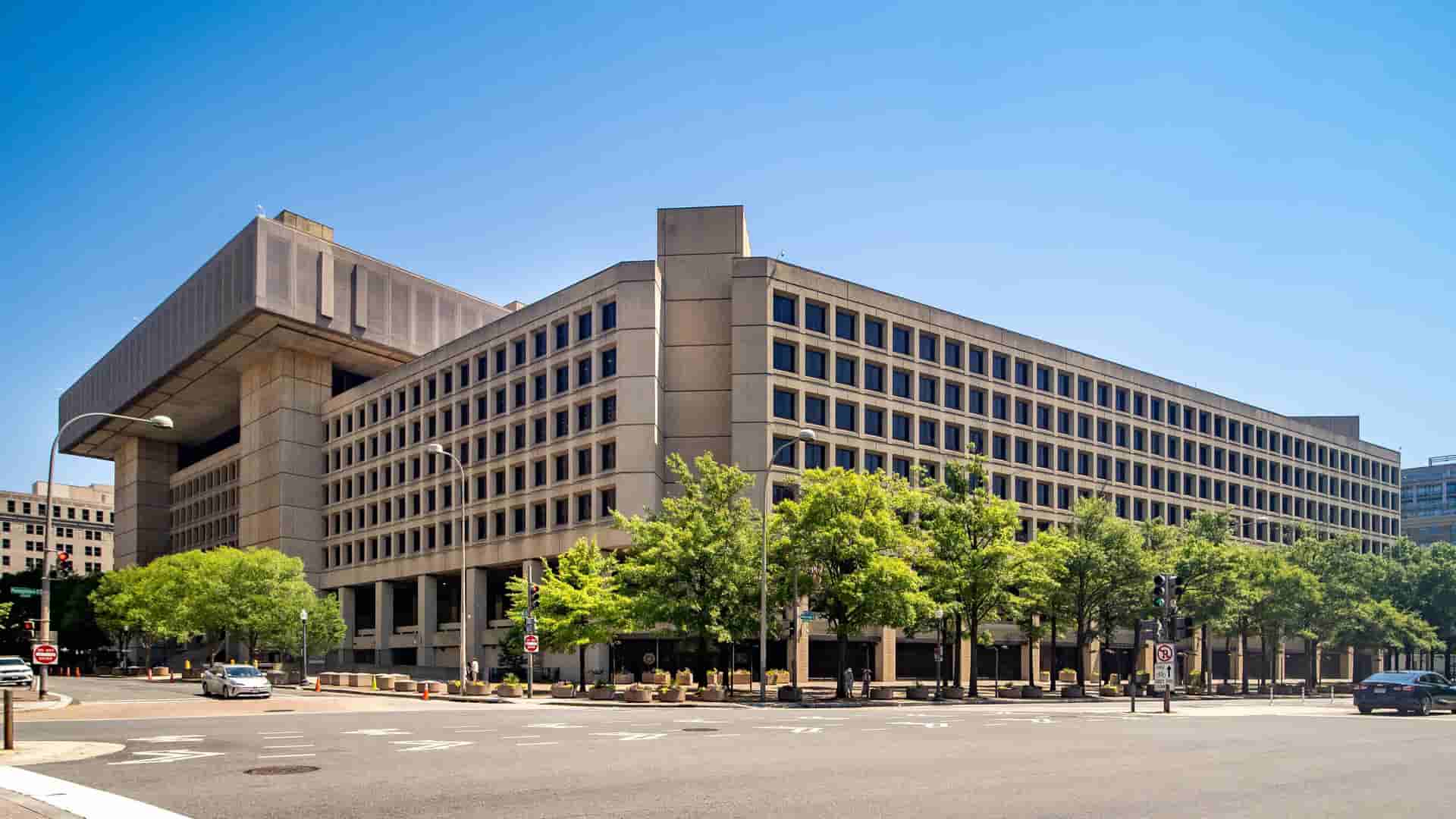
The Justice Department said Thursday it has seized or restrained more than $1.2 billion in cryptocurrency stolen from the exchange Binance and dismantled the servers behind a North Korean video-call scam that took more than $400 million over the past 18 months.
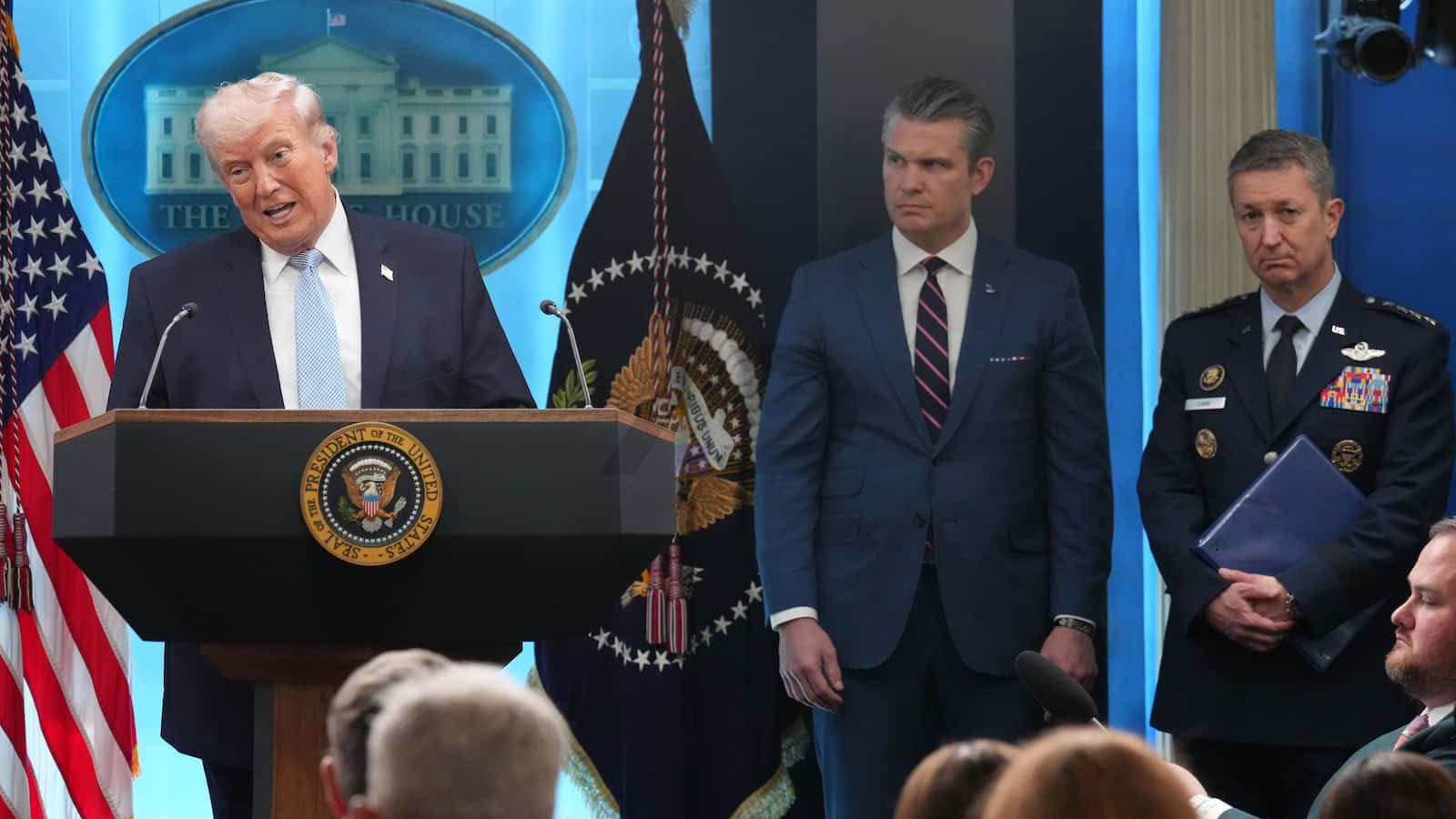
“North Korea's government bankrolls its rogue regime and illicit weapons program through cryptocurrency theft,” said M. Scott Proctor, principal deputy assistant attorney general for national security. “Today's announcement shows that America will fight back against that corrupt regime's effort to profit through cybercrime.”
Half of the Binance heist halted
The court-authorized seizure targets funds taken in the Oct. 29 attack on Binance, the world's largest crypto exchange, in which hackers made off with $6.3 billion. U.S. officials have tied that theft to TraderTraitor, a North Korean operation linked to the Lazarus Group. Assistant Attorney General A. Tysen Duva said prosecutors “immediately” froze billions of dollars in stolen assets “before they got beyond law enforcement reach,” halting about half of the breach.
“The North Korean regime may think they are sophisticated cyber criminals, but we have consistently met them head on,” said U.S. Attorney Jeanine Ferris Pirro for the District of Columbia.

A scam run through fake Zoom calls
The second action came from the U.S. Attorney's Office in Los Angeles, which took down cloud infrastructure used in a scheme the FBI calls “FaceStealer.” The hackers send meeting invitations from hijacked Telegram or LinkedIn accounts of people the victims know. The link opens a fake Zoom or Microsoft Teams call in which the “friend” is really a prerecorded video of an earlier victim. A message says the caller cannot be heard and urges an update, which installs malware that drains crypto wallets and hands over the victim's contacts, while the webcam secretly records the new target.
Under a federal warrant, the FBI seized more than 900 webcam videos of victims. “The victims are all experienced crypto/Web3 executives, developers and even cybersecurity experts,” said Special Agent Jeremy Robertson of the FBI's Los Angeles Field Office. The FBI attributes the scheme to a group known as Sapphire Sleet, APT38 or BlueNoroff, which it says now also uses deepfake videos of well-known industry figures.
The hackers are also going after Americans who maintain open-source software, aiming for access to their code repositories in what prosecutors said “appears calculated to enable software supply-chain attacks.” “If you can't imagine a scenario where you might fall prey to it, you are not thinking creatively enough,” said Patrick Grandy, who heads the FBI's Los Angeles office.
Photos: Wikimedia Commons (CC BY 2.0), social media
Stay Updated with Ally Daily
Subscribe to be informed about special news, developments and announcements. We will keep you informed.
By signing up, you agree to our Privacy Policy