- BIST10011,131-3.02%
- USD50.47+0.05%
- EUR55.46+0.20%
- GOLD3,522.70-4.42%
- INTEREST36.00%-1.00
- BITCOIN58,386-5.68%
- November 20, 202620°
- BIST10011,131-3.02%
- USD50.47+0.05%
- EUR55.46+0.20%
- GOLD3,522.70-4.42%
- INTEREST36.00%-1.00
- BITCOIN58,386-5.68%
- November 20, 202620°
UK and EU seal Brexit reset deal, but Brussels ties rollout to tuition fees
Downing Street says the deal on food trade, carbon markets and youth mobility "is done," but the EU will not implement it until Britain cuts university fees for European students.
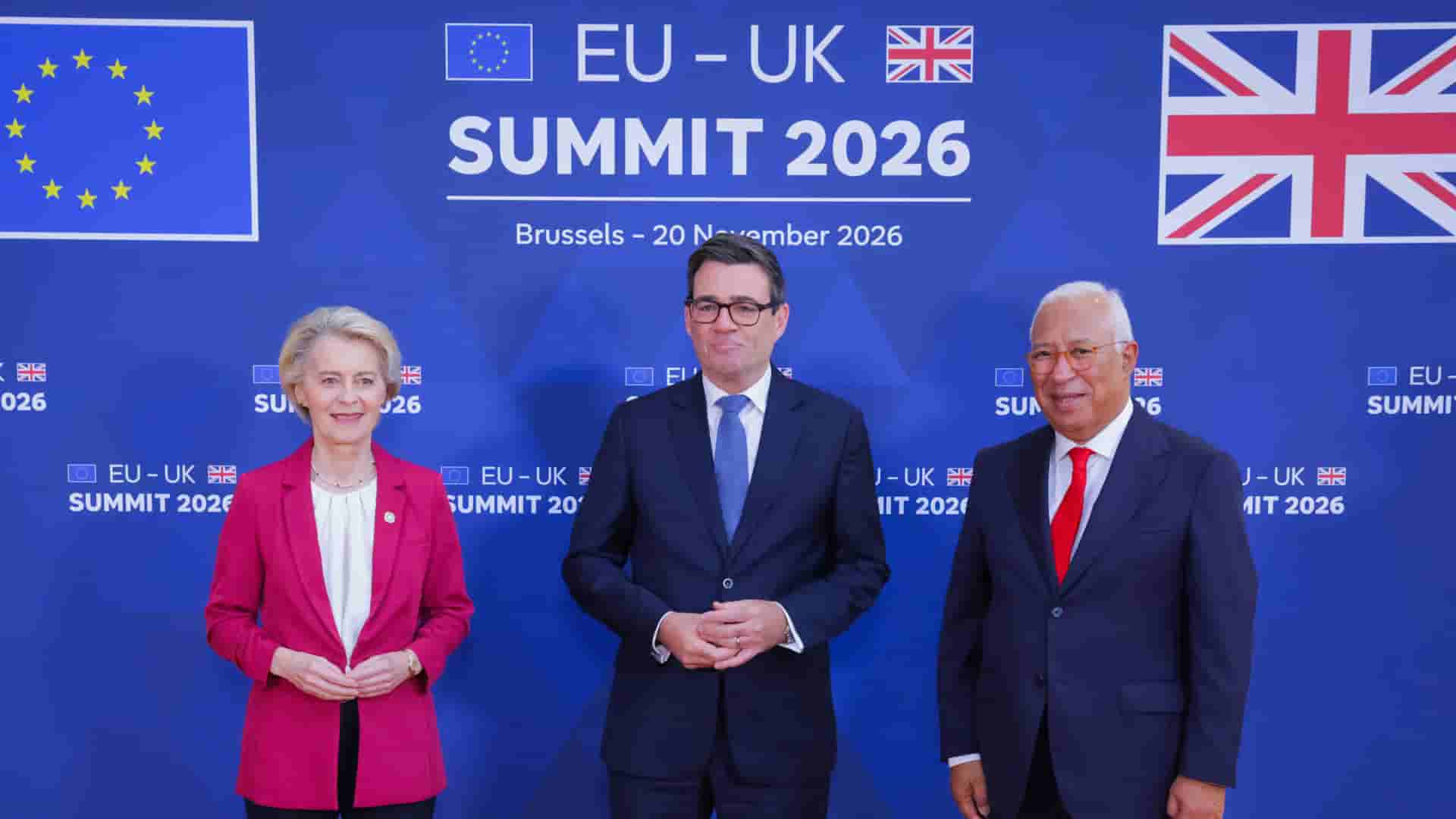
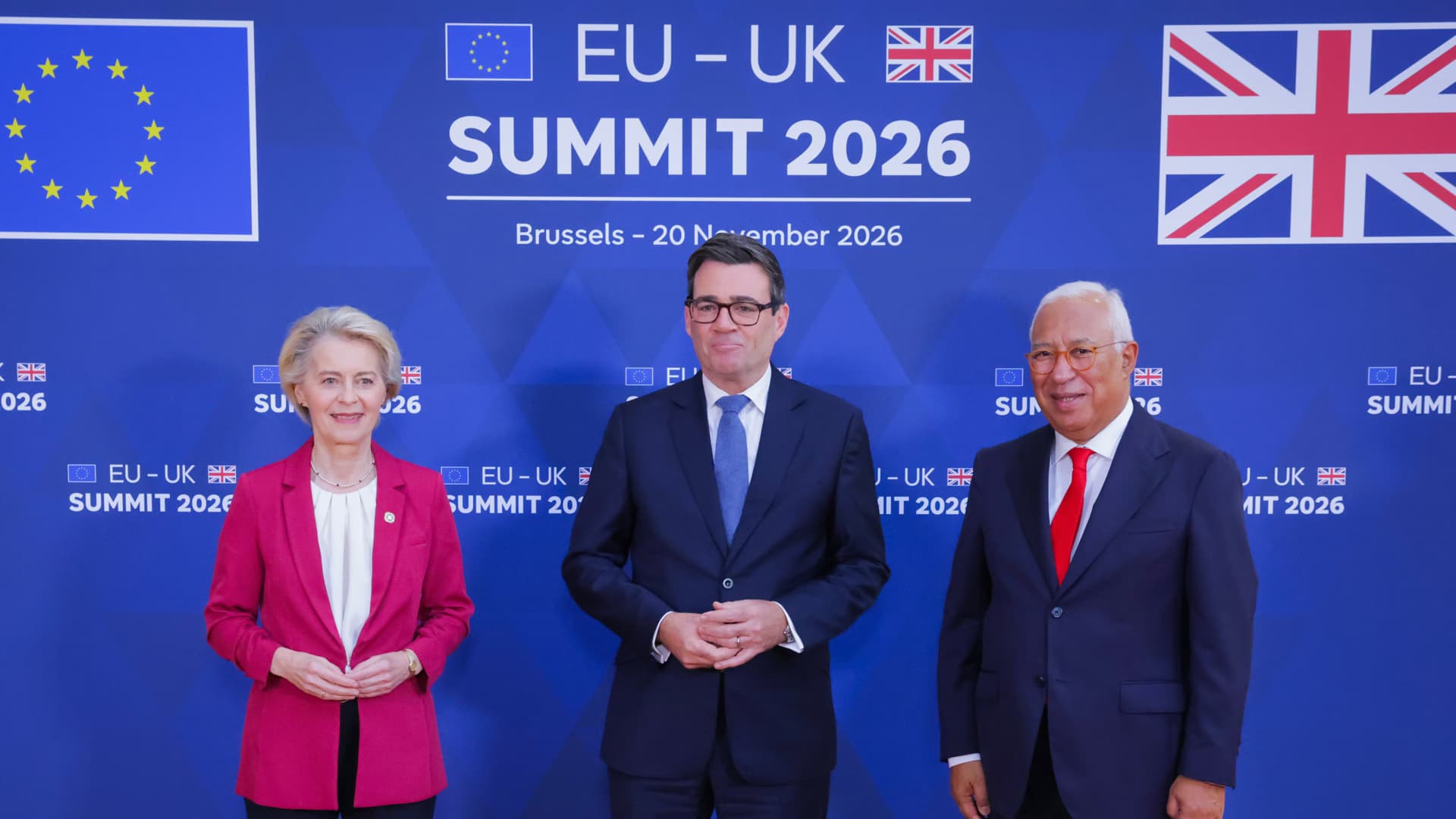
Britain and the European Union agreed on Friday to a package of deals meant to reset relations a decade after the Brexit vote. Brussels, however, made clear the agreements will not take effect until London settles a dispute over university tuition fees.
"The deal is done – negotiations have concluded," a UK government spokesperson said after Prime Minister Andy Burnham met European Commission President Ursula von der Leyen and European Council President António Costa in Brussels. The spokesperson added that "talks will continue on some areas."
What is in the package
The agreements cover a sanitary and phytosanitary (SPS) deal easing checks on food and farm goods, a relinking of the British and EU emissions trading systems, and a youth mobility scheme. Under the scheme, up to 100,000 young Britons can live and work in the EU for up to three years, and the same number of Europeans can do so in Britain. London had originally proposed 50,000 places. Implementation dates will be set out in a joint statement.
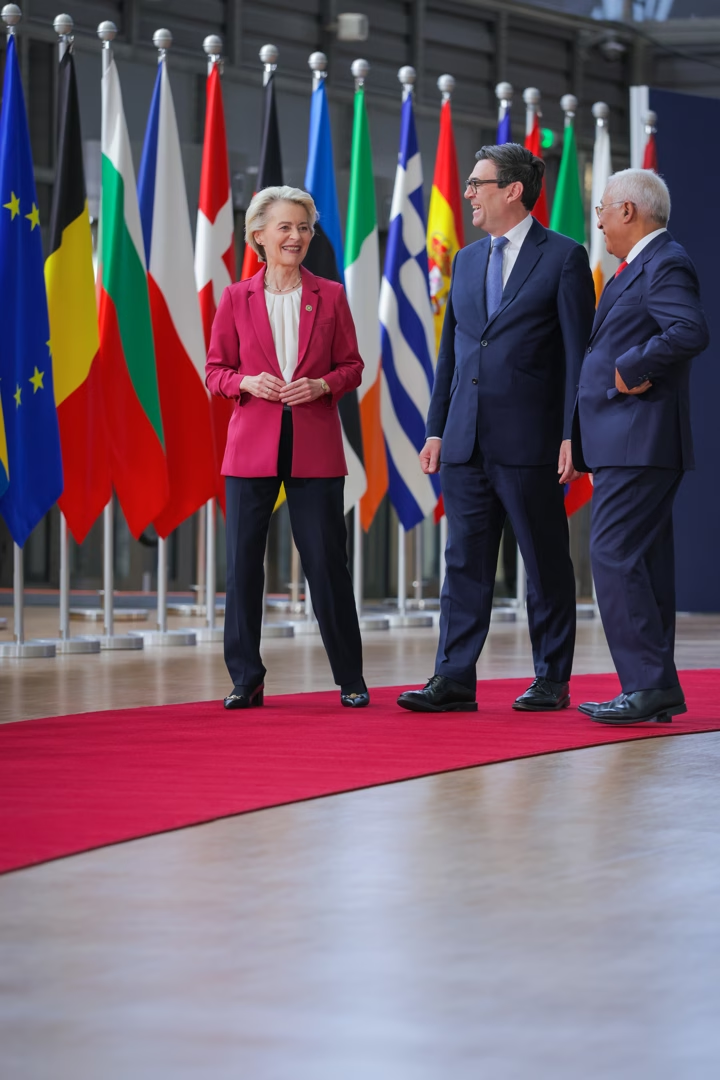
The EU wants European students at British universities to pay significantly lower fees. EU officials said none of the agreements will come into force until that issue is resolved, and the two sides gave themselves six months to reach a deal on it.
Burnham: "A good day for young people"
Burnham, who has said the Brexit Britain was given "has not worked," called the youth scheme "a good day for young people in Britain." He argued the package would cut export costs and ease pressure on food prices. Before the talks, von der Leyen said she wanted "a summit of ambition and concrete results," while Costa said the two sides' "security and prosperity are closely intertwined."
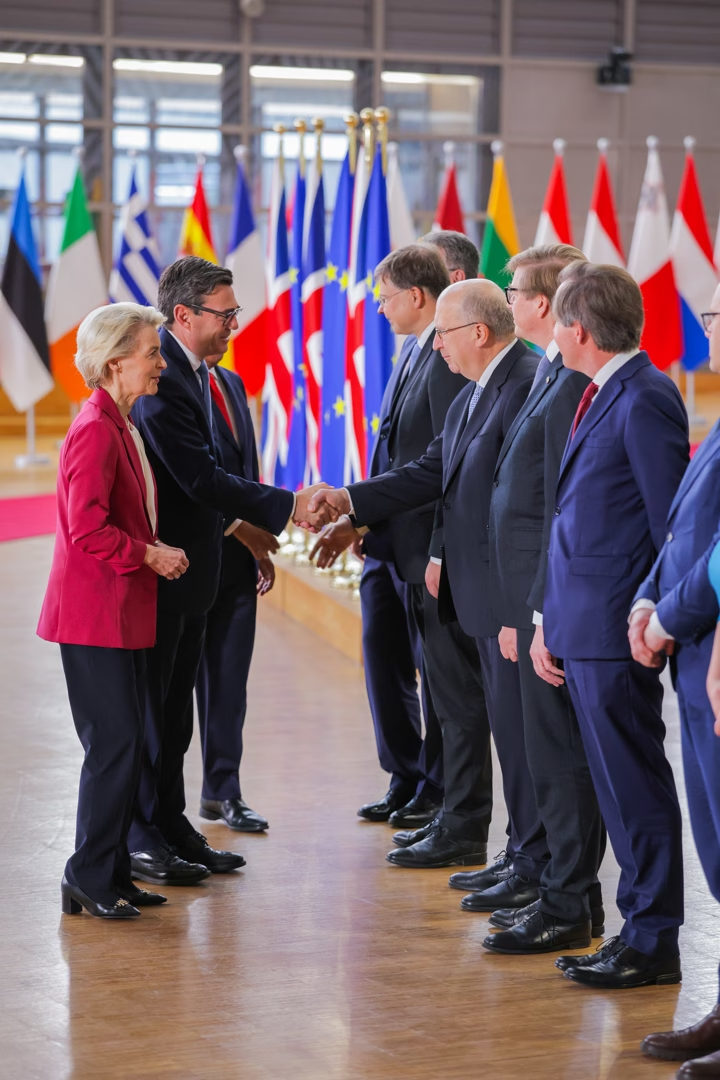
The rapprochement comes as shared pressures, including U.S. tariffs, Russia's war in Ukraine and China's grip on critical minerals, push London and Brussels closer. Reform UK leader Nigel Farage called Burnham "naive" and accused the EU of using the summit to "strong-arm" him over tuition fee cuts.