- BIST10011,722-2.89%
- USD49.45+0.05%
- EUR55.62+0.37%
- GOLD4,181.10+0.26%
- INTEREST37.00%-1.00
- BITCOIN81,450-0.06%
- October 17, 202614°
- BIST10011,722-2.89%
- USD49.45+0.05%
- EUR55.62+0.37%
- GOLD4,181.10+0.26%
- INTEREST37.00%-1.00
- BITCOIN81,450-0.06%
- October 17, 202614°
UK's new prime minister Andy Burnham to launch new era in US relations
Labour Party leader Andy Burnham has been appointed the UK's new prime minister by King Charles III. Burnham took over from his predecessor Keir Starmer on 20 July following Starmer's resignation.
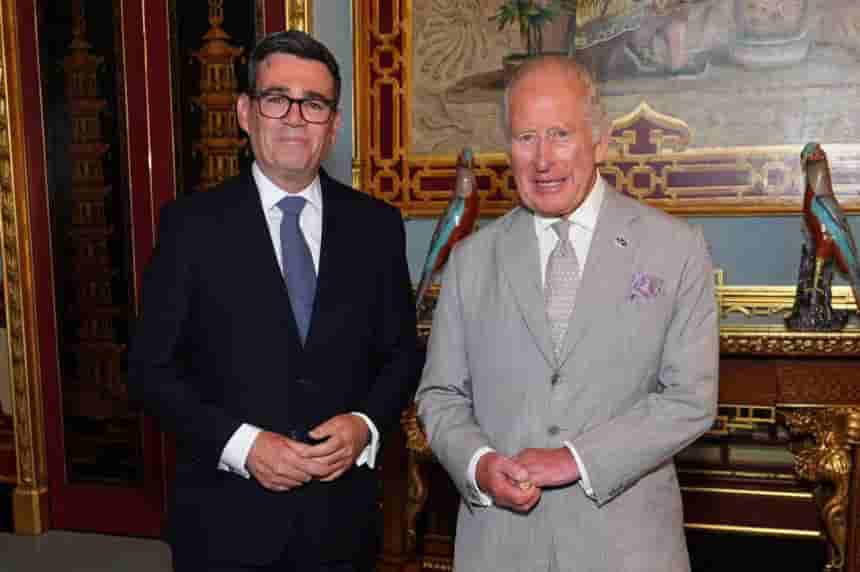
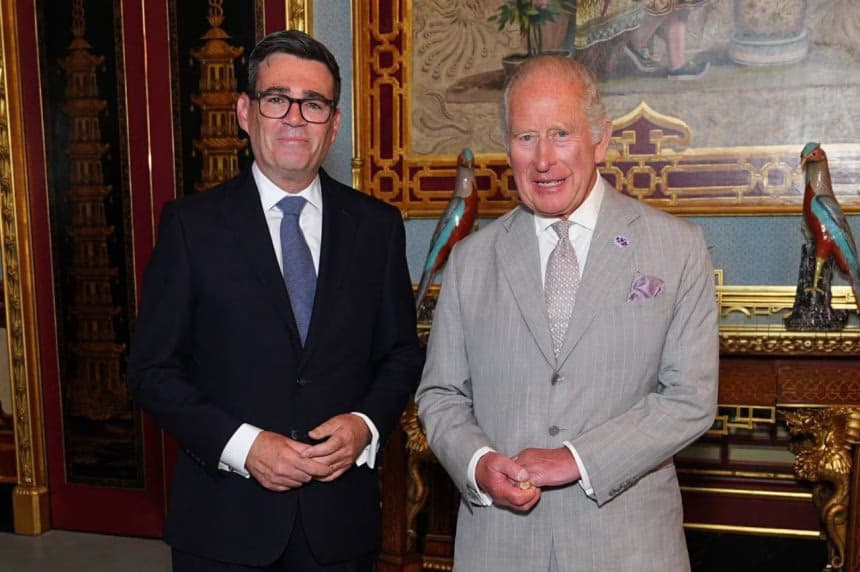
A new government era has begun in the United Kingdom. Labour Party's new leader Andy Burnham was appointed the country's new prime minister by King Charles III. Burnham took over from his predecessor Keir Starmer on Monday, 20 July, during the traditional 'kissing of hands' ceremony at Buckingham Palace.
A statement from the palace said: "His Majesty received Labour MP Andrew Burnham and tasked him with forming a new government. Mr Andrew Burnham accepted the offer and, following his appointment as prime minister and First Lord of the Treasury, attended the ceremony."
New prime minister's background
Andrew (Andy) Murray Burnham was born on 7 January 1970 in Aintree, near Liverpool. After graduating from the University of Cambridge, he worked as a journalist. Burnham, who joined the Labour Party at the age of 15, was elected as an MP in 2001.
He served in the governments of Tony Blair and Gordon Brown as a minister in health, finance, culture and home affairs. Elected Mayor of Greater Manchester in 2017, he became known for his fight to strengthen local government.
Starmer's resignation and leadership change
Keir Starmer became prime minister after Labour's victory in the 2024 general election. However, within a year, declining party support and electoral defeats brought a leadership change to the fore. The appointment of Peter Mandelson, known for his links to Jeffrey Epstein, as ambassador to Washington also drew criticism.
In February, Starmer tried to prevent Burnham from standing in a by-election. However, party bodies ensured Burnham was elected as an MP in the Makerfield by-election in June. After Burnham entered parliament, Starmer announced his resignation on 22 June.
On 17 July, the Labour Party declared Andy Burnham, the sole candidate, as its new leader. Immediately after this development, Starmer tendered his resignation to the King, and the process culminated in the appointment of the new prime minister.
Stay Updated with Ally Daily
Subscribe to be informed about special news, developments and announcements. We will keep you informed.
By signing up, you agree to our Privacy Policy